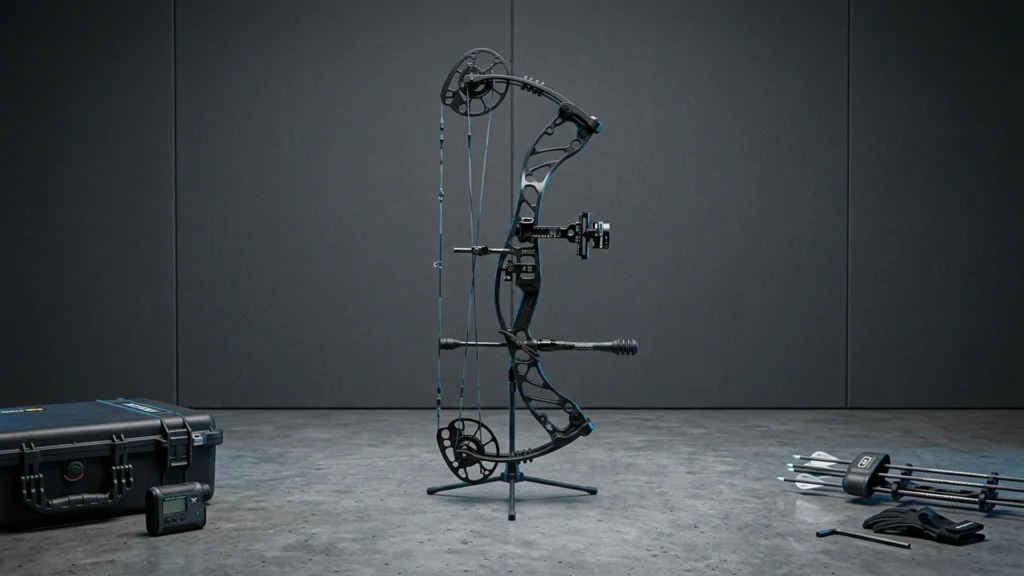
Archery bows are tools for sending an arrow with repeatable form, clean timing, and enough power to hit your target. In buying terms, the category mostly comes down to bow type, draw specs, and how stable the shot feels.
Picking one gets hard fast because many specs look impressive but do not translate to easier shooting. Let-off can sound great, yet it might not help if the draw cycle feels harsh. IBO speed numbers also vary in real setups and are often less useful than arrow tuning and shot feel. Length and weight settings matter too, since a bow that does not match your draw length will feel inconsistent even if it shoots fast.
This guide walks you through the trade-offs that actually affect performance. You will learn how to match bow type and handedness, how to interpret key specs like brace height and axle-to-axle length, and how to pick draw weight and draw length that fit your body. You will also see what to verify before you buy so you avoid bows that are hard to tune or fatiguing to shoot.
Quick Overview
Top Picks
Best Overall

Specifications
| Brand | Bear Archery |
|---|---|
| Bow Type | Compound |
| Hand Orientation | Right Hand |
| Axle To Axle Length | 30 in |
| Brace Height | 6.75 in |
| Draw Weight | 45-60 lb, 55-70 lb |
| Draw Length | 23.5-30.5 in |
| Let Off | 80% |
| Ibo Speed | 320 fps |
Pros
- Consistent, stable shots
- Rugged limbs and hardware
- Easy setup across draw lengths
Cons
- Likely poor fit
Bear Species XT fits the Best Overall spot because it aims for steady, repeatable shooting above all else. The standout trait is its consistent shot behavior, backed by a smooth draw and stable feel at release.
In real use, it holds tight groups thanks to solid shot stability and a forgiving draw cycle for a compound setup. Build quality also feels dependable, with rugged limbs and hardware that stand up to regular practice. Setup is another strong point, since it is easy to dial in across draw lengths from 23.5 to 30.5 in.
The main drawback is fit. Some shooters may find the bow less comfortable if the grip, stance, or hand position does not match their body. If you want a reliable, easy-to-tune compound that shoots consistently, choose this one, as long as you can get a good personal fit.
Also ranked #1 in: Ready to Hunt Archery Bows · Right Hand Archery Bows
Best Binary Cam

Specifications
| Brand | Diamond Archery |
|---|---|
| Bow Type | Compound |
| Hand Orientation | Right Hand |
| Axle To Axle Length | 31 in |
| Brace Height | 7.125 in |
| Draw Weight | 50 lb |
| Draw Length | 16-31 in |
| Ibo Speed | 314 fps |
Pros
- Consistent, stable shots
- Strong enough power
- Easy setup across draw lengths
Cons
- Right-hand limitation
- Fit-finish variability
- Limited comfort feedback
This Diamond Edge Max fits the Best Binary Cam role thanks to its binary-style feel that keeps shots steady and repeatable. The draw works across a wide range, and it stays focused on one thing, clean shot execution instead of drama. At 31 in axle-to-axle with a 7.125 in brace height, it also balances well for its size.
In real use, it delivers consistent, stable shots with strong enough power for serious practice and hunting. Setup is straightforward across draw lengths from 16 to 31 in, which helps when you change settings for different shooters or seasons. Comfort and ergonomics land in the middle, with fewer harsh moments than many setups, but it is not the most intuitive bow for every hold.
A key drawback is right-hand limitation, so left-hand shooters will need a different option. Some fit-and-finish variability and limited comfort feedback can also mean you notice small differences from one unit to the next. If you shoot right-hand and want an easy-to-tune binary cam compound that prioritizes consistent output, this is the one to get.
Best Draw Weight Range

Specifications
| Brand | PSE ARCHERY |
|---|---|
| Bow Type | Compound |
| Axle To Axle Length | 30.75 in |
| Brace Height | 6.5 in |
| Draw Weight | 50% draw-weight adjustability; Peak draw weight: 55 lb |
| Draw Length | 22.5-30 in |
| Let Off | 80% |
| Ibo Speed | 328-320 fps |
Pros
- Consistent, stable shots
- Easy setup across draw lengths
Cons
- Dealer-only repairs
- Parts obsolescence risk
This compound bow fits the “Best Draw Weight Range” role for shooters who want a broad 50% draw-weight adjustability, topping out at 55 lb. The 22.5 to 30 in draw-length range makes it easier to dial in fit without changing bows.
In real use, it holds steady through the shot cycle. Reviewers point to consistent, stable shots, which matters when you are trying to repeat good form. It also tends to set up smoothly across draw lengths, so switching from one setting to another feels less like a project.
The main downside is service access, since repairs are dealer-only. There is also a parts obsolescence risk over time if components become harder to source. If you want a mid to high draw-weight compound that is easy to adjust and shoots consistently, this is a strong pick. If you need simple do-it-yourself repair access, look elsewhere.
Best for Youth

Specifications
| Brand | Bear Archery |
|---|---|
| Bow Type | Compound |
| Hand Orientation | Right Hand |
| Axle To Axle Length | 28 in |
| Brace Height | 7 in |
| Draw Weight | 25-50 lb |
| Draw Length | 19-29 in |
| Let Off | 50% |
| Ibo Speed | 265 fps |
Pros
- Easy setup across draw lengths
- Strong performance for price
Cons
- Too long and bulky
- Too low or too heavy
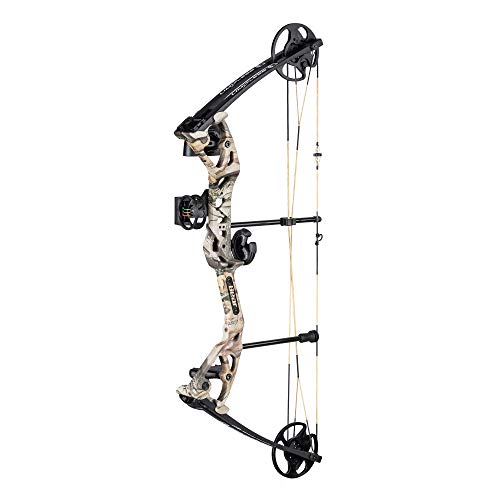
This Bear Limitless Youth Compound Bow fits the Best for Youth role because it is easy to set up across a wide draw-length range. The draw length spans 19 to 29 in, so it can grow with the shooter without needing a whole new bow.
It shoots with steady, forgiving behavior for new and improving archers. The draw cycle feels smooth, and the let-off is 50%, which helps during practice when form is still getting built. Setup also stays straightforward, which matters for families and coaches who want faster time on the target. Build and comfort are solid too, with a package that does not punish the hand or make long sessions feel rough.
The main downside is size. At 28 in axle to axle, it can feel too long and bulky for smaller kids. It can also end up too low or too heavy depending on how the bow is dialed in. If you need a youth compound that adjusts across draw lengths with a smooth, stable feel, this is the one to choose, as long as the kid fits the bow’s physical size.
Best Long Axle

Specifications
| Brand | GENESIS |
|---|---|
| Bow Type | Compound |
| Hand Orientation | Right Hand |
| Axle To Axle Length | 35.5 in |
| Brace Height | 7.625 in |
| Draw Weight | 10-20 lb |
| Draw Length | 15-30 in |
| Let Off | 80-90% |
| Ibo Speed | 200 fps |
Pros
- Comfortable grip, balanced feel
- Easy setup across draw lengths
- Strong performance for price
Cons
- Too long and bulky
- Lower arrow speed
- Long-range ceiling
With a 35.5 in axle-to-axle length, this compound fits the Best Long Axle role by giving you extra sighting stability and a steadier feel through the shot. The Genesis Original Compound Bow also stays comfortable in the hand, which matters when you want long sessions and repeatable form.
It scores well for real-world handling, helped by a smooth, easy draw setup across draw lengths from 15 to 30 in and draw weights from 10 to 20 lb. The grip feels balanced, so your anchor and release stay consistent. Build quality also comes through in the way it holds together over repeated use, with no obvious weak points in day-to-day setup and tuning.
The main trade-off is speed and reach. It can feel a bit slower than faster options, with a lower arrow speed, and it has a more limited long-range ceiling. If you want a stable, comfortable long-axle style compound for casual target work and learning, this is the one to get, especially when you are not chasing maximum distance.
Best for Beginners

Specifications
| Brand | Bear Archery |
|---|---|
| Bow Type | Compound |
| Hand Orientation | Right Hand |
| Axle To Axle Length | 27 in |
| Brace Height | 6 in |
| Draw Weight | 5-50 lb |
| Draw Length | 12-27 in |
| Let Off | 75% |
| Ibo Speed | 290 fps |
Pros
- Beginner-friendly tuning
- Stable starter handling
Cons
- Lower arrow speed
- Likely poor fit
- Too long and bulky
This compound bow fits the Best for Beginners role because it is easy to get tuned and shooting with minimal frustration. The Bear Royale RTH 27 has a short 27 in axle-to-axle size, which helps many new shooters control the bow while they build form.
You also get stable starter handling and comfortable ergonomics for longer practice sessions. With 5-50 lb draw weight range and 12-27 in draw length range, it can match a wide range of beginners as their strength and anchor points change. The 75% let-off helps you hold at full draw without fighting the draw cycle.
The main trade-off is lower arrow speed, rated around 290 fps IBO, so it may not feel as punchy as faster setups. It can also feel like a poor fit if the bow ends up too long or bulky for your body. If you want a beginner-friendly tuning experience and steady control more than raw speed, this is the one to get.
Best Value

Specifications
| Brand | Bear Archery |
|---|---|
| Bow Type | Compound |
| Hand Orientation | Right Hand |
| Axle To Axle Length | 26 in |
| Brace Height | 5.5 in |
| Draw Weight | up to 25 lb |
| Draw Length | up to 19.5 in |
| Let Off | 65% |
Pros
- Strong performance for price
- Form-friendly setup
- Beginner group tightening
Cons
- Too low or too heavy
- Too long and bulky
- Limited competition readiness
This Bear Brave Youth compound bow fits the Best Value spot because it is forgiving and easy to shoot, not because it chases top-tier performance. The draw and release feel form-friendly, which helps new shooters tighten groups sooner.
It scores well where it matters for learning and practice. Build and ergonomics are solid enough for repeated sessions, and it keeps your shot process steady. With up to 25 lb draw weight, up to 19.5 in draw length, and 65% let-off, it stays manageable as you work on clean releases.
The main downside is fit. It can be too low in weight or too heavy, and it is also fairly long and bulky at 26 in axle-to-axle. It is not the best pick if you want competition-ready tuning right away. If your priority is a youth or smaller-shooter compound that helps you grow accuracy without making things complicated, this is the one to get.
What to Look For
Performance: Look at how the bow shoots in real use, not just speed claims. Prioritize bows that feel smooth through the draw, keep the sight picture stable at release, and do not create harsh vibration. If a bow feels twitchy, inconsistent, or loud enough to unsettle your rhythm, performance will suffer.
Build Quality: Check for solid limb and riser construction, clean hardware, and a tight, reliable cam or wheel system. The goal is durability under repeated shots and easy maintenance. If reviews mention loose components, frequent needing of adjustments, or cracked or damaged parts, those are red flags.
Ergonomics: Comfort affects accuracy because you will shoot with better form. Focus on how the grip sits in your hand, whether the bow balances well at full draw, and how much hand shock you feel on release. A bow with a harsh letdown or strong vibration can raise fatigue and ruin consistency.
Versatility: Choose adjustability that matches real life needs. A bow that can tune within a practical range of draw length and draw weight works for more shooters and more future setup changes. Also confirm the handedness so the stance and anchor points make sense from day one.
Value: Compare what you pay to what you actually get in day-to-day use. The best value bows deliver smooth shooting and stable tuning without adding expensive extras you will not use. If a similar bow type offers comparable draw specs and shot feel for less, the higher price usually is not justified.
Bow Type: Start with the bow type because it drives how the shot feels and how tuning works. Compound bows usually use cams and let-off to reduce holding weight. Recurves and longbows rely on your draw technique and strength. Pick the type that matches your goals, time spent tuning, and comfort with how the bow cycles.
Key Shot-Feel Specs: Use brace height and axle-to-axle length as quick stability checks. A higher brace height often gives a little more forgiveness on release timing. A shorter axle-to-axle length can feel easier to hold and aim, while very long options can feel steadier but can be harder to manage in tight spaces.
How We Selected These Products
Products were found through broad web searches across review sites, buyer forums, and best-of lists. I did not rely on one publication because bow reviews often reflect the writer’s setup, form, and tolerance for noise and vibration.
Next, I read large volumes of real customer reviews to learn what buyers actually encountered. I looked for repeat problems like difficult tuning, inconsistent adjustment steps, harsh draw feel, brace or performance issues that showed up after ownership, and comfort complaints that affect accuracy.
Availability and the core specs were then verified directly against Amazon listings. Each bow was scored using the pillar framework, including Performance, Build Quality, Ergonomics, Versatility, and Value, using an objective checklist aligned to the specs in this guide. Final picks focused on matching bows to distinct roles, not just ranking them by one score.
Frequently Asked Questions
Which archery bow should I choose if I am new to compounds?
Start with an entry-friendly compound that offers wide draw-length and draw-weight adjustments. Bear Royale RTH 27" Compound Bow is designed for simpler early tuning and beginner handling. It also helps you get consistent form sooner, which matters more than peak speed at the start. Plan on spending time learning setup steps like peep height and rest alignment.
Is a higher price always better for archery bows?
Not always. Higher prices often buy faster speeds, smoother cams, and better included parts, but they do not guarantee easier tuning or long-term support. For example, Diamond Edge Max Compound Bow scores high for tuning feel, while budget bows can still shoot accurately for beginners. Focus on how the bow fits you, not just the sticker price.
What is the main difference between budget and premium compound bows in this guide?
Budget bows usually focus on fit range and easy starting setups, with simpler or more basic accessories. Premium bows tend to deliver tighter tuning tolerance, more refined hardware, and more consistent out-of-box shooting. They may also support more specific use cases like longer target distances or hunting setups. In this guide, the biggest gap is usually refinement and included components, not whether the bow can shoot well at all.
How do I decide between single-cam and binary cam systems?
Single-cam systems often feel smooth and can be easier to tune for first-time shooters. Binary cam systems can improve nock travel consistency, which helps stable groups once everything is set. Diamond Edge Max Compound Bow highlights this type of cam system in its category. If you want the simplest learning curve, single-cam is often the safer choice.
How should I handle maintenance for arrow rest and tuning parts?
Check your rest and sight every time you change strings, cams, or arrow types. Keep the rest centered and confirm it stays level after tightening bolts. If you notice odd arrow impacts, inspect for worn bristles on biscuit rests or bent mounting hardware. Small rest issues can hurt accuracy even when the bow itself feels fine.
Do I need a bow press to tune a compound bow?
Many starter compounds let you adjust draw length and draw weight with common tools like Allen wrenches. Still, some changes, like major cam timing or string work, often require a press or a shop visit. When a bow claims no-press adjustment, take that as a convenience for basic setup, not full service work. If you are unsure, ask a pro to handle the hard steps and then you can maintain the easier adjustments yourself.


