




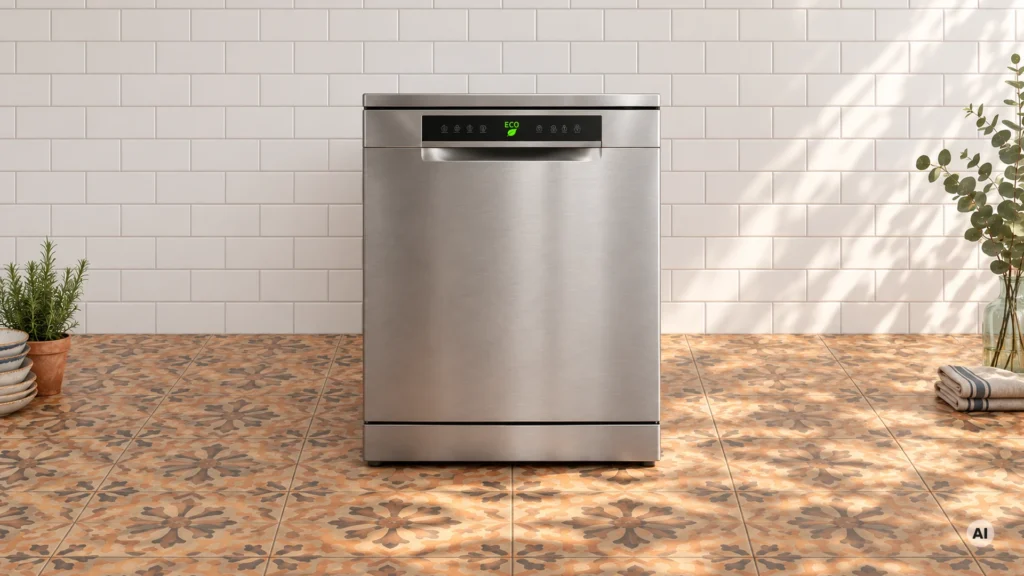
Energy saving dishwashers use less water and electricity than standard cycles. In this sub-category, that matters only if they still remove stuck-on food and grease without extra rewashing.
Choosing one is harder than it sounds. Lower energy cycles often use cooler water or longer run times. That can affect cleaning strength, drying performance, and how noticeable the unit feels in daily life.
Use the guidance below to balance cleaning, noise, and real energy features for your kitchen and load size. Looking for all types? See our Best Dishwashers.
Quick Overview
Our Top Picks
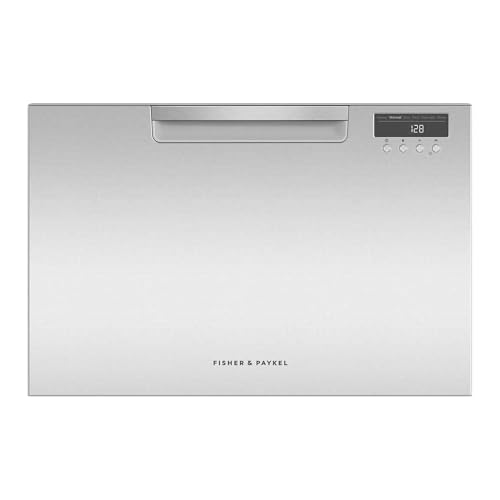
#1. Fisher & Paykel DishDrawer DD24 Dishwasher
Specifications
| Brand | Fisher & Paykel |
|---|---|
| Installation Type | Countertop |
| Dimensions | 23.5625 x 22.5625 x 32.3125 in |
| Capacity | 14 Place Settings |
| Noise Level | 45 dBA |
| Wash Cycles | 6 Cycles |
| Energy Star Certified | Yes |
Pros
- Unobtrusive, low hum
- Higher capacity
- Energy savings
Cons
- Top-drawer residue
- Drainage failure risk
- Childlock inconvenience
This Fisher & Paykel DishDrawer is a standout choice for energy saving because it is built around smaller, more targeted washes. With separate drawer loading, you can run only what you need instead of heating a full tub for a few items. It is also impressively quiet at 45 dBA, so you can use it later without the usual kitchen noise trade-off. In everyday use, that combination makes it easier to choose shorter, less wasteful cycles and still keep dishes clean.
The main things to know are practical trade-offs. Some residue can hang on in the top drawer, so heavier, greasier loads may need careful placement or a little extra attention. There is also a noted drainage failure risk, so pay attention to how it drains after the first few runs and watch for slow emptying. Finally, the childlock can feel a bit inconvenient during frequent use, which matters if multiple people share the kitchen.
#2. Sharp Library Quiet 47 dB Dishwasher

Specifications
| Brand | Sharp |
|---|---|
| Installation Type | Built-In |
| Dimensions | 23-7/8 x 33-7/8 x 26-15/32 in |
| Capacity | 12 Place Settings |
| Noise Level | 47 dBA |
| Wash Cycles | 5 Cycles |
| Tub Material | Stainless Steel |
| Energy Star Certified | Yes |
Pros
- Unobtrusive, low hum
- More durable tub
- Energy savings
Cons
- Limited cycle choices
- Drying uncertainty
Sharp's Library Quiet 47 dB Dishwasher stands out for energy-focused homes because it pairs ENERGY STAR certification with a truly low-noise run. At just 47 dBA, it is easy to use during evenings and weekends without turning the kitchen into a sound event. The stainless steel tub also helps the unit stay steady through repeated loads, which matters when you are trying to wash fewer times and run full cycles.
The main trade-off is practical cleaning and drying flexibility. With only 5 wash cycles, choices for tough messes or delicate items are more limited than some competitors. Drying can also feel less predictable, so hand-dry may be needed for occasional loads. This is best for people who want quiet, efficient runs and are willing to load well and use the right cycle for what is inside.
#3. Midea 18" Built-In Dishwasher

Specifications
| Brand | Midea |
|---|---|
| Installation Type | Built-In |
| Dimensions | 22.6 x 17.6 x 32.4 in |
| Capacity | 8 Place Settings |
| Noise Level | 52 dBA |
| Wash Cycles | 6 Cycles |
| Drying System | Heated Dry |
| Tub Material | Stainless Steel |
| Energy Star Certified | Yes |
Pros
- Unobtrusive, low hum
- Stronger drying results
- Energy savings
Cons
- Rinse-aid confusion
- Detergent sensitivity
- Manual clarity gaps
Midea 18 stands out for energy saving because it pairs ENERGY STAR certification with a notably quiet cycle. At 52 dBA, the wash and drain stay unobtrusive in everyday use, so you can run it at off hours without it taking over your kitchen. It also uses Heated Dry, and users tend to see drier results than many energy-focused models that rely on residual heat alone.
The main trade-off is routine consistency. Some owners report rinse-aid confusion and detergent sensitivity, meaning cleaning can vary if you do not match the right soap and rinse-aid setup. If you like a simple loading routine and are willing to dial in detergent and rinse aid once, this is a strong fit for an energy-conscious household.
#4. Kenmore 24" Built-In Dishwasher

Specifications
| Brand | Kenmore |
|---|---|
| Installation Type | Built-In |
| Capacity | 14 Place Settings |
| Noise Level | 51 dBA |
| Drying System | Fan-Assist Dry |
| Tub Material | Stainless Steel |
| Energy Star Certified | Yes |
Pros
- Unobtrusive, low hum
- Stronger drying results
- Energy savings
Cons
- Slight wobble, average longevity
- Spotty load cleaning
This built-in Kenmore stands out for energy saving in day-to-day use thanks to Energy Star certification and a Fan-Assist Dry system that helps reduce how often you need to rewash or re-run drying steps. Even at 51 dBA, it stays fairly unobtrusive, with a low hum that works well if your kitchen is open to living space. In practice, the drying performance is one of its stronger sides, so you are less likely to see water pooling on cups and plates.
The trade-off is that cleaning can be uneven on tougher, stuck-on messes, so some loads may still need a bit of loading care. Build quality also feels only average, with some slight wobble reported, so it may suit shoppers who want efficient, quieter cycles more than those demanding long-term ruggedness for heavy daily use.
#5. Kenmore 24" Hybrid Tub Dishwasher

Specifications
| Brand | Kenmore |
|---|---|
| Installation Type | Built-In |
| Dimensions | 22.6 x 23.6 x 33.7 in |
| Capacity | 12 Place Settings |
| Noise Level | 54 dBA |
| Drying System | Heated Dry |
| Tub Material | Hybrid |
| Energy Star Certified | Yes |
Pros
- Stronger drying results
- Energy savings
- Worth every penny
Cons
- Noisy operation
- Smart connectivity glitches
- Nontrivial filter access
This Kenmore 24 Hybrid Tub Dishwasher is a solid pick for energy saving goals, mainly because it pairs Energy Star certification with a heated dry system that actually helps cut down on repeat cycles. In everyday use, the drying results stand out, so you are less likely to re-run loads when you want dishes fully ready. Cleaning scores are also strong for mixed loads, which matters for efficient washing since you can trust the first cycle more often.
The trade-off is comfort and upkeep. At 54 dBA, it can be heard during operation, and some owners report smart connectivity glitches. Filter access is not the easiest task either, so plan for a bit of hands-on maintenance to keep performance steady. This model fits best for households focused on lower energy use and better drying, and who do not mind a louder-than-quiet experience.
#6. Honeywell 24" Dishwasher

Specifications
| Brand | Honeywell |
|---|---|
| Installation Type | Built-In |
| Dimensions | 24 x 24.5 x 33.74 in |
| Capacity | 12 Place Settings |
| Noise Level | 42 dBA |
| Wash Cycles | 7 Cycles |
| Tub Material | Hybrid |
| Energy Star Certified | Yes |
Pros
- Worth every penny
- Very quiet
- Energy savings
Cons
- Slight wobble, average longevity
- Mixed drying performance
For an energy saving dishwasher shortlist, the Honeywell 24 stands out for how quiet it feels while still staying Energy Star certified. At just 42 dBA, it is easy to run during evenings without dominating the room. Owners also report real energy savings, which matters more than eco claims on paper.
The main trade-off is drying. Mixed drying performance means you may need to unload promptly and double check how you stack items, especially plastics or loads with more moisture. Build quality is decent, but there is a slight wobble, and some users mention average longevity, so it may fit best for households that load carefully and want low-noise, efficient cycles more than perfect drying.
What to Look For
Energy efficiency that is actually verified: Check Energy Star certified models, not just “eco” claims. Verified units usually deliver real water and energy savings across common wash modes.
Cleaning performance across everyday and tough mess: Focus on whether the dishwasher handles baked-on residue and greasy plates without leaving film. Look for even rack coverage so cups, bowls, and pans all get sprayed effectively.
Noise level you will tolerate during your routine: Target the lowest dBA you can find, especially if you have an open floor plan. Also consider that drying can add time and ongoing hum, not just the wash blast.
Drying approach that matches how you load: Energy saving cycles can reduce heat. Prefer AutoOpen Dry or Heated Dry when you often rinse and load right before bed. If you use Fan-Assist Dry, give space for airflow and avoid overcrowding.
Durability signals for long-term ownership: Choose a strong tub material and well-built racks. A solid door feel, sturdy spray arms, and reliable seals matter because energy saving models may run less often, but you need every cycle to work.
How We Picked
Products were identified through broad research across review sites and buyer forums, then filtered to only those that qualify as Energy Saving Dishwashers. The list includes models commonly purchased for reduced energy use, including built-in and space-efficient options.
Scoring used the same objective pillar framework as the main Dishwashers post, allowing direct comparison of products within this sub-category. Cleaning carried the most weight, followed by quietness, build quality, features that affect daily use, and value for the price.
Frequently Asked Questions
What should I look for to save the most energy with a dishwasher?
Start with Energy Star certification, since it targets lower water use and less energy per load. Next, look for efficient drying like AutoOpen Dry or condensation drying, which can reduce heat time. Finally, choose a normal or eco cycle for everyday loads instead of heavy-only settings.
Do energy saving dishwashers clean as well as regular models?
They can, but performance depends on the cycle you use and how you load the racks. Eco cycles often use lower temperatures and longer run times, so you still need good spray coverage. If you skip loading guidelines, you may see more spots on glass or residue on plates.
How should I run an energy saving dishwasher day to day?
Run full loads when you can, and avoid half loads on the most water intensive cycle. Use rinse aid to reduce water spots, especially if you have hard water. Scrape off food, but do not pre-rinse unless your items are dried on for hours.
Is a drawer style or standard built-in better for saving energy?
Drawer style units can save energy if you wash fewer dishes, because you can run one drawer instead of the whole tub. Built-in models can still save energy, especially with eco cycles, but they usually make more sense for full loads. Choose the style that matches your real household load size.
When should I consider a different type of dishwasher instead of an energy saving one?
Choose a different type if you often need very fast cleaning or you have very heavy, baked-on messes daily. In that case, you may need a model with stronger cleaning cycles and hotter washes. Also consider a different fit type, like a compact unit, if you cannot install a full-size built-in.


