




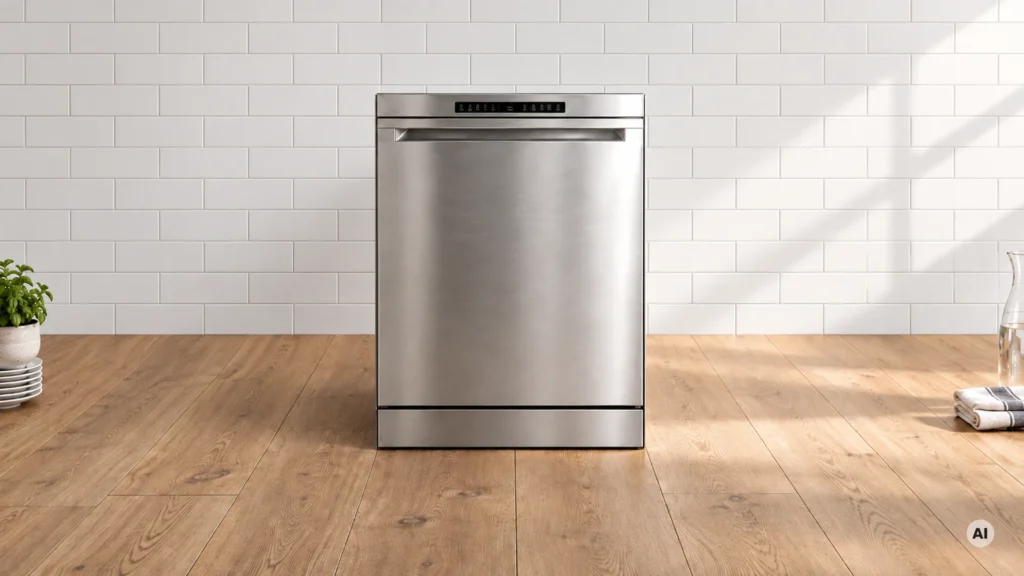
Dishwashers with strong drying are built for one job: getting water off dishes fast and evenly. In daily use, that means fewer wet spots on plates and bowls, less moisture inside cups, and fewer streaks on glassware. Look for models that use a drying system that adds control to the final rinse and dry phase.
Picking the right one gets tricky because drying strength often ties to other trade-offs. More drying power can mean higher energy use. Stronger dry cycles may run longer. Some models dry well on certain items but still leave puddles on plastic, flatware, or deep cookware.
Use the criteria below to match your loads to the drying method, then narrow by noise, build quality, and overall value in your price range. Looking for all types? See our Best Dishwashers.
Quick Overview
Our Top Picks
#1. Bosch Benchmark Series 24" Dishwasher

Specifications
| Brand | Bosch |
|---|---|
| Installation Type | Built-In |
| Dimensions | 23.5625 x 22.5625 x 34.0625 in |
| Capacity | 16 Place Settings |
| Noise Level | 39 dBA |
| Wash Cycles | 7 Cycles |
| Drying System | AutoOpen Dry |
| Tub Material | Stainless Steel |
| Energy Star Certified | Yes |
Pros
- Consistent spotless results
- Very quiet
- Stronger drying results
Cons
- Possible door stiffness
- Door not staying open
What makes this Bosch stand out for strong drying is its AutoOpen Dry system. The door automatically opens after the cycle, helping moisture escape instead of settling back on plates and cups. Pair that with consistent, spotless cleaning, and you get that rare combo in this sub-category: dishes come out looking clean and feeling dry, even when loads mix bowls, glassware, and everyday dinnerware.
The main trade-off is door feel. Some owners note door stiffness, and the door may not stay open the way they expect. If you want dependable drying for frequent loads, it is a great match. If you want a very smooth door motion and perfect door-open behavior, you may want to check real-owner feedback for your kitchen setup before you commit.
#2. Frigidaire 24" Top-Control Built-In Dishwasher

Specifications
| Brand | Frigidaire |
|---|---|
| Installation Type | Built-In |
| Dimensions | 24 x 24.25 x 33.75 in |
| Capacity | 14 Place Settings |
| Noise Level | 52 dBA |
| Wash Cycles | 4 Cycles |
| Drying System | Heated Dry |
| Tub Material | Plastic |
| Energy Star Certified | Yes |
Pros
- Consistent spotless results
- Worth every penny
- Stronger drying results
Cons
- Noisy operation
- average longevity
- Limited cycle choices
This Frigidaire built-in model stands out for strong drying in everyday use. With its Heated Dry system, dishes come out noticeably drier than you would expect from many standard cycles, especially for plastics and mixed loads that usually trap water. It pairs that drying strength with consistently clean results across plates, glasses, and heavier soil, so you are less likely to rewash or spot-check before putting items away.
The main trade-off is that it can feel noisy while running, so it may not suit open-concept homes where you prefer quiet cycles. It also has only four wash cycles, which keeps things simple but limits choices if you want very specific options. If strong drying matters most and you want reliable cleanup with minimal fuss, this is a solid pick, with the understanding that you may hear it during the wash.
#3. Midea 18" Built-In Dishwasher

Specifications
| Brand | Midea |
|---|---|
| Installation Type | Built-In |
| Dimensions | 22.6 x 17.6 x 32.4 in |
| Capacity | 8 Place Settings |
| Noise Level | 52 dBA |
| Wash Cycles | 6 Cycles |
| Drying System | Heated Dry |
| Tub Material | Stainless Steel |
| Energy Star Certified | Yes |
Pros
- Unobtrusive, low hum
- Stronger drying results
- Energy savings
Cons
- Rinse-aid confusion
- Detergent sensitivity
- Manual clarity gaps
If you care about drying, the Midea 18 stands out for producing more reliably dry results than many built-in models. It uses a Heated Dry system and a stainless steel tub, and the quiet 52 dBA operation makes it easier to run at night without feeling like the drying cycle is intrusive. In day to day use, the biggest win is fewer damp items left behind, especially on loads that include mixed cookware and plates.
The main trade-off is that drying quality depends on the rest of your routine. Some owners report rinse-aid confusion and detergent sensitivity, which can lead to water spots or less-than-perfect dryness when the settings do not match your detergent. It also helps to pay attention to the manual and cycle guidance so you choose the right wash for what you loaded.
#4. Sharp Pocket Handle 52 dB Dishwasher

Specifications
| Brand | Sharp |
|---|---|
| Installation Type | Built-In |
| Dimensions | 34.5 x 22.8 x 23.6 in |
| Capacity | 12 Place Settings |
| Noise Level | 52 dBA |
| Wash Cycles | 5 Cycles |
| Drying System | Heated Dry |
| Tub Material | Hybrid |
Pros
- Worth every penny
- Stronger drying results
- Sturdy racks
Cons
- Noisy operation
- Limited cycle choices
The Sharp Pocket Handle 52 dB Dishwasher stands out for strong drying results in a class where many units leave damp plastic and water spots. Heated Dry helps most loads come out noticeably drier, and owners also tend to like how solid the racks feel while they are handling daily, mixed items. If you hate re-towel drying or finding pooling water after a cycle, this is a practical choice to focus on.
The main trade-off is noise. At 52 dBA, it is not the quietest option, so open-concept homes or late-night runs may feel a bit louder than you want. It also has only 5 wash cycles, so people who rely on very specific cycle types might need to be more flexible with how they load and choose settings.
#5. Kenmore 24" Hybrid Tub Dishwasher

Specifications
| Brand | Kenmore |
|---|---|
| Installation Type | Built-In |
| Dimensions | 22.6 x 23.6 x 33.7 in |
| Capacity | 12 Place Settings |
| Noise Level | 54 dBA |
| Drying System | Heated Dry |
| Tub Material | Hybrid |
| Energy Star Certified | Yes |
Pros
- Stronger drying results
- Energy savings
- Worth every penny
Cons
- Noisy operation
- Smart connectivity glitches
- Nontrivial filter access
This Kenmore 24 Hybrid Tub Dishwasher stands out for drying results in its class. The heated dry system helps move moisture off dishes and cookware, so you spend less time wiping glassware and handling plates that feel damp when the cycle ends. Its 54 dBA noise level is moderate, and many people will find it manageable during normal evening use, especially if your kitchen is not open to bedrooms.
The trade-off is that drying performance can tempt you to run longer or more deliberate cycles, and the unit has a noticeable sound during operation. It also comes with two practical headaches: smart connectivity glitches and nontrivial filter access. This model fits best if strong drying matters most and you are willing to do a bit more hands-on upkeep than with simpler designs.
What to Look For
Drying System Type: Prioritize AutoOpen Dry, Heated Dry, or Fan-Assist Dry when you hate towel drying. These systems help water evaporate and reduce re-wetting. Condensation Dry can work, but it needs good cycle timing and loading habits.
Clean Before You Dry: Strong drying only matters if the dishwasher removes grease and residue first. In this sub-category, the best results come from models that clean consistently across mixed loads, including baked-on food and oily spots that repel water.
Noise During the Drying Phase: Some units sound fine during washing but get more noticeable while draining and drying. If your kitchen is open to living space, use the stated noise level and look for owner feedback that matches quiet, steady operation.
Loading Layout for Traps: Deep cups, bowls, and spatulas trap water. Choose a model with practical rack spacing and enough adjustability to keep these items tilted toward spray and airflow. If you rely on lots of small items, check whether the utensil area drains well and stays dry.
Build Quality That Holds Drying Performance: Drying depends on sealed compartments, solid racks, and reliable cycle parts. Higher build quality helps prevent leaks, warped racks, and weak spray coverage that can lead to wetter dishes over time.
How We Picked
Products were identified through broad research across review sites and buyer forums, then filtered to only those that qualify as Dishwashers with Strong Drying. We treated “strong drying” as a real-world outcome: dishes that come out dry enough to skip towels, across everyday mixed loads and heavier cookware.
Scoring used the same objective pillar framework as the main Dishwashers post, allowing direct comparison of products within this sub-category. Cleaning, quietness, build quality, features, and value worked together to pick models that dry well without major downsides like noisy operation, weak long-term durability, or poor performance per dollar.
Frequently Asked Questions
What makes a dishwasher good at drying, not just washing?
Strong drying usually comes from an AutoOpen Dry door, heated drying, or a fan-assisted drying system. AutoOpen Dry helps by letting warm, moist air escape before the cycle ends. Heated and fan-assisted modes dry faster, especially for plastics and glassware.
Do strong drying dishwashers still need rinse aid?
They work better with rinse aid, but you may use less than before. Rinse aid helps water sheet off dishes, which speeds drying. If you skip it, you may still get good results on glass, but plastics can hold more moisture.
What loading habits most affect drying performance?
Keep items angled toward the spray and avoid blocking vents or the door opening area. Place cups and bowls upside down so water drains out, not into them. Leave space between dishware so air can move, which improves drying consistency.
How do these models differ from each other in drying strength?
Some focus on AutoOpen Dry, which uses a timed door opening to release steam. Others use Heated Dry or Fan-Assist Dry for more direct heat or airflow. Models with a heated or fan system usually dry tougher loads faster, while AutoOpen Dry can deliver very solid results with less energy.
When should I choose a different dishwasher type instead of one built for strong drying?
Choose a different type if you cannot use a full-size built-in layout or if you need a compact footprint. For example, portable or countertop units may dry well, but they often have less room for airflow and better rack spacing. If drying is your top priority and you often wash plastics, a full-size built-in with AutoOpen Dry or Heated Dry usually fits best.
How do strong drying dishwashers compare to standard ones in day-to-day use?
You should notice less wetness on forks, cups, and lids right after the cycle ends. Standard models may leave more water spots, especially on glass and plastics. Strong drying also reduces the need to towel-dry, which saves time during busy weeks.


