




Lightweight travel baby carriers are the hands-free options that you can actually bring on day trips, flights, and weekend stops. In this sub-category, you are looking for something that packs down, wears for longer stretches, and keeps your baby positioned safely while you move through airports, streets, and public transport.
Choosing one is harder than it sounds. You trade off between low carry weight and strong support, and between simple setup and fine-tuning for newborn fit. Some carriers also run warm, which matters when you are wearing them in busy terminals or on hot sidewalks.
For broader options across different carrier styles and features, see our Best Travel Baby Carriers. If you only care about lighter carry setups, keep this shortlist focused on travel-first choices.
Quick Overview
Our Top Picks
#1. BabyBjörn One Air Baby Carrier

Specifications
| Brand | BabyBjörn |
|---|---|
| Carry Positions | Front Inward, Front Outward, Back Carry |
| Recommended Age Range | 0-36 months |
| Material | Polyester |
| Care Instructions | Machine Washable |
Pros
- Even weight, cozy fit
- Light and travel-friendly
- Sturdy build, smooth adjustments
Cons
- Runs smaller fit
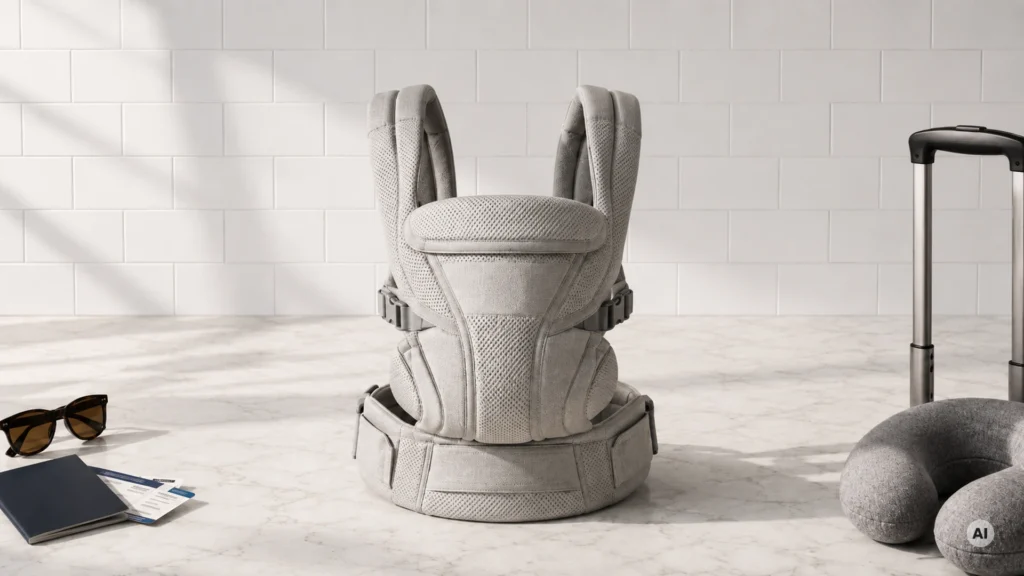
In the lightweight travel baby carrier space, the BabyBjorn One Air stands out for its all-day comfort while you are moving. It keeps weight feeling even, and the baby position stays secure through common travel moments like airport lines and museum stops. The fabric is breathable, and the shoulder and waist support help reduce the tired, sore feeling you get from more minimal carriers.
The main trade-off is fit. It runs smaller, so you may want to size up in your own comfort planning, especially if you like a lot of room for thicker layers. For families who want a carrier that stays comfortable during frequent on-the-go use, this is a strong pick, as long as you check how it fits your baby and your body first.
#2. Ergobaby Omni 360 Baby Carrier

Specifications
| Brand | Ergobaby |
|---|---|
| Carrier Type | Soft-Structured Carrier |
| Carry Positions | Front Inward, Front Outward, Back Carry, Hip Carry |
| Recommended Age Range | 0-48 months |
| Max Child Weight | 45 lb |
| Carrier Weight | 1.7 lb |
| Material | Polyester |
| Care Instructions | Machine Washable |
Pros
- Snug, supportive fit
- Reliable buckles, no slipping
- Lightweight for travel
Cons
- Early newborn gap
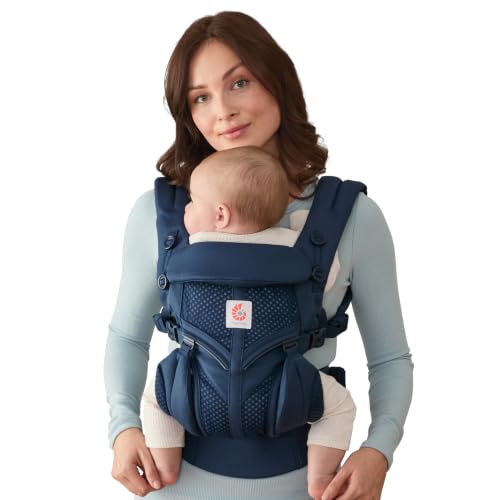
For travel, this carrier stands out because it is light enough to grab for quick outings without feeling like luggage. At just 1.7 lb, it is easier to keep in a day bag or along on a trip than bulkier structured options. In use, the fit stays snug and stable, with reliable buckles that help prevent slipping as you walk through airports or around town. Comfort also holds up well for both parent and baby, helped by supportive straps and solid weight distribution.
The main trade-off is early newborn fit. It can leave an “early newborn gap,” so it may not feel ideal right away for the smallest babies. Families who are past that first phase, or who plan to use it once baby is a bit bigger, are likely to get the most out of its comfortable, secure feel on the go.
#3. Baby K'tan Original Small Baby Carrier

Specifications
| Brand | Baby K'tan |
|---|---|
| Carrier Type | Wrap Carrier |
| Carry Positions | Front Inward, Front Outward, Back Carry, Hip Carry |
| Recommended Age Range | From Birth |
| Max Child Weight | 35 lb |
| Material | Cotton |
Pros
- Light and travel-friendly
- Multiple carry options
- Newborn-ready design
Cons
- Size-dependent security
- Long-wear fatigue potential
Lightweight travel days get easier with the Baby K'tan Original Small, thanks to its wrap-style design that is light in a day bag and fast to set up on the go. It supports Front Inward, Front Outward, Back Carry, and Hip Carry, so you can switch positions when you stop for meals, ride in a car, or walk around a new city. It also works from birth, which makes it a practical choice for parents who want one carrier for early outings without adding a separate newborn solution.
The main trade-off is sizing. Like most wrap carriers, the fit depends on your size and how you wrap, so security can feel inconsistent if you are between sizes or you do not get the wrap snug in the right spots. Some wearers also feel fatigue on longer trips, especially if baby sits for long stretches. This carrier tends to suit families who travel often, practice their wrap a few times at home, and plan for shorter to medium sessions rather than all-day carries.
#4. Infantino Carry On Baby Carrier

Specifications
| Brand | Infantino |
|---|---|
| Carry Positions | Front Inward, Front Outward |
| Max Child Weight | 40 lb |
| Carrier Weight | 1.5 lb |
| Dimensions | 12.5 x 4 x 13 in |
| Care Instructions | Machine Washable |
Pros
- Great features for the price
- Lightweight for travel
- Machine washable
Cons
- Setup confusion
- Hip safety concerns
With a carrier weight of just 1.5 lb and compact dimensions, the Infantino Carry On Baby Carrier fits the travel-bag reality of the Lightweight Travel Baby Carriers category. It is also machine washable, which helps when you are moving between days out, airports, and quick cleanups. Comfort and adjustability score in the mid range, so it can feel good for short to moderate trips, though you may need some time to get the fit just right.
The main trade-off is setup confusion. Some parents will need extra patience to get the carrier positioned correctly before it feels secure. There are also hip safety concerns noted in feedback, so it is best for caregivers who are willing to double-check baby alignment and keep tightening and rechecking as you go.
What to Look For
Comfort for long wear: Prioritize carriers that spread the load across your shoulders and waist so you do not feel concentrated pressure. Look for breathable fabric and easy strap adjustments so you can keep baby high enough without constant readjusting.
Secure fit and safe positioning: Check that the carrier locks in reliably and holds baby in a supported, close-to-your-body seat. Pay attention to hardware stability, how snug the fit feels, and whether the infant position stays consistent when you walk and bend.
Travel weight and packability: In this sub-category, lighter usually means less bulk in carry-on and fewer hassles at security. Choose carriers that put on quickly, fold or compress reasonably for bags, and do not feel cumbersome when you are moving between gates or parking lots.
Build quality that survives frequent use: Travel carriers take repeat setup, heat, and packing pressure. Favor strong seams, durable buckles, and materials that hold their shape after washing or regular use.
Value for the travel setup: Compare price to the full travel experience. A higher price makes sense only if it reduces common travel problems like awkward newborn fit, sweaty wear, or hardware that feels less solid after repeated adjustments.
How We Picked
Products were identified through broad research across review sites and buyer forums, then filtered to only those that qualify as Lightweight Travel Baby Carriers.
Scoring used the same objective pillar framework as the main Travel Baby Carriers post, allowing direct comparison of products within this sub-category.
Frequently Asked Questions
Are lightweight travel baby carriers easy to pack for flights and day trips?
Most lightweight travel carriers pack smaller than bulkier structured models. Look for carriers that fold down or feel thin in a backpack. Quick on and off also matters at airports. If you plan to use it often, try assembling it at home first.
Which carry positions matter most for travel with a lightweight carrier?
For travel, Front Inward and Back Carry help most people. Front Outward can be nice for older babies who want to look around. Hip Carry can work for short breaks and quick errands. Always check the age and weight range for each position.
How should I choose a lightweight carrier for newborns and small babies?
Newborn fit depends on how well the carrier supports the head and keeps the baby in an upright, safe position. Choose models that can tighten enough for a small body. Avoid carriers that let the baby slump forward. Use the fit checks from the manual every time you wear it.
When should I choose a different type of travel baby carrier instead of a lightweight one?
Choose a more supportive option if you will wear your baby for long stretches. If your shoulders or back feel sore quickly, a sturdier carrier may help. Also consider a different type if your baby constantly wants to switch positions. Safety and fit should come first, not just weight.
How do lightweight travel baby carriers compare with other travel carriers for comfort during long walks?
Lightweight models usually feel easier to carry and faster to use. But some can put more pressure on the wearer if straps do not spread weight well. A good lightweight carrier should have supportive shoulder and waist straps. Test it with your full travel outfit and take a short walk before you travel.


