




Breathable Mesh Travel Baby Carriers use mesh or mesh-like airflow panels so heat builds up less while you walk, wait in lines, or ride in the car. In this sub-category, you need more than “airy” fabric. You also need a carry that holds your baby in a healthy position and keeps the weight off your shoulders during longer outings.
The choice gets tricky because breathability often competes with support. Softer mesh panels can feel lighter but may need stronger strap design to stay stable. You also have to match fit fast. If the shoulder and waist straps do not adjust well, the carrier can feel tight, slip, or force your baby into a poor seat height.
After you narrow by carry style and comfort, compare real travel trade-offs like packability, how quickly you can tighten straps, and how well the carrier stays positioned when your baby moves. Looking for all types? See our Best Travel Baby Carriers.
Quick Overview
Our Top Picks
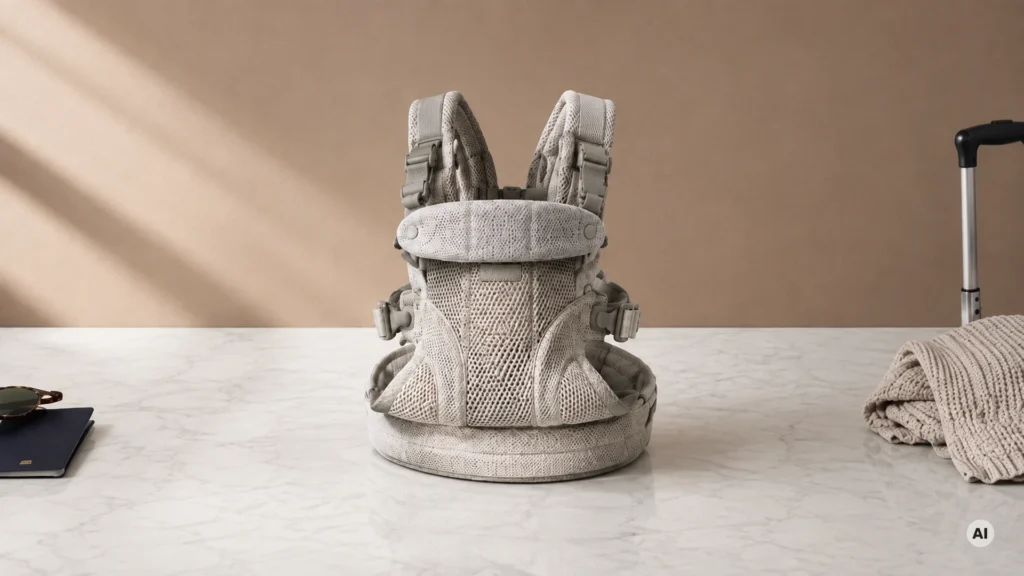
#1. Ergobaby Omni Breeze Baby Carrier

Specifications
| Brand | Ergobaby |
|---|---|
| Carrier Type | Soft-Structured Carrier |
| Carry Positions | Front Inward, Front Outward, Hip Carry, Back Carry |
| Recommended Age Range | 0-48 months |
| Max Child Weight | 45 lb |
| Dimensions | 9 x 14 x 18 in |
| Material | Mesh |
Pros
- Secure, stable infant hold
- Snug, supportive fit
- Breathable travel fabric
Cons
- Mesh feel preference
- Fit adjustment required
In breathable mesh travel baby carriers, the Ergobaby Omni Breeze stands out for how well it keeps the baby and wearer comfortable during real days out. The mesh construction helps reduce that hot, sticky feel that can come with other carriers. At the same time, the carrier holds baby securely with a stable, supportive fit, so you feel less tugging and shifting while you walk through airports, parks, or shopping stops.
The main trade-off is personal preference and fit time. The mesh feel may not be everyone’s favorite, and you will likely need a few adjustments to get the seat and straps positioned just right. This carrier is a strong pick for parents who want dependable support for multiple carry positions and plan to wear their baby often enough to dial in the fit.
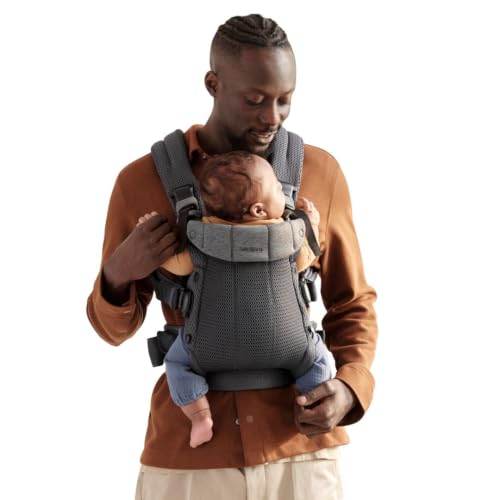
#2. BabyBjörn Harmony Baby Carrier

Specifications
| Brand | BabyBjörn |
|---|---|
| Carrier Type | Soft-Structured Carrier |
| Carry Positions | Front Inward, Front Outward, Back Carry |
| Recommended Age Range | 0-36 months |
| Max Child Weight | 40 lb |
| Material | Mesh |
| Care Instructions | Machine Washable |
Pros
- Reliable support, no slipping
- Even weight, cozy fit
- Sturdy build, smooth adjustments
Cons
- Fit adjustment learning
- Limited knee-pit reach
- Seat depth restriction
In a category where heat and bulk matter on the go, the BabyBjörn Harmony stands out for staying comfortable during travel. The mesh fabric helps with airflow, and the carrier keeps a steady, supportive fit without the baby or wearer feeling like it needs constant re-tightening. In day trips and travel days, it tends to distribute weight evenly, so your shoulders and back do not get as overworked as with less structured options. Build quality also holds up well, with smooth adjustments that make it easier to dial in the fit after a move or a long break.
The main trade-off is how long it can take to learn the right adjustment, especially when you are switching between front carries and getting the seat to sit correctly. You may also notice limits in where the baby’s knees can reach, since the knee-pit reach is not as generous as some other carriers, and the seat depth can feel a bit restrictive for some children. This is a strong match for travelers who want a breathable, structured carrier and do not mind spending a little time getting the fit right early on.
#3. BabyBjörn One Air Baby Carrier

Specifications
| Brand | BabyBjörn |
|---|---|
| Carry Positions | Front Inward, Front Outward, Back Carry |
| Recommended Age Range | 0-36 months |
| Material | Polyester |
| Care Instructions | Machine Washable |
Pros
- Even weight, cozy fit
- Light and travel-friendly
- Sturdy build, smooth adjustments
Cons
- Runs smaller fit
BabyBjorn One Air stands out in breathable mesh-style travel carriers for its consistently comfortable feel during long outings. The carrier spreads weight evenly across the wearer and supports the baby in a cozy, secure seat. That balance matters when you are moving through airports, parking lots, and busy days, where you can not keep adjusting every few minutes.
One trade-off: it runs smaller in fit. If your baby is between sizes or you prefer extra room for layering, check sizing carefully. It is still a strong pick for travelers who want a light, easy-to-use carrier and smooth adjustments without feeling bulky in a day bag.
#4. Tula Explore Baby Carrier

Specifications
| Brand | Tula |
|---|---|
| Carrier Type | Soft-Structured Carrier |
| Carry Positions | Front Inward, Front Outward, Back Carry |
| Recommended Age Range | From Birth |
| Max Child Weight | 45 lb |
| Carrier Weight | 0.5 lb |
| Material | Mesh |
| Care Instructions | Spot Clean Only |
Pros
- Snug, supportive fit
- Reliable buckles, no slipping
- Higher weight limit
Cons
- Hard to clean
- Setup learning curve
- Back strap clipping
In a group of breathable mesh travel carriers, the Tula Explore stands out for staying secure while you are moving. Its snug, supportive fit and reliable buckles help prevent slipping during busy days. Comfort scores are solid for both baby and wearer, helped by the even weight feel and adjustability across front inward, front outward, and back carry positions. It also supports up to 45 lb, so it can grow beyond the early baby stage without switching systems.
The main downside for travel is maintenance and the learning curve. Care is spot clean only, which is inconvenient if you are out for long stretches. Putting it on correctly takes a bit of practice, and some users may find the back strap clipping awkward at first. If you want a breathable mesh carrier for frequent outings and longer-term use, this is a good match, as long as you are willing to spend a little time getting the fit right.
#5. Tula Free-to-Grow Baby Carrier

Specifications
| Brand | Tula |
|---|---|
| Carrier Type | Soft-Structured Carrier |
| Carry Positions | Front Inward, Back Carry |
| Recommended Age Range | From Birth |
| Max Child Weight | 45 lb |
| Carrier Weight | 1.7 lb |
| Dimensions | 5 x 11 x 11 in |
| Material | 100% Cotton |
Pros
- Snug, supportive fit
- Sturdy feel, smooth adjustments
- Lightweight for travel
Cons
- Less practical fabric
- Setup patience required
For trips where heat and long days matter, this Tula stands out less for mesh and more for how well it stays supportive once it is adjusted. The fit feels snug on both baby and wearer, with smooth strap changes and a sturdy, travel-ready feel. At about 1.7 lb, it is light enough to bring along for airports and day outings, and the front inward and back carry options help you switch positions without carrying a second baby setup.
The trade-off is that the cotton build can feel less airy than true breathable-mesh carriers, so you may notice warmth on hot streets. It also takes some patience to get set up right the first few times, so it is best for travelers who are willing to practice at home before relying on it during quick stops.
#6. Tula Toddler Baby Carrier

Specifications
| Brand | Tula |
|---|---|
| Carrier Type | Soft-Structured Carrier |
| Carry Positions | Front Inward, Back Carry |
| Recommended Age Range | 24-72 months |
| Max Child Weight | 60 lb |
| Dimensions | 12 x 22.5 x 17 in |
| Material | Cotton |
Pros
- Snug, supportive fit
- Sturdy feel, smooth adjustments
- Higher weight limit
Cons
- Less practical fabric
This structured carrier stands out for travel comfort mainly because it keeps a snug, supportive fit while you move. With a max child weight of 60 lb and a recommended range of 24-72 months, it suits longer outings once your child has outgrown lighter options. The adjustments feel smooth and the overall build feels sturdy, so it is easier to tighten and re-seat your rider when you are stopping, getting on transit, or walking through airports.
The trade-off is the fabric choice. It is cotton rather than breathable mesh, so it may trap more warmth in hot weather than true mesh travel carriers. If you mostly travel in mild temperatures or prefer the feel of cotton, this is a solid pick. For very warm climates or all-day summer wear, you may want to compare against mesh-first designs.
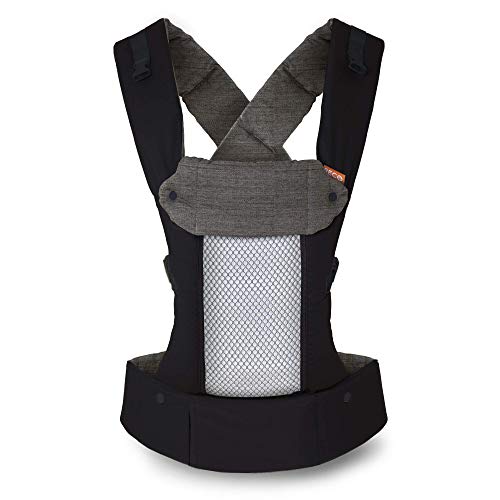
#7. Beco 8 Baby Carrier

Specifications
| Brand | Beco |
|---|---|
| Carrier Type | Wrap Carrier |
| Carry Positions | Front Inward, Front Outward, Hip Carry, Back Carry |
| Recommended Age Range | From Birth |
| Max Child Weight | 45 lb |
| Carrier Weight | 1.2 lb |
| Dimensions | 4.3 x 9.9 x 8.1 in |
| Material | Cotton/Polyester |
Pros
- Even weight, cozy fit
- Sturdy build, smooth adjustments
- High weight capacity
Cons
- Strap tension tight
- Fit setup sensitive
This Beco 8 Baby Carrier stands out in the breathable travel carrier group for its cotton/poly blend and well-balanced carry. Reviews often point to even weight distribution, plus a cozy fit that stays comfortable through errands and longer walks. It supports multiple positions such as front inward, front outward, hip carry, and back carry, which helps when you need to switch up how your baby sits during travel.
The main trade-off is getting the strap tension right. Some parents report the fit setup can be sensitive, and strap tension feels tight at first. It can be a good match for families who want a sturdy, long-wear wrap-style carrier and are willing to take a little time to dial in the adjustments before heading out.
What to Look For
Breathable build without hot spots: Look for mesh panels on the torso and straps that reduce heat where you feel it most, plus padding that does not create thick pressure points. If the carrier bunches under your arms or straps, it will feel hotter during walking.
Secure support and stable baby positioning: Check for strong buckles, well-built seams, and a seat that keeps your baby’s back supported. For travel days, prioritize carriers that keep the fit consistent after you adjust it once, without loosening as you move.
Adjustability that works mid-day: Choose a carrier where you can fine-tune shoulder straps and the waist belt without wrestling with multiple sections. Buyers in this sub-category usually want repeatable settings for different outfits and quick re-tightening when your baby shifts.
Carry positions that match how you travel: If you will walk most of the day, prioritize Front Inward for easy in-and-out during breaks. If your baby is older and you want more visibility, look for Front Outward or Back Carry options, but only if the carrier still keeps the seat height right.
Travel weight and pack footprint: Even breathable carriers can be bulky. Favor models that do not feel heavy in a day bag and do not require complicated folding. If you plan to switch between car and stroller, quick on and off matters as much as airflow.
How We Picked
Products were identified through broad research across review sites and buyer forums, then filtered to only those that qualify as Breathable Mesh Travel Baby Carriers. We focused on carriers with mesh-forward designs that are meant for warmer days and active travel, not just carriers that are “lightweight” in general.
Scoring used the same objective pillar framework as the main Travel Baby Carriers post, allowing direct comparison of products within this sub-category. Comfort, safety, portability, build quality, and value were weighted to reflect what matters most on travel days: stable support with fewer hot, uncomfortable pressure points, plus gear that is easy to use repeatedly.
Frequently Asked Questions
Are breathable mesh travel baby carriers good for hot weather?
Yes, mesh carriers usually help you stay cooler during walks and airport time. The airflow can reduce heat buildup on both baby and the wearer. Still, you should take breaks and watch for sweat-soaked clothing.
What carry positions should I expect from a breathable mesh travel carrier?
Most structured mesh carriers offer front inward and back carry. Some also support front outward or hip carry. Check the size guide and confirm your baby can keep a safe, snug seat before relying on a new position.
How do I get a secure fit without baby slumping during travel?
Start by setting the shoulder straps so the fabric supports your baby up and close. Then adjust the waist band to sit properly on your body, not on your baby. If baby feels heavy on your shoulders or slumps, re-tighten and re-check the seat width.
How should I wash a breathable mesh carrier for travel use?
Many mesh carriers are machine washable, but you should confirm the care label. Use a gentle cycle and let it air dry to protect the mesh and straps. If your carrier is not machine washable, spot clean and wipe after travel days.
When should I choose a different type of travel baby carrier instead of breathable mesh?
Choose a different type if you need newborn wrap-style fit or very small baby support options. You may also prefer a different style if you want quick on off convenience or lighter carry for short errands. If your goal is mainly newborn comfort, focus on the type that best fits birth to early months.
How do breathable mesh travel carriers compare to other travel carriers for portability?
Breathable mesh structured carriers are often easier than wraps, because they use buckles and set-up straps. They still tend to be bulkier than ring slings or wraps. If you pack for plane carry-on days, look for a model that straps down flat or folds into a smaller carry shape.


