




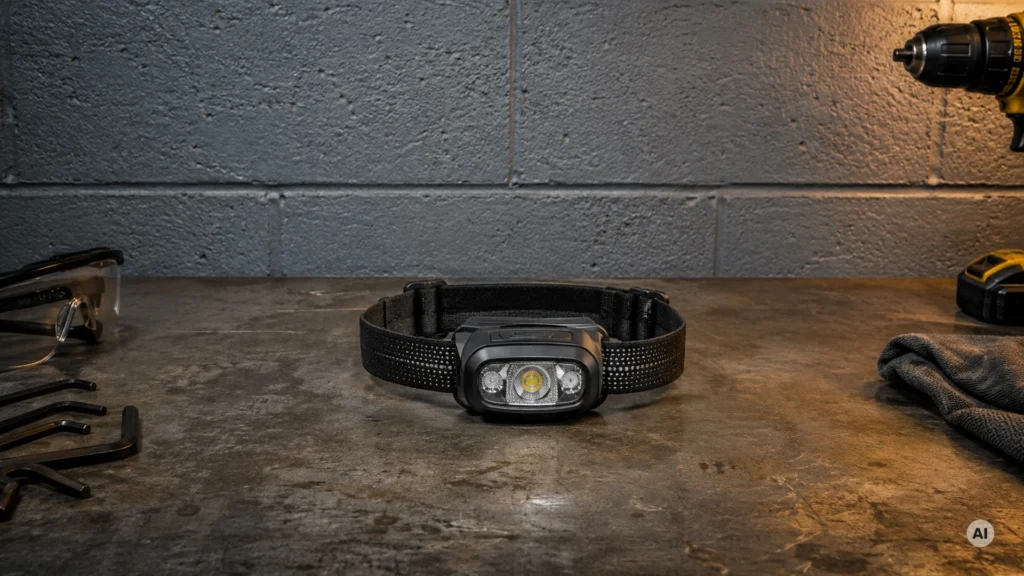
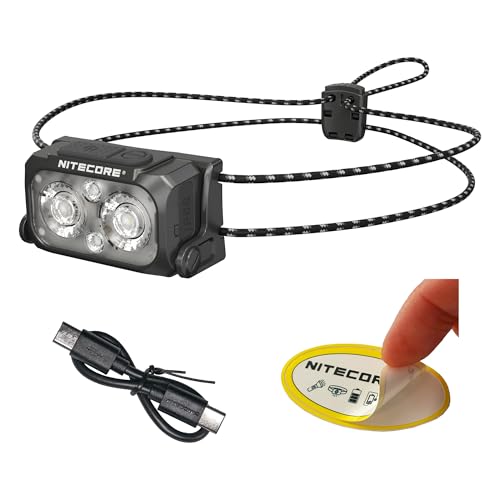
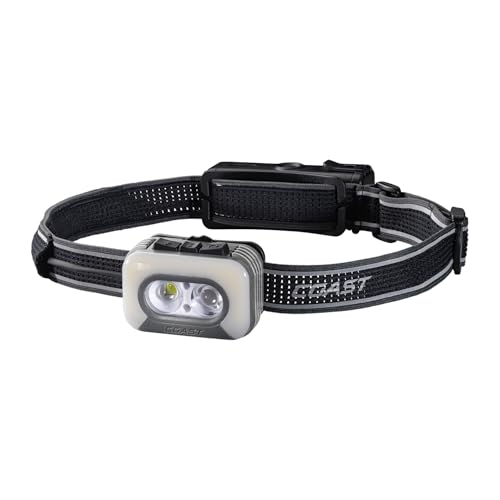
USB-C rechargeable headlamps are powered by a built-in battery that charges through USB-C. For most buyers, the point is simple: plug in at home, at work, or in the field without hunting for special chargers. You also want output that stays useful as the battery drains, not just a short burst of high light.
Picking one is harder than it sounds. You trade beam distance for close-up flood, long runtime for higher brightness, and lighter weight for a sturdier housing. In this sub-category, charging convenience also varies, because some models keep output consistent while others drop off fast after the first hour.
Use the criteria below to compare real-world fit, light patterns, battery behavior, and weather protection. Looking for all types? See our Best Headlamps.
Quick Overview
Our Top Picks
#1. BioLite Range 400 Headlamp

Specifications
| Brand | BioLite |
|---|---|
| Brightness Output | 400 lm |
| Beam Distance | 295.3 ft |
| Runtime | 200 h |
| Battery Type | Li-Ion |
| Charging Port | USB-C |
| Water Resistance Rating | IP67 |
| Weight | 3.4 oz |
Pros
- Balanced, useful beam
- Easy charging, reliable runtime
- Secure fit, minimal bounce
Cons
- Dim for outdoor use
For USB-C rechargeable headlamps, BioLite Range 400 stands out because it stays practical when you actually use it. You get a balanced beam at 400 lm and a listed throw of 295.3 ft, and the USB-C charging makes it easy to top up from the same cables you already carry. In real wear, it feels secure with minimal bounce, and the 3.4 oz build keeps it comfortable for longer sessions.
The main trade-off is that it can feel dim for full outdoor use, especially if you want long-range visibility on dark trails. If you mainly need reliable light for camps, repairs, and nearby paths, this is a strong pick thanks to its easy recharging and consistent runtime behavior.
#2. BioLite Range 500 Headlamp

Specifications
| Brand | BioLite |
|---|---|
| Brightness Output | 500 lm |
| Beam Distance | 328.1 ft |
| Runtime | 200 h |
| Battery Type | Built-In Lithium-Ion |
| Charging Port | USB-C |
| Water Resistance Rating | IP67 |
| Weight | 3.2 oz |
Pros
- Easy charging, reliable runtime
- Sturdy build, sealed well
- Balanced, useful beam
Cons
- Built-in battery non-expandable
The BioLite Range 500 is notable in the USB-C rechargeable headlamps category because it pairs a practical USB-C charge setup with a beam that feels useful for trail and around-camp tasks. You get 500 lm with a stated 328.1 ft beam and a long runtime rating of 200 h, which means fewer charging trips on regular outings. The lamp weighs 3.2 oz and feels well balanced when you move, so it stays comfortable for longer stretches.
The main trade-off is battery flexibility. The built-in Lithium-Ion pack is non-expandable, so if the battery ages over time, you cannot swap in a fresh standard cell. It is also well sealed at IP67, making it a solid choice for wet days and sweaty work, but people who want easy future battery swaps may prefer a model that uses replaceable cells.
#3. BioLite Headlamp 800 Pro Headlamp

Specifications
| Brand | BioLite |
|---|---|
| Brightness Output | 800 lm |
| Runtime | 150 h |
| Light Modes | 8 Modes |
| Battery Type | Built-In Lithium-Ion |
| Charging Port | USB-C |
| Water Resistance Rating | IPX4 |
| Weight | 4.8 oz |
Pros
- Balanced, useful beam
- Easy charging, reliable runtime
- Light, stable all-day wear
Cons
- No clearly stated
This BioLite 800 Pro stands out in USB-C rechargeable headlamps because it pairs easy USB-C charging with all-day comfort. At 4.8 oz, it sits light on your head, and the beam feels balanced for real trail and campsite use. With 800 lm maximum output and 8 modes, you can switch between practical distances for walking, close tasks, and general visibility without fiddling as much.
The main trade-off is that its protection is only IPX4, so it is best for rain-swept hikes and wet work rather than heavy storms. It also relies on a built-in lithium-ion battery, so you cannot swap cells in the field. Still, the long advertised runtime of 150 h and dependable charging make it a strong pick for people who want a USB-C workflow and a stable fit more than a top-end throw.
#4. Fenix HP30R v2.0 Headlamp

Specifications
| Brand | Fenix |
|---|---|
| Brightness Output | 3000 lm |
| Beam Distance | 886 ft |
| Runtime | 120 h |
| Battery Type | 2 x 21700 Li-ion |
| Charging Port | USB-C |
| Water Resistance Rating | IP66 |
Pros
- Balanced, useful beam
- Easy charging, reliable runtime
- Sturdy build, sealed well
Cons
- Limited lighting options
- Battery pack bulk
The Fenix HP30R v2.0 stands out for USB-C friendly power and long runtime in the USB-C rechargeable headlamp space. It tops out at 3000 lm and reaches 886 ft, while running up to 120 h. The USB-C port makes it easy to recharge without hunting for a special cable setup, which matters for regular trail use and work nights.
The main trade-off is its simpler mode set, so you may not have as many lighting options for close-up tasks versus wide trail sight. It also uses a 2 x 21700 battery pack, which can add some bulk on your head compared with more compact designs. If you want sturdy build quality, solid sealing with IP66, and dependable recharge convenience, this is a strong mid-pack choice.
#5. Coast XPH34R Headlamp

Specifications
| Brand | Coast |
|---|---|
| Brightness Output | 2700 lm |
| Beam Distance | 968 ft |
| Runtime | 120 h |
| Battery Type | Built-In Lithium-Ion |
| Charging Port | USB-C |
| Water Resistance Rating | IP54 |
| Weight | 6.4 oz |
Pros
- Very bright headlight
- Long beam distance
- Long high-mode runtime
Cons
- Poor water resistance
- Heavy and bulky
Coast XPH34R is notable in the USB-C rechargeable headlamp space for its strong reach. It is rated at 2700 lm and a 968 ft beam distance, so it works well when you need to see far down a trail or across a work area. The USB-C charging also keeps things simple for day to day use, and the high mode runtime is listed at 120 h, which helps if you forget to recharge often.
The main trade-off is comfort and protection. At 6.4 oz it can feel heavy and bulky for long wear, which may matter on long hikes or tight jobs. It also uses an IP54 rating, so it is fine for wet weather and splashes, but it is not a great pick for heavy rain or rough water exposure. Choose it if long-distance light and long high-mode run time matter more than a lightweight, more weatherproof build.
#6. Petzl Swift RL Headlamp

Specifications
| Brand | Petzl |
|---|---|
| Brightness Output | 1100 lm |
| Beam Distance | 508.2 ft |
| Runtime | 2 h |
| Light Modes | 2 Modes |
| Battery Type | Built-In Lithium-Ion |
| Charging Port | USB-C |
| Weight | 3.5 oz |
Pros
- Very bright headlight
- Long beam distance
- USB-C rechargeable
Cons
- Short runtime on high
- Reactive inconsistency
- Limited mode flexibility
The Petzl Swift RL stands out among USB-C rechargeable headlamps for its strong real-world output. It peaks at 1100 lm and reaches 508.2 ft, so it lights up both the trail ahead and far-off obstacles. The USB-C port also keeps this simple for everyday charging, since you can use the same cables many people already carry.
The main trade-off is how it behaves at the top setting. Runtime is listed at just 2 h on high, and reviewers note reactive output inconsistency, which can make brightness feel less predictable. With only 2 modes, it is best for people who mainly want a bright on-demand setting and a lower option for general use, not for those who care about fine-tuning beam levels for different tasks.
#7. Fenix HM50R v2.0 Headlamp

Specifications
| Brand | Fenix |
|---|---|
| Brightness Output | 700 lm |
| Beam Distance | 377 ft |
| Runtime | 42 h |
| Light Modes | 2 Modes |
| Battery Type | 16340 Li-ion |
| Charging Port | USB-C |
| Water Resistance Rating | IP68 |
| Weight | 2.8 oz |
Pros
- Balanced, useful beam
- Secure fit, minimal bounce
- Sturdy build, sealed well
Cons
- Micro-USB charging complaints
- Limited mode granularity
If you want a USB-C rechargeable headlamp that still feels like a serious outdoors tool, the Fenix HM50R v2.0 fits that gap. It runs on a 16340 Li-ion cell and tops out at 700 lm with a long throw rated to 377 ft. In real use, the beam stays balanced for trail viewing and spotting, not just a tight hotspot. Comfort is also strong, with a secure fit that keeps bounce low during fast walking or uneven ground.
The main catch is the mode setup. With only 2 Modes, you get fewer practical “in-between” options for tasks like camp chores or reading a map. Also, some buyers report issues with Micro-USB charging, even though the listing highlights USB-C. If you prefer simple high or low settings and you do not mind taking care with charging, this is a solid choice in the USB-C rechargeable headlamp group.
#8. Nitecore NU25 MCT UL Headlamp

Specifications
| Brand | Nitecore |
|---|---|
| Brightness Output | 400 lm |
| Beam Distance | 432 ft |
| Runtime | 45 h |
| Light Modes | 6 Modes |
| Battery Type | Built-In Lithium-Ion |
| Charging Port | USB-C |
| Water Resistance Rating | IP66 |
| Weight | 1.7 oz |
Pros
- Balanced, useful beam
- Secure fit, minimal bounce
- Strong specs, fair price
Cons
- Faster mid drain
This Nitecore NU25 MCT UL is a standout choice in the USB-C rechargeable headlamp crowd thanks to its practical, balanced beam and low-bounce fit. With a 400 lm max output and a rated 432 ft beam distance, it suits both trail use and close work without feeling overly spotty. The USB-C port keeps charging simple, and its 1.7 oz weight helps it stay comfortable when you wear it for long stretches.
The main trade-off is battery behavior. Runtime is rated at 45 h, but real-world use can see faster drop-offs around the mid levels, so it may not stay at your preferred brightness for as long as some competitors. If you want a secure, comfortable USB-C headlamp with a beam that feels useful day to day, this one fits well.
#9. Nitecore NU27 Headlamp

Specifications
| Brand | Nitecore |
|---|---|
| Brightness Output | 600 lm |
| Beam Distance | 402.6 ft |
| Runtime | 57 h |
| Light Modes | 6 Modes |
| Battery Type | Built-In Lithium-Ion |
| Charging Port | USB-C |
| Water Resistance Rating | IP66 |
| Weight | 2 oz |
Pros
- Secure fit, minimal bounce
- Easy charging, reliable runtime
- Long beam distance
Cons
- USB charging awkwardness
This Nitecore NU27 stands out in the USB-C rechargeable headlamp crowd for its mix of long throw and steady everyday use. It reaches up to 600 lm and 402.6 ft, which helps when you need to see far down a trail or across a work site. At just 2 oz, it also stays stable on the head, with a secure fit that keeps bounce low when you move.
The main trade-off is charging feel. While it uses USB-C for power, the charging setup can be awkward in practice. It is a good pick if you want strong beam distance, reliable runtime up to 57 h, and a comfortable fit for long wear, and you do not mind dealing with the USB-C charging routine.
#10. Coast RL35R Headlamp

Specifications
| Brand | Coast |
|---|---|
| Brightness Output | 1100 lm |
| Beam Distance | 613 ft |
| Runtime | 14 h |
| Light Modes | 4 Modes |
| Battery Type | Built-In Lithium-Ion |
| Charging Port | USB-C |
| Weight | 8 oz |
Pros
- Easy charging, reliable runtime
- Strong specs, fair price
- Very bright headlight
Cons
- Heavy and bulky
- Limited mode tiering
- Battery-compartment anxiety
Coast RL35R is a strong pick for USB-C rechargeable headlamp shoppers because it pairs simple USB-C charging with very usable real-world light. You get up to 1100 lm and a long stated throw (613 ft), and the advertised runtime reaches 14 h, which helps on long evenings and work sessions. In practice, the light output feels bright enough for both trails and around-the-house tasks, without needing constant babysitting of the charge.
The main trade-off is comfort and fit. At 8 oz, the lamp feels heavy and bulky compared to lighter USB-C models, and some users may feel it during longer wear. The light also has only 4 modes, so you will not get fine-tuned spacing for close work versus fast trail visibility, and the built-in battery design can create anxiety if you prefer a quick swap.
What to Look For
Beam distance that matches your use: Check the maximum beam distance, then make sure the beam reach feels useful for where you walk. Trail use needs meaningful throw, while camp chores need a wider, more even spread. If the beam distance is high but the pattern is narrow, you will still strain your eyes when obstacles are close.
Practical modes, not mode bloat: Count the number of light modes, then look for spacing that makes sense. You should get a low mode for reading and close tasks, a medium mode for moving at normal pace, and a high mode for quick scans. Too many similar modes usually just adds friction.
Advertised runtime at usable brightness: Compare runtime hours at the highest or standard mode listed. Then think about how you will actually use the lamp. If runtime collapses quickly on medium or high, you will end up living on the lowest mode.
USB-C charging port and charging experience: Confirm the charging interface is USB-C. USB-C matters because it lets you use your existing cables and power banks. Also check whether the lamp supports a smooth, predictable charging cycle instead of needing a special dock.
Comfort and weight for long wear: Track the listed weight and look for a stable fit that does not bounce. Lighter models help, but balance matters more than total grams. If the front feels top heavy, you will notice it during faster walking or climbing.
How We Picked
Products were gathered through broad research across review sites and buyer forums. Then they were filtered to only include models that qualify as USB-C rechargeable headlamps, meaning built-in batteries that charge via USB-C rather than disposable cells or non-USB charging.
Each candidate received scores using the same objective pillar framework used for the main headlamp buying post: Performance, Battery, Comfort, Durability, and Value. That kept the comparison consistent across this sub-category, so you can pick by trade-offs instead of by marketing claims.
Frequently Asked Questions
How do USB-C rechargeable headlamps usually get power, and what should I check first?
Most use a built-in rechargeable battery charged through a USB-C port. Check the listed runtime on high mode, not just max brightness. Also confirm whether the light offers a low or medium mode for long sessions. A good option keeps output steady as the battery drains.
What is the best way to charge a USB-C rechargeable headlamp without ruining the battery?
Charge it with the included cable or a quality USB-C cable. Avoid charging in extreme heat or direct sun. If the light will sit unused, store it with some charge, not fully empty. Recharging every few months helps keep the battery healthy.
Do USB-C rechargeable headlamps handle wet weather, and what maintenance helps most?
Look for a real water rating like IPX4 or IPX6, not just a casual “water resistant” claim. After use in rain or sweat, wipe the headlamp and dry it before storing. Avoid opening battery doors in wet conditions. If the lens gets dirty, clean it gently so the beam stays clear.
When should I choose a different type of headlamp instead of a USB-C rechargeable one?
Choose a different type if you need guaranteed long runtimes for days on end. Replaceable battery headlamps can be faster to recover during long trips. You may also prefer them for emergencies when you cannot recharge. USB-C is great for most daily and weekend use, especially when you can charge each night.
How do USB-C rechargeable headlamps compare to headlamps that use disposable batteries?
USB-C models focus on convenience since you charge at home, in a car, or with a power bank. Disposable battery lights can offer simpler on-the-go backup with spare cells. Rechargeable lights often weigh less and reduce battery costs. Disposable battery headlamps can keep going longer without charging if you carry replacements.


