Shopping for snow goggles can feel overwhelming—so many lens types, framestyles, and brand claims. We get that. That’s why we’ve made it our mission to cut through the noise and help you make the best purchase possible. Over the past seasons our team has analyzed thousands of customer reviews, cross-checked common complaints and praises, and compared each goggle’s features side-by-side with competing models. We don’t rely on marketing copy alone: we look for consistent real-world performance in areas that matter most—clarity, anti-fogging, ventilation, comfort with helmets, lens interchangeability, and value for the money. That thorough approach is how we ensure the options we recommend are genuinely high quality, not just hyped.
In this guide you’ll find a curated selection of snow goggless that perform well in different conditions and budgets, from bright powder days to low-light, flat-visibility situations. For every pick we explain why it stood out, who it’s best for, and any trade-offs to keep in mind. We also highlight practical buying tips so you can match features to your riding style and local climate. Our aim is simple: give you clear, honest information so you can choose with confidence and spend less time researching and more time enjoying the mountain. Keep reading and you’ll find options that have earned their place through solid user feedback and careful comparison, not just clever advertising.
Quick Overview
Top Picks
Best Overall
Specifications
| Brand | Smith |
|---|---|
| Lens Category | ChromaPop |
| Frame Material | Thermoplastic Polyurethane (TPU) |
| UV Protection | UV400 |
| Dimensions | 8 x 4 x 4 in |
| Weight | 13.4 oz |
Pros
Cons
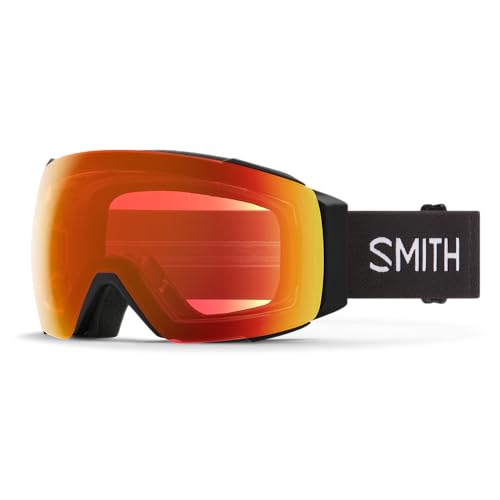
Smith’s I/O MAG earns Best Overall largely because of its effortless lens-swapping system and the brand’s long-standing mountain pedigree. The MAG magnetic lens-change is genuinely fast and intuitive, and coming with an extra low-light lens means you’re ready for changing conditions without fumbling on the hill. As a flagship from a company that’s built performance eyewear since 1965, it also benefits from thought-through ergonomics and optics that riders rely on season after season.
That said, some of the copy you might see alongside this goggle comes from Smith’s helmet line, so features like Mips or BOA fit aren’t goggle-specific. In the context of goggles, the I/O MAG’s strengths are its convenience, versatility, and the reassurance of a respected brand—attributes that put it a step above many competitors whose lens-change systems or included accessories feel more average. Overall, it’s a dependable, user-friendly pick for all-day riding.
Best Field of View
Specifications
| Brand | Smith |
|---|---|
| Lens Category | ChromaPop |
| Frame Material | Thermoplastic Polyurethane (TPU) |
| UV Protection | UV400 |
| Dimensions | 5.5 x 8.5 x 5 in |
| Weight | 8 oz |
Pros
Cons
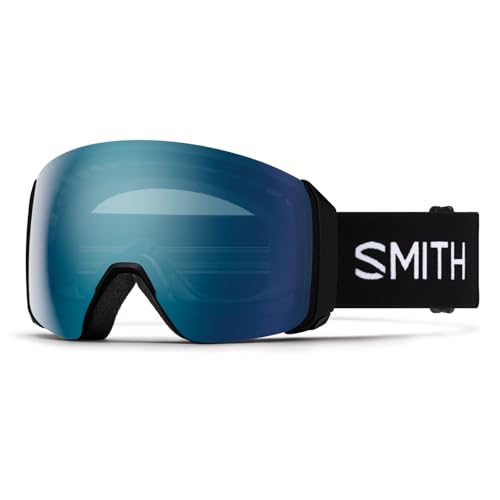
If maximizing peripheral vision is your priority, the Smith 4D MAG XL is hard to beat. Its BirdsEye Vision expands your field of view by about 25%, and the frame is shaped to deliver the widest sightlines Smith offers—so you pick up terrain and other riders sooner. Optical clarity is strong too: ChromaPop boosts contrast and color definition, and the smudge- and moisture-resistant coatings make it easy to keep the lenses clear on the hill.
You also get practical, user-friendly features that support that expansive view. The MAG lens-change system is quick and confidence-inspiring, and the extra low-light lens plus OTG compatibility mean the goggle works for a lot of conditions and users. Integration with Smith helmets, the QuickFit strap and silicone backing give a secure, comfortable fit. Venting and anti-fog claims are solid, though not revolutionary for this class—overall, this model earns its Best Field of View ranking through a genuinely broader, sharper look at the mountain.
Best Optical Clarity
Specifications
| Brand | Oakley |
|---|---|
| Lens Category | Prizm |
| Frame Material | O-Matter |
| UV Protection | UV400 |
| Dimensions | 9 x 5 x 6 in |
| Weight | 5.6 oz |
Pros
Cons
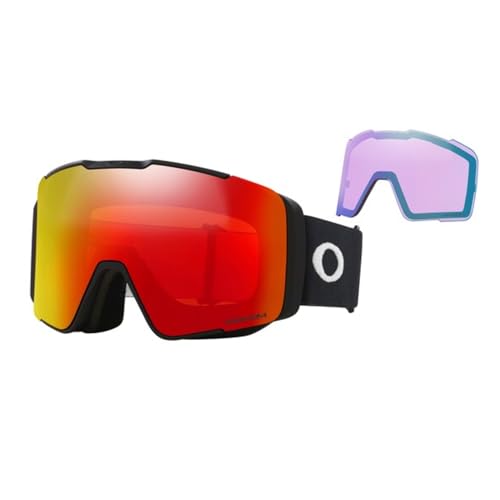
If you prioritize seeing everything on the mountain, the Oakley Line Miner Pro L delivers the kind of optical clarity that makes a real difference. The new single-layer lens reduces distortion, refraction, and reflection, and Oakley says the field of view is about 20% larger than the original Line Miner—on-snow that translates to fewer surprises and a more confident line choice. The included Prizm Torch Iridium lenses sharpen contrast in both sunny and overcast conditions, helping you pick out texture and contour in the snow faster.
Practical extras like the quick-change second lens, full UV protection with natural color fidelity, and a handy care kit (microfiber bag with leash, cleaning spray and screwdriver) round out the package. The non-polarized lenses are great for true color and depth perception, though riders who want maximum glare cut may prefer polarized options. Overall, for pure visual precision and wide, distortion-free sightlines, these goggles are hard to top.
Best Face Mask System
Specifications
| Brand | Anon |
|---|---|
| Lens Category | Perceive |
| Frame Material | Thermoplastic Polyurethane (TPU) |
| UV Protection | UV400 |
| Dimensions | 10 x 7 x 4 in |
| Weight | 1.2 lb |
Pros
Cons
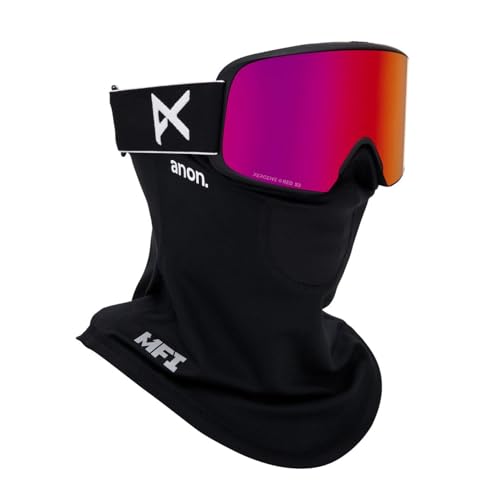
What stands out about the Anon M6 is how thoughtfully the pieces work together: the Magna-Tech magnets make swapping lenses almost effortless and feel secure on the hill, and the Magnetic Face Mask Integration truly lives up to its name — the mask snaps on cleanly without blocking the venting so you don’t trade breathability for a sealed fit. The Perceive lens gives noticeably crisp, contrast-rich vision and the company’s anti-fog treatment combined with full-perimeter vents and moisture-wicking, ramped face foam does a reliable job keeping your view clear in changing conditions.
On the more ordinary side, the M6 follows a tried-and-true cylindrical, low-profile shape and a unisex medium/large fit that most riders will appreciate, though folks with smaller faces might want to try them on. Accessories are a nice touch: a bonus Perceive lens, MFI mask, and storage case mean you’re ready for varied light and weather right out of the box. Overall, it’s a practical, high-performance option for mask-forward riders.
Best for Glasses Wearers

Specifications
| Brand | Dragon |
|---|---|
| Lens Category | LumaLens |
| Frame Material | Thermoplastic Polyurethane (TPU) |
| UV Protection | UV400 |
| Dimensions | 4.6 x 8 x 7.8 in |
| Weight | 8 lb |
Pros
Cons
If you wear glasses, the Dragon NFX Mag OTG is honestly a strong pick. The OTG-friendly shape plus Dragon’s patented frameless design gives extra internal space so your specs sit comfortably without pinching. Triple-layer face foam with a hypoallergenic microfleece lining adds a soft, gap-sealing cushion that helps accommodate arms from most eyeglass frames, and the armored venting keeps airflow high to reduce fogging around those extra lenses.
The magnetic Swiftlock 2.0 system with a one-sided release makes swapping lenses quick and confidence-inspiring, and Lumalens color optimization combined with a Super Anti Fog coating delivers clear, contrasty vision on sunny days (the primary 23% VLT lens is made for bright light). Silicone strap backing and helmet compatibility are useful and fairly standard, and Dragon includes a Violet low-light replacement lens so you’re covered when clouds move in. Overall, it’s a thoughtful, glasses-friendly goggle that balances comfort and easy usability.
Best Lens Durability

Specifications
| Brand | POC |
|---|---|
| Lens Category | Clarity WF |
| Frame Material | Plastic |
| UV Protection | UV400 |
| Weight | 0.9 lb |
Pros
Cons
What sets the POC Nexal Clarity WF apart in a durability-focused lineup is its thoughtful combination of robust materials and serviceable design. The polycarbonate Clarity WF lens is inherently tough, and factory-applied anti-scratch, anti-fog, and oil-repellent coatings help it stay clear through the usual bumps, wipe-downs, and face-plant moments. The quick-change, replaceable lens system is a big plus for longevity — instead of tossing the whole goggle when a lens gets nicked, you swap it out in seconds. The lightweight, durable plastic frame and wide elastic strap also contribute: they hold the lens securely without adding fragile complexity, and a stable fit reduces accidental impacts that shorten a goggle’s life.
On the flip side, ventilation and foam comfort are solid but not groundbreaking compared with specialty vented models, and tint options are tied to the size chart rather than an exhaustive palette. Overall, for sustained on-mountain clarity and low-maintenance life, the Nexal Clarity WF is a very strong pick.
Best High-Contrast Optics
Specifications
| Brand | Anon |
|---|---|
| Lens Category | Perceive |
| Frame Material | Thermoplastic Polyurethane (TPU) |
| UV Protection | UV400 |
| Dimensions | 3 x 8 x 6 in |
| Weight | 0.2 lb |
Pros
Cons
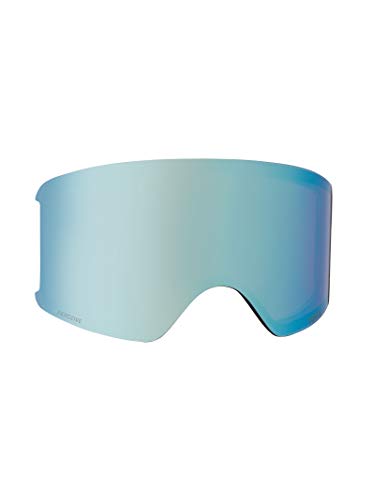
Anon’s PERCEIVE lens for the WM3 delivers what you want from a high-contrast optic: terrain-defining clarity and punchy contrast that makes bumps, shadows and icy patches easier to read in mixed light. The multi-layer coatings are useful, shrugging off smudges, repelling moisture and standing up to light scuffs, and Integral Clarity Technology does a strong job keeping fog at bay during exertion. The cylindrical injected design reduces peripheral distortion, giving a stable view without odd bending at the edges, and the lens meets full UV protection and satisfies ANSI Z87.1 impact standards, so safety is not an afterthought.
A couple of realistic notes: these lenses are made specifically for the Anon WM3 frame, so compatibility is limited, and cylindrical optics trade a bit of wrap compared with higher-end toric shapes. The included compression case is functional. All told, a solid choice if high-contrast definition is your priority.
What To Look For
Choosing the right snow goggles means balancing clarity, comfort and protection so you can stay focused on the slope without distractions. Keep a few practical priorities in mind to match goggles to your face, conditions and activity level.
- Fit and Comfort: A snug but pressure-free fit around the nose and brow prevents leaks and headaches; check foam quality, face shape compatibility and how they feel with your helmet.
- Lens Type and Tint: Different tints suit varying light conditions—darker for bright sun, amber or rose for flat light; choose lenses that enhance contrast where you ride most.
- Interchangeable Lenses: Quick-change systems let you swap tints as weather shifts, extending goggle usefulness across seasons and making them more versatile on multi-day trips.
- Anti-Fog and Ventilation: Effective dual-pane lenses, good ventilation channels and anti-fog coatings reduce condensation so you maintain clear vision during high-exertion runs.
- UV Protection and Polarization: Full UV protection is essential to prevent eye damage at altitude; polarization reduces glare from hard-packed snow but can affect LCD visibility.
- Peripheral Vision and Frame Size: A low-profile or rimless design improves side vision for safer awareness on busy slopes; match frame size to your face to avoid blind spots.
- Helmet Compatibility: Look for goggles that sit flush with your helmet and have strap features or clips that secure them during falls and fast runs.
- Durability and Scratch Resistance: Hard-coated lenses and robust frames withstand bumps and repeated lens swaps; consider replaceable lenses to extend the goggle lifespan.
- Strap and Retention System: A wide, silicone-backed strap keeps goggles stable during activity and helps prevent slipping with frequent head movement or helmet use.
- Price and Value: Balance budget with features you actually need—spend on optical quality and fit first, then consider added tech like magnetic lens systems if useful.
Prioritize fit, optical performance and anti-fog properties first, then match lens options, helmet compatibility and durability to your riding style and budget.
How We Select Our Products
Picking the handful of snow goggles you see featured in this post wasn’t a quick checkbox exercise — it was a multi-step process built around real-world usefulness and honest user experience. First, we cast a wide net: hundreds of customer ratings and reviews from major retailers, specialty shops, skiing forums and social channels were collected and read. We looked for patterns — when dozens of independent buyers mention the same perk or problem (great anti-fog performance, strap wear after a season, poor peripheral vision), that trend carries real weight in our decisions.
Next came a feature-by-feature comparison. We compared lens types (spherical vs. cylindrical), tint options and interchangeable systems, anti-fog coatings and ventilation design, fit and seal for different face shapes and for glasses wearers, helmet compatibility, and durability of frame and strap materials. Safety and performance standards were checked too — UV protection, impact resistance and any relevant certifications. Where manufacturers provided lab data or third-party test results, we included that information to corroborate claims.
Value for money was judged not just by price but by how long a goggle is likely to perform well and how many features it packs for that cost. We weighted the criteria using a balanced scoring system so no single factor (branding, price, or a single rave review) could dominate. We also flagged recurring negatives and made sure each pick was solid for specific use cases — resort skiing, backcountry, or casual winter sports.
Throughout the process our goal was simple: give you recommendations you can trust. The list reflects careful reading, comparative analysis and a focus on real user outcomes, so you can pick goggles that will actually improve your time on the snow.
Final Thoughts
Choosing the right snow goggles can feel like a small detail, but it actually makes a huge difference in comfort, safety, and how much fun you have on the mountain. The best pair for you will match your specific needs: the light conditions you most often ride in, whether you wear a helmet or prescription glasses, how much fogging you can tolerate, and the kind of terrain you prefer. A goggle with the right lens tint or photochromic technology boosts contrast in flat light, while polarized lenses cut glare on bright, reflective days—both of which reduce eye strain and help you spot hazards sooner.
Fit and comfort are just as important as optics. A frame that seals well without pinching, foam that breathes, and strap compatibility with your helmet keep you focused on technique instead of fidgeting. Venting, anti-fog coatings, and double-pane lenses mean fewer interruptions to wipe and clear, which is especially valuable on long days or in wet weather. For riders who switch conditions often, goggles with interchangeable lenses or a generous field of view deliver versatility and better peripheral awareness—useful for following trails, reading the slope, or keeping tabs on friends.
Finally, think about longevity and value. A durable lens, easy-care bag, and availability of replacement parts save money over seasons. Trying goggles on with your helmet, checking return policies, and prioritizing the features that matter most to your riding style will get you the best match. In short: pick goggles that solve your specific problems—visibility, comfort, and compatibility—and you’ll ski or ride with more confidence and enjoyment.