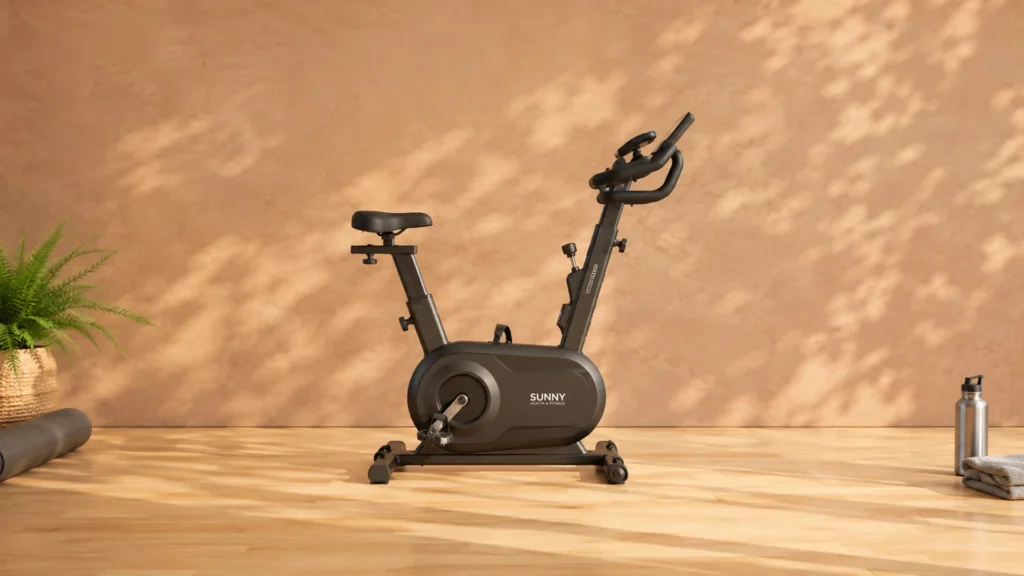
The 3 Best Magnetic Resistance Exercise Bikes in 2026
June 9, 2026-By The Top Zone
Transparency Note: This post contains affiliate links. As an Amazon Associate, we earn from qualifying purchases at no extra cost to you.
Magnetic resistance exercise bikes use magnets to create resistance without physical contact. For this sub-category, you should care most about how steady the resistance feels as you pedal faster and slower. You also need clear, repeatable resistance changes so your warm up, intervals, and cooldown match what you expect.
Picking one is hard because the best ride quality often costs more. Higher-end models usually deliver a more accurate resistance curve, less drivetrain noise, and a sturdier frame. The trade-off is often comfort and stability versus price, especially if you need a higher weight capacity or longer sessions.
When you compare options, focus on the parts that affect your legs and your home setup. If you want the full range of bike types beyond magnetic models, see our Best Exercise Bikes.
The JOROTO M1 stands out in the magnetic resistance exercise bike crowd thanks to its consistent, responsive resistance feel paired with a belt drive. Magnetic braking keeps the ride smooth as you change effort, and the belt transmission adds a low-maintenance, quieter spin than many chain-driven bikes. For most workouts, that combination makes it easier to hold steady cadence without the resistance jumping around.
The trade-off shows up in the console experience rather than the pedaling. Calorie estimates can be unrealistic, and the stopwatch can glitch, so the numbers may not be reliable for tracking progress. This bike fits best if you care more about stable magnetic resistance and a smooth ride than you do about perfect workout stats.
For magnetic resistance exercise bikes, this YOSUDA model stands out for its smooth, consistent feel. The magnetic system creates steady drag as you increase effort, and the 25 lb flywheel helps keep the ride stable. Add the belt drive, and you get a quieter, less clunky motion compared with many friction-style setups, which makes it easier to ride for longer stretches.
The main trade-off is durability and suitability for heavier users. The bike is rated up to 300 lb, which may be tight for some bigger riders, and some users report weak pedal durability. Pedal ergonomics can also be hit or miss, so if you plan to do frequent long sessions, it is worth checking fit before committing.
#3. MARCY Foldable Magnetic Resistance Exercise Bike
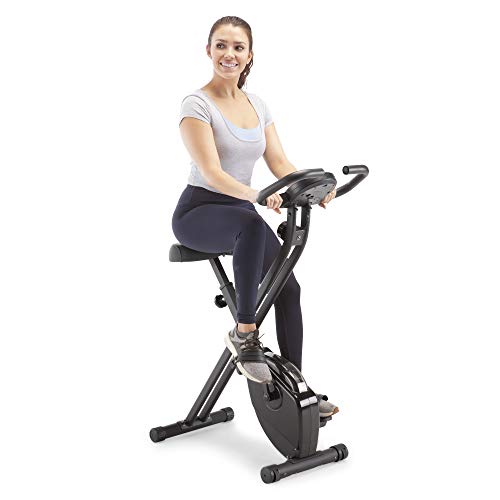
This upright MARCY bike stands out for its smooth magnetic resistance feel. The 8 levels make it easy to dial in effort for steady cardio, and the ride stays controlled without the jerky changes some magnetic bikes can have. At about 38 lb and designed to fold, it also fits better in homes where storage space matters.
The main trade-off is precision. With only 8 resistance steps, you may find it harder to fine tune training when you want very gradual progression. Comfort is decent for shorter to moderate sessions, but the seat and handlebar setup may not suit every body type. Also, the display has been a weak point, so buyers who train by tracking stats should plan for possible reliability issues.
What to Look For
Smooth resistance control: Magnetic systems should change resistance in predictable steps. Pick a bike with enough resistance levels to cover easy recovery days and harder efforts. Also listen for a steady feel when you change settings mid-ride.
Resistance range and step accuracy: A low number of levels can feel too jumpy for training. Aim for a meaningful range and resistance steps that do not feel compressed. This matters most if you plan to do intervals or gradually ramp resistance.
Flywheel feel and drivetrain noise: Even with magnetic resistance, the bike still needs a stable crank and smooth drive. Choose models that feel consistent at higher intensity and do not squeak or rattle. Low noise matters if you exercise while others are sleeping or working nearby.
Frame stability and build durability: Look for a rigid frame that stays planted when you stand slightly or pedal harder. Confirm the listed user weight capacity and avoid bikes that feel light or flex under load. A solid crank and pedals reduce wobble over time.
Comfort that matches your body and routine: Adjustable seat height and handlebar position are not optional. Test reach and leg extension so you can pedal without rocking your hips. If you plan longer rides, prioritize a seat that stays comfortable and a position that does not strain your back or wrists.
How We Picked
Products were identified through broad research across review sites and buyer forums, then filtered to only those that qualify as Magnetic Resistance Exercise Bikes. Each candidate needed magnetic resistance as its core system, plus a ride feel tied to resistance changes you can actually control.
Scoring used the same objective pillar framework as the main Exercise Bikes post, allowing direct comparison of products within this sub-category. Performance, build quality, comfort, features, and value were weighted to reflect what magnetic buyers notice first during real rides: smooth resistance, stable feel, and a bike that does not get annoying after a few weeks.
Frequently Asked Questions
Are magnetic resistance exercise bikes usually smoother than friction bikes?
Yes, magnetic systems typically feel smoother. The bike uses magnets to create resistance with less contact. That helps reduce noise and helps resistance feel more consistent while you pedal.
How do I choose the right number of resistance levels?
Choose more levels if you want finer control for warmups and recovery. Many magnetic bikes use 16 levels or more. If you plan mostly steady cardio, fewer levels can still work well.
What maintenance do magnetic resistance bikes need?
Keep the bike clean and wipe down sweat after workouts. Check the pedals and handlebar bolts every month. Also inspect the belt and drive area for unusual noise or looseness.
When should I choose a different exercise bike type instead of a magnetic resistance bike?
Pick a different type if you need more “fan-like” high intensity feel. Air bikes work well for harder intervals and feel very dynamic. Upright or recumbent styles can also matter more than resistance type for comfort.
How do magnetic resistance exercise bikes compare to other exercise bikes for noise?
Magnetic bikes are usually quieter than friction bikes. They create resistance with magnets, so there is less rubbing. They are often a good choice for apartments or shared spaces.