Choosing the right chainsaw can feel like trying to pick a needle from a haystack—there are dozens of models, motors, and features, and every manufacturer promises the “best” tool. We get it. That’s why we take the guesswork out of the process. Our team is dedicated to helping you make a confident purchase by digging deeper than glossy specs and marketing claims.
To find the real winners, we analyzed thousands of customer reviews across retailers and forums, looking for patterns in reliability, power delivery, and long-term satisfaction. We also compared each model’s features side-by-side—things like bar length, chain quality, anti-vibration systems, and safety features—against similar products to see which ones truly stand out. Beyond the numbers, we consulted user reports and expert opinions to understand how each saw performs in real-world conditions, from trimming small branches to tackling heavy-duty cutting.
We aim to recommend chainsaws that deliver on value, durability, and safety, whether you need a lightweight electric model for occasional yard work or a rugged gas-powered saw for professional use. Throughout this guide you’ll find clear, honest recommendations tailored to different budgets and experience levels, plus what to expect in terms of maintenance and safety. Our goal is simple: help you spend your money wisely so you end up with a tool that’s reliable, effective, and a pleasure to use.
Overview
Our Top Picks
Best Overall
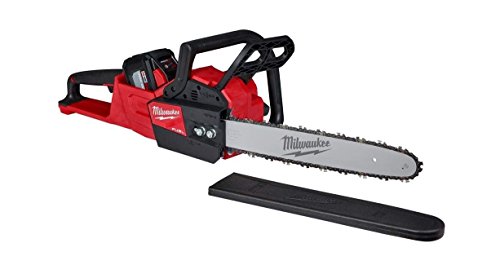
Overall Rating | |
Brand | Milwaukee |
Guide Bar | 16-inch |
Fuel Type | Battery (M18) |
Dimensions | 10 x 35 x 11.5 in |
Weight | 13.9 lb |
Best for Arborists

Overall Rating | |
Brand | Echo |
Guide Bar | 12-inch |
Fuel Type | Battery (56V) |
Dimensions | 11.8 x 5.1 x 16.5 in |
Weight | 7.3 lb |
Best for Firewood Cutting

Overall Rating | |
Brand | Husqvarna |
Guide Bar | 20-inch |
Fuel Type | Gasoline |
Dimensions | 16 x 8.9 x 11.5 in |
Weight | 11.3 lb |
Best Battery Performance

Overall Rating | |
Brand | Greenworks |
Guide Bar | 18-inch |
Fuel Type | Battery (80V) |
Dimensions | 32.4 x 9.7 x 7.6 in |
Weight | 11 lb |
Best Cutting Power

Overall Rating | |
Brand | Husqvarna |
Guide Bar | 18-inch |
Fuel Type | Battery (40V) |
Dimensions | 18.9 x 8.8 x 9.4 in |
Weight | 14.5 lb |
Best Electric Corded
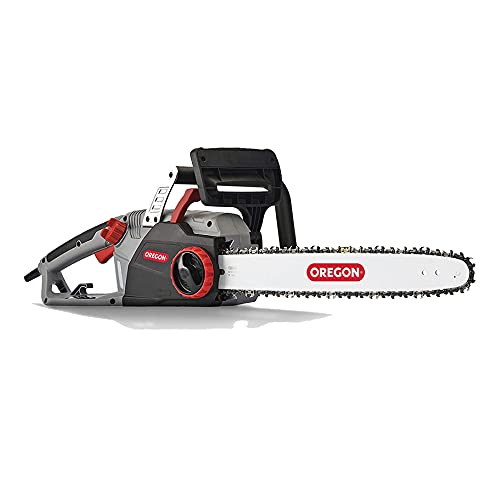
Overall Rating | |
Brand | Oregon |
Guide Bar | 18-inch |
Fuel Type | Electric (corded) |
Dimensions | 10.5 x 18 x 37.5 in |
Weight | 12.6 lb |
Best Mini Cordless

Overall Rating | |
Brand | SeeSii |
Guide Bar | 6-inch |
Fuel Type | Battery (21V) |
Dimensions | 6 x 15 x 4 in |
Weight | 3.7 lb |
Best Budget Gas
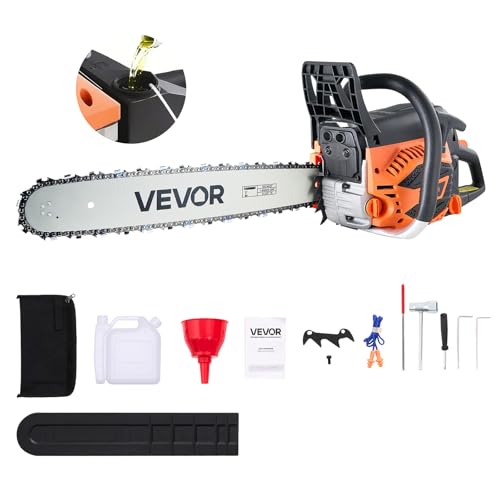
Overall Rating | |
Brand | VEVOR |
Guide Bar | 20-inch |
Fuel Type | Gasoline |
Dimensions | 20.5 x 10.2 x 12.2 in |
Weight | 16.1 lb |
What To Look For
Picking the right chainsaw is about matching its power, size and safety to the jobs you actually do; considering a few practical features will save time and avoid surprises. Focus on performance, control and ease of upkeep when comparing models.
- Power source: Gas, corded electric or battery options each have trade-offs—gas for heavy, remote work; corded for continuous power; battery for quiet, low-maintenance convenience.
- Engine power or battery specs: For gas saws check engine displacement (cc) and for cordless models consider voltage and amp-hours because higher figures translate to more cutting force and longer run times.
- Bar length: Bar length determines the maximum log diameter you can cut efficiently; longer bars handle bigger timber but require more power and add weight.
- Chain pitch and type: Chain pitch, gauge and cutter style affect cutting speed, smoothness and compatibility with the bar, so match replacements to the saw for best performance.
- Safety features: An effective chain brake, low-kickback chain options, a responsive handguard and throttle interlock significantly reduce the risk of accidents during use.
- Ergonomics and anti-vibration: Comfortable grips, good balance and vibration-dampening systems reduce fatigue and improve control during prolonged tasks, especially when working at odd angles.
- Starting system and maintenance ease: Easy-start technology, tool-less chain tensioning, accessible air filters and an automatic oiler make daily use simpler and cut downtime for upkeep.
- Weight and portability: Lightweight saws are easier to handle for pruning and limbing while heavier models deliver stability and power for felling larger trees, so weigh maneuverability against capability.
- Noise, emissions and environmental impact: Electric and modern low-emission two-stroke engines are quieter and cleaner than older gas models, which matters for residential use and local regulations.
- Warranty, parts and service access: A solid warranty, readily available replacement chains and bars and local service support protect your investment and keep the saw in working order.
Choose the combination of these features that best matches the size of your jobs, your comfort and your willingness to maintain the tool.
How We Select Our Products
When we set out to pick the top chainsaws for this post, we treated it like a small investigation — deliberate, repeatable, and honest. First, we cast a wide net: dozens of models across gas, battery, and corded categories were considered so that recommendations suit homeowners, weekend landscapers, and pros alike. We started with quantitative signals — aggregated customer ratings from multiple retailers and marketplaces — to identify consistently well-regarded models. But numbers alone don’t tell the whole story.Next came qualitative review analysis. We read hundreds of individual reviews, looking for common praise and recurring complaints (for example: starts easily, chain tensioning holds, or conversely, frequent carburetor trouble). That helped us separate one-off issues from real trends. We also compared core features side-by-side: motor power, bar length, chain speed, chain brake, anti-vibration systems, weight, and ease of maintenance. Safety and ergonomics were prioritized — a great saw is powerful but controllable and safe to operate.
Value-for-money was judged not just by price but by durability, warranty support, availability of replacement parts, and expected lifespan. Where possible, we performed or referenced hands-on tests — cutting real logs, timing chainsaw tasks, and evaluating handling — and cross-checked manufacturers’ claims against user experiences. Brand reputation, repairability, and noise/emissions (for gas models) were additional tie-breakers.
Throughout the process we aimed to eliminate bias: sponsored products were evaluated under the same criteria, and our selections are updated periodically as new data appears. The result is a curated list grounded in data, lived experience, and a real desire to help you choose a chainsaw you can trust.
Final Thoughts
Picking the right chainsaw does more than make a chore possible — it shapes how quickly, safely, and comfortably you get the job done. The biggest benefit is matched performance: a lightweight, low-powered model is perfect for trimming and limbing, while a more powerful gas or high-capacity battery saw tackles felling and heavy firewood work without bogging down. Choosing the appropriate bar length and engine type prevents wasted effort, reduces wear, and speeds up projects, so you spend less time fighting the tool and more time finishing the job.Safety and comfort are other major upsides. Modern chainsaws come with features like chain brakes, anti-vibration systems, throttle locks, and low-kickback chains that dramatically lower the risk of accidents and reduce fatigue. An ergonomically balanced saw with good handles and vibration control means longer work sessions with fewer aches — especially important if you use the saw regularly. Ease of maintenance matters, too: models with tool-free chain tensioning, accessible air filters, and straightforward oiling systems save time and extend the saw’s life.
Finally, the right choice is cost-effective and environmentally smarter. Picking a saw matched to your needs avoids overspending on unnecessary power, and choosing battery-electric models can reduce noise, fumes, and long-term maintenance. Look for reputable warranties and support, and consider the availability of replacement parts. When you weigh task requirements, safety features, and long-term costs, you’ll make a confident, informed purchase that keeps work efficient, safe, and satisfying.