Bike helmets protect your head during falls and impacts. They are for road rides, mountain trails, commuting, and casual city cycling. Within this category, the differences are not subtle. The right helmet can feel stable and disappear on your head, while the wrong one can shift, pinch, or bake you in minutes.
Picking one is hard because the spec sheet can mislead. Certifications matter, but some listings hide details or use unclear wording. Impact protection systems can sound similar across brands, even when the testing and design goals differ. Vent numbers are not the same as airflow, and weights are not the same as comfort. Fit systems also vary, and a helmet that feels fine in the store can move during real riding.
This guide gives you a practical way to sort helmets fast. You will see what to check for safety, comfort, ventilation, fit, build quality, and price value. Then you will understand how we researched and scored the models so you can choose one for your riding style with less guesswork.
Quick Overview
Top Picks
Best Overall

Specifications
| Brand | Giro |
|---|---|
| Impact Protection System | MIPS |
| Construction | In-Mold |
| Fit System | Roc Loc 5+ Air |
| Size | M |
| Vents | 24 vents |
| Weight | 0.6 oz |
Pros
- Advanced rotation protection
- Secure with smooth tuning
- High-vent design
Cons
- No recognized certification
- Heavy helmet
This Giro Aries Spherical fits the Best Overall slot because it pairs strong rotational protection with a dialed-in everyday fit. The standout trait is its MIPS system, built into a spherical shell design meant to help manage twisting forces in real crashes.
Comfort stays high thanks to the Roc Loc 5+ Air fit system and smooth tuning that lets you dial the helmet without fuss. Ventilation also looks legit on hard efforts, with 24 vents arranged to keep airflow moving. It is also built in-mold for a clean, solid feel, and the retention sits securely once you set it.
The big downside is that it lists no recognized safety certification, which is a confidence hit for some riders. It is also heavier than many helmets in this category. If you want strong rotational-impact tech and all-day comfort, and you are okay trading a bit of weight and certification uncertainty, this one is worth a close look.
Also ranked #1 in: MIPS Bike Helmets · Spherical Bike Helmets
Best for Mountain Riding
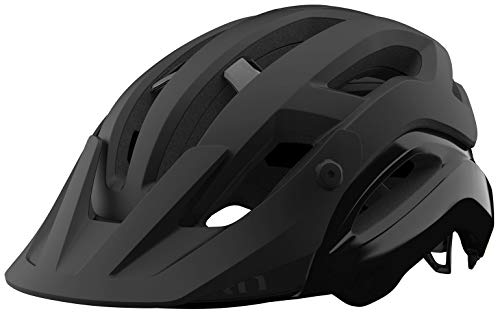
Specifications
| Brand | Giro |
|---|---|
| Type | Mountain |
| Impact Protection System | MIPS |
| Fit System | Roc Loc |
| Size | M |
| Weight | 8 oz |
Pros
- Trusted crash safety
- Well-vented and breezy
- Secure with smooth tuning
Cons
- No recognized certification
Built for tough trail days, the Giro Manifest Spherical fits the Best for Mountain Riding role thanks to its MIPS rotational protection system and mountain-ready shape. If you ride over rough ground where head turns and impacts can happen from odd angles, that added rotation layer matters.
Comfort and airflow both score well. The helmet sits evenly thanks to the Roc Loc fit system, and it stays stable during movement. Venting feels breezy for hard efforts, which helps on long climbs and warmer rides. Its build also feels solid, with dependable strap hardware and clean, durable construction.
The main downside is simple, it has no recognized safety certification listed. If you want a secure, well-ventilated trail helmet with MIPS and a dialed-in fit, this is a good match, as long as you are comfortable buying without a stated certification.
Best with CPSC Certification
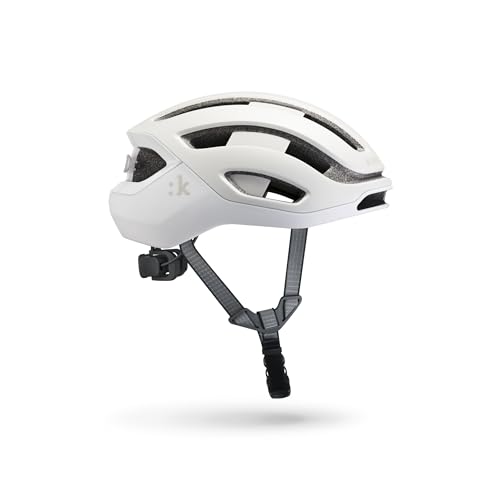
Specifications
| Brand | Fizik |
|---|---|
| Type | Road |
| Safety Certification | CPSC |
| Impact Protection System | MIPS |
| Fit System | Dial Fit |
| Size | M |
| Weight | 11.2 oz |
Pros
- Trusted crash safety
- Well-vented and breezy
- Secure with smooth tuning
Cons
- High price
This helmet fits the "Best with CPSC Certification" slot because it checks the key safety box. It is CPSC certified, and it adds MIPS for extra help in angled impacts. That mix makes it a strong pick for riders who want clear, recognized safety standards.
Comfort and ventilation stand out for long days. The scores are high across comfort and airflow, and the ride feels breezy without feeling loose. Fit is also a plus, thanks to Fizik's Dial Fit system, which lets you dial in tension smoothly and keep the helmet stable. At 11.2 oz, it stays light enough for steady pedaling and climbs.
The main drawback is the high price. If you ride road routes and want CPSC certification plus MIPS, this is the one to get.
Best with CE Certification

Specifications
| Brand | MET |
|---|---|
| Safety Certification | CE Certified product |
| Impact Protection System | MIPS |
| Construction | In-Mold |
| Fit System | MET Safe-T DUO Fit System |
| Size | Medium |
| Weight | 0.6 oz |
Pros
- Trusted crash safety
- Advanced rotation protection
- Secure with smooth tuning
Cons
- Limited durability proof
If you want a bike helmet that fits the "Best with CE Certification" role, the MET Vinci MIPS is a strong match. It pairs CE certification with MIPS rotational-impact protection, which targets the kind of sideways head motion that can happen in real crashes.
Comfort and cooling are also solid. It uses an in-mold shell and the MET Safe-T DUO Fit System for smooth, stable tuning. The comfort score backs up the all-day feel, and the ventilation score suggests steady airflow for typical riding.
One drawback is that durability proof is limited, so you will want to inspect straps and padding as it breaks in and after a season. This is a good pick for riders who want CE-certified safety with MIPS rotation protection and a dial-style fit that stays put, without fuss.
Best for Commuting

Specifications
| Brand | Kask |
|---|---|
| Type | Commuter |
| Safety Certification | EN 1078, CPSC, AS/NZS 2063 |
| Impact Protection System | WG11 rotational impact protection |
| Fit System | Ergo Fit |
| Size | Large |
| Vents | 9 vents |
| Weight | 8.1 oz |
Pros
- Trusted crash safety
- Lightweight helmet
- Secure with smooth tuning
Cons
- Low-vent design
- Glasses fit issue
Built for everyday rides, the Kask Sintesi is a strong match for commuting thanks to its trusted crash protection and lightweight feel. It uses rotational-impact protection (WG11) along with major safety certifications like EN 1078, CPSC, and AS/NZS 2063, so you get solid coverage you can rely on for city streets.
Comfort stays a highlight for long days. At just 8.1 oz, it is easy to wear, and the padding plus Ergo Fit system helps it stay stable without annoying pressure points. The fit tuning is also smooth, which makes it simpler to get a secure hold with less trial and error. Build quality also looks dependable, with well-finished construction and hardware that feels made for regular use.
The main trade-off is ventilation, with a relatively low-vent design that can feel warm on hot commutes or hard efforts. If you wear glasses, you may also find the frame interferes with the fit. If you want a light, commuter-friendly helmet with strong safety credentials, this is a great choice, as long as you do not need maximum airflow.
Best Lightweight

Specifications
| Brand | BELL |
|---|---|
| Impact Protection System | MIPS |
| Construction | In-Mold |
| Fit System | Dial Fit |
| Vents | 18 vents |
| Weight | 1.1 oz |
Pros
- Trusted crash safety
- Well-vented and breezy
- Secure with smooth tuning
Cons
- No recognized certification
- Retention refinement lacking
This Bell Stratus MIPS fits the Best Lightweight slot because it keeps weight down while still adding a rotational protection layer. The highlight is the MIPS system, paired with an in-mold build and a slim, bike-ready feel.
Comfort and airflow are strong points. It uses 18 vents to move air well on warm rides, and the padding stays pleasant for longer hours. The Dial Fit adjustment also tunes smoothly, helping the helmet sit more evenly without a lot of fuss.
The main drawback is that it lists MIPS but does not show a recognized helmet safety certification in the provided specs. If you want a light road or commuter style helmet with solid ventilation and simple dial tuning, this is a good pick, but double-check certification details before you buy.
Best for Aerodynamics
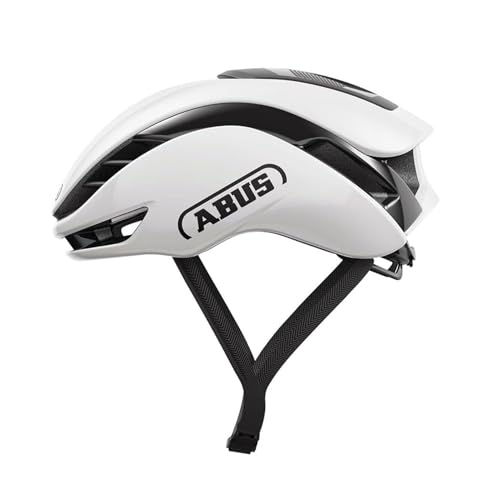
Specifications
| Brand | ABUS |
|---|---|
| Type | Road |
| Safety Certification | CPSC, EN 1078 |
| Construction | In-Mold |
| Fit System | Dial Fit |
| Size | L |
Pros
- Secure with smooth tuning
- Certified to standards
- Well-vented and breezy
Cons
- No rotation protection
- No crash-experience evidence
This road helmet fits the Best for Aerodynamics slot because it keeps airflow moving cleanly with a low-profile, in-mold shell shape that suits faster riding. It is an easy pick for long stretches where you want less head drag than bulkier designs.
Comfort and fit stand out. The ABUS Dial Fit system lets you tune the helmet smoothly so it stays snug without much wobble. Padding feels good for extended rides, and the ventilation runs well, with a breezy ride feel during hard efforts.
The main drawback is rotational-impact protection, since there is no MIPS or similar system listed. If you want a streamlined road helmet with strong comfort and airflow, but you can live without dedicated rotation protection, this one is worth your shortlist.
Best Value
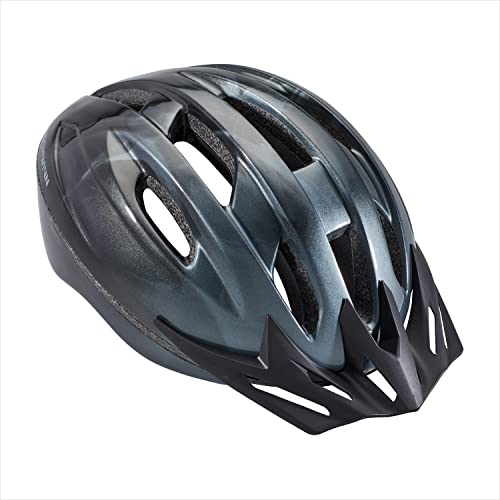
Specifications
| Brand | Schwinn |
|---|---|
| Safety Certification | CPSC |
| Fit System | Dial Fit |
| Size | Adult |
| Vents | 10 vents |
Pros
- Strong features for price
- Heat-sealed padding
Cons
- LED functionality issues
This Schwinn Intercept fits the Best Value role by keeping the essentials strong, especially with heat-sealed padding for a more stable feel on your head. It uses a CPSC safety standard and a simple Dial Fit adjustment, so it is easier to dial in than many budget options.
Comfort and ventilation score well for day-to-day riding. The padding stays soft, and the chin strap feels less stiff over time. With 10 vents, airflow is noticeable during steady effort, and the helmet holds its position without much wobble once you set the dial.
The main drawback is LED functionality issues, so do not rely on the light as part of your safety plan. If you want a straightforward, CPSC-certified helmet that is easy to adjust and comfortable for regular commutes and casual rides, this one is a solid pick.
What to Look For
Safety: Start with recognized certifications listed by the brand. Look for common standards such as CPSC, EN 1078, ASTM F1447, or AS/NZS 2063. If the listing names a rotational-impact system like MIPS, WaveCel, SPIN, or KinetiCore, treat it as a plus, not a replacement for solid certification.
Comfort: Weight helps, but comfort comes from fit and padding. Choose a helmet that feels even around the head. Check for a chin strap that lies flat and does not twist. If the padding creates pressure points during a quick wear test, keep looking.
Ventilation: Vents help remove heat when they create real airflow. Favor helmets with a vent layout that matches the helmet shape and includes internal channels. If reviews say the helmet feels stuffy on climbs or warm days, do not assume ventilation will improve just because the vent count looks high.
Fit: A helmet must stay put when you move. Look for a clear size range and a dial fit system that lets you fine-tune the cradle. A good fit system reduces wobble during head turns. If you cannot dial it in easily, you will not want to wear it consistently.
Build: Check the shell and the overall construction quality. In-mold and hard-shell builds are both common, but the key is how well the helmet holds up. Pay attention to buckle quality, strap routing, and whether padding or straps show wear quickly in long-term reviews.
Impact Protection: Decide whether you want rotational-impact tech and then verify what it is. If a helmet lists a known system, confirm it in the product details. If the listing does not mention any dedicated system, do not assume extra protection exists.
Value: Compare what you get for the price. Do not pay extra for features you will not use, like niche coverage styles. A strong safety certification plus a reliable fit and ventilation usually beats small upgrades that only matter on paper.
How We Selected These Products
We discovered helmets through broad web searches across review sites, buyer forums, and best-of lists. That helped us avoid relying on one publisher or one audience. We then read a large volume of real customer reviews to find the issues people actually reported, like wobble, strap discomfort, hot spots, and loose hardware.
Next, we verified availability and key specs directly against Amazon listings. For each model, we recorded the type, safety certification, impact protection system, construction style, fit system, size range, vent count, and weight when provided. Then we scored each helmet across the pillar categories, Safety, Comfort, Ventilation, Fit, Build, and Value, using an objective framework based on those recorded specs and reported performance.
Final curation focused on distinct roles, not just the highest overall score. We kept models that clearly make sense for common riding needs, such as commuting comfort, mountain control, or lightweight feel, while still meeting strong safety and fit standards.
Frequently Asked Questions
Which bike helmet type is best for commuting and everyday rides?
Choose a commuter or all-road helmet if you ride in traffic most days. Focus on a secure fit and enough ventilation for stop and go riding. Kask Sintesi Bike Helmet and Bell Stratus MIPS Bike Helmet are strong examples in this guide, because they balance comfort with practical airflow.
What is the biggest difference between budget and premium bike helmets?
Premium helmets usually add better impact protection tech and more comfort engineering. You often see stronger fit systems and more efficient ventilation too. Budget helmets can still be safe if they meet recognized standards, but they usually do not feel as refined over long rides.
Is a higher price always better for bike helmets?
Not always. In this guide, Schwinn Intercept Bike Helmet delivers the best value score at a much lower price. Meanwhile, top premium models like Giro Aries Spherical Bike Helmet score highest overall, mainly because of safety confidence, fit, and ventilation together.
Do bike helmets with rotational protection systems matter more than regular foam?
They can matter, especially for angled crashes that create twisting forces. Rotational systems like MIPS add a second layer of motion control. Giro Aries Spherical Bike Helmet and MET Vinci MIPS Bike Helmet both show how rotational tech pairs with strong overall scores.
Why do many bike helmets score lower on ventilation even when they have lots of vents?
Vent count does not guarantee airflow. Helmets need a vent shape and internal channels that move air through the helmet, not just holes on the shell. In this guide, Giro Aries Spherical Bike Helmet stands out because it has strong heat management feedback, not just a high vent number.
How should I clean and maintain my bike helmet between rides?
Wipe the shell with a soft damp cloth, then let it air dry fully. Hand wash removable pads if your helmet allows it, and avoid harsh chemicals. Replace the helmet if you see cracks, deep dents, or after a serious crash, since foam protection can degrade.