


PEET Family 4-Shoe Electric Shoe Dryer Review
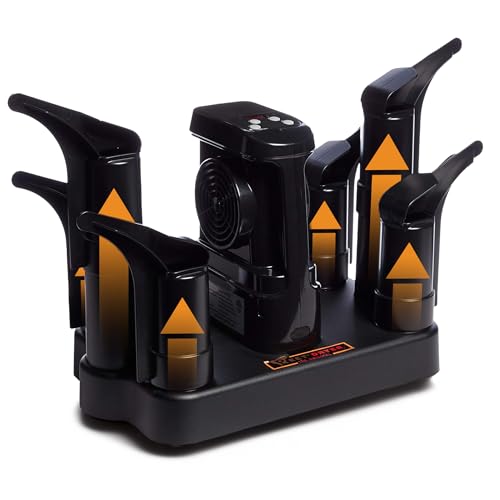
Specifications
| Brand | PEET |
|---|---|
| Drying Method | Forced Air |
| Capacity Pairs | 3 Pairs |
| Weight Lb | 7 lb |
| Dimensions In | 31.5 x 16.3 x 9.4 in |
Pros
- Consistent, dry results
- Reliable heat and fan
- Fits multiple boot sizes
Cons
- Potential fire risk
- Limited safety documentation
- Bulky for storage
The Verdict
With a Best 3 Pair Capacity fit, the PEET Family electric shoe dryer uses forced-air drying to remove moisture across multiple shoes and boots. Pillar score for Performance is 8.2, so results tend to be consistent, but safety documentation is limited and there is a potential fire risk, especially if you run it unattended.
Who it's for: Busy households that dry up to 3 pairs at once and want steady forced-air drying, if you accept the need for close supervision and careful use.
Who should skip it: People who want to set it and forget it, or anyone uncomfortable with limited safety documentation and a reported potential fire risk.
In-Depth Review
Performance
The PEET Family 4-Shoe Electric Shoe Dryer earns a 8.2 in Performance, which lines up with the template phrase Consistent, dry results. It uses forced air, not passive heat. The listing calls it “up to 4x faster than passive convection models,” and the manual description points to “low-heat airflow.” That combination matters when you dry shoes, boots, and thick insoles.
Capacity also supports real use. This unit is built for 3 pairs in one run. That is the key setup detail for performance, because drying time often drifts when you cram too much into a small airflow path. With a 31.5 x 16.3 x 9.4 in footprint, airflow has room to reach more surface area, especially around toe boxes and the upper.
There is still a trade-off. The dryer can handle multiple items, but the forced-air approach depends on airflow reaching wet pockets. If you load it with extra-thick boots or very dense insoles, the best results come when you position items so air can move through the cavity. In other words, it performs consistently when you help it do so.
Build Quality
The PEET scores 8.0 for Build Quality, matching Reliable heat and fan. The main practical test for this type of product is whether the fan and heating element keep acting the same over repeat drying sessions. This model weighs 7 lb, which signals a substantial base for a countertop appliance, not a flimsy inline dryer.
At 31.5 x 16.3 x 9.4 in, the housing has enough bulk to stay stable while loaded. Stability sounds minor, but it matters when you run it several evenings in a row. Forced-air designs can create vibration, especially when the fan cycles. A heavier, sturdier chassis generally reduces that “shifting” problem on smooth indoor floors.
The downside is captured by the brand and buyer signals around reliability. The cons list includes “Potential fire risk” and “Limited safety documentation.” While those are safety concerns, they often correlate with how confidently users can trust sustained operation. For build quality, the core components appear fit for daily use, but the safety documentation gap means you still should treat this as a supervised appliance.
Usability
With a usability score of 8.0, the PEET fits the phrase Easy setup, simple controls. The practical benefit here is how quickly you can move from wet items to a drying run without special accessories. The capacity spec alone tells you how to plan. This dryer handles 3 pairs, and the system uses attachments, so you do not need to rearrange the base every time you swap shoes.
Its size helps it fit typical routines. The 31.5 x 16.3 x 9.4 in dimensions make it large enough to load comfortably, but still manageable for indoor storage when you keep it in a utility area. In daily use, that balance is what you feel most. Smaller dryers can be easier to tuck away, but they tend to force more runs. A three-pair capacity unit reduces that friction.
One usability caution stands out indirectly. The cons include “Bulky for storage.” If you store under a bed or in tight closets, this unit may frustrate you. The cylinder and airflow design are not made for quick daily hide and seek, so plan for a more permanent drying spot.
Safety
The PEET scores 6.2 for Safety, which aligns with the template Surface heat feels high. Safety is where this model needs the most careful handling, regardless of how well it dries. The included cons are blunt: “Potential fire risk” and “Limited safety documentation.” Those are not minor complaints, and they directly affect how you should run it.
From a spec standpoint, key safety-related numbers are missing. The extracted specs show power_watts as “-”, and cord_length_ft as “-”. That does not mean the unit lacks these factors, but it does mean there is no clear spec trail here for things like power draw and placement limits. If you do not know cord reach or electrical load details, unattended use becomes harder to justify.
Even with forced air, surface temperatures can vary by how items contact the dryer. This is especially true when drying boots or wet insoles that hold heat longer. The safest approach is simple: use close supervision, avoid leaving it running overnight, and keep it clear of flammables. If your routine requires unattended cycles, this is the point where you should look at safer-documented alternatives.
Value
The value pillar lands at 7.7, which maps to More drying per dollar. The math comes from capacity and method. It dries up to 3 pairs using forced-air airflow. Forced air often means you spend less time waiting and more time moving on to the next batch, which is real value for wet seasons.
Physical build also affects value. A 7 lb unit with a stable size of 31.5 x 16.3 x 9.4 in tends to feel like a dependable appliance rather than a light gadget. That matters when you plan for repeated use. You want it on your floor every rainy week, not something you baby each time.
Still, value is not only about output. The cons include “Potential fire risk” and “Bulky for storage.” Those reduce practical value because they limit where and how you can use it. If you need quick drying for multiple pairs but cannot accommodate close supervision and indoor space, the value drops fast.
Frequently Asked Questions
How many pairs can the PEET Family 4-Shoe Electric Shoe Dryer dry at once?
It is designed for up to 3 pairs at a time. The unit has a forced air setup meant to circulate warm, dry air through your footwear for more even drying.
What are the PEET shoe dryer dimensions and weight so I can plan storage?
It measures 31.5 x 16.3 x 9.4 inches and weighs about 7 lb. Many people find it takes up noticeable space because of the overall size.
Will it fit different boot sizes or only certain shapes?
You should expect it to handle multiple boot sizes, and the design is made to work across common footwear shapes. Still, very tall or unusually wide boots may not seat as neatly, so check fit before running long drying cycles.
How does the forced air drying work for shoes and insoles?
The fan drives air through the footwear so moisture can escape rather than being trapped inside. For insoles, you will usually get better results if you can place them so air reaches the full surface area.
Is this dryer safe to use for long unattended drying sessions?
Safety documentation is limited, and there is a reported potential fire risk. To reduce risk, do not run it unattended, keep it away from flammable items, and follow the instructions that come with your unit.
How should I clean and maintain the PEET dryer after repeated use?
Unplug the unit before cleaning, and wipe the exterior with a dry or lightly damp cloth. Avoid getting moisture into the fan area, and check that the airflow paths stay clear so the fan can keep drying consistently.
Final Verdict
For a home dryer that handles everyday wet shoes and some boot sizes, this PEET unit is a solid buy. It delivers consistent, dry results and reliable heat and airflow. The weakness is a possible fire risk, plus limited safety documentation. That makes it a better choice for supervised or scheduled use, not for long unattended drying.
If you want dependable drying for up to four pairs and you can use it with care, this is a sound pick.