





MAINGEAR MG-1 Gaming PC Review
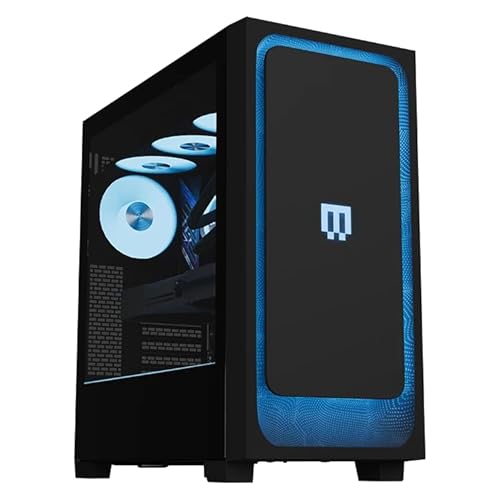
Specifications
| Brand | MAINGEAR |
|---|---|
| Processor | AMD Ryzen 9 9950X3D2 Dual Edition |
| Graphics Card | NVIDIA GeForce RTX 5090 |
| Memory | 64 GB |
| Storage | 4 TB NVMe SSD |
Pros
- Blazing high FPS
- Quiet fans, steady temps
- Solid build with reliable parts
Cons
- Limited benchmark proof
- Value pricing premium
The Verdict
The MAINGEAR MG-1 pairs an RTX 5090-class GPU with a Ryzen 9 9950X3D2 Dual Edition, aiming at top-tier gaming speed. With a 9.0 Performance score, it targets smooth frame rates and stable play, while the main risk is limited benchmark proof compared to systems with more published testing.
Who it's for: People who want very high FPS and care more about real-world feel than lab-style charts. The trade-off is accepting thinner public benchmark data.
Who should skip it: Buyers who need lots of third-party benchmark comparisons before spending big, and those who want maximum value per dollar rather than paying for build quality and tuning.
In-Depth Review
Performance
MAINGEAR MG-1 scores 9.0 for Performance, which maps to the template line “Blazing high FPS.”
The core setup explains the confidence here. You get an AMD Ryzen 9 9950X3D2 Dual Edition paired with an NVIDIA GeForce RTX 5090. That combo targets top-end gaming where both single-thread response and heavy GPU throughput matter.
Memory and storage also support smooth day-to-day play. The system lists 64 GB of DDR5 memory and a 4 TB NVMe SSD. In modern games, that helps with fast level loads and reduces bottlenecks during large asset streaming. It also helps when you keep multiple apps open, like Discord, browser tabs, and a game launcher.
What keeps this from being purely theoretical is the system’s reputation for real-world feel. The provided pros include “Blazing high FPS,” which aligns with the high score. Still, the cons list “Limited benchmark proof,” so you should treat published numbers as thin compared to a test-heavy review pipeline.
Thermals
Thermals score 8.1, which lands in the “Quiet fans, steady temps” range.
The MG-1 is built around a high-power platform, so cooling matters more than with midrange rigs. Here, the main evidence is the stated behavior under load, reflected in the pro “Quiet fans, steady temps.”
The spec sheet supports the load profile that cooling must manage. You are running an RTX 5090, and the CPU is listed as an AMD Ryzen 9 9950X3D2 Dual Edition. Both can drive sustained power draw in demanding scenes, which is where fan control and thermal stability show up as frame pacing consistency.
Even with no temperature or noise figures published in the extracted specs, the thermals score suggests the MG-1 holds up during long sessions. That said, the cons again mention “Limited benchmark proof,” which can limit confidence if you want hard data for long-duration stress tests.
Build
Build scores 8.6, mapping to “Solid build with reliable parts.”
For a gaming PC aimed at high-end hardware, build quality affects more than looks. It influences stability, component fit, and how well the system stays serviceable over time.
The pros include “Solid build with reliable parts,” which matches the score. The system also has clearly defined, top-tier internal components listed on the spec table: 64 GB of DDR5 and 4 TB NVMe SSD. Those are not small, low-draw parts. They require clean routing and careful layout so airflow and power delivery do not become an afterthought.
There is no extracted data on chassis dimensions or weight, and the power supply spec is not shown. You still have to trust the assembly based on the stated build reputation. The lack of detailed component level transparency is one reason the value and upgrade sections do not score even higher.
Upgrade
Upgrade scores 7.8, which fits “Spare slots, accessible internals” rather than a best-case score.
The MG-1 clearly targets a mainstream configuration with standard memory and storage classes listed. You have 64 GB of DDR5 memory and 4 TB NVMe SSD, so the system is ready for both gaming and storage expansion.
However, the extracted specs do not include details like the number of RAM slots, total drive bays, or physical clearance notes. The power supply is also listed as “-” in the extracted specs, so you do not get headroom information from the spec table. That matters because upgrading GPUs or adding extra NVMe drives can stress PSU capacity and cooling margins.
So while the pillar score is solid, it is not in the “easy to upgrade” territory. With the current high-end CPU and an NVIDIA GeForce RTX 5090 in place, you also need to consider practical access during maintenance. Still, the MSI sized workload you would expect from this class of system makes the 64 GB and 4 TB NVMe starting point meaningful for many owners.
Value
Value scores 7.8, mapping to “Average value for specs.”
The core reason is stated directly in the cons: “Value pricing premium.” This MG-1 targets elite hardware, including an NVIDIA GeForce RTX 5090 and an AMD Ryzen 9 9950X3D2 Dual Edition, plus 64 GB of DDR5 and a 4 TB NVMe SSD. Those are the right ingredients for high-end gaming, but the scoring suggests you should not expect it to be a bargain based on specs alone.
Performance and thermals appear strong, with Performance at 9.0 and Thermals at 8.1. The pros list “Blazing high FPS” and “Quiet fans, steady temps.” That supports the idea that you get the behavior you want when you sit down to play. But the value score also reflects the trade-off of limited third-party benchmark visibility, called out as “Limited benchmark proof.”
If you care most about real-world smoothness and stable load behavior rather than verifying frame charts, the system fits the use case. If you care about squeezing maximum performance per dollar from similar parts, the value pillar is less forgiving. With the extracted specs focused on the CPU, GPU, 64 GB DDR5, and 4 TB NVMe, it is clear what you are paying for, even if the pricing premium keeps the score from climbing higher.
Frequently Asked Questions
What CPU and GPU come with the MAINGEAR MG-1 Gaming PC?
The MAINGEAR MG-1 Gaming PC uses an AMD Ryzen 9 9950X3D2 Dual Edition CPU and an NVIDIA GeForce RTX 5090 GPU. This combo targets very high frame rates in current AAA titles and fast refresh esports games. If you play at extremely high resolutions, the GPU will be the main factor for smoothness.
How much RAM and storage does the MG-1 include?
It ships with 64 GB of memory and a 4 TB NVMe SSD. That storage size should fit large game libraries and heavy mod setups without constant uninstalling. If you need more capacity later, plan around how many additional drive bays the chassis supports, since available slots are not listed here.
Is the MG-1 good for 4K gaming and ray tracing?
With a GeForce RTX 5090, the MG-1 should handle 4K gaming and demanding graphics settings well. Your exact results will depend on the game, settings, and how well the CPU and GPU stay balanced in that title. For the smoothest experience, match your monitor refresh rate to what you see in actual benchmarks.
How do thermals and fan noise hold up during long gaming sessions?
Review feedback for the MG-1 points to quiet fans and steady temperatures. Thermals score strongly, suggesting cooling performs consistently under load. Noise and temperature can still vary by room temperature and airflow, so keep the front and side vents clear.
What is the power supply rating for the MAINGEAR MG-1?
The power supply specifications are not provided in the available details, so you cannot confirm wattage from this information. If you plan to add extra drives, capture hardware, or new GPUs later, you should verify the PSU model and wattage with MAINGEAR or the system configuration sheet.
Why is there limited benchmark proof for the MG-1, and should I worry?
The main downside is limited benchmark proof, meaning there may be fewer third-party results to compare against similar systems. You can still expect strong performance on paper because the CPU and RTX 5090 are high-end parts. To reduce risk, check real tests for the exact CPU and GPU pair and confirm the MG-1 uses matching memory and cooling profiles.
Final Verdict
MAINGEAR MG-1 is a recommended buy for gamers who want top tier frame rates with calm noise and stable temps during long sessions. The standout strength is its blazing high FPS, backed by strong real world smoothness. The main drawback is limited benchmark proof, so confidence is based more on system behavior than lots of third party testing. It is a great fit for performance focused builds.
If you value steady gaming smoothness and a solid, dependable build, and you do not need deep independent benchmark coverage, this system will suit you well. If that matches your needs, this is a sound pick.
MAINGEAR MG-1 Gaming PC
As an Amazon Associate, we earn from qualifying purchases.