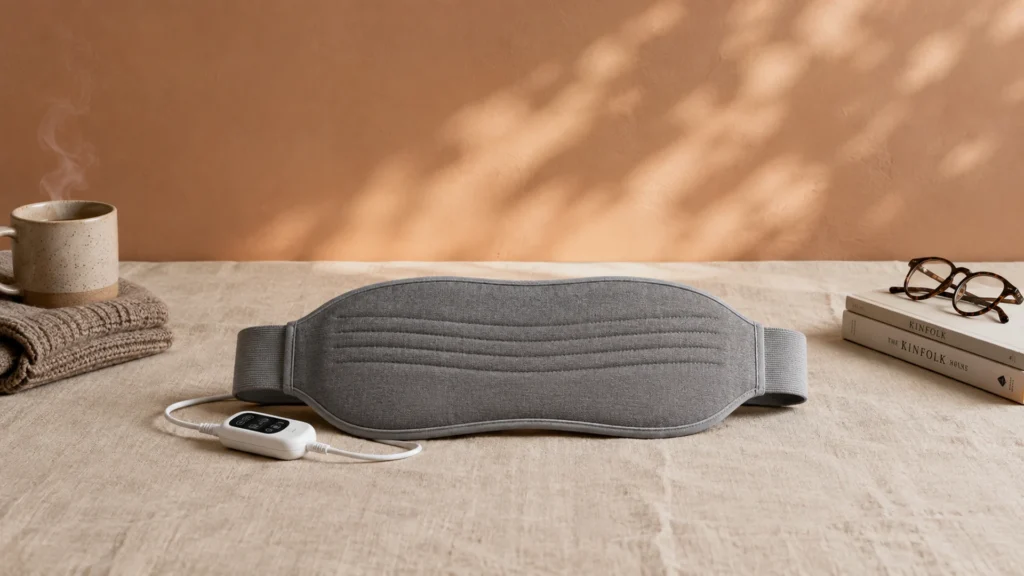
Infrared heating pads for pain relief use heat and far infrared warmth on a specific body area. Buyers in this sub-category usually want steady, even warmth that feels therapeutic for aches like back, neck, joints, and sore muscles. The pad should fit the area you treat most, and it should keep temperatures consistent across a full session.
Choosing one is harder than it looks. Size and shape decide how well the heat covers your target. Some pads feel bulky or awkward, which limits how long you can use them. Power source also matters. Many models rely on an AC adapter, while others use battery power. Battery models can struggle with long sessions or steady heat.
To compare infrared heating pads with other pain relief options and see where heat fits, use the main buying guide at the end of this page: Looking for all types? See our Best Pain Relief Devices.
Quick Overview
Our Top Picks
#1. BOB AND BRAD Far Infrared Weighted Heating Pad

Specifications
| Brand | BOB AND BRAD |
|---|---|
| Type | Heating Pad |
| Therapy Technology | Infrared |
| Target Area | Back |
| Power Source | Corded Electric |
| Weight | 2.4 lb |
Pros
- Convenience safety feature: includes auto-off
- Strong results for the cost
- Heat evenness
Cons
- Some wear after use
- Corded limits mobility
- Limited timer info
This infrared heating pad stands out because it combines far-infrared style heat with a weighted, back-focused design. Users get fairly even warmth across the pad, which matters for pain relief since hot spots can miss the sore areas. The inclusion of an auto-off adds peace of mind for at-home sessions, especially when you lose track of time while relaxing on the couch or bed.
The main trade-off is the corded setup, which limits how freely you can move. Some wear after repeated use also shows up over time, so it is best treated like a regular therapy tool, not a throw-it-on-the-floor device. If you want simple heat for back pain and an easy on, heat, and settle routine, this is a top pick. If you need full mobility or very detailed timer control, look elsewhere.
#2. dpl Flex Joint Wrap Red Light Therapy

Specifications
| Brand | dpl |
|---|---|
| Type | Heating Pad |
| Therapy Technology | Red Light Therapy |
| Target Area | Joints |
| Power Source | AC Adapter |
| Timer | 20 min |
Pros
- Comfortable at daily settings
- Controls are straightforward
- Longer session timer
Cons
- Corded limits mobility
- Some wear after use
- Limited customization
This dpl wrap stands out in the infrared heating pad space because it targets joint areas with red light therapy, not just heat. The design stays comfortable during longer sessions, and the controls are simple to use. A 20 minute timer helps you keep a steady routine, which matters for pain relief that depends on consistency.
The main trade-off is mobility. Because it runs on an AC adapter, you are tied to a cord while you wear it. It also has limited customization, so people who want lots of different settings may feel boxed in. Best fit: joint pain relief users who want a comfortable, easy routine with red light and heat, and who do not mind staying near a wall outlet.
#3. UTK Far Infrared Jade Heating Pad 23.5" x 16"

Specifications
| Brand | UTK |
|---|---|
| Type | Heating Pad |
| Therapy Technology | Infrared |
| Target Area | Back |
| Power Source | Corded Electric |
| Intensity Levels | 6 Levels |
| Timer | 240 min |
| Weight | 4.5 lb |
Pros
- Longer session timer
- Soothing warmth
- Even coverage heat
Cons
- Heavy and harder to use
- Corded limits mobility
- Storage bulkiness
This UTK Far Infrared Jade Heating Pad stands out for long sessions and even heat on the back. The auto shut-off timer runs up to 240 min, so you can use it for extended rest without resetting the pad. In use, the warmth feels steady across its 23.5 x 16 inch surface, which makes it easier to cover more of your upper or mid back than smaller pads.
The main trade-off is portability. At 4.5 lb, it is heavier than many wrap-style options, and the corded power limits where you can sit comfortably. It may fit best for people who plan to stay in one spot, like on a couch or in bed, and who want a consistent infrared-style heat session for muscle soreness or general back discomfort.
#4. Pure Enrichment PureRelief Pro Ultra-Wide Heating Pad

Specifications
| Brand | Pure Enrichment |
|---|---|
| Type | Heating Pad |
| Therapy Technology | Infrared |
| Target Area | Back |
| Intensity Levels | 4 Levels |
| Timer | 120 min |
Pros
- Comfortable at daily settings
- Strong results for the cost
- Longer session timer
Cons
- Premature electronics failure
- Some wear after use
- Limited intensity control
This infrared heating pad stands out for how comfortable it feels at real back-pain settings. With 4 intensity levels and a 120 min session timer, it is easier to keep consistent heat on sore areas during longer unwind periods. Users also tend to describe noticeable relief that lasts through the session, which is the key test for infrared pads when compared to basic heat only models.
The main trade-off is reliability. Some buyers report premature electronics failure, so it may not suit people who want long-term dependability without any risk. It also has limited intensity control, so if you like fine-tuning your heat, you may find the settings too broad. Best fit: people who want gentle to moderate infrared warmth for back discomfort and plan to use longer sessions, but who understand electronics can be a weak point.
#5. Sunbeam Thermabelt Infrared Heating Pad 12" x 21"

Specifications
| Brand | Sunbeam |
|---|---|
| Type | Heating Pad |
| Therapy Technology | Infrared |
| Target Area | Back |
| Power Source | Corded Electric |
| Intensity Levels | 4 Levels |
| Timer | 120 min |
Pros
- Controls are straightforward
- Strong results for the cost
- Auto shutoff safety
Cons
- Some wear after use
- Limited intensity control
- Corded limits mobility
This Sunbeam Thermabelt infrared heating pad stands out because it combines infrared warmth with a simple, ready-to-use design for back pain. It uses four intensity levels and an auto shutoff timer up to 120 min, so you can set it for a comfortable session and not worry about leaving it on. Controls are easy to understand, and many people find the heat helpful for everyday aches rather than short, temporary comfort.
The main trade-off is mobility and adjustability. It is corded, so you may need to stay near an outlet while it works. Intensity control also feels a bit limited, and there can be some wear after repeated use. This is a solid fit for people who want consistent back-area heat therapy at home and are okay using it in a seated or lying position.
What to Look For
Heating performance and consistency: Look for pads that provide steady warmth across the whole contact area, not hot spots. In reviews, prioritize comments that mention reliable heat during the full session and noticeable symptom relief, not just quick comfort.
Comfort and body fit: Choose a pad size that matches your target area, such as a wide back pad or a smaller wrap. Check whether straps or edges create pressure points. Comfort matters because you need to stay on the pad long enough for heat to help.
Durability of the heating system: Use build cues like reinforced seams and well-secured cable connections. For reliability, scan for reports of uneven heat, early failures, or output that drops after repeated use.
Controls, session timing, and ease of use: Prioritize clear controls, simple intensity levels, and an auto shut-off timer that matches typical use. If you plan to use it after work or before bed, a straightforward setup and predictable shut-off help you use it safely every time.
Value for the heat coverage you get: Compare price to pad size and practical features like intensity levels, modes, and timer length. Higher cost can make sense when it covers more area or uses a more reliable heating setup, not when it adds unused extras.
How We Picked
Products were identified through broad research across review sites and buyer forums, then filtered to only those that qualify as Infrared Heating Pads for Pain Relief Devices.
Scoring used the same objective pillar framework as the main Pain Relief Devices post, allowing direct comparison of products within this sub-category. Effectiveness carried the most weight, followed by comfort, then durability, ease of use, and value.
Frequently Asked Questions
What should I look for in an infrared heating pad for pain relief?
Look for even heat and a fabric cover that feels comfortable against skin. Check the auto shut off time for safe use. Also look for multiple heat levels so you can start low and adjust.
How do far infrared pads differ from red light therapy heating wraps?
Far infrared focuses on deep, steady warmth. Red light therapy targets light-based support and often adds a separate light mode. If you want mainly heat for stiffness, choose a far infrared pad. If you want light therapy as a bonus, compare models that clearly list red light features.
How should I set up and care for an infrared heating pad?
Use it on clean, dry skin and remove it before you sleep or nap if the pad will not stay on safely. Most pads use a removable cover or spot cleaning, not machine washing. Follow the care label and never fold the heating area tightly for long storage.
If my pain is sharp or comes with swelling, should I still use an infrared heating pad?
Heat can help muscle tightness, but it may not be right for new swelling. Use caution if symptoms are sudden or worsening. Consider talking to a clinician if pain is severe, you have numbness, or symptoms do not improve.
When should I choose a TENS unit or massage device instead of an infrared heating pad?
Choose TENS if you want pain relief without raising tissue temperature. Choose a massage tool if you need kneading or targeted pressure for sore areas. Use infrared heating pads when stiffness and tight muscles respond best to gentle warmth.
How do infrared heating pads compare to regular electric heating pads?
Infrared pads aim for deeper, more comfortable warmth at lower surface heat. Many people feel they stay effective at longer sessions. Regular pads can work well too, but they may feel hotter on the surface while heating less evenly.


