The 3 Best 30F Sleeping Bags in 2026

Transparency Note: This post contains affiliate links. As an Amazon Associate, we earn from qualifying purchases at no extra cost to you.

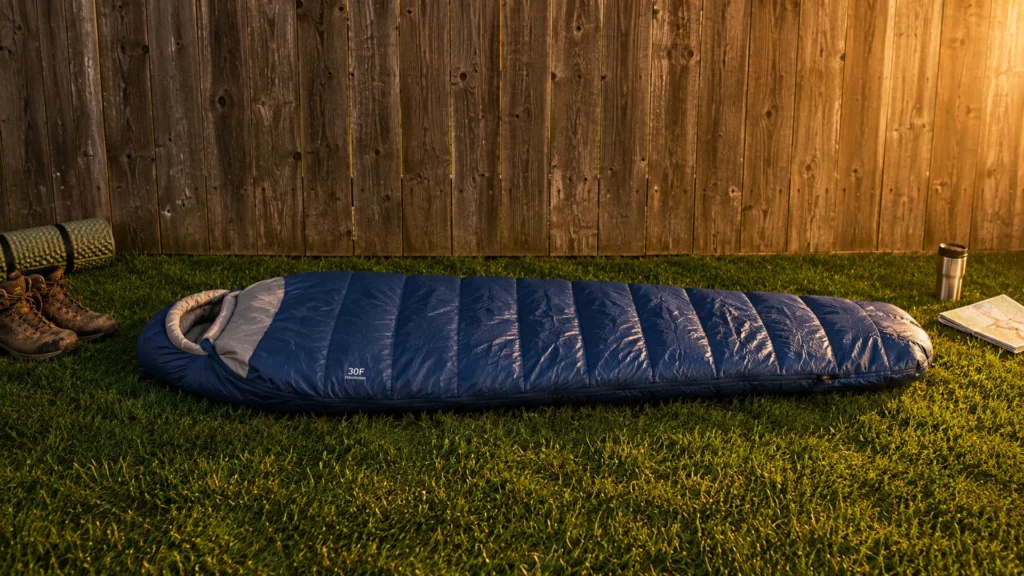
A 30F sleeping bag targets nights around the 30 degree range. Buyers in this sub-category need bags that hold heat well when the air drops, while still staying packable enough for car camping or light hikes.

The hard part is the trade-off. Many bags labeled 30F feel warmer in a lab than in real tents. You also have to balance warmth with comfort, since a narrower mummy shape can reduce drafts but limit movement and head space.

Use this guide to match the bag to how you sleep, how you pack, and how cold your trips get, and then compare options in context with the rest of our recommendations, like Looking for all types? See our Best Sleeping Bags.

Quick Overview

Sea to Summit Boab 30°F Sleeping Bag
#1 Sea to Summit Boab 30°F Sleeping Bag
Coleman Brazos 20/30°F Sleeping Bag
#2 Coleman Brazos 20/30°F Sleeping Bag
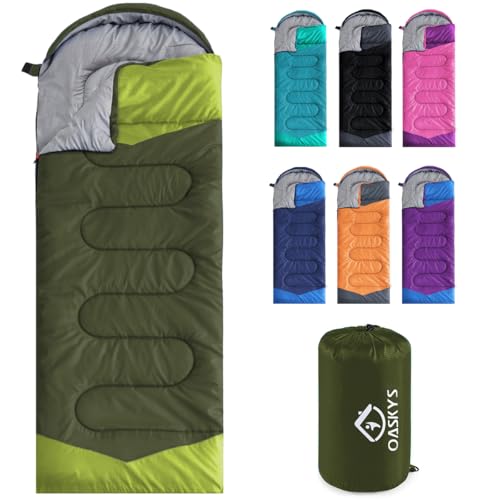
oaskys 30°F Sleeping Bag
#3 oaskys 30°F Sleeping Bag

Our Top Picks

#1. Sea to Summit Boab 30°F Sleeping Bag

Sea to Summit Boab 30°F Sleeping Bag
Our Score
7.4 / 10
hover for details
Warmth
7.4
Comfort
8.1
Packability
6.1
Durability
7.5
Value
8.1
BrandSea to Summit
Temperature Rating30 °F
Season Rating3 Season
Insulation TypeSynthetic
Weight3.07 lb
  • Zip draft mitigation
  • Strong performance per dollar
  • Roomy fit, smooth zipper
  • Cold-spot variability
  • Loft loss risk
  • Heavy to carry

In the 30F sleeping bag category, the Sea to Summit Boab stands out for how well it blocks drafts around the zipper and hood area. That matters most when nights hover near the 30F mark, because leaks at the collar can steal warmth even if the insulation rating looks right. Users also get a roomy feel and a smooth zipper, which makes it easier to shift positions without wrestling the bag. The result is a more stable sleep experience for cold-weather 3-season trips.

The trade-off is that warmth can vary from person to person, and synthetic bags can lose loft if they are stored too tightly or repeatedly compressed. It is also on the heavier side for a 30F option, so it may be better for car camping or fewer-mile backpacking days than for long carries. If you want strong draft control and comfortable interior space at 30F, this is a solid pick.

#2. Coleman Brazos 20/30°F Sleeping Bag

Coleman Brazos 20/30°F Sleeping Bag
Our Score
7.1 / 10
hover for details
Warmth
7.2
Comfort
7.2
Packability
5.9
Durability
7.2
Value
8.6
BrandColeman
Temperature Rating30 °F
ShapeRectangular
Insulation TypeSynthetic
Weight5.2 lb
Max User Height71 in
  • Strong performance per dollar
  • Soft inner lining
  • No-snag zipper comfort
  • Heavy and slow to loft
  • Less efficient heat retention
  • Tight fit risk

If you want a 30°F rated synthetic bag that is fairly easy to live with, the Coleman Brazos is a strong pick. The inner lining feels soft, and the zipper action stays smooth and comfortable, which matters when you are trying to get settled at camp instead of wrestling your sleep system.

The main trade-off is warmth efficiency. It can feel a bit less heat-retaining than you would expect at its rating, and the bag is on the heavier side at 5.2 lb. That also shows up in how slow it is to loft after it gets compressed. This is best for car camping or trips where weight is not the top priority, and it is a risky choice for people who run cold or want a roomy fit. Taller sleepers near the 71 in limit should also think twice about the risk of a tight feel.

#3. oaskys 30°F Sleeping Bag

oaskys 30°F Sleeping Bag
Our Score
6.9 / 10
hover for details
Warmth
6.6
Comfort
6.7
Packability
6.2
Durability
7
Value
8.7
Brandoaskys
Temperature Rating30 °F
Season Rating3 Season
Weight3 lb
  • Strong performance per dollar
  • Mildly cooler than rated
  • Okay feel, slight tightness
  • Bulky pack, average rebound

This 30F sleeping bag stands out for one practical reason: it delivers solid warmth for cold nights without feeling like an oversized, overbuilt winter bag. In the 30F range, it stays mostly steady, but it can run mildly cooler than its rating. That matters if you sleep cold or if the temperature dips faster than expected, since you may notice drafts near the zipper or hood area.

Comfort is decent for most campers, though there is a slight tight feel that can limit easy shifting. At the same time, it is not the most packable option in its class. Expect a bulkier carry and average rebound after compression, so it is better for car camping or trips where you can manage bag size rather than daily backpack mileage.

→ Read full review

What to Look For

Temperature rating accuracy: Check the primary 30F number and treat it as a comfort limit, not a guarantee. Look for features that reduce heat loss at the zipper, hood, and collar, since drafts usually show up first in this range.

Insulation type and loft retention: Down often compresses smaller and packs lighter, but it performs best when kept dry. Synthetic can handle damp air better, which matters if you camp near fog, rivers, or shoulder-season rain.

Warmth for real users: Prioritize bags that keep insulation loft after repeated use and storage. If a bag is prone to clumping or losing puff, it will test colder than its rating the next trip.

Comfort for sleep position: In 30F bags, warmth often comes from a mummy fit. Make sure the bag still feels roomy enough for your height and sleeping style, especially around shoulders and the hood area for head movement.

Weight and packed size: For 30F bags, a small increase in warmth can add a lot of weight. Compare weight and packed dimensions so you do not carry extra bulk for a margin you do not need.

How We Picked

Products were identified through broad research across review sites and buyer forums, then filtered to only those that qualify as 30F Sleeping Bags.

Scoring used the same objective pillar framework as the main Sleeping Bags post, allowing direct comparison of products within this sub-category.

Frequently Asked Questions

What kind of weather should a 30F sleeping bag handle?

A 30F sleeping bag aims for cold but not extreme winter temps. Many people stay comfortable around the low end when they also use a warm sleeping pad. If you run cold, plan for colder nights than the label. You may also need extra layers or a hat.

How do I choose between a 30F bag and a 20F or 40F bag?

Pick warmer ratings like 40F for mild nights and better comfort. Choose 30F for shoulder season camping and moderate winter dips. Go to 20F if you expect wind, wet conditions, or you sleep cold. Going too warm can cause you to overheat and sweat.

How can I prevent drafts at the neck and zipper in a 30F bag?

Look for a hood or neck baffle that seals well around your head. Make sure the zipper slider closes fully with no gaps. If the bag has a draft collar, pull it up and keep it snug. Pairing the bag with the right pad also reduces cold spots.

What is the best way to store a 30F sleeping bag between trips?

Store it loosely in a large breathable bag or hang it when possible. Avoid long storage in a tight compression sack. This helps the insulation keep its loft. After trips, air it out before you pack it away.

When should I consider a different sleeping bag type instead of a 30F bag?

Consider a different type if you need a different use case. For example, choose a warmer bag if you expect nights well below 30F. Choose a lighter, smaller packed bag if you will hike long distances. If you sleep hot, a more ventilated or less insulated option may work better.

How do 30F sleeping bags compare to other sleeping bags in weight and pack size?

A 30F bag often sits in the middle for both weight and pack size. Warmer bags usually weigh more and pack bigger. Cooler bags can pack smaller, but they may feel too cold for the same nights. Your insulation type and fill loft usually drive those differences.

See Also

Share:
On Key
You Might Also Like