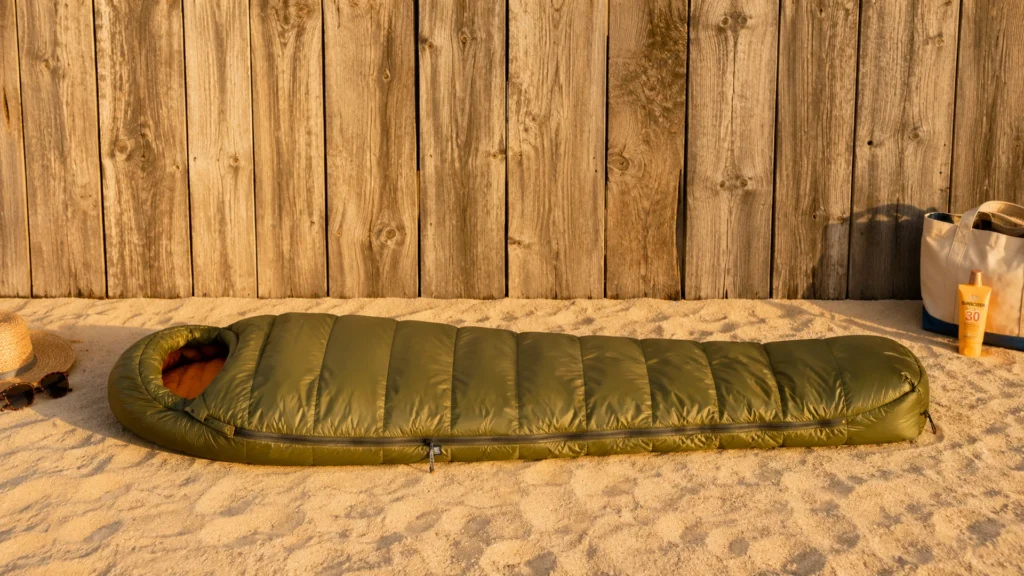
The 3 Best Synthetic Sleeping Bags in 2026

Transparency Note: This post contains affiliate links. As an Amazon Associate, we earn from qualifying purchases at no extra cost to you.

Synthetic sleeping bags use man made insulation to trap heat even after moisture hits your bag. This matters for real trips where dew, damp ground, and light rain exposure are not rare. If you camp in shoulder seasons, wet climates, or you hate babying gear, synthetic fill is a practical match.

Picking the right synthetic bag is harder than it sounds. Synthetic insulation usually packs bigger and can weigh more than down for the same warmth. You also trade off some warmth efficiency, so the temperature rating has to match your cold tolerance and sleeping setup. Comfort details matter too. Drafts around the zipper and hood can make a rated bag feel colder in use.

For more ways to shop across insulation types and shapes, use this guide for synthetic models first, then compare across categories in the roundup using this note: Looking for all types? See our Best Sleeping Bags.

Quick Overview

Big Agnes Echo Park 20°F Sleeping Bag
#1 Big Agnes Echo Park 20°F Sleeping Bag
Sea to Summit Boab 30°F Sleeping Bag
#2 Sea to Summit Boab 30°F Sleeping Bag
Kelty Tru.Comfort Doublewide 20°F Sleeping Bag
#3 Kelty Tru.Comfort Doublewide 20°F Sleeping Bag

Our Top Picks

#1. Big Agnes Echo Park 20°F Sleeping Bag

Big Agnes Echo Park 20°F Sleeping Bag
Our Score
8.0 / 10
hover for details
Warmth
8
Comfort
8.6
Packability
7.1
Durability
7.9
Value
8
BrandBig Agnes
Temperature Rating20 °F
Season Rating3 Season
ShapeSemi-Rectangular
Insulation TypeSynthetic
Weight5 lb
Max User Height78 in
  • Draftproof and cozy
  • Strong performance per dollar
  • Colder-than-rated reports
  • Temperature setup sensitivity

Big Agnes Echo Park 20°F stands out among synthetic sleeping bags for how reliably it blocks drafts. In real use, the hood and zipper area tend to stay warmer when the weather turns, and its synthetic insulation holds up better than down when conditions are damp. With a 5 lb build and a semi-rectangular shape, it also feels more forgiving than tighter mummy designs for campers who shift positions at night.

The main trade-off is temperature precision. Some users report it can run colder than its 20°F label, so your setup matters. If you sleep warm and manage layering well, it can be a strong 3-season option. If you are sensitive to cold, plan on using a high-quality pad and staying on top of insulation, especially around the head and shoulders.

→ Read full review

#2. Sea to Summit Boab 30°F Sleeping Bag

Sea to Summit Boab 30°F Sleeping Bag
Our Score
7.4 / 10
hover for details
Warmth
7.4
Comfort
8.1
Packability
6.1
Durability
7.5
Value
8.1
BrandSea to Summit
Temperature Rating30 °F
Season Rating3 Season
Insulation TypeSynthetic
Weight3.07 lb
  • Zip draft mitigation
  • Strong performance per dollar
  • Roomy fit, smooth zipper
  • Cold-spot variability
  • Loft loss risk
  • Heavy to carry

This Sea to Summit Boab 30 F synthetic bag stands out in the synthetic sleeping bag crowd for its strong draft control. The zipper area is well sealed, and the design limits cold air leaks that often show up in real 3 season use. It also keeps a roomy feel while staying easy to move in, with a smooth zipper that does not snag when you shift positions. At 3.07 lb, it hits a practical balance for trips where you want synthetic reliability without hauling something much heavier.

The main trade-off is warmth consistency. Users can feel cold-spot variability near the lower sections, especially if your pad does not fully seal the gap. Like many synthetic bags, it also faces loft loss risk if it sits compressed too long. This is a good pick for car camping and casual backpacking in the 30 F range, when you are more concerned with draft mitigation and comfort than squeezing every last ounce.

#3. Kelty Tru.Comfort Doublewide 20°F Sleeping Bag

Kelty Tru.Comfort Doublewide 20°F Sleeping Bag
Our Score
7.4 / 10
hover for details
Warmth
7.7
Comfort
8.1
Packability
5.6
Durability
7.5
Value
7.9
BrandKelty
Temperature Rating20 °F
ShapeDouble
Insulation TypeSynthetic
Weight9 lb
Packed Size15.5 x 28 in
Max User Height78 in
  • Roomy fit, smooth zipper
  • Colder rated warmth
  • Heavy and slow to loft
  • Heavier synthetic insulation
  • Bulky when packed

This Kelty synthetic doublewide 20 °F bag stands out for comfort and room to move. The fit is roomy for two people, and the zipper action is smooth, which matters when you are trying to get settled or change positions. In synthetic bags, draft control and staying power are everything, and this one tends to feel closer to its real warmth needs than many similar cold-rated bags.

The trade-off is logistics. It is heavy at 9 lb and the bulk shows up in its packed size, which makes it a better car-camping or nearby-base-camp choice than a carry-every-mile option. Also, reviews lean toward it feeling cold once loft drops, so it is best for users who keep it stored correctly and accept that synthetic insulation can be slower to rebound after compression.

What to Look For

Temperature rating that matches your lowest night: Start with the primary advertised temperature rating in Fahrenheit. Then subtract real world factors like wind exposure, a thin sleeping pad, and how much you move at night. A bag that runs cold will feel worse with synthetics if drafts leak around the hood or zipper.

Packability for synthetic fill: Synthetic bags tend to be bulkier. Check the published packed size and bag weight together so you know what you carry for the warmth you get. If your packed size is large, plan for it in your backpack volume before you buy.

Comfort fit and sleep ease: Look for a shape and size that lets you move without pinching your shoulders or feet. In synthetic bags, small discomfort shows up fast because the insulation can limit flexibility. Pay attention to zipper feel and how smoothly the hood area seals when you pull it tight.

Durability at the zipper and seams: Synthetic bags live through rougher handling and more storage cycles. Prioritize reliable zipper operation, strong seam construction, and insulation that stays evenly distributed. If the fill shifts or the shell wears quickly, warmth drops over time.

Value versus warmth and weight: Compare price to what you actually gain: the temperature rating, usable comfort space, and carry burden. A higher price only makes sense if it buys real improvements in warmth retention, pack size, or long term durability for the cold you target.

How We Picked

Products were identified through broad research across review sites and buyer forums, then filtered to only those that qualify as Synthetic Sleeping Bags.

Scoring used the same objective pillar framework as the main Sleeping Bags post, allowing direct comparison of products within this sub category.

Frequently Asked Questions

What is the main benefit of choosing a synthetic sleeping bag over other fills?

Synthetic insulation keeps warming better if it gets damp. It also dries faster than down after light rain or sweaty nights. That makes it a safer choice for mixed weather camping.

Are synthetic sleeping bags usually warmer than down bags for the same temperature rating?

Not always. Synthetic bags can feel slightly colder at their rating because they do not pack as efficiently. Draft control matters too, like a hood closure and zipper draft tube.

How should I store a synthetic sleeping bag between trips?

Store it uncompressed in a large space. Use a breathable storage sack when possible. Avoid leaving it tightly packed for months.

How do I keep a synthetic sleeping bag clean without damaging the insulation?

Spot clean dirt when you can, and wash only when needed. Follow the care label for water temperature and detergent type. After washing, dry fully on low heat and break up any clumps.

When should I consider switching to a different type of sleeping bag instead of synthetic?

Choose another fill if you plan on mostly dry, cold weather and you want the lightest pack weight. Down bags usually compress smaller and weigh less. But if you expect wet conditions, synthetic often performs more reliably.

How do synthetic sleeping bags compare to down sleeping bags for pack size and weight?

Synthetic bags often pack larger and weigh more for the same warmth. Down usually wins on packability because it compresses better. If you carry gear long distances, pack size can be a deciding factor.

See Also

Share:
On Key
You Might Also Like