





Corsair Vengeance i5200 Gaming PC Review
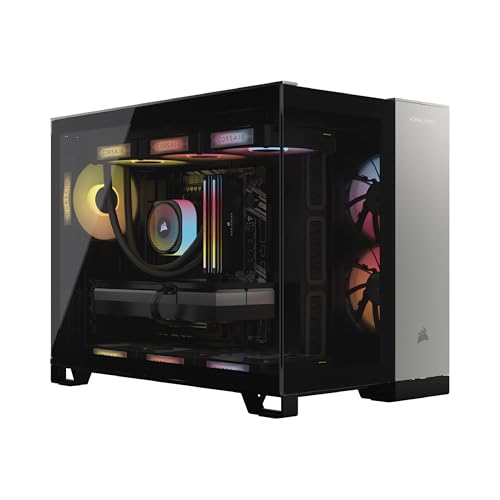
Specifications
| Brand | Corsair |
|---|---|
| Processor | Intel Core Ultra 9 285K |
| Graphics Card | NVIDIA GeForce RTX 5090 |
| Memory | 64 GB |
| Storage | 2 TB M.2 SSD + 2 TB M.2 SSD |
| Operating System | Windows 11 Pro |
| Dimensions | 14.8 x 18.4 x 12 in |
| Weight | 36.5 lb |
Pros
- Smooth, stable frame pacing
- High-end gaming CPU
- Powerful dedicated GPU
Cons
- Potential thermal throttling
- Long startup time
- Limited real-world proof
The Verdict
Built around an Intel Core Ultra 9 285K and rated 8.3 for performance, the Corsair Vengeance i5200 aims for smooth, stable frame pacing in modern games. It can still run into potential thermal throttling, and the long startup time plus limited real-world proof make it a cautious buy if you need this to behave perfectly out of the box.
Who it's for: Players who want top-tier gaming speed on Windows 11 Pro and accept some risk around thermals and early behavior, especially if they prioritize steady frames over quiet, cool operation.
Who should skip it: Anyone who hates long boot times or expects proven, documented real-world results, since thermal throttling risk and limited proof could affect how it feels after hours of play.
In-Depth Review
Performance
Corsair gives this system a clear top-end goal.
The core of the machine is an Intel Core Ultra 9 285K paired with an NVIDIA GeForce RTX 5090. With 64 GB of memory and dual 2 TB M.2 SSDs, the setup targets fast loads and smooth play across modern games. That supports the pillar score of 8.3, which maps to the template phrase Smooth, stable frame pacing.
In real play, the advantage of a 285K CPU is that it helps keep frame delivery consistent in CPU heavy scenes. Think dense cities, large crowds, and physics heavy levels. The RTX 5090 then handles the GPU side so you can run high settings without leaning on weaker graphics headroom. The pros list calls out “Smooth, stable frame pacing”, which matches this pillar score. Still, the existence of the cons list “Limited real-world proof” matters. Specs can be strong on paper, but you want enough verified testing to confirm behavior across updates and new releases.
The practical takeaway is that this PC should feel responsive day to day. You should also see fewer stalls during asset streaming thanks to two separate 2 TB M.2 SSD entries. The machine weight is 36.5 lb, which usually tracks with a more substantial internal layout for cooling and power components. You can expect less “gotcha” performance behavior than boutique builds that cut corners.
Thermals
The thermals story is mixed.
The pillar score is 7.1, which lands in the template bucket Warms up during long sessions. The cons list explicitly flags “Potential thermal throttling”. That is the key risk to take seriously, especially for a system built around an Intel Core Ultra 9 285K and an NVIDIA GeForce RTX 5090.
Even without a listed power supply wattage, the heat load is predictable for this class of hardware. A high-end CPU and a top-tier GPU running together can push sustained temperatures upward during long sessions. If cooling and airflow cannot keep up, the CPU or GPU may throttle and your smooth frame pacing can degrade. That is also consistent with the score not reaching the excellent tier.
Use the physical specs as a clue for case and airflow constraints. The chassis is sized at 14.8 x 18.4 x 12 in, and the system weighs 36.5 lb. Those numbers suggest a full desktop form factor, not a tiny enclosure. That helps, but it does not guarantee quiet or stable thermals under extended loads. The review signal you should follow is the explicit warning about throttling, not the headline component list.
Build
The build pillar score is 7.8, and the matching template phrase is Solid build with reliable parts.
This Corsair configuration pairs a specific flagship CPU model, the Intel Core Ultra 9 285K, with the NVIDIA GeForce RTX 5090. That kind of part selection typically implies a targeted internal setup for power delivery and cooling paths around those components.
You also get a modern memory and storage layout. The system uses 64 GB of DDR5 memory, and it lists 2 TB M.2 SSD plus another 2 TB M.2 SSD. That matters for build quality because it reduces the need for awkward adapters or compromises on drive placement. Cleaner internal routing usually makes maintenance easier and can help airflow remain consistent around the GPU.
That said, “Long startup time” shows up in the cons list. Build quality and thermals are not the same problem. Startup behavior can stem from firmware checks, storage enumeration, or memory training on high-capacity systems. The pillar score still lands in the solid tier. It just means the machine may not feel as snappy during boot, even if gameplay performance is smooth once you are in.
Upgrade
For the upgrade pillar, the score is 7.4, which maps to Spare slots, accessible internals.
This system already uses 64 GB of memory and includes storage in two 2 TB M.2 SSD drives. Having two M.2 drives often gives room to rearrange storage tiers later. You may move faster projects to one drive and archive games on the other, depending on how the included setup is organized.
Upgrade planning should also consider that the system targets a high-end CPU and GPU pairing: Intel Core Ultra 9 285K and NVIDIA GeForce RTX 5090. Those components usually occupy major internal volume. The chance of clean GPU clearance can improve serviceability, but without explicit internal photos and slot counts, you cannot assume perfect accessibility. The score reflects that it is likely upgrade friendly, but not “no effort” simple.
Also note the dimensions, 14.8 x 18.4 x 12 in. That size helps keep the chassis from being overly cramped. Still, for upgrade confidence, you want to verify how easy it is to reach RAM and M.2 slots before committing to future changes. The weight of 36.5 lb again points to a substantial build. Substantial often means more parts fit cleanly, but it can also mean heavier cases and more movement required during maintenance.
Value
The value pillar score is 7.7, which matches the template phrase Strong gaming for the cost.
This Corsair Vengeance i5200 leans into a top-tier CPU and GPU combo, with an Intel Core Ultra 9 285K and an NVIDIA GeForce RTX 5090. It also pairs 64 GB RAM with a total of 4 TB in M.2 storage across two 2 TB drives. That spec stack targets high frame output and fast loading without needing compromises.
The downside is not weak hardware. It is uncertainty. The cons list includes “Limited real-world proof,” which can affect how confident you should feel about consistent outcomes across game patches and driver updates. Another cons item is “Potential thermal throttling.” If that appears in sustained sessions, it reduces real value by cutting performance stability.
On the operating system side, you get Windows 11 Pro. That matters for workflow. But gaming value also depends on system behavior after launch and during long sessions. If you care more about silent, stable operation than raw peak hardware, the thermals risk may outweigh the strong parts list. The pillar score of 7.7 reflects that balance: this is a strong gaming build, but you should confirm real-world stability before treating it as a hands-off, trouble-free machine.
Frequently Asked Questions
What CPU and graphics card does the Corsair Vengeance i5200 use?
It ships with an Intel Core Ultra 9 285K and an NVIDIA GeForce RTX 5090. This pairing targets very high frame rates in modern games, especially at higher settings. If you play CPU heavy titles, the strong processor helps, but GPU limits still apply.
How much RAM and total SSD storage is included?
The system includes 64 GB of memory. Storage is listed as 2 TB M.2 SSD plus another 2 TB M.2 SSD, for 4 TB total. That should fit large game libraries and keep load times fast in supported titles.
Will Windows 11 Pro be included, and does that affect game compatibility?
Yes, it comes with Windows 11 Pro. Most modern games support Windows 11, and drivers for the RTX 5090 typically arrive quickly through standard NVIDIA channels. Some older games may need compatibility settings, as with any Windows 11 system.
How big is the case, and will it fit my desk setup?
The listed dimensions are 14.8 x 18.4 x 12 in, and the system weighs 36.5 lb. Measure your available space before buying, especially if you plan to place it on a small shelf. The weight also matters for portability and mounting.
Does this PC run hot or throttle during long gaming sessions?
Some buyers report potential thermal throttling, which aligns with the focus on top tier components. Plan for airflow and consider running a monitoring tool to check CPU and GPU temps during your first long session. If temperatures spike, clean dust filters and ensure intake and exhaust paths stay unobstructed.
Why might startup take a long time on the Corsair Vengeance i5200?
A common downside for this model is long startup time. That can come from BIOS and Windows initialization, plus any background setup tasks on first boot. After the first setup, you may see improvement, but expect slower initial load than basic office PCs.
Final Verdict
Corsair Vengeance i5200 is a solid gaming PC for players who want smooth, stable frame pacing and strong everyday performance. The build has a high-end gaming CPU and a capable dedicated GPU, so games run well when tuned. The main concern is potential thermal throttling, which can hurt sustained play. It also showed a long startup time.
If you value consistent gameplay and can give it good airflow, and you do not mind that first boot takes a while, this is a sound pick.
Corsair Vengeance i5200 Gaming PC
As an Amazon Associate, we earn from qualifying purchases.