Transparency Note: This post contains affiliate links. As an Amazon Associate, we earn from qualifying purchases at no extra cost to you.
Steam mops for grout cleaning use hot vapor to lift dirt from the grooves between tiles and along sealed hard floor surfaces. For this task, you need steady steam output, a pad that stays in close contact with the floor, and a design that lets you work grout lines with fewer passes.
Choosing one is hard because grout cleaning punishes weak steam and poor pad contact. If the mop releases steam inconsistently, you end up scrubbing longer. If the tank and head design are awkward, you will avoid grout areas. You also must manage wetness so sealed floors do not stay overly damp.
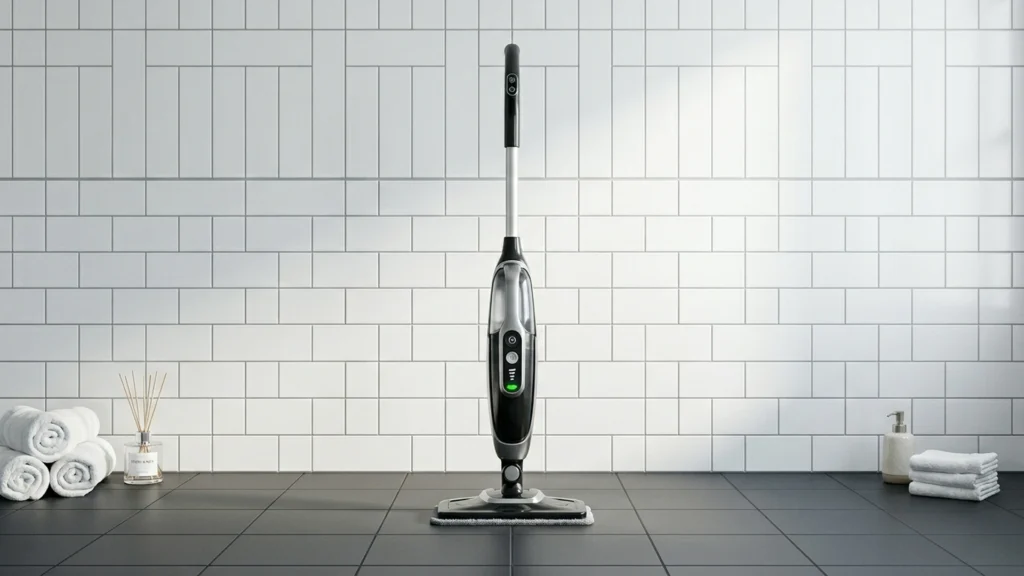
This Hoover steam mop stands out for grout cleaning because it keeps steam output consistent, which helps lift embedded grime in tile lines without scrubbing as much as you would with a typical wet mop. It heats up in 60 seconds, so you can switch from floor-wide passes to focused attention on grout while the unit is still hot. It also works across sealed hard floors like tile, laminate, vinyl, and stone, so you can clean bathroom and kitchen grout without swapping tools.
The main trade-off is maneuvering. The head can feel bulky in tight areas, so grout in corners may take extra time. Also, the plastic build feels a bit light, so avoid pressing hard on the floor when you work along grout lines. Best fit: sealed tile or stone grout you clean regularly, where steady steam and speed matter more than reaching every micro-corner in one pass.
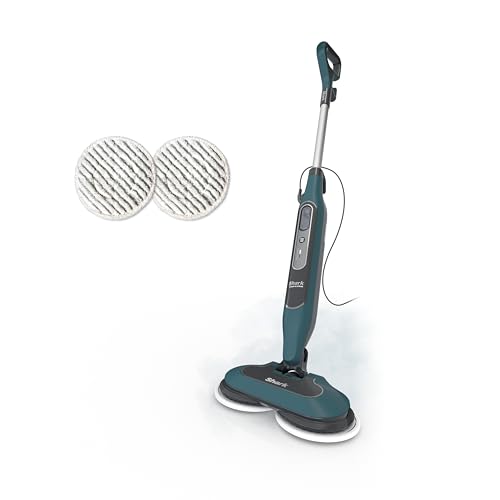
For grout cleaning, the Shark Steam & Scrub S700 stands out for its consistent steam output and two steam settings that help you shift between everyday cleanups and tougher spots. That steady blast of steam matters on grout because it loosens grime without requiring lots of harsh scrubbing passes. It heats up quickly and the long 22 ft cord makes it easier to work row by row across kitchen or bathroom tile without constantly changing outlets.
The main trade-off is pad clogging. If you are steaming heavy, embedded soil in grout lines, the pad can fill up faster than you expect, so you may need more frequent pad changes to keep steam and scrubbing action even. Also, grout requires caution with steam. Start on the least visible area and use shorter bursts, especially on older or more delicate grout, to avoid over-wetting or loosening issues.
For grout cleaning, the FEPPO Dual Rotating Pads Steam Mop stands out for its consistent steam output and fast warm-up. The steam helps lift everyday grime that collects between tile lines, so you spend less time scrubbing and more time guiding the pads across the floor. Its dual rotating pads also make it easier to cover grout areas evenly, which helps reduce missed spots when you are working along edges and seams.
The trade-off is how it handles steam controls and pad workflow. There is no clear count of steam settings listed, so you may not get much adjustment when grout is heavily stained. Also, the pad segregation workflow takes a little care to manage, and the plastic feel is slightly flimsy, so gentle handling matters. Best for homeowners who want quick, repeatable steam passes for grout refresh on sealed tile, not for deep stain restoration that needs lots of tuning.
Grout-Safe Cleaning Performance: Prioritize steady steam that loosens sticky residue and light buildup along grout lines. Strong performance matters more than surface speed. The goal is fewer repeat passes with less streaking.
Pad Contact and Shape: Look for a mop head and pad setup that keeps contact as you move across grout grooves. Models with rotating or multiple-pad designs can help the pad stay aligned when you clean tight lines.
Heat-Up Speed: Fast heat-up reduces downtime between rooms and makes spot grout work practical. A longer warm-up pushes you toward larger sessions, which can reduce how often you clean grout.
Water Tank Capacity for Continuous Runs: Grout takes time, so a larger tank can cut how often you refill. For grout lines, aim for a design that lets you keep going without messy reloading.
Control of Wetness: Choose a steam mop that does not flood the floor. A design that holds the pad in place and delivers controlled steam helps keep sealed floors dampness under control.
How We Picked
Products were identified through broad research across review sites and buyer forums, then filtered to only those that qualify as Steam Mops for Grout Cleaning.
Scoring used the same objective pillar framework as the main Steam Mops post, allowing direct comparison of products within this sub-category.
Frequently Asked Questions
Can a steam mop clean grout without damaging it?
Steam helps loosen surface grime in grout lines, especially for sealed tile and grout. Use a low dwell time and avoid heavy scrubbing that can wear down grout sand. For unsealed grout, steam may not lift deep stains and can leave the area uneven.
How do I get better results on grout lines with a steam mop?
Run the mop slowly over the grout so the steam stays in contact longer. If your mop has a focused nozzle or a narrow head, aim the steam directly into the lines. Follow with a dry microfiber pad or cloth to prevent leftover haze.
Do rotating or multiple pad heads help with grout cleaning?
They can help because rotating pads keep pressure even and lift dirt from textured lines. This can reduce the number of passes you need on busy grout. Still, you should target the grout line first, then clean the surrounding tile.
How often should I change or rinse the pads for grout cleaning?
Change the pad when it starts to look dirty or starts smearing. For grout, rinsing can help if your pad is still usable and not saturated. Always let pads dry fully before storing to reduce odor and bacteria.
When should I choose a grout brush or other tool instead of a steam mop?
Use a grout brush when stains stay after a few steam passes. Choose a small brush to work into the line and lift what steam alone cannot. Steam mops work best for light to medium grime on sealed surfaces.
How do steam mops for grout cleaning compare to other steam mops for everyday floors?
Grout-focused models usually give better steam contact on lines through a tighter head or better pad control. Everyday models often clean tile well, but they may not target grout as effectively. If your priority is grout, pick a mop with strong, consistent steam and a head that reaches into the joints.