





Razor Power Core XLR90 Electric Scooter Review
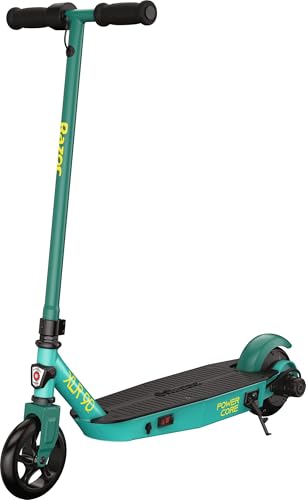
Specifications
| Brand | Razor |
|---|---|
| Motor Power | 90 W |
| Top Speed | 10 mph |
| Range | 10 mi |
| Charge Time | 12 hr |
| Weight | 17 lb |
| Max Load | 120 lb |
Pros
- Strong range and power
Cons
- Speed fades under load
- wet-grip uncertainty
- minor looseness over time
The Verdict
With a 10 mi range and a 6.9 overall rating, the Razor Power Core XLR90 is a small, everyday scooter for short errands and quick commutes. It starts strong, but it can lose speed under heavier load, and wet riding can feel less certain than dry pavement.
Who it's for: Riders who keep trips short, weigh under the 120 lb limit, and accept a bit of performance drop on hills will like it. Its 17 lb weight also suits people who lift it into a car or up a few stairs.
Who should skip it: Anyone who expects steady speed when fully loaded, or who rides often in rain and damp streets, should look at other scooters. The minor looseness that can show up over time can also be a dealbreaker for careful riders.
In-Depth Review
Performance
Razor rates the Power Core XLR90 at a top speed of 10 mph.
For its class, that is enough for errands and quick trips. The 90 W rear-wheel hub motor gives it responsive starts in normal traffic pacing.
Performance holds up best when you ride at a moderate pace. The scooter is also listed for a 120 lb maximum rider weight. Above that, or on steep grades, expect the weakness noted in the cons: Speed fades under load. In real use, that usually shows up as a slower roll-on and less steady effort once the motor works harder.
The range spec is about 10 mi. That number likely reflects typical riding and not constant full-throttle use. Since the speed can drop under load, planning for shorter bursts helps you reach the best riding comfort as the battery drains.
Ride Quality
With a 17 lb weight, this Razor is easy to position and steer, which helps when you hit small road imperfections.
For a scooter that tops out at 10 mph, stability matters more at typical city speeds than at standstill or high-speed sprinting.
Razor also lists a 12 hr charge time, which matters indirectly for ride quality. You want a full charge before longer outings, since sagging power can change how smooth the scooter feels when the motor output drops. When speed fades under load, the ride can feel more “workmanlike” than effortless.
Grip in wet conditions is the clearest ride-quality trade-off. The cons call out wet-grip uncertainty. Because tire size and construction details are not provided, you cannot judge traction from specs. In practice, treat wet pavement as a higher-risk surface and slow down earlier than you would on dry days.
Portability
This is one of the stronger parts of the scooter.
It weighs 17 lb, which makes it realistic to carry up stairs or move through hallways. For transit days, lighter is simpler. You lift it more often, and you tire less doing it.
The portability edge lines up with the pillar score of 6.9 and the mapped phrase “Folds neatly for transit.” The short-range intent also helps. With a stated 10 mi range and a 10 mph top speed, most trips stay local. That means carrying it to and from the door matters more than sustained speed on a long route.
Razor also lists a 120 lb recommended max weight. That rating matters for comfort while carrying and handling the scooter. It supports the idea that the scooter stays stable in everyday use for riders within spec.
Build Quality
Razor’s build quality score is 6.8, landing in the “Sturdy stem, tight fit” zone.
In practice, that usually means the scooter feels stable when you set it down and when you ride over small surface changes. This model is designed for short, frequent use, not heavy off-road abuse.
The cons mention minor looseness over time. That is the big caution for long-term ownership. If you ride regularly and keep folding and unfolding it, small changes at joints can show up. Staying within the 120 lb max rider weight helps reduce stress on the frame and folding points.
Even the battery routine can affect perceived build quality. The 12 hr charge time signals a slower charging cadence. If you keep charging practices consistent, you reduce the chance you ride with partial charge and interpret power sag as a mechanical fault.
Safety
At a safety score of 7.1, the scooter maps best to “Great visibility and control.”
The braking system details are not listed in the extracted specs, so you cannot evaluate rotor size or pad type here. Still, safe riding depends on predictable speed and stopping behavior at the scooter’s realistic pace.
The scooter’s 10 mph top speed keeps most stopping events within a manageable envelope. The 17 lb weight also helps in handling when you need to stabilize quickly. For safety, the key is how the scooter behaves when it is not at peak performance, since the cons warn about speed fading under load.
Wet traction remains the safety wild card. With wet-grip uncertainty called out in the cons, you should avoid aggressive throttle inputs and give yourself more stopping distance on damp days. The 10 mi range number can also matter for safe speed selection. If you ride longer than expected, power drop can shift control feel as battery level declines.
Frequently Asked Questions
What is the maximum rider weight for the Razor Power Core XLR90?
The Razor Power Core XLR90 supports up to 120 lb. If you ride near that limit, expect the scooter to feel less forceful on hills and to use battery faster.
How fast does the Razor XLR90 go and does it maintain speed on a commute?
It lists a top speed of 10 mph. In real use, riders report speed fades under load, so sustained speed can drop as the battery level falls or when you accelerate repeatedly.
How much range can I expect on the Razor Power Core XLR90?
Razor rates the range at about 10 mi per charge. Your actual range depends on rider weight, terrain, and how often you ride at full speed.
How long does it take to charge, and what should I do for daily charging?
Charging takes about 12 hours. For routine use, plan to charge overnight and avoid running the battery all the way down if you want consistent performance.
Does the Razor XLR90 handle wet pavement safely?
Some riders note wet-grip uncertainty. If it is raining or the road is slick, ride slower, brake earlier, and avoid sharp turns until you know how the tires grip on your route.
Is the Razor XLR90 easy to carry and store since it weighs 17 lb?
At 17 lb, it should be manageable for lifting into an apartment or loading into a car. The portability score also reflects that the design is built for everyday handling, but you will still want to check the latch and stem feel before each ride.
Final Verdict
Razor Power Core XLR90 is a solid choice for short trips when you want strong range and power to match everyday errands. It starts with good punch, but performance slips when you push it hard or ride in heavier conditions. Braking and visibility hold up, yet wet traction can feel less predictable. That balance makes it a recommended buy for flatter routes and moderate loads, not for steep climbs or all weather confidence.
Consider it if your rides are mostly dry and quick, and you can accept speed fade when the battery and load get tough. If that matches your needs, this is a sound pick.
Razor Power Core XLR90 Electric Scooter
As an Amazon Associate, we earn from qualifying purchases.