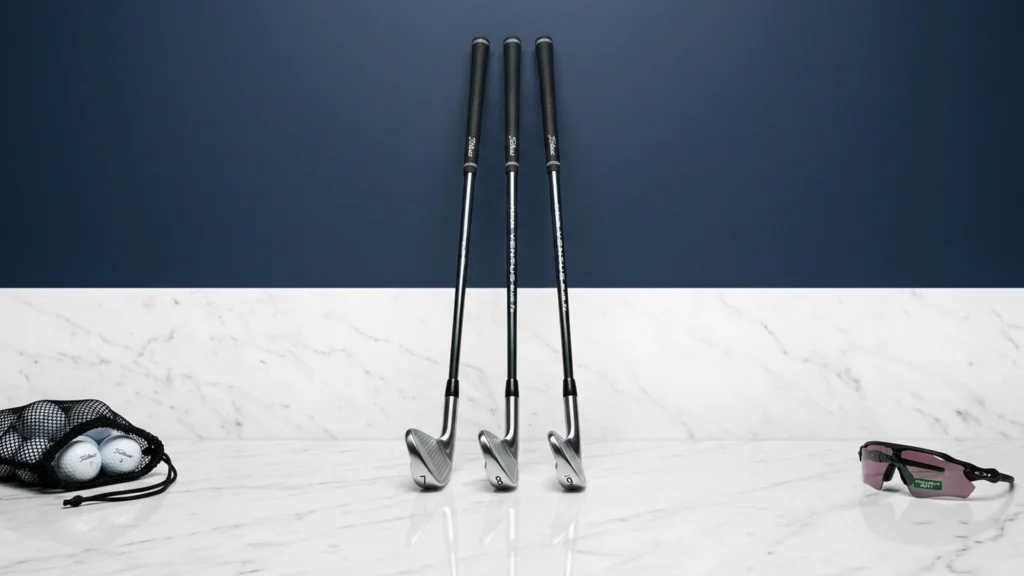
Golf irons with a graphite shaft use lighter, more flexible materials than steel. That changes feel at impact and how the club delivers launch. In this sub-category, buyers usually want easier height, smoother swings, and less effort for solid ball speed.
The tricky part is trade-offs. Graphite can help launch, but it can also blur yardage if the flex and weight do not fit your swing. Some models also shift spin and gapping from one iron to the next. You must match the shaft flex and weight to your tempo, not just the head.
Use the criteria below to compare sets and utilities in this graphite segment, then connect your findings back to the bigger buying list in our guide: Looking for all types? See our Best Golf Irons.
Quick Overview
Our Top Picks
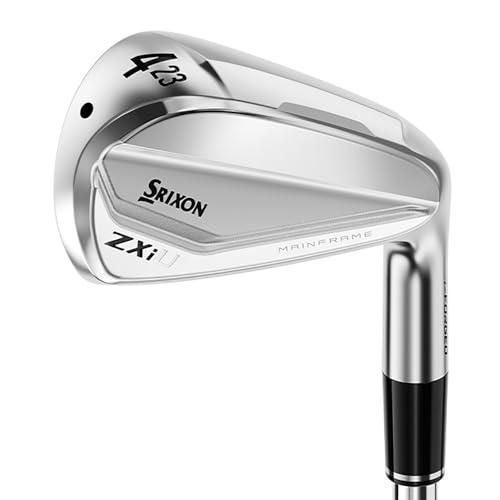
#1. Srixon ZXiU Utility (2025) Utility Iron
Specifications
| Brand | Srixon |
|---|---|
| Iron Type | Utility |
| Set Makeup | #4 |
| Head Design | Hollow Body |
| Shaft Material | Graphite |
| Shaft Flex | Regular |
| Hand Orientation | Right Hand |
Pros
- Reliable launch and carry
- Clean sound and feedback
- Cavity-back forgiveness
Cons
- Limited set coverage
- Hollow feel
The Srixon ZXiU Utility (2025) Utility Iron stands out among Golf Irons with Graphite Shafts because it delivers an easy, consistent launch while keeping your distance under control. The hollow body design and graphite build help you get up in the air without forcing a higher swing speed. Players also tend to notice a clean sound at impact and feedback that makes strike quality feel clearer than many utility irons.
The main trade-off is set coverage. It is a single utility iron, so it does not replace a full range of irons on its own. There is also a hollow feel at impact, which some golfers will love for its light response, but others may find less solid than a more traditional blade or muscle back. Best fit: golfers who want one graphite-shaft utility option to smooth out long approach shots and fairway contact.
#2. TaylorMade P-UDI Utility Iron

Specifications
| Brand | TaylorMade |
|---|---|
| Iron Type | Utility |
| Set Makeup | #2 |
| Head Design | Hollow Body |
| Shaft Material | Graphite |
| Shaft Flex | X-Stiff |
| Hand Orientation | Right Hand |
Pros
- Reliable launch and carry
- Cavity-back forgiveness
- Worth the price tag
Cons
- Too stiff for most
- Setup-dependent performance
- Off-center sound penalty
The TaylorMade P-UDI Utility Iron stands out in graphite-shaft iron sets because it keeps launch up while staying easier to hit than many utility options. The hollow body design helps maintain ball speed on a range of strikes, which matters when graphite shafts already make players focus more on feel than pure swing weight. On full shots, it tends to deliver solid carry and a controlled trajectory, with gapping that stays predictable through the set.
The main trade-off is fit and tempo. With an X-stiff flex listed, it can feel too boardy for golfers who need help loading the shaft. Also, performance can depend on setup, so small changes in ball position and strike location may show up quickly. If you hit the center more often, the cavity-backed forgiveness helps, but off-center strikes can bring a noticeable sound penalty.
#3. TaylorMade P?UDI Utility Iron

Specifications
| Brand | TaylorMade |
|---|---|
| Iron Type | Utility |
| Set Makeup | #3 |
| Shaft Material | Graphite |
| Shaft Flex | Stiff |
| Hand Orientation | Right Hand |
Pros
- Worth the price tag
- Graphite launch boost
- Penetrating trajectory
Cons
- Clicky mishits
- Strike-dependent feel
Graphite utility irons are built for easier launch and more playable distance, and the TaylorMade P?UDI Utility Iron does that job well. In this sub-category, its most noticeable trait is the penetrating, consistent trajectory paired with a graphite launch boost that helps you get the ball up without forcing your swing. Shots tend to feel stable through impact, so the #3 pick status makes sense for golfers who want a utility iron that stays predictable from setup to carry distance.
The trade-off is feel. On cleaner strikes, it comes across solid and confident, but mishits can sound clicky. Expect the feedback to be strike dependent, so this is best for players who can control contact more often than not and still want help getting height and carry from a utility loft.
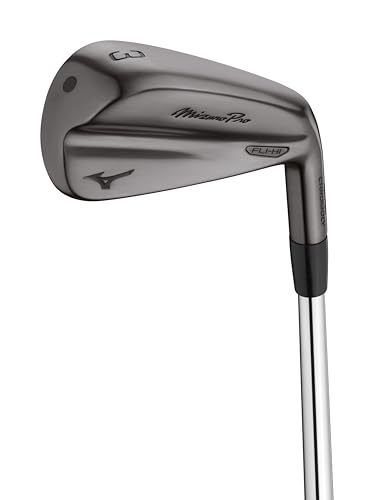
#4. Mizuno 211202 Utility Iron

Specifications
| Brand | Mizuno |
|---|---|
| Shaft Material | Graphite |
| Shaft Flex | Stiff |
| Hand Orientation | Right Hand |
Pros
- Worth the price tag
- High-launch design
Cons
- Model-specific reviews missing
These utility-style Mizuno irons stand out in graphite-shaft golf irons because they are built for easier launch and higher, more controllable carry. The graphite shaft helps most players get the ball up without fighting timing, which is key when you want dependable distance from tighter lies or mid-set gaps. The result is a set that feels more user-friendly than many players-distance heads that lean on you to deliver speed and strike quality on demand.
There is still a trade-off. Utility irons tend to be more demanding than a full game-improvement set, so your contact needs to be fairly consistent to keep gapping tight. Stiff graphite can also feel stable but less forgiving for players who prefer a softer kick for height. This is a strong pick for golfers who want launch help in a utility build and can strike the face with decent accuracy, even if model-specific reviews are not widely documented.
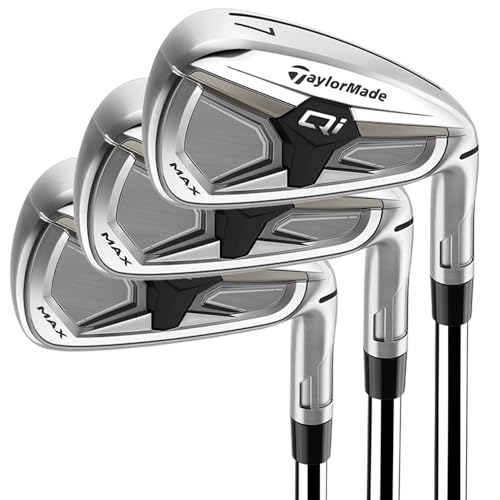
#5. TaylorMade M2118709 Iron Set

Specifications
| Brand | TaylorMade |
|---|---|
| Set Makeup | 5-PW,AW |
| Shaft Material | Graphite |
| Shaft Flex | Stiff |
| Hand Orientation | Right Hand |
Pros
- Game-improvement yardage
- Geocoustic sound engineering
Cons
- Model-specific evidence gap
- Feel inconsistency
These graphite-shaft irons stand out for how they try to make distance easier without feeling like a launch monitor experiment. The TaylorMade M2118709 pairs a game-improvement style set with graphite, which can help many players get the ball up and keep speed up through the set. You also get TaylorMade's Geocoustic sound engineering, so the impact note tends to feel tuned rather than harsh or tinny.
The main trade-off is consistency in feel from strike to strike. Some golfers may love the smooth feedback, while others notice variation when contact is not centered. It also has a model-specific evidence gap, so the safest fit is a player who wants graphite comfort and higher launch, and is willing to test fitting details like loft and lie for their swing.
What to Look For
Shaft fit (flex and weight): Graphite irons require correct flex to keep your launch and distance stable. If you can find only one spec, start with shaft flex. Then check shaft weight and compare it to your current irons for swing feel.
Launch height consistency across lofts: Graphite shafts can launch high. Still, you need predictable results from 6-iron to wedge. Prioritize models that report repeatable trajectory rather than irons that only feel right in the mid irons.
Distance and gapping control: Look for set designs that keep carry gaps from tightening or jumping. Your goal is consistent yardage from one club to the next, not just good total distance on perfect hits.
Spin and stopping power: Graphite often changes ball flight feel. Check whether the iron delivers enough spin for your typical conditions. If you play firm courses, make sure the higher launch does not turn into low spin.
On-mishit forgiveness: With graphite, dispersion can widen if the club does not maintain ball speed on toe and heel strikes. Use feedback from off-center tests to judge whether the iron keeps direction and distance loss small.
How We Picked
Products were identified through broad research across review sites and buyer forums, then filtered to only those that qualify as Golf Irons with Graphite Shaft.
Scoring used the same objective pillar framework as the main Golf Irons post, allowing direct comparison of products within this sub-category.
Frequently Asked Questions
Are graphite-shaft irons good for distance and launch?
Yes, graphite shafts often help the ball launch higher. Many golfers also see more overall distance. The gain depends on head loft and your swing speed, so test your carry numbers if possible.
Will graphite-shaft irons feel too light or unstable on mishits?
Not usually, but it depends on the flex and head design. Regular and stiff graphite options can feel stable if the swing weight matches you. Forgiving iron designs usually keep direction and distance steadier on toe and heel strikes.
How do I choose graphite flex for iron shafts?
Start with your usual iron shaft recommendation from your driver or your current set. Higher swing speeds often prefer stiff or extra-stiff, while slower speeds often do better with regular. If you feel shots launch too low, try a softer flex rather than just adding loft.
Do I need special care for graphite-shaft irons?
You do need a little extra care, but it is simple. Wipe the shafts after rounds and avoid harsh chemicals on grips and finishes. Store your clubs so they do not rattle in the bag, which can loosen grips over time.
When should I choose steel-shaft irons instead of graphite-shaft irons?
Choose steel if you want a firmer, more controlled feel and lower launch. Steel can also suit players who strike the center often and like a lower, more penetrating flight. If you mostly struggle to get the ball airborne, graphite is often the better match.
How do graphite-shaft irons compare to steel irons for spin and stopping power?
Spin mainly comes from the iron head and your strike quality. Graphite shafts can help you reach the right launch angle, which can indirectly improve spin. For stopping power, focus on consistent contact and proper scoring-iron loft.


