




The 5 Best Mini-LED Televisions in 2026

Transparency Note: This post contains affiliate links. As an Amazon Associate, we earn from qualifying purchases at no extra cost to you.

Mini-LED televisions use a backlight made of many smaller LED zones. That zone control is the key to better black levels than standard LED TVs, especially in dark scenes and night-time content. For buyers, the goal is simple: strong contrast with fewer bright halos, plus stable processing that keeps up with sports and video games.

Choosing is harder than it sounds because Mini-LED sets vary by local dimming quality, how many zones they have, and how clean the picture stays during fast motion. Some models also trade away dark-scene detail for a smoother look. On the gaming side, input lag and motion handling matter more than the marketing refresh rate.

If you want guidance across every TV type and size, see our Best Televisions. Looking for a Mini-LED-specific shortlist, the criteria below will keep you focused on contrast, motion, and day-to-day usability.

Quick Overview

TCL 65QM9K Television
#1 TCL 65QM9K Television
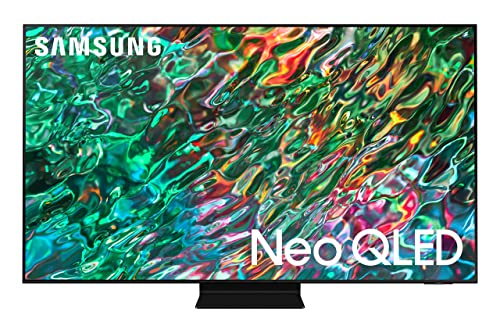
Samsung E1SAMQN55QN90BARB Television
#2 Samsung E1SAMQN55QN90BARB Television
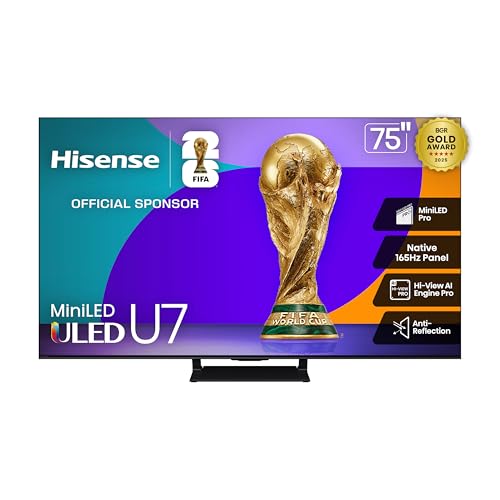
Hisense 75U75QG Television
#3 Hisense 75U75QG Television
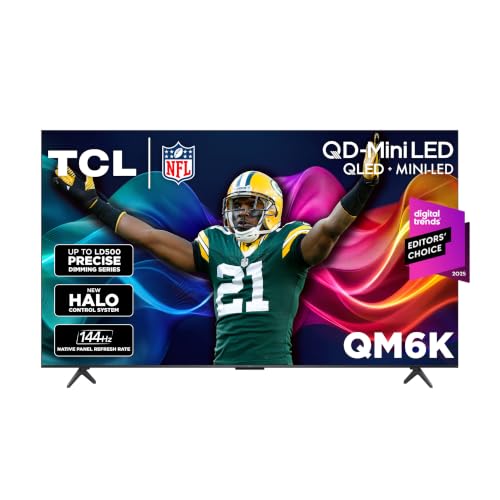
TCL 55QM6K Television
#4 TCL 55QM6K Television
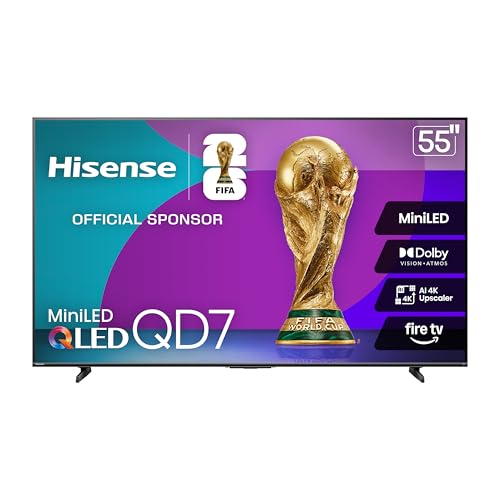
Hisense 55QD7QF Television
#5 Hisense 55QD7QF Television

Our Top Picks

#1. TCL 65QM9K Television

TCL 65QM9K Television
Our Score
8.0 / 10
hover for details
Picture
8.6
Motion
7.2
Smart Features
7.6
Design
7.6
Audio
8.1
Value
7.9
BrandTCL
Screen Size65 in
Resolution4K UHD
Display TypeMini-LED
Refresh Rate144 Hz
Hdr FormatsDolby Vision
Smart PlatformGoogle TV
  • Deep blacks, vivid color
  • Full sound with solid bass
  • Uncertain firmware rollout
  • Late model availability

With Mini-LED backlighting, this 65-inch TCL model stands out for its picture punch. You get deep blacks and vivid color, and dark scenes keep more detail than many standard LED sets. Motion is also handled well for sports and fast content thanks to a 144 Hz refresh rate and smooth processing.

The main trade-off is not the panel. Instead, it is the software side. Some buyers may wait longer for firmware updates, and newer availability can be an issue. If you want a mini-LED TV that looks strong in both bright and dark rooms and you still care about decent built-in sound, this is a top choice.

#2. Samsung E1SAMQN55QN90BARB Television

Samsung E1SAMQN55QN90BARB Television
Our Score
7.8 / 10
hover for details
Picture
8.6
Motion
7.1
Smart Features
8
Design
7.1
Audio
6.9
Value
8
BrandSamsung
Screen Size55 in
Resolution4K UHD
Display TypeMini-LED
Smart PlatformTizen
Dimensions30.2 x 9.3 x 48.3 in
  • Deep blacks, vivid color
  • Premium contrast panel
  • Limited HDR formats
  • Blooming at angles
  • Dialogue muffling

This Samsung 55 in Mini-LED model stands out for its strong contrast. You get deep blacks and vivid color that hold up in everyday rooms. In dark scenes, the local dimming helps keep detail without turning the picture into a gray haze. The contrast panel also makes bright highlights feel more punchy than what many standard LED sets can manage.

The main trade-off is image consistency and HDR flexibility. Blooming can show up when you watch from wider angles. HDR format support is also limited, so some discs and streaming sources may not look as impactful. Audio is another weak spot, with dialogue that can sound a bit muffled unless you tweak settings or use a soundbar.

#3. Hisense 75U75QG Television

Hisense 75U75QG Television
Our Score
7.7 / 10
hover for details
Picture
8.3
Motion
7.6
Smart Features
7.1
Design
6.3
Audio
7.6
Value
8.2
BrandHisense
Screen Size75 in
Resolution4K UHD
Display TypeMini-LED
Refresh Rate165 Hz
Hdr FormatsHDR10+, Dolby Vision
Smart PlatformGoogle TV
Dimensions37.9 x 3 x 65.7 in
  • Deep blacks, vivid color
  • Advanced HDR support
  • Strong smart TV OS
  • Not enough HDMI ports
  • So-so fit and finish
  • Firmware update risk

This 75 in Hisense Mini-LED stands out for picture depth and HDR punch. You get deep blacks and vivid color, which matters with Mini-LED because the backlight has to manage contrast scene by scene. With HDR10+ and Dolby Vision support, highlights look bright and detailed without turning the dark areas into gray. Motion is also handled well for the class, helped by a 165 Hz panel for fast scenes like sports and action movies.

The main trade-off is connectivity and polish. Expect a tight port setup, since the HDMI count is limited. Fit and finish feel only average, and firmware updates can be a risk, so plan on some learning time with the settings. This is a good pick for viewers who care most about Mini-LED contrast and HDR results, and who are fine using fewer external devices.

#4. TCL 55QM6K Television

TCL 55QM6K Television
Our Score
7.6 / 10
hover for details
Picture
8.5
Motion
7.1
Smart Features
7.3
Design
7.4
Audio
6.2
Value
8.4
BrandTCL
Screen Size55 in
Resolution4K UHD
Display TypeMini-LED
Refresh Rate144 Hz
Hdr FormatsDolby Vision, HDR10+, HDR10, HLG
Smart PlatformGoogle TV
Dimensions30.5 x 11.6 x 48.4 in
  • Deep blacks, vivid color
  • Strong features at price
  • Strong smart TV OS
  • Not enough HDMI ports
  • A bit thin and harsh

This TCL 55QM6K is notable in the Mini-LED TV set because it delivers deep blacks and vivid color without needing OLED-level lighting control. Its mini-LED backlight and local dimming help keep dark scenes richer, while the HDR mix, including Dolby Vision and HDR10+, stays punchy with good highlight detail. For a 55 in Mini-LED model, it also has strong handling of everyday content, so movies and streaming look more contrasty than typical standard LED sets.

The main trade-off is practical. HDMI port count is limited, so it can feel tight if you use a console, streaming box, and sound setup at the same time. Audio is fine for casual viewing, but it leans a bit thin and harsh. Motion is solid for sports and fast games at 144 Hz, yet it is not the smoothest option for the most demanding players. Google TV is the bright spot for convenience, with a quick, steady interface for common apps.

#5. Hisense 55QD7QF Television

Hisense 55QD7QF Television
Our Score
7.6 / 10
hover for details
Picture
8.1
Motion
6.6
Smart Features
7.2
Design
7.2
Audio
7.3
Value
8.6
BrandHisense
Screen Size55 in
Resolution4K UHD
Display TypeMini-LED
Refresh Rate48 Hz
Hdr FormatsHDR10+, Dolby Vision
Smart PlatformFire TV
Hdmi Ports4 ports
Dimensions28.1 x 3 x 48.3 in
  • Deep blacks, vivid color
  • Advanced HDR support
  • Crisp 4K clarity
  • Some blur in motion
  • Limited smart features
  • Dialogue clarity unknown

The Hisense 55QD7QF stands out in mini-LED TV shopping for its strong contrast and deep black levels. In real viewing, that means darker scenes keep more detail, instead of turning into a flat gray. HDR also looks lively, with support for HDR10+ and Dolby Vision, which helps highlights look brighter without totally washing out nearby tones. Add crisp 4K clarity, and you get a screen that looks sharp on both streaming and cable.

The main trade-off is motion handling. At its 48 Hz refresh rate, some blur can show up on fast action, like sports or quick camera pans. It also leans on Fire TV, which is easy to use, but the smart experience feels less complete than some competitors. If you mostly watch movies, TV drama, and daytime sports from a normal seating distance, this mini-LED model fits well.

What to Look For

Local dimming behavior in real scenes: Check for blooming around bright objects on dark backgrounds. The best Mini-LED TVs control zones cleanly without turning dark scenes gray or creating obvious halos.

HDR tone mapping that stays detailed: Look for HDR highlights that keep texture, not just a bright glare. Mini-LED models should show separation in clouds, night skies, and specular highlights without crushing shadow detail.

Motion clarity for sports and action: Use the refresh rate plus motion processing together. Prioritize TVs that reduce judder and keep fast edges clear, and confirm whether motion smoothing adds artifacts you can see.

Gaming basics that reduce friction: Verify features like VRR and ALLM if you game. Then evaluate input lag and whether motion remains stable on fast titles, especially in scenes with high contrast.

Smart platform speed you will feel: Mini-LED TVs often push processing for picture and upscaling, so the UI should not lag. Pick a platform that opens apps quickly, supports major streaming services, and handles searches without stalling.

How We Picked

Products were identified through broad research across review sites and buyer forums, then filtered to only those that qualify as Mini-LED televisions. That filter keeps the list focused on models with zone-based backlighting rather than generic LED TVs.

Scoring used the same objective pillar framework as the main Televisions post, allowing direct comparison of products within this sub-category. Picture, motion, smart features, design, audio, and value each contributed to the total score based on real-world behavior like dimming control, motion stability, UI responsiveness, and everyday sound quality.

Frequently Asked Questions

What makes mini-LED TVs different from regular LED TVs?

Mini-LED TVs use many smaller backlight zones instead of a few large ones. This helps them get brighter highlights and deeper blacks. They also reduce blooming around bright objects on dark backgrounds.

Will a mini-LED TV look better in a bright living room?

Often, yes. Mini-LED TVs can reach higher peak brightness than many standard LED sets. That makes HDR highlights easier to see in daylight.

Do mini-LED TVs struggle with blooming or halo effects?

They can still show some blooming, but it is usually less than on regular LED TVs. The effect depends on how many local dimming zones the model has. Scene content also matters, especially for subtitles and night scenes.

Should I choose OLED instead of mini-LED?

Pick OLED if you care most about perfect blacks and zero blooming. Choose mini-LED if you want higher brightness for daytime viewing and strong HDR impact. Mini-LED also tends to be safer for users worried about long-term burn-in.

How do mini-LED TVs compare with QLED or OLED for HDR?

Mini-LED and QLED both rely on backlighting for brightness. Mini-LED often gives more precise dimming than older LED designs, which helps HDR contrast. OLED can look more dramatic in dark scenes, while mini-LED often wins in bright rooms.

See Also

Share:
On Key
You Might Also Like