




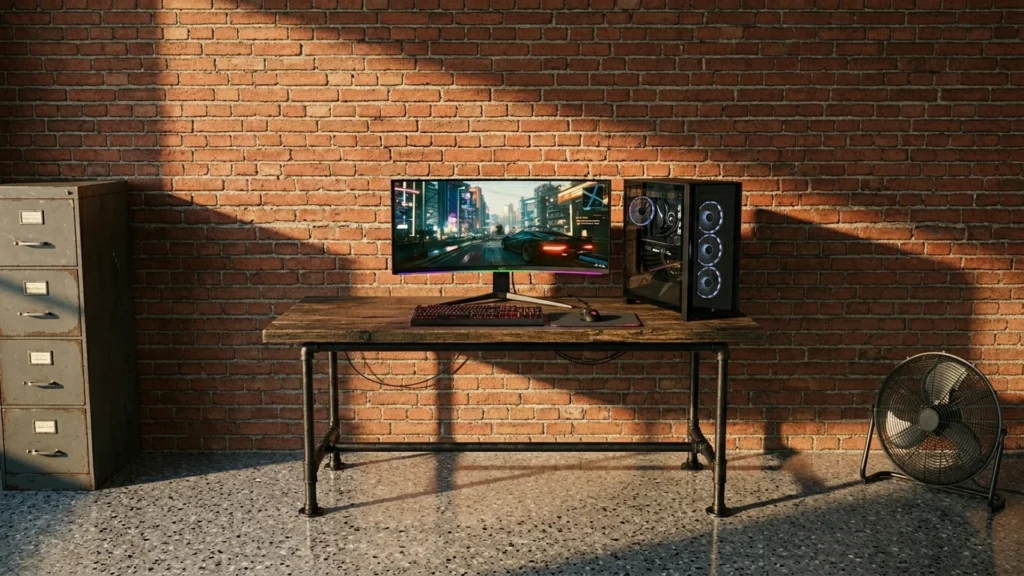
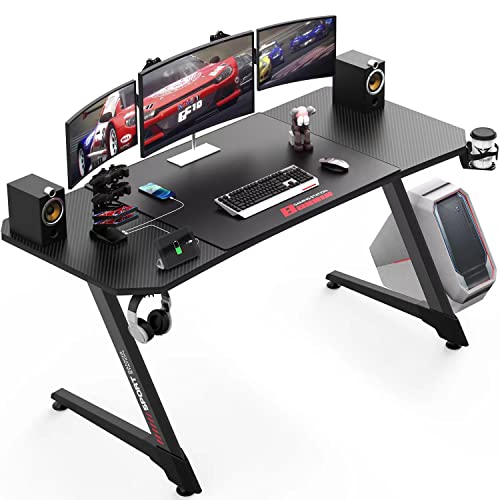
A gaming computer desk is built around how you run long sessions with a PC. That means enough flat space for a monitor, keyboard, and mouse area. It also means room for a tower, controllers, and whatever you set out during play. Buyers in this sub-category also care about a stable surface. A desk that wobbles feels worse at desk-level than it sounds on paper.
Picking one is hard because trade-offs show up fast. More surface area can mean a bulkier footprint. Extra storage can get in the way of knee space. Corner and L-shaped designs can improve layout, but they can also make cable routing harder. Adjustable desks solve one problem but add cost and mechanical parts that you need to trust every day.
Use the criteria below to compare models side by side, especially on stability, layout, and how you will route power and data cables. Looking for all types? See our Best Computer Desks.
Quick Overview
Our Top Picks
#1. Arozzi ARENA-NA-PURE-BLACK Arena Gaming Computer Desk
Specifications
| Brand | Arozzi |
|---|---|
| Desk Type | Gaming Desk |
| Overall Dimensions | 63 x 32.3 x 71-81 in |
| Height Range | 27.95-31.88 in |
| Material | MDF |
| Weight Capacity | 176 lb |
| Cable Management | Cable Cutout |
Pros
- Sturdy, wobble-free
- Wide height adjustability
- Clean cable routing
Cons
- Limited legroom
- Limited evidence durability
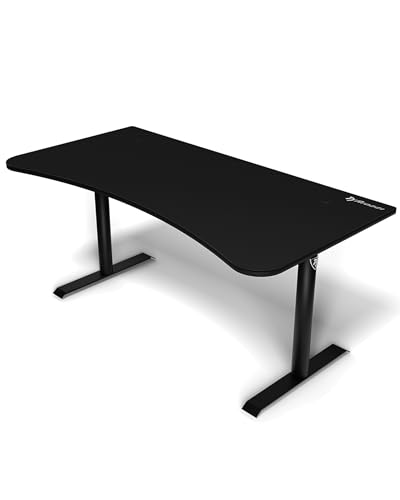
The Arozzi ARENA Arena Gaming Computer Desk stands out for its wide height adjust range and stable feel. It moves between 27.95 and 31.88 in, so you can match your chair height and gaming posture. It also stays wobble-free in typical desk setups, which matters when you are leaning in for longer play sessions. The cable cutout helps keep headset cords, controller cables, and power leads from turning into clutter.
Legroom is the main trade-off. With its 63 x 32.3 in footprint and 176 lb capacity, it works best for people who use a normal sized chair and a smaller monitor arm or speaker layout. If you want a more open under-desk area for frequent stretching or a standing posture, look elsewhere. The construction seems solid, but durability evidence is limited, so consider your tolerance for MDF wear over time.
#2. Homall GD21 L-Shaped Gaming Computer Desk

Specifications
| Brand | Homall |
|---|---|
| Desk Type | Gaming Desk |
| Overall Dimensions | 50.4 x 17 x 27.5 in |
| Material | Engineered Wood |
| Weight Capacity | 220 lb |
| Number Of Shelves | 2 |
Pros
- Worth every dollar
- Adds useful shelving space
- Corner-space optimization
Cons
- Limited legroom
- Some flex noted
- Unclear cable routing
This Homall L-Shaped Gaming Computer Desk stands out for corner-space optimization. With a 50.4 x 17 x 27.5 in footprint and two shelves, it turns the usual dead corner into a spot for games, headsets, and desk clutter. The engineered wood top and 220 lb capacity make it practical for a typical gaming setup, including a monitor plus a keyboard and mouse area on the main run.
The trade-off is comfort. Some users will feel limited legroom because the L shape narrows the open area under the desk. There is also a bit of flex, and cable routing is not obvious, so you may need extra ties or a simple tray to keep cords from crossing your chair path. This is a solid pick for gamers who want better organization in tight rooms, not for those who prioritize maximum under-desk space.
#3. Atlantic 78006248 Original Gaming Computer Desk

Specifications
| Brand | Atlantic |
|---|---|
| Desk Type | Gaming Desk |
| Overall Dimensions | 53.38 x 29.13 x 29.5 in |
| Height Range | 29.5-29.5 in |
Pros
- Worth every dollar
Cons
- Limited legroom
- Limited height adjustment
- Some flex noted
This Atlantic gaming desk stands out because it is built to feel stable under typical gaming setups, like a monitor arm and a heavier keyboard and mouse setup. In a category where many desks feel wobbly, this one keeps most of the movement down. The desk also stays practical for long sessions, since the overall layout supports a straightforward front-of-desk reach for input devices.
The main trade-off is fit. Legroom is limited, and the height range is fixed at 29.5 in, so it will not suit everyone. Some flex is noted, so lighter users who do not lean hard on the desktop will like it most, while tall players or those who sit wide with lots of gear may want a roomier option.
#4. VITESSE Z-Shaped Gaming Computer Desk

Specifications
| Brand | VITESSE |
|---|---|
| Desk Type | Gaming Desk |
| Overall Dimensions | 28.5 x 55.1 x 23.6 in |
| Material | Steel |
| Weight Capacity | 260 lb |
| Cable Management | Grommet |
Pros
- High weight capacity
- Worth every dollar
- Tidy cable routing
Cons
- Some flex noted
- Limited legroom
- Limited ergonomic proof
This VITESSE Z-shaped gaming desk stands out for its solid, steel-based feel and high 260 lb weight capacity. In a gaming setup, that matters because heavier monitors and stacked gear can make lighter desks wobble. It also keeps things cleaner than many basic gaming desks, thanks to under-desk cable routing through a grommet, which helps keep your mouse area and chair movement less cluttered.
The main trade-off is comfort. With limited legroom, it can feel tight for longer sessions, especially if you use a taller chair or keep a wide keyboard tray area. Some flex is also noticeable, so it is better for players who do not lean or slam game controllers on the desktop. If you want a sturdier desk body and tidy cable routing over maximum under-desk space, this is a good fit.
What to Look For
Build Quality:: Look for a desk frame that stays rigid when you lean on it. For gaming, wobble from light legs or thin boards shows up fast during mouse movements. Check for strong joints and a top that does not sag under a monitor and monitor arm.
Ergonomics for Long Sessions:: Match the desk layout to your posture. You want enough knee and leg room for your chair choice. Also plan for monitor placement. If the desk keeps you too low or too high, you will feel it after an hour of aiming and browsing.
Gaming-Friendly Layout:: Prioritize usable top space where it matters. Keyboard and mouse space should not be split by a corner joint or a shelf edge. If you use an L-shaped or corner workstation, confirm the curve or angle still lets your arms reach comfortably without twisting.
Cable Management:: Verify the desk includes cable paths where you need them. Grommets and trays reduce messy loops near your mouse side and help keep power and display cables from snagging. If you plan to run a headset, controller dock, or extra USB gear, cable routing matters more than you think.
Value for the Features You Use:: Compare price to the things gamers rely on: stability, layout space, and practical organization. A desk with extra storage that blocks your legs is not value. Pay attention to what you actually gain at your play position.
How We Picked
Products were identified through broad research across review sites and buyer forums, then filtered to only those that qualify as Gaming Computer Desks.
Scoring used the same objective pillar framework as the main Computer Desks post, allowing direct comparison of products within this sub-category.
Frequently Asked Questions
What desk size do I need for a gaming setup with two monitors?
Plan for more width than your monitor sizes alone. You also need space for a keyboard, mouse area, and at least a little cable slack. If the desk has a wider top or a corner layout, you can place the monitors so they sit centered to your chair.
Do gaming desks need cable management, or can I use cable ties and bins?
Cable management helps keep power bricks and cables from getting in the way. Look for a grommet hole, a cable cutout, or an under-desk tray. These features make it easier to route charging cords, monitor cables, and headset wires without tangles.
How do I prevent wobble when using heavy monitors and a keyboard tray?
Choose a desk with a strong frame and tight hardware. After assembly, check that all legs sit flat and that the joints feel solid. Also avoid pushing the desk when you reach for peripherals, since small movements can add up over long sessions.
When should I choose a different type of computer desk instead of a gaming computer desk?
Choose a simpler computer desk if you do not need extra gaming space. For example, if you only use one monitor and a basic keyboard, you may not need special layouts. Also consider a regular desk if you want more drawers or a cleaner office style.
How do gaming desks compare to other computer desks for ergonomics and comfort?
Gaming desks usually focus on monitor placement and clear mouse space. Many models also fit common gaming chair setups better, especially with corner or L-shaped layouts. Still, you should confirm the desk height and legroom so your arms stay relaxed while you play.


