





Pro Tips: Make Your Home Appliances Last Longer

We have all been there. You walk into the kitchen on a Tuesday morning, coffee cup in hand, only to find a mysterious puddle under the refrigerator. Or perhaps you go to move a load of laundry, and your dryer is making a sound like a bag of rocks in a blender. It is the moment every homeowner dreads: the appliance breakdown. These machines are the unsung heroes of our daily lives, and when they fail, the chaos is immediate—not to mention the eye-watering cost of replacement.
The good news? Most appliance failures are not inevitable results of old age. More often than not, they are the result of cumulative neglect. Modern appliances are complex machines, but they respond remarkably well to a little bit of proactive TLC. By implementing a few simple maintenance habits, you can potentially double the lifespan of your expensive household gear, keep your energy bills low, and avoid those emergency repair calls that always seem to happen on a holiday weekend. Let’s dive into the practical, hands-on steps you can take today to protect your investments.
The Refrigerator: More Than Just a Cold Box
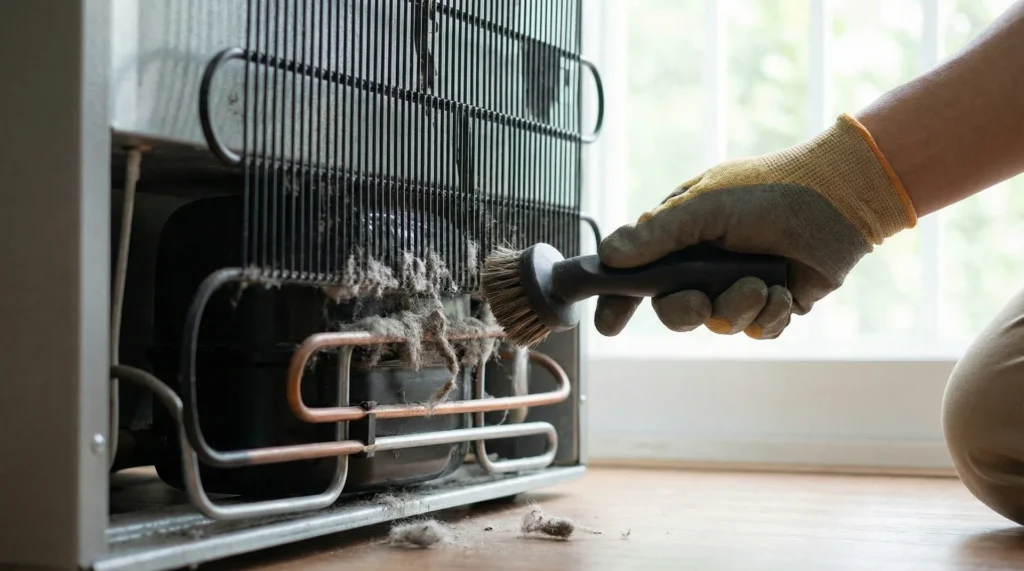
Your refrigerator is likely the hardest-working machine in your home. It runs 24 hours a day, seven days a week, 365 days a year. Because it is always on, it is also the most susceptible to wear and tear. One of the most common causes of compressor failure—the heart of the fridge—is overheating due to dirty condenser coils. These coils are responsible for dissipating heat, and when they get covered in a thick layer of dust and pet hair, the motor has to work twice as hard to keep things cool.
To fix this, pull your fridge away from the wall (or remove the bottom grill) and use a vacuum with a brush attachment or a specialized coil brush to clear the debris. While you are back there, check the door seals, or gaskets. If they are cracked or dirty, cold air escapes, forcing the fridge to run constantly. A simple wipe-down with warm, soapy water can keep the rubber flexible and the seal airtight. If you can slide a dollar bill through the door when it is closed, it is time to replace that seal.
Another often-overlooked tip is maintaining the right internal temperature. Setting your fridge too cold doesn’t just freeze your lettuce; it puts unnecessary strain on the cooling system. Aim for 37-40°F (3-4°C) for the fridge and 0°F (-18°C) for the freezer. This balance keeps food safe while giving the machinery a much-needed break. Finally, keep it full! A full fridge retains cold better than an empty one, though you should avoid overstuffing to the point where air cannot circulate.
The Dishwasher: Preventing Clogs and Smells
Many people assume that because a dishwasher uses soap and hot water, it cleans itself. Unfortunately, that is far from the truth. Over time, bits of food, grease, and undissolved detergent build up in the filters and spray arms, leading to odors and, eventually, mechanical failure. If your dishes aren't coming out sparkling, it is probably a maintenance issue rather than a sign you need a new machine.
The first step is cleaning the filter. Most modern dishwashers have a manual-clean filter at the bottom of the tub. Twist it out and rinse it under hot water to remove any gunk. Next, take a look at the spray arms. Small seeds or bits of plastic can get lodged in the tiny holes where water sprays out. Use a toothpick or a small piece of wire to clear these obstructions so the water can flow freely. It’s a five-minute job that can drastically improve performance.
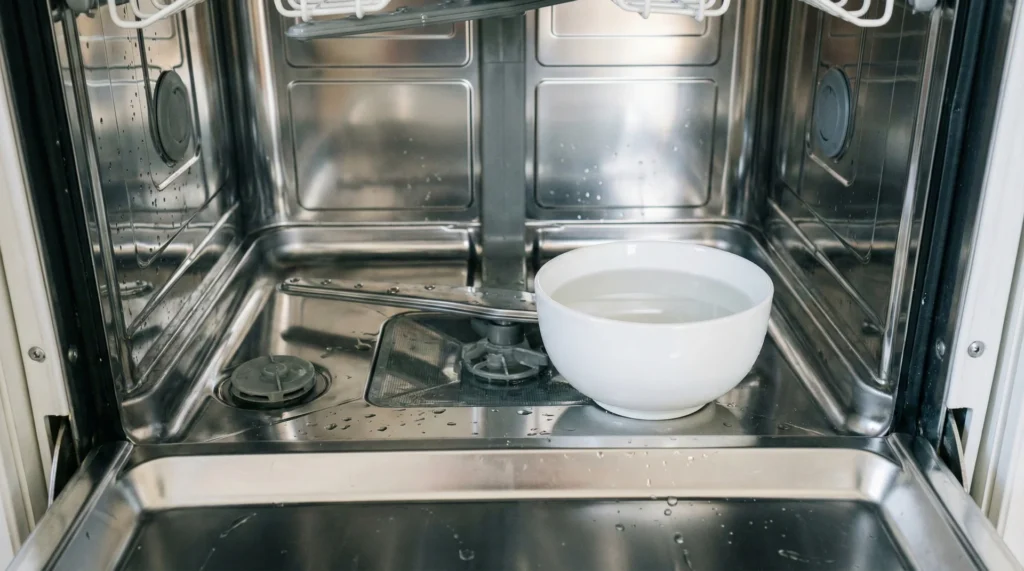
To tackle internal buildup, try a monthly vinegar rinse. Place a dishwasher-safe bowl filled with white vinegar on the top rack of an otherwise empty machine and run a hot cycle. The acid in the vinegar helps dissolve mineral deposits from hard water and cuts through grease. It also acts as a natural deodorizer, leaving your kitchen smelling fresh instead of like damp leftover pasta.
Ensuring Proper Drainage
Beyond the internal cleaning, check the drain hose periodically. If your dishwasher isn't draining fully, there might be a kink in the hose or a clog in the garbage disposal connection. Always run your garbage disposal before starting a dishwasher cycle to ensure the drain path is clear. This prevents dirty water from backing up into the machine, which can damage the pump over time.
Washing Machines and Dryers: Managing Moisture and Heat
Laundry appliances deal with some of the harshest conditions in the home: high heat, heavy vibrations, and constant moisture. Let’s start with the washing machine. If you have a front-loader, you are likely familiar with the dreaded "smell." This is usually mold or mildew growing in the rubber door gasket where water tends to pool. After every wash, leave the door slightly ajar to let the drum air out, and wipe down the seal with a dry cloth.
For both front and top loaders, avoid the temptation to use too much detergent. In the age of High-Efficiency (HE) machines, more soap does not mean cleaner clothes; it means more residue that builds up in the outer tub and clogs the internal sensors. Stick to the manufacturer’s recommended amount, which is often much less than you think. Additionally, check the rubber hoses that connect to the water supply every few months. If you see any bulging, cracking, or signs of leaking, replace them immediately with braided stainless steel hoses to prevent a catastrophic flood.
The Critical Importance of Dryer Vents
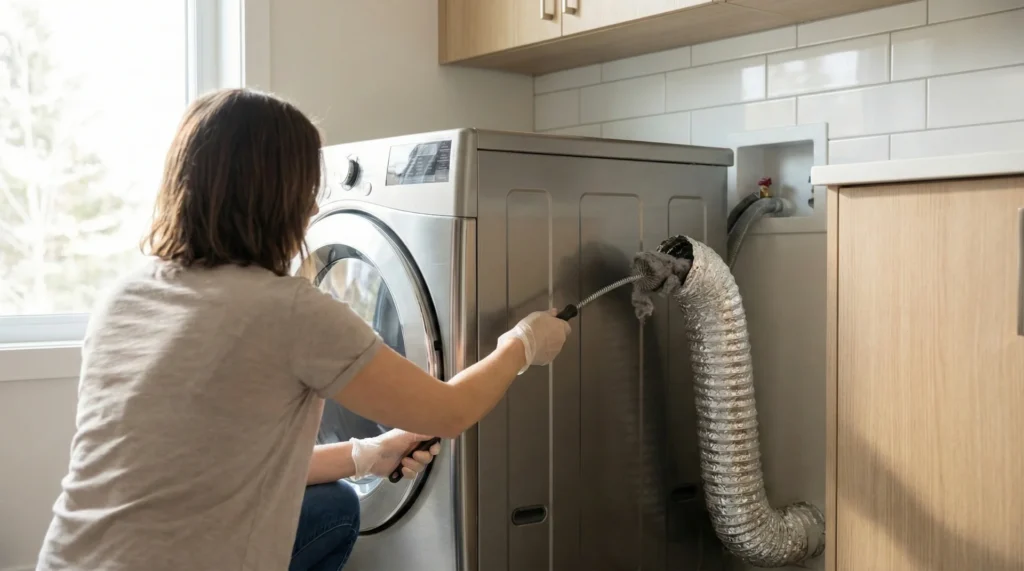
The dryer is a different beast entirely. While cleaning the lint trap after every load is non-negotiable, it isn't enough. Over time, lint bypasses the filter and collects in the vent ducting that leads outside. This isn't just an efficiency issue; it is a major fire hazard. If your dryer takes more than one cycle to dry a load, your vent is likely clogged.
At least once a year, disconnect the duct from the back of the dryer and use a vacuum or a vent cleaning kit to clear the entire length of the pipe. Also, check the exterior vent flap to ensure it isn't stuck shut by debris or bird nests. A clear vent allows the dryer to exhaust hot, moist air easily, meaning the heating element doesn't have to stay on as long, which significantly extends its lifespan.
The Oven and Range: Avoiding the Self-Clean Trap
When it comes to the oven, many experts actually advise against using the "self-clean" feature, especially right before a major holiday. The self-clean cycle cranks the temperature to extreme levels (often over 800°F), which can blow thermal fuses or damage sensitive electronic control boards. Instead, a little bit of old-fashioned scrubbing goes a long way. Use a paste of baking soda and water to spot-clean spills before they bake into a permanent crust.
If you have a gas range, the burner ports can become clogged with spilled food or grease, leading to uneven heating or clicking sounds. You can usually lift the burner caps and clean the small holes with a needle or a small brush. For electric glass-top stoves, avoid using abrasive cleaners that can scratch the surface. Instead, use a dedicated cooktop cleaner and a razor scraper for stubborn burnt-on bits. Keeping the surface clean ensures even heat transfer and prevents the glass from weakening over time.
Protecting the Oven Seal
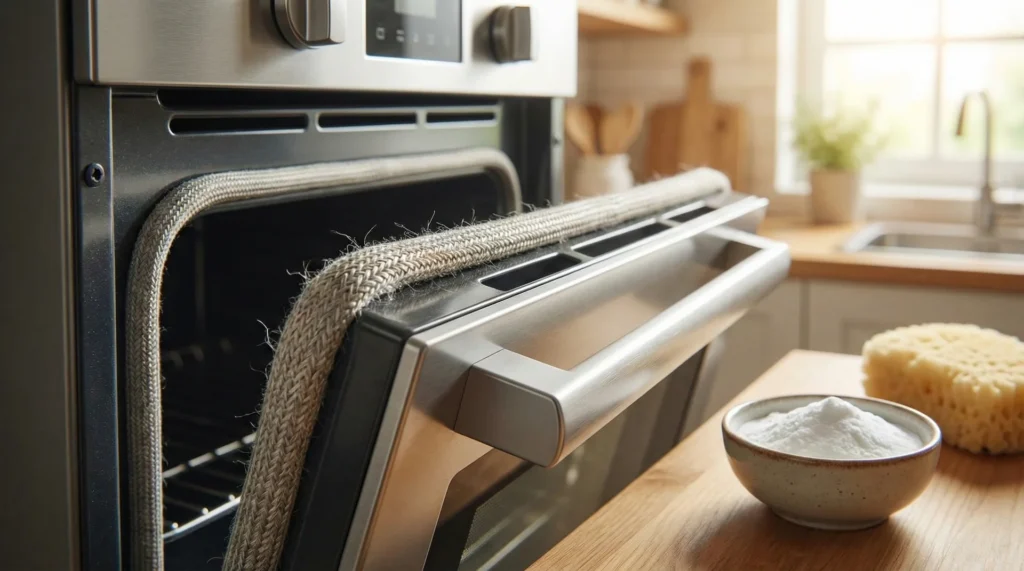
Just like your refrigerator, your oven relies on a gasket to keep the heat inside. If this seal is frayed or loose, heat leaks out, causing your kitchen to get hot and your oven to work harder to maintain temperature. Periodically inspect the fiberglass or rubber gasket around the oven door. If it feels brittle or you can see light escaping when the oven is on, it is time for a replacement. It is a cheap part that pays for itself in energy savings almost immediately.
Don't Forget the Small Stuff: Microwaves and Coffee Makers
While we focus on the big-ticket items, small appliances also benefit from routine care. Microwaves, for example, can suffer if food splatters are left to dry. Those hardened bits of food can actually absorb microwave energy, leading to "hot spots" that can damage the interior coating or even the magnetron. Simply wiping the interior with a damp cloth once a week keeps it running efficiently.
Coffee makers and electric kettles are prone to mineral buildup, especially if you have hard water. This "scale" coats the heating elements, making them work harder and eventually causing them to burn out. Descale your coffee maker every few months using a mixture of vinegar and water (or a commercial descaling solution). Not only will your machine last longer, but your morning cup of coffee will actually taste better without those mineral deposits affecting the flavor.
Universal Rules for Every Appliance
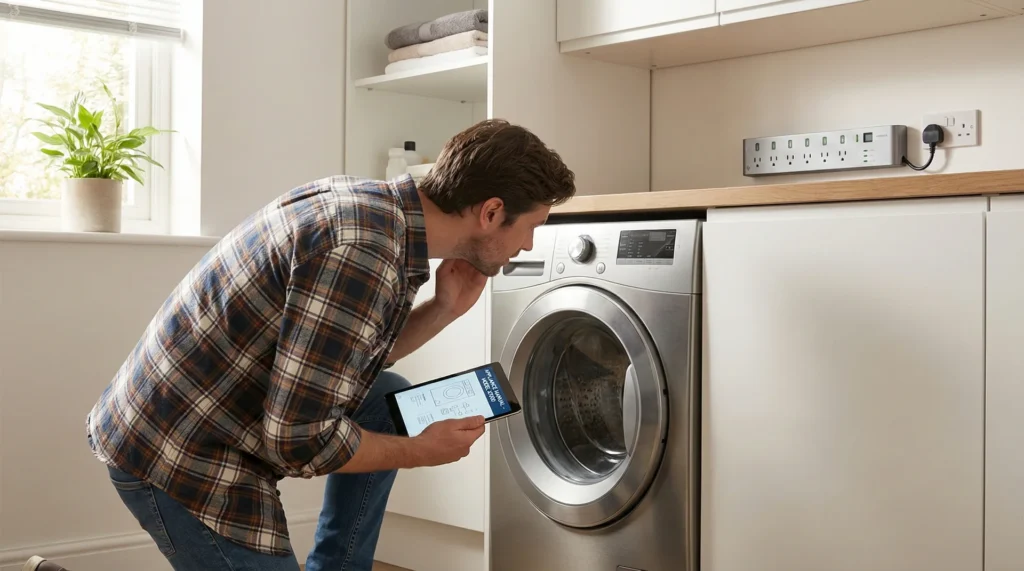
Regardless of the machine, there are a few universal rules that apply across the board. First: read the manual. It sounds boring, but the manufacturer often includes specific maintenance schedules and troubleshooting tips unique to that model. If you’ve lost yours, almost every manual is available for free online if you search for the model number.
Second, invest in surge protectors. Modern appliances are essentially computers that happen to wash clothes or freeze food. A power surge from a storm or a grid fluctuation can fry expensive control boards in an instant. While you can't put a fridge on a standard power strip, you can install a whole-home surge protector at the main electrical panel to protect every circuit in the house.
Finally, listen to your machines. You know what your home sounds like when things are running correctly. If you hear a new thumping, buzzing, or grinding noise, don't ignore it. Usually, a small noise indicates a part that is starting to fail. Replacing a $20 belt or bearing today is much better than replacing a $2,000 appliance next month when that small part finally gives out and takes the rest of the machine with it.
The Long-Term Payoff of Proactive Care
At the end of the day, appliance maintenance is about being a mindful homeowner. It doesn't require a degree in engineering or a massive toolbox; it just requires a bit of consistency. By spending twenty minutes here and there cleaning a filter or vacuuming a coil, you are essentially paying yourself back in the form of fewer repair bills and a longer-lasting home.
We live in a world where it’s often easier to throw things away and buy new ones, but our appliances—and our wallets—deserve better. Treat your machines with respect, keep them clean, and they will return the favor by keeping your life running smoothly for years to come. Start small: pick one appliance this weekend and give it the deep clean it deserves. You’ll be surprised at how much better it performs.