




Electric scooters are small, battery-powered commuters for short trips. They fit between walking and driving, especially for errands, campus routes, and the last mile to transit. In this category, the differences come from how much power you get, how long the battery lasts, and how stable the ride feels.
Picking one gets hard because specs can hide the real trade-offs. Higher top speed often reduces practical range. Larger motor power does not help if the scooter cannot hold speed on hills. Some listings also emphasize battery size without matching it to battery quality, cooling, or weight limits.
This guide breaks the decision into clear buying criteria. You will see what to prioritize, how to spot misleading claims, and how each recommended scooter matches a specific kind of rider and commute.
Quick Overview
Top Picks
Best Overall

Specifications
| Brand | Segway |
|---|---|
| Motor Power | 2000 W |
| Top Speed | 28 mph |
| Range | 50 mi |
| Battery Capacity | 15 Ah |
| Charge Time | 3.5 hr |
| Weight | 54.2 lb |
| Tire Size | 11 in |
Pros
- Stable at commuting speeds
- Long daily range
- Quick charging
Cons
- Bulky when lifting upstairs
- Maintenance-dependent safety
This is the Best Overall pick for riders who want one scooter that works well day after day. The standout trait is how steady it feels at commuting speeds, helped by its strong 2000 W motor and stable handling.
Ride quality is a major strength. The scooter tracks confidently on typical roads, and braking feels controlled for smooth stops. You also get strong real-world range for longer errands and commutes, rated at 50 mi, plus quick charging around 3.5 hr.
The trade-off is portability. At 54.2 lb, it is bulky when you need to lift it upstairs, and safety can depend on staying on top of maintenance. If you want a comfortable, dependable commuter scooter and you do not need frequent upstairs carry, this is the one to get.
Also ranked #1 in: Dual Suspension Electric Scooters · 40-Mile Range Electric Scooters
Best Foldable

Specifications
| Brand | NIU |
|---|---|
| Top Speed | 20 mph |
| Range | 31 mi |
| Battery Capacity | 9.4 Ah |
| Charge Time | 5 hr |
| Weight | 26.2 lb |
| Max Load | 265 lb |
| Tire Size | 9.5 in |
Pros
- Stable at commuting speeds
- Folds neatly for transit
- Great visibility and control
Cons
- Low battery capacity
- Non-disableable alarm
- No suspension ride
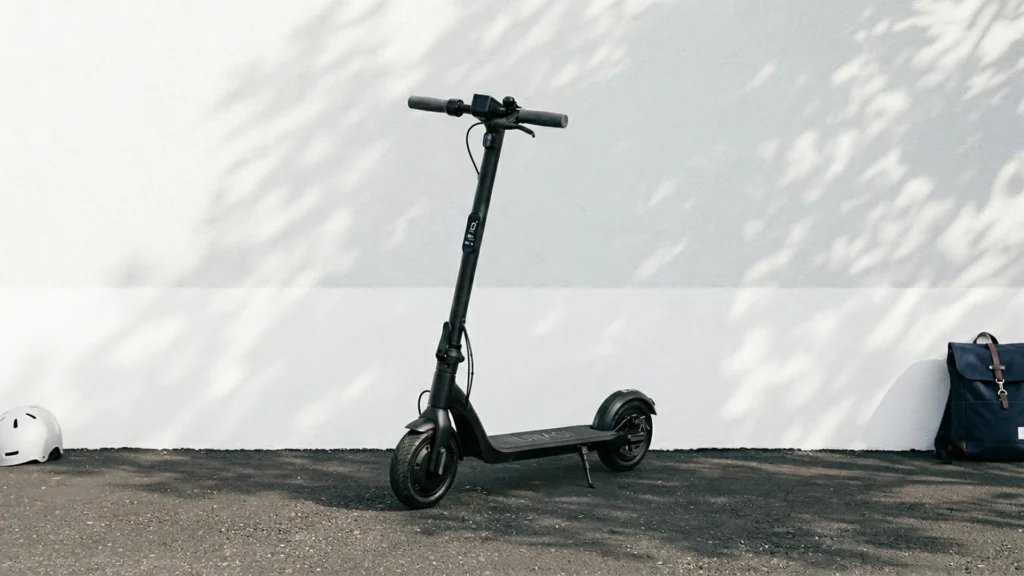
If you want a foldable scooter that works for daily transit, the NIU KQi Air is built for easy carry. It folds neatly and feels stable once you are moving, so you spend less time wrestling with the stem and more time getting where you need to go.
On the ride, it stays controlled at commuting speeds. Braking and visibility feel confident, with great lighting and solid steering response. Build quality also holds up well, with a rigid feel and dependable folding hardware.
The trade-off is range, with a smaller battery capacity that can limit longer rides. The lack of suspension also means you will feel more bumps than on models with spring or shock systems. If you need a commuter-friendly foldable for shorter trips and you prefer stability over a cushier ride, this is a strong pick.
Best 1000W Motor

Specifications
| Brand | NAVEE |
|---|---|
| Motor Power | 1000 W |
| Top Speed | 25 mph |
| Range | 37.5 mi |
| Charge Time | 3 hr |
| Weight | 52 lb |
| Max Load | 265 lb |
| Tire Size | 10 in |
Pros
- Stable at commuting speeds
- Long daily range
- Strong motor output
Cons
- Bulky when lifting upstairs
A 1000W-class scooter should feel lively, especially when you are riding with real traffic and real hills. The NAVEE ST3 fits the Best 1000W Motor role thanks to its strong motor output and steady speed through the ride.
On the road, it stays stable at commuting speeds, so it feels calm instead of twitchy. Ride quality scores high as well, helped by the scooter's solid build feel and predictable braking. It also targets long daily use, with up to 37.5 mi of range and a max load of 265 lb.
The main downside is portability. At 52 lb, it can be bulky when you lift it for stairs. If you want a dependable 1000W scooter for everyday commuting without worrying about power fade, this is the one to get.
Best Lightweight

Specifications
| Brand | Gotrax |
|---|---|
| Motor Power | 250 W |
| Top Speed | 15.5 mph |
| Range | 12 mi |
| Battery Capacity | 5.2 Ah |
| Charge Time | 4 hr |
| Weight | 27 lb |
| Max Load | 220 lb |
| Tire Size | 8.5 in |
Pros
- Strong range and power
- Quick charging
- Easy to carry
Cons
- Low weight limit
- Post-impact recharge failures
- Limited wet-performance evidence
This is a smart pick for the Best Lightweight category because it is only 27 lb and easy to lift after your commute. It is built around a 250 W motor, with a 15.5 mph top speed that feels right for everyday riding on flat streets.
You also get useful real-world range for the weight class. The scooter is rated for 12 mi and uses a 4 hr charge time, so you can recharge between workdays. Ride quality is stable for its size, and braking feels predictable at typical commuting speeds. For most riders, the main win is how easy it is to carry and store.
The biggest drawback is a low max load of 220 lb, so heavier riders may not get the performance they expect. There are also reports of post-impact recharge failures, and there is limited evidence for strong wet-weather performance. If you want a lighter scooter for short trips and you stay within the weight limit, this is a good match, but skip it if you need proven wet handling or you ride where drops and impacts are likely.
Best for Fast Rides

Specifications
| Brand | Kukirin |
|---|---|
| Motor Power | 2000 W |
| Top Speed | 43 mph |
| Range | 47 mi |
| Battery Capacity | 20 Ah |
| Charge Time | 10-11 hr |
| Max Load | 264 lb |
| Tire Size | 11 in |
Pros
- Long daily range
- Strong motor output
- More stable ride
Cons
- Swing-arm failure risk
- Limited brake verification
- Unpredictable handling
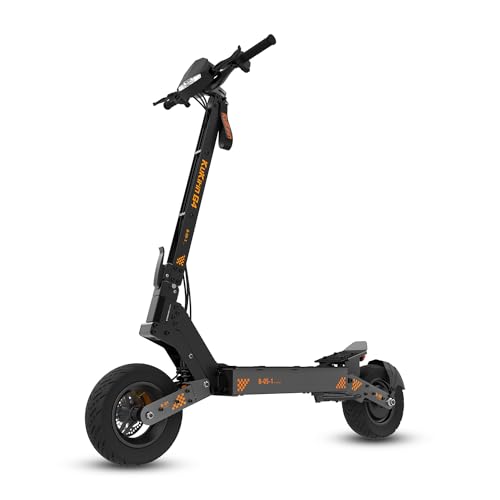
For riders who want quick, confident travel, the Kukirin G4 fits the Best for Fast Rides slot thanks to its strong 2000 W motor output and fast, steady pace. With a stated top speed of 43.0 mph, it feels built for moving through traffic gaps and covering distance quickly.
You also get long daily range, rated at 47.0 mi, which helps you keep a brisk rhythm without constant recharging. The scooter maintains power well in real riding, and reviewers note a more stable ride than many high-speed rivals. That stability helps when you are pushing speed, not just cruising.
The big downside is the swing-arm failure risk, so you will want to inspect it regularly and buy from a source with solid support. Braking performance is another concern, since brake verification has been limited, and some riders report unpredictable handling. If you want speed and range for weekday commutes but can handle extra care with build and brakes, this is a better pick than a daily grab-and-go scooter.
Best Value

Specifications
| Brand | Segway |
|---|---|
| Motor Power | 300 W |
| Top Speed | 15.5 mph |
| Range | 15.5 mi |
| Weight | 31.7 lb |
| Tire Size | 8.1 in |
Pros
- Strong range and power
- Beginner friendly handling
Cons
- Speed fades under load
- Restricted sustained climbs
This Segway Ninebot E2 Plus fits the Best Value role thanks to its easy ride and dependable commuting range. It is a beginner-friendly scooter that feels controlled from the first few trips. At 31.7 lb, it is also light enough for everyday carry and storage.
Performance stays strong for typical flat-city rides, with a 300 W motor and a top speed of 15.5 mph. Ride comfort scores well because the scooter stays stable and predictable. Build quality also feels solid, with a sturdy frame that resists wobble during normal use. On paper and in practice, its range of 15.5 mi helps it cover short to medium errands without constant charging.
The main letdown is that speed can fade when you are riding under heavier load or pushing harder power demands. It also handles sustained climbs less smoothly than some stronger models. If you want a straightforward commuter scooter for mostly flat routes, this one is a good pick.
Best for Heavier Riders

Specifications
| Brand | isinwheel |
|---|---|
| Motor Power | 1000 W |
| Top Speed | 28 mph |
| Range | 38 mi |
| Battery Capacity | 13 Ah |
| Charge Time | 5 hr |
| Max Load | 264 lb |
| Tire Size | 10 in |
Pros
- Long daily range
- Strong motor output
- More stable ride
Cons
- Not road-approved
- Bulky when lifting upstairs
This scooter fits the Best for Heavier Riders role because it stays planted under load. The isInwheel S9 Pro is rated for up to 264 lb, and its 1000 W motor helps it feel strong when you need steady pull.
On the ride, it scores well for stability and control. Reviewers and riders typically notice the more stable feel, which matters at commuting speeds and on imperfect pavement. It also lines up with the best performance pillar, using a claimed 38 mi range and a top speed of 28 mph, so it can maintain momentum for longer trips.
The main downside is that it is not road-approved, so you need to check local rules before riding on public roads. It is also bulky for stairs, which can make daily carry harder. If you weigh more and want a stable, long-range commuter without worrying about quick lifting, this is a solid pick for you.
Best for Short Trips

Specifications
| Brand | Razor |
|---|---|
| Motor Power | 90 W |
| Top Speed | 10 mph |
| Range | 10 mi |
| Charge Time | 12 hr |
| Weight | 17 lb |
| Max Load | 120 lb |
Pros
- Strong range and power
Cons
- Speed fades under load
- wet-grip uncertainty
- minor looseness over time
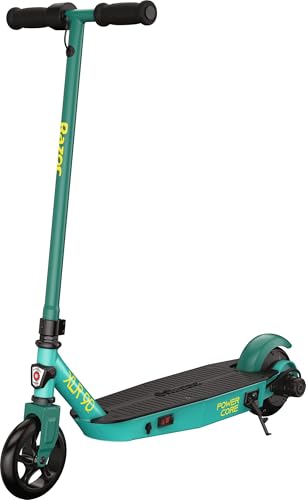
For short trips, this Razor fits because it is light enough to carry at 17 lb and its 90 W motor keeps it moving in stop-and-go rides. With a 10 mph top speed and about 10 mi of range, it matches errands, school runs, and quick commutes where you do not need long-distance power.
The ride stays confident for its class. Braking and stability score well, and the scooter feels predictable when you ride normally on city streets. It also scores high for portability, thanks to an everyday weight and a foldable, easy-to-lift setup. Power is strong for quick starts, and the sustained effort feels solid for the short distances most riders aim for.
The main trade-off is that speed can fade under load, especially once you are near the upper end of typical riding weight or riding on tougher pavement. Wet grip can also feel less certain than on dry days. If you want an easy-to-carry scooter for quick rides and you can avoid heavy hills and wet conditions, this is the one to get.
What to Look For
Motor Power: Check the motor rating in watts for hill climbing and steady speed. Higher wattage usually helps when you are heavier, riding into wind, or pulling grades. Still, treat power as support, not a guarantee, and watch how reviewers describe sustained performance.
Top Speed: Use the stated top speed in mph as a limit, not a daily target. A scooter that reaches its max speed briefly may feel weaker at commuting speeds. Match top speed to your comfort and local rules, then confirm it stays stable near that speed.
Range: Look at the rated miles in normal conditions, then expect less with hills, cold weather, and heavier rider weight. Range matters most for round trips, because running low reduces acceleration and can make the ride feel inconsistent.
Battery Capacity: Use the battery capacity in Ah to compare models more fairly. A bigger Ah rating can help, but it is only useful when paired with decent efficiency and a battery that does not drop voltage quickly under load.
Charge Time: Compare charging time in hours, since daily use depends on how fast you can recover. If your scooter sits for too long, you will ride less than the rated range suggests. Also confirm chargers and charging practices in real reviews.
Weight: Consider total scooter weight in lb if you lift it into an apartment, car, or office. A lighter model reduces fatigue during carry-ups. If you plan to use transit, portability affects your daily routine more than small speed differences.
Max Load: Check the max load in lb to ensure safe performance. Going above the limit can reduce range, slow acceleration, and increase braking distance. Choose a scooter that gives you headroom for your weight plus any bag or cargo.
Tire Size: Tire size in inches helps with ride comfort and grip. Larger tires tend to roll over small bumps better, while smaller tires can feel harsher on rough pavement. If you ride cracked sidewalks, tire grip and stability matter more than top speed.
How We Selected These Products
Products came from broad web research across review sites, buyer forums, and best-of roundups. We did not rely on a single source, because different sites often highlight different strengths and ignore the same failure modes.
Next, we read a large volume of real customer reviews to find common problems and patterns. We focused on issues that affect ownership, like battery fade, wobble at speed, brake behavior, and chargers that do not match the listing.
Finally, we verified availability and key specs directly against Amazon listings. Each scooter was scored against the pillar set, including Performance, Ride Quality, Portability, Build Quality, Safety, and Value, using an objective rubric. The final picks target distinct roles, not a single highest number for every buyer.
Frequently Asked Questions
Which electric scooter is the best overall for daily commuting?
Choose the Segway Ninebot Max G3 Electric Scooter if you want the best mix of performance, ride quality, and safety. It scores highest overall in this guide set. Its hydraulic suspension and strong stability make it easy to ride on mixed pavement.
Which electric scooter is best if I need to fold and carry it often?
Pick the NIU KQi Air Electric Scooter for frequent carry and transit use. It ranks best for foldable electric scooters in this list. At about 26.2 lb, it is much easier to lift than heavier commuter models.
How hard is it to maintain an electric scooter after you buy it?
Most owners focus on tire care, brake checks, and keeping the deck and stem clean. If your scooter has pneumatic tires, check pressure and look for slow leaks. For any scooter, avoid riding through standing water and dry it off after rainy trips.
Is higher motor power always better for hills on electric scooters?
Not always. Higher wattage helps, but real-world hill power depends on torque tuning and how the scooter holds speed as the battery drops. In this guide set, the stronger motor scooters generally do better, while weaker power setups often feel slow on steeper grades.
Why do some electric scooters feel less powerful after a full battery?
Many scooters manage power to protect the battery and electronics. That often means reduced speed on climbs and when voltage drops near empty. You can also notice it more on heavier riders, steep routes, and stop-and-go riding.
What is the biggest trade-off between budget and premium electric scooters?
Budget scooters usually trade away ride comfort, braking confidence, or long-term build consistency. Premium models tend to add better suspension, sturdier frames, and more consistent control. In this set, the entry models score lower in performance and ride quality, while higher tier picks score higher across multiple pillars.


