The 8 Best Yoga Mats in 2026

ON THIS PAGE
Best Yoga Mats Featured
Transparency Note: This post contains affiliate links. As an Amazon Associate, we earn from qualifying purchases at no extra cost to you.

Shopping for a yoga mat should feel exciting, not exhausting. Whether youโ€™re a daily practitioner, a weekend warrior, or just starting to explore yoga, the right mat can make your practice safer and more enjoyable. We know how many choices and conflicting claims are out there, so we set out to cut through the noise and help you find mats that actually perform where it matters: grip, cushioning, durability, and value.

To make sure our recommendations are reliable, we analyzed thousands of real customer reviews and compared each matโ€™s features against its competitors. That means looking beyond glossy marketing copy to see how mats hold up in everyday use, how their materials affect traction and comfort, and whether they stay intact after months of practice. We cross-checked common complaints, tallied praise for standout qualities, and prioritized products that consistently deliver high-quality performance rather than flashy specs. Our goal is to give you straightforward, honest guidance so you can choose a mat that fits your body, your practice, and your budget โ€” without second-guessing. If you want something grippy for hot yoga, extra cushioning for joint support, or a lightweight mat for travel, our findings will help you narrow the options and buy with confidence.

Our Top Picks

Best Overall

Manduka PRO Yoga Mat
Overall Rating
4.6
Brand
Manduka
Material
Polyvinyl Chloride
Dimensions
71 x 26 x 0.24 inches
Weight
7.5 Pounds

Manduka PRO earns the Best Overall spot by doing exactly what a premium mat should: it feels built to last and supports real practice. The ultra-dense 6 mm cushioning gives impressive joint protection and stability, so standing balances and longer holds feel secure without sacrificing comfort on hard floors. Instructors and therapists recommend it for a reason โ€” the textured top layer lets you flow between postures without unwanted slipping, and the non-slip grip reliably improves as you break it in.

The matโ€™s responsible manufacturing โ€” handmade in an emissions-free German facility from OEKO-TEXโ€“certified, latex-free PVC โ€” is a thoughtful plus for those who care about materials and quality control. Closed-cell construction helps keep moisture and odors out, and Mandukaโ€™s own cleaners are suggested to maintain it. Minor trade-offs are typical of high-end mats: thereโ€™s a short break-in period for peak tackiness, and being a premium PVC mat, itโ€™s heavier and pricier than budget options. Overall, the PROโ€™s durability and performance justify its top billing.

Best Value For Money

Manduka X Yoga Mat
Overall Rating
4.5
Brand
Manduka
Material
Thermoplastic Elastomers
Dimensions
71 x 24 x 0.2 inches
Weight
3.7 Pounds

Manduka X hits the sweet spot for athletes who want pro-level performance without breaking the bank. Its 5mm dense cushioning gives reliable joint protection and stability for yoga, Pilates, barre or circuit work, while the dry superior grip keeps you confidently planted during transitions. At 71" x 24" and about 3.7 pounds, itโ€™s roomy enough for most users yet light and portable for taking between home, studio and outdoor sessions.

Sustainability and materials matter here: latex- and solvent-free construction, recyclable components and energy-efficient production are nice bonuses you donโ€™t always see at this price. Durability is another plusโ€”the mat is built to withstand frequent use, so itโ€™s a sound long-term choice.

A couple of average notes: 5mm is comfortable for most but not as plush as therapy-specific mats, and cleaning requires drying and mat-specific wash rather than a machine cycle. Overall, Manduka X offers strong performance and value for athletes needing a versatile, long-lasting mat.

Best Portable

Liforme Travel Yoga Mat
Overall Rating
4.6
Brand
LIFORME
Material
Rubber
Dimensions
70.87 x 25.98 x 0.39 inches
Weight
3.5 Pounds

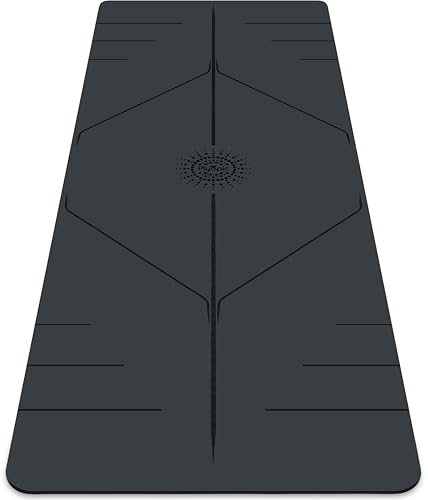
If portability is your priority, the Liforme Travel Yoga Mat hits the sweet spot. At 72" x 26" and a slim 0.08", it packs down light enough to carry to class or slip into a weekend bag, and the included yoga bag is a thoughtful touch. Its size makes it versatile as a standalone mat or a removable topper when you want extra traction without bulk.

Where this mat really earns its place is the GripForMe surface and the AlignForMe markings. The grip sounds exceptionalโ€”great for sweaty flowsโ€”and the printed alignment guides are genuinely useful for refining poses and reducing strain. The use of natural rubber and ecoโ€‘polyurethane, PVCโ€‘free and nonโ€‘toxic, is another plus for anyone who cares about materials. On the flip side, the thin profile means cushioning is average, so if you need lots of padding for knees or sensitive joints, this might feel a bit firm. Overall, an excellent portable choice for traveling yogis and studio regulars who value grip, alignment, and sustainability.

Best Eco-Friendly

JadeYoga Harmony Yoga Mat
Overall Rating
4.5
Brand
JadeYoga
Material
Natural Rubber
Dimensions
68 x 24 x 0.19 inches
Weight
4.2 Pounds

If sustainability is your top priority, the JadeYoga Harmony is hard to beat. Its 3/16-inch thickness and 24-inch width hit a sweet spot between cushioning and stability, while the natural openโ€‘cell rubber gives a reliable, nonโ€‘slip surface that feels secure underfoot. The matโ€™s clean-materials promise โ€” no PVC, phthalates, heavy metals, or harsh chemicals โ€” plus US manufacturing using tapped rubber and a oneโ€‘mat/oneโ€‘tree pledge, make it an easy pick for eco-conscious yogis. Itโ€™s comfortable enough for longer practices, easy to wipe down (they even recommend a plant-based mat wash), and the brandโ€™s reforestation work adds real-world impact to your purchase.

On the average-features side, expect a bit more weight than ultra-light travel mats and some moisture absorption typical of openโ€‘cell rubber, so regular cleaning is helpful. It isnโ€™t the thinnest or most packable option, but for everyday studio or home practice where grip, comfort, and sustainability matter most, itโ€™s an excellent choice.

Best Non-Slip Grip

Plyopic Ultra-Grip Pro Yoga Mat
Overall Rating
4.5
Brand
Plyopic
Material
Natural Tree Rubber
Dimensions
72 x 26 x 0.17 inches
Weight
6.6 Pounds

If you struggle with slipping during poses, the Plyopic Ultra-Grip Pro feels like the mat that finally holds you steady. The advertised ultra-grip material truly makes a difference โ€” it maintains traction even when you sweat, so transitions feel confident and secure. A dense non-slip rubber base locks the mat to the floor, which improves balance and helps with body alignment; that added cushioning also eases pressure on joints without making the surface springy or unstable.

Beyond the grip, the mat checks other practical boxes: itโ€™s longer and wider than standard mats, giving extra real estate for bigger flows, and itโ€™s made from eco-conscious, PVC-free materials that are kinder to skin and easier to keep hygienic. On the average side, itโ€™s not the lightest or thinnest travel option, and very long-term durability under heavy studio use is typical rather than exceptional. Overall, for anyone prioritizing non-slip performance, this mat performs very well.

Best Extra-Thick

Retrospec Solana 1 Inch Yoga Mat
Overall Rating
4.4
Brand
Retrospec
Material
Foam
Dimensions
72 x 24 x 1 inches
Weight
2.2 Pounds

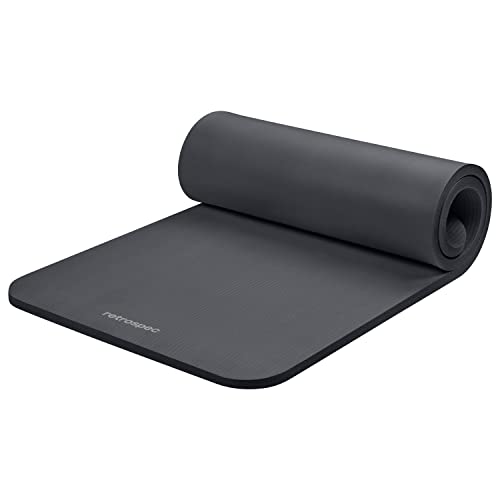
This mat stands out primarily for its cushioning and stability. The thick, firm construction is designed to ease pressure on joints, hips, hands, and knees, so itโ€™s a solid pick if you want extra padding for restorative yoga, pilates, or floor work. The non-slip surface sounds reliable, helping you stay balanced during transitions, and the full-length dimensions make it comfortable for taller users.

On the practical side, itโ€™s durable enough for daily use and comes with a simple nylon strap for transport, which is handy for studio visits. Itโ€™s also free of phthalates, heavy metals, and latex, and cleaning is straightforward with soap and water. One small note: the description mentions both โ€œ1-inch extra thickโ€ and a ยฝ" measurement, so double-check the exact thickness if you need maximum padding. Overall, it delivers the key comforts of an extra-thick mat while keeping maintenance and portability uncomplicated.

Best For Hot Yoga

Gaiam Dry-Grip Yoga Mat
Overall Rating
4.4
Brand
Gaiam
Material
Rubber
Dimensions
68 x 0.2 x 24 inches
Weight
4.25 Pounds

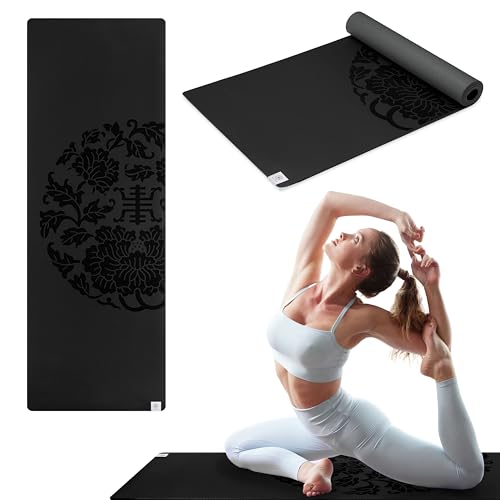
Used for hot yoga, the Gaiam Dry-Grip stands out because its stay-dry topcoat and textured surface actually help wick sweat and maintain traction, so you can hold poses longer without slipping. The 5 mm padding offers supportive yet firm cushioning that protects knees and wrists during heated flows while still giving you the stability needed for balances. Itโ€™s rubber- and latex-free (PU and PVC construction), which keeps it lightweight and easy to roll up, and the coating holds up well to frequent, sweat-heavy practice.

A couple of average points to note: the matโ€™s 68 ร— 24-inch size is standard and might feel short for taller practitioners, and the synthetic materials donโ€™t match natural rubber for eco-friendliness or for ultimate long-term grip at very high temperatures. Overall, for hot yoga and everyday practice, the Gaiam Dry-Grip is an affordable, sweat-ready choice that balances cushion and traction effectively.

Best Budget-Friendly

Gaiam Essentials Thick Yoga Mat
Overall Rating
4.3
Brand
Gaiam
Material
Nitrile Butadiene Rubber
Dimensions
72 x 24 x 0.39 inches
Weight
2.1 Pounds

The Gaiam Essentials Thick Yoga Mat is a smart choice if you want cushioned comfort without a big price tag. At 72 x 24 inches and a generous 2/5-inch thickness, the NBR foam gives a plush feel under knees and joints, which is ideal for beginners, Pilates, restorative yoga, or any floor-based routine. Itโ€™s fairly lightweight at about 3.11 pounds and includes a simple carrying strap, so itโ€™s easy to roll up, tote to class, or keep handy around the house. The padded surface makes stretching and holding poses more comfortable and reduces pressure on wrists and ankles.

Keep in mind this is an economical foam mat, so traction and long-term durability are average compared with higher-end PVC or natural rubber options, and it can become a bit slick if sweaty. For everyday home practice or anyone who prioritizes soft support on a budget, though, this mat offers reliable cushioning and strong value.

What To Look For

Choosing the right yoga mat can make your practice safer, more comfortable, and more enjoyable. Focus on a few practical features to match your body, style, and how often you roll it out.

  • Thickness and Support: Thickness affects joint comfort and balance: thicker mats cushion knees and hips while thinner mats offer more stability for standing poses.
  • Material: Common materials like PVC, TPE, natural rubber, and cork differ in feel, durability, and environmental impact, so pick one that suits your priorities.
  • Grip and Traction: A good surface texture prevents slipping in sweaty classes and during transitions, so test both hands-down and feet-down grip before buying.
  • Density and Firmness: Higher density mats compress less over time, giving consistent support for alignment and balance; softer mats feel plush but may reduce stability.
  • Size and Shape: Length and width should accommodate your height and practice; consider extra-long or wide mats if you often stretch beyond standard dimensions.
  • Weight and Portability: If you carry your mat to classes, lighter or foldable options ease transport, while heavier mats tend to stay put during vigorous flows.
  • Durability and Wear: Look for resilient materials and strong edge construction if you practice frequently, as cheaper mats may flake or compress quickly.
  • Eco-Friendliness and Safety: If sustainability matters, choose biodegradable or low-VOC materials and check for third-party certifications to avoid harmful chemicals.
  • Maintenance and Cleaning: Consider how easy the mat is to wipe down or machine-wash; some surfaces resist odors and stains better than others.
  • Price and Warranty: Balance budget with expected lifespan: higher-quality mats cost more upfront but often include warranties or better long-term value.

Weigh comfort, performance, environmental impact, and portability to find a mat that supports your practice and lasts for years.

How We Select Our Products

Picking the top yoga mats for this post wasnโ€™t a throw-it-against-the-wall-and-see-what-sticks exercise. We started by casting a wide net โ€” screening hundreds of mats across major retailers, direct-to-consumer brands, and specialty yoga shops โ€” then narrowed that list using a blend of objective testing and real-world feedback.

Customer ratings were our first filter: aggregated star scores gave us a quick sense of overall satisfaction, but we didnโ€™t stop there. We read thousands of user reviews to spot consistent praise or recurring complaints (and to filter out obvious fake or incentivized reviews). From that deeper analysis we tracked patterns around durability, grip in both dry and sweaty conditions, cushioning for joints, and long-term shape retention.

Feature-by-feature comparisons followed. We checked materials (TPE, natural rubber, PVC, cork), thickness and density, texture, weight for travel, odor/VOC reports, and care instructions. Where possible we performed hands-on tests โ€” rolling, performing typical flows, pressing for cushioning, and gauging slip resistance โ€” to validate manufacturer claims. Warranty length, brand reputation, and customer service responsiveness were factored into durability and ownership experience.

Value-for-money was assessed by weighing initial price against expected lifespan and usability for different types of practitioners (beginners, hot-yoga lovers, travelers). We also excluded products with widespread quality-control problems or poor return policies. The result is a curated list grounded in data, in-person evaluation, and attention to everyday needs โ€” created so you can choose a mat with confidence. If youโ€™d like details on how any single mat scored, Iโ€™m happy to share the breakdown.

Final Thoughts

Picking the right yoga mat can genuinely change your practice. A mat that matches your specific needs gives you better stability for balancing poses, enough cushioning to protect sensitive joints, and the right surface grip so sweaty hands donโ€™t send you slipping mid-flow. For people who favor vigorous, hot classes, look for a mat with strong traction and moisture resistance; if youโ€™re into slow, restorative sessions, a plusher, thicker mat will make long-held poses kinder to your knees and back.

Materials and construction matter more than many buyers realize. Natural rubber and TPE offer good traction and durability for regular practitioners, while PVC mats can be thinner and budget-friendly but less eco-conscious. If you travel or commute, a lightweight, foldable mat that fits your bag will make a big difference in consistency. Allergy concerns, ease of cleaning, and how long a mat keeps its shape are all practical details that affect daily use โ€” and ultimately whether youโ€™ll keep using it. Size and thickness should match your body and practice style: taller yogis need longer mats; anyone with joint pain benefits from extra padding.

When choosing, prioritize the handful of features that solve your main problems instead of getting swayed by looks alone. Try feeling a mat in person if possible, read honest user reviews, and think about how often and where youโ€™ll practice. A slightly higher upfront cost for the right mat often pays off in comfort, safety, and motivation, so make a thoughtful choice that supports your goals and keeps you moving happily on the mat.


Share:
On Key
You Might Also Like