




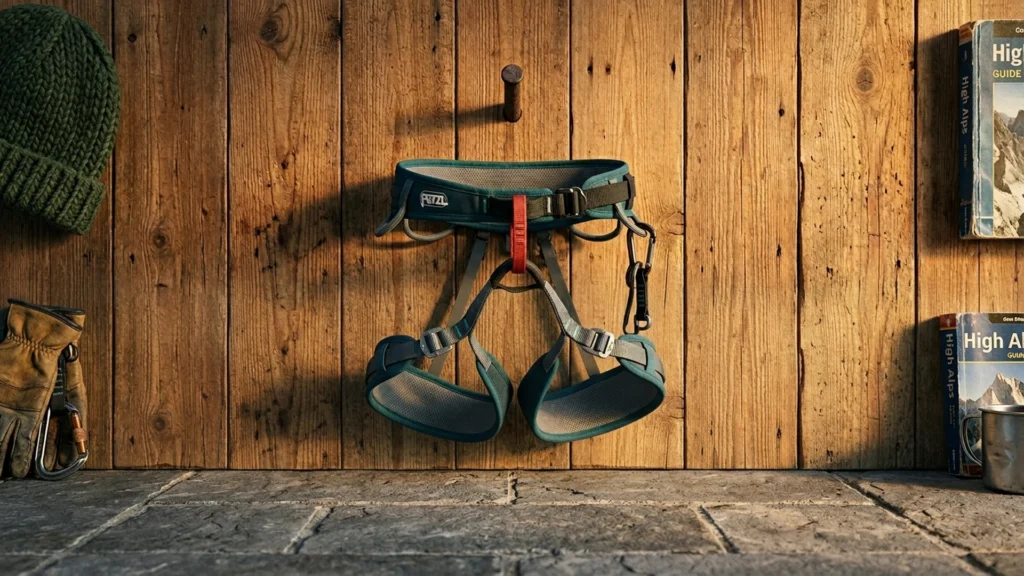
Women’s climbing harnesses are built for how real bodies sit and move on rope. In this sub-category, you should expect sizes and cuts that keep the waist belt and leg loops in the right place. That matters for comfort while bouldering nearby, during belays, and when you hang on bolts. It also affects safety because a harness that stays put will keep gear positioned where you expect it.
Choosing is hard because the trade-offs show up fast. A harness that fits perfectly at first try can still feel warm, bulky, or tight once you trust it on longer routes. More padding can improve comfort but may reduce range of motion. More gear loops can help your carry, but a harness with extra bulk can shift during clips. Then there is adjustability, which makes sizing easier but can add extra hardware and time to dial in.
If you want help across the full category, not just women’s models, use this guide alongside our Best Climbing Harnesses.
Quick Overview
Our Top Picks
#1. Mammut Togir 2.0 3 Slide Women's Medium Climbing Harness

Specifications
| Brand | Mammut |
|---|---|
| Gear Loops | 4 |
| Adjustable Leg Loops | Yes |
| Certifications | CE EN 12277 Type C / UIAA |
Pros
- Confident, secure buckles
- Even pressure, breathable fit
- Durable, well-finished hardware
Cons
- Leg-loop retainer omission
The Mammut Togir 2.0 3 Slide stands out for women who want a secure, confidence-inspiring fit without feeling trapped in their harness. The buckle system feels solid, and the harness spreads load evenly when you hang or take a long belay. It is also made to stay comfortable in real use, with a breathable, balanced feel that resists pressure points during movement. With CE EN 12277 Type C and UIAA certification, it is a reassuring choice for lead and top-rope days.
One trade-off to note is the leg-loop retainer omission. If you prefer your leg loops to stay perfectly parked when you are moving between routes or taking gear on and off, this could annoy you. This model is best for climbers who prioritize secure buckle feel, supportive comfort, and clean build quality, and who can live without extra leg-loop retention.
#2. Petzl Luna Women's Small Climbing Harness

Specifications
| Brand | PETZL |
|---|---|
| Harness Type | Sit Harness |
| Weight Oz | 16 oz |
| Gear Loops | 5 |
| Adjustable Leg Loops | Yes |
| Certifications | CE EN 12277 type C / UIAA |
Pros
- Certified safety standard
- Even pressure, breathable fit
- Adjustable leg loops
Cons
- Heavy harness
- Leg strap digging
- Careful sizing required
Petzl Luna is a standout choice in womens climbing harnesses because it blends a secure, certified build with a fit aimed at reducing pressure points. In use, the even load spread and breathable feel help during belay sessions and long days on the wall. It also has adjustable leg loops and five gear loops, which makes it easier to dial in a comfortable stance without carrying extra bulk. With CE EN 12277 type C and UIAA certification, it is the kind of harness many climbers trust when hanging and moving frequently.
The main trade-off is comfort varies by how well it matches your size. Some users report the leg straps can dig, and the harness can feel heavy compared with lighter models. If you take time to get the sizing right and adjust the leg loops carefully, it is a strong pick for sport climbing and gym use where you want stable positioning all session.
#3. Black Diamond Momentum Women's Medium Climbing Harness

Specifications
| Brand | BLACK DIAMOND |
|---|---|
| Weight Oz | 12.8 oz |
| Gear Loops | 4 |
| Adjustable Leg Loops | Yes |
Pros
- Even pressure, breathable fit
- Durable, well-finished hardware
- Adjustable leg loops
Cons
- Limited haul utility
- Non fold-back buckle
The Black Diamond Momentum Women's Medium stands out for how it spreads load and stays comfortable on real climbs. Reviewers tend to mention an even pressure feel and a breathable fit, which matters in the women's harness category where long belays and repeated hang time can quickly turn a “fine” harness into an uncomfortable one. The adjustable leg loops also help dial in the shape around the thighs for a more stable, less distracting wear.
The main trade-off is how it handles accessories. With only four gear loops and limited haul utility, it is a simpler option for gym days and sport routes where you carry less and focus on movement. The non fold-back buckle is another point to consider if you prefer a more compact or snag-resistant buckle profile when you are moving fast between clips.
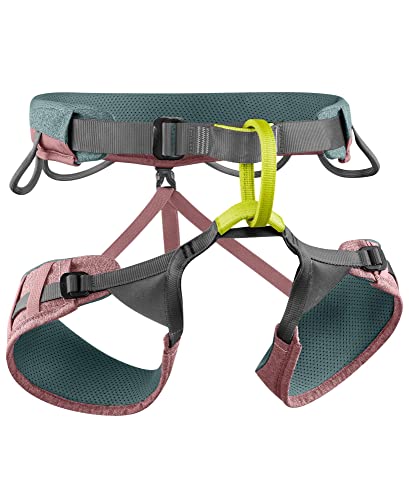
#4. Edelrid Jayne Women's Large Climbing Harness

Specifications
| Brand | EDELRID |
|---|---|
| Materials | HMPE / Polyamide |
| Weight Oz | 0.9 oz |
| Gear Loops | 4 |
| Adjustable Leg Loops | Yes |
Pros
- Even pressure, breathable fit
- Durable, well-finished hardware
- Worth it for most climbers
Cons
- Trad ice suitability
The Edelrid Jayne stands out in the women’s harness market for how evenly it spreads pressure while you’re on the wall or hanging in space. Climbers tend to notice a breathable, supportive feel, plus well-finished hardware that stays solid in everyday use. The adjustable leg loops help dial in fit, which matters for comfort and for keeping the harness from shifting mid-belay.
The main trade-off is that it is not aimed at trad ice use. If you mostly climb sport, gym, or mixed routes where comfort and stable fit are the priority, this is a strong match. If your season includes frequent ice climbing, you may want a harness tuned for that specific workload.
What to Look For
Secure fit where it counts: Prioritize harnesses that feel stable on the waist and thighs under load. Look for leg loops that do not loosen when you weight them. A good women’s harness should reduce shifting so the harness stays aligned during belays and falls.
Comfort on weighted time: Test for pressure points on the hips and upper thighs. Padding and loop shape should spread force during hanging. If your harness pinches when you stand up from a seat or after a long belay, it will likely get worse on the wall.
Build quality at seams and hardware: Check for sturdy stitching and solid buckle feel. You want webbing that looks consistent and hardware that opens and closes without rough edges. Durability matters because harnesses take repeated abrasion from rope, carabiners, and repeated re-threading.
Women’s size range and adjustability: Use the listed waist and leg loop ranges to start close to your measurements. Then confirm whether the leg loops are adjustable or fixed. If you need fine tuning, adjustability can matter more than small comfort differences.
Useful gear layout: Count gear loops and assess whether the layout matches your climbing style. For most women’s sport and trad days, you want enough space for quick draws and small essentials without turning the harness into a heavy tool belt.
How We Picked
Products were identified through broad research across review sites and buyer forums, then filtered to only those that qualify as Women’s Climbing Harnesses.
Scoring used the same objective pillar framework as the main Climbing Harnesses post, allowing direct comparison of products within this sub-category.
Frequently Asked Questions
What makes a women's climbing harness feel different from a unisex one?
A women's harness is usually cut for a narrower waist and different hip shape. That helps the leg loops sit better and reduces pressure points during hangs. It also helps keep the waist belt from riding up when you move.
How should I choose the right size if my waist and thighs are different sizes?
Start with the waist fit, since the harness should sit flat and stable on your body. Then check the leg loops for comfort when you stand and when you hang. If the harness has adjustable leg loops, use them to fine tune thigh pressure.
How many gear loops do I need for sport climbing versus trad climbing?
For sport climbing, 2 gear loops can work well for quickdraws and a small belay bag. Trad and multipitch climbing often need more loop space for extra slings, cams, and other pieces. If you carry a lot of gear, prioritize enough loops and good placement so items do not tangle.
How do I keep my harness comfortable and safe between climbs?
After climbing, wipe off chalk and dirt with a soft brush and mild soap if needed. Let it dry fully away from direct heat or sun. Check the webbing for cuts, fraying, and any stiff or damaged areas before you use it again.
When should I switch from a sit harness to a different harness type?
You should use a sit harness for normal climbing and top rope belaying. Consider a chest harness or full body harness for specific work or special situations that need extra hold points. If you need a fall arrest or work positioning setup, follow that activity's safety guidance instead of using a regular climbing sit harness.
How do women's climbing harnesses compare to other climbing harnesses in comfort?
They often score higher in comfort because the fit targets women specific body shapes. Waist and leg loop placement usually stay more stable during movement. That can reduce pinching and hot spots on long belay sessions.


