




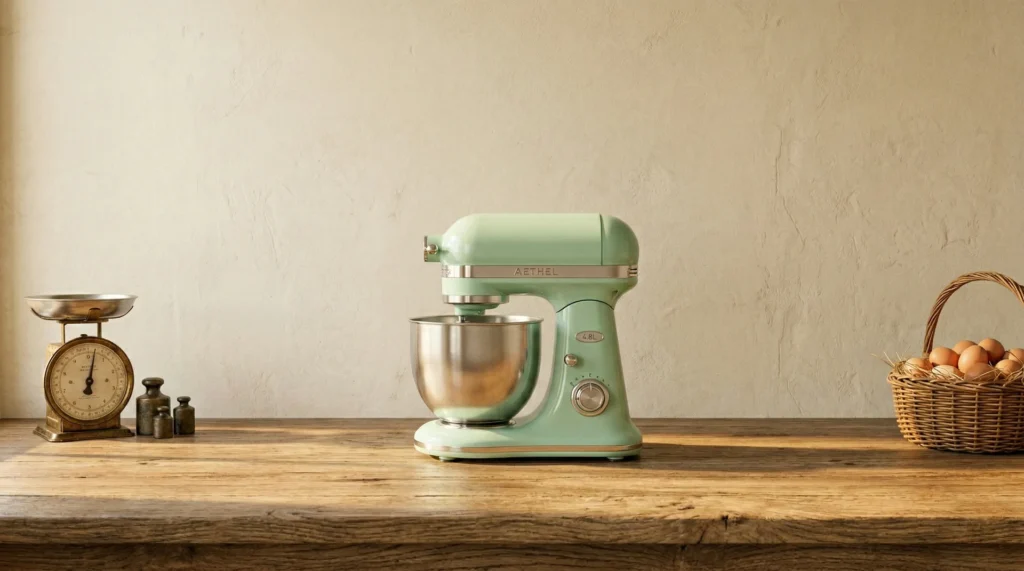
Choosing the right stand mixer can feel overwhelming — there are tons of models, a jumble of specs, and countless opinions online. We know how important this purchase can be, whether you’re upgrading from a hand mixer or outfitting a new kitchen. That’s why we’re committed to making the decision simpler and more reliable: our goal is to help you find a high-quality stand mixer that fits your cooking style, budget, and long-term needs.
To do that, we dug deep. We analyzed thousands of real customer reviews to surface patterns that matter — not just the one-off rave or rant, but recurring praise and complaints about durability, motor strength, mixing consistency, and longevity. We also compared features across competing models and brands, checked manufacturer specifications, and evaluated what you actually get for your money: attachments, warranty coverage, ease of cleaning, noise levels, and customer service experiences. Where possible, we cross-referenced those findings with hands-on testing and input from kitchen pros to make sure our recommendations aren’t just theoretical.
The result is a curated list focused on performance, reliability, and value. Throughout this guide you’ll find honest explanations of why a mixer made the cut, who it’s best for, and any trade-offs to consider. We aim to take the guesswork out of your purchase so you can buy with confidence and spend more time enjoying baking — not worrying about whether the mixer will hold up.
Quick Overview
Top Picks
Best Overall

Specifications
| Brand | KitchenAid |
|---|---|
| Bowl Capacity | 4.7 L |
| Speed Settings | 10 |
| Motor Power | 325 W |
| Bowl Material | Stainless Steel |
| Dimensions | 13.9 x 14.1 x 8.7 in |
| Weight | 22 lb |
Pros
Cons
This Artisan 5‑quart tilt‑head mixer feels like a dependable workhorse for home bakers. The all‑metal build and well‑engineered 59 touchpoints around the bowl translate into consistent, even mixing whether you’re folding batter or whipping cream. The comfortable, stainless steel 5‑quart bowl handles both small and moderately large batches — the claim of mixing up to nine dozen cookies in one go is a real plus for cookie lovers — and it’s dishwasher‑safe, which makes cleanup painless. The tilt‑head design gives easy access for adding ingredients and swapping attachments, while the 10 speed settings cover everything from a gentle stir to high‑speed whipping. Bonus: the wide palette of colors means you don’t have to hide it on the counter.
If you bake very large volumes or need commercial‑grade torque, a bigger bowl or bowl‑lift model might suit you better, so in that sense it’s tuned for home kitchens. Overall, it’s a versatile, reliable choice that balances performance, style, and everyday convenience.
Best Compact

Specifications
| Brand | KitchenAid |
|---|---|
| Bowl Capacity | 3.3 L |
| Speed Settings | 10 |
| Motor Power | 250 W |
| Bowl Material | Stainless Steel |
| Dimensions | 12.3 x 12.3 x 7.8 in |
| Weight | 14.3 lb |
Pros
Cons
If you want full mixing performance without a full-size footprint, the Artisan Mini delivers. Its metal construction feels sturdy and the 59 touchpoints around the bowl help ingredients incorporate evenly, so batters and whipped creams come out consistently smooth. The 3.5-quart stainless bowl is perfectly sized for daily baking — the maker even cites up to five dozen cookies with small 28 g portions using the flat beater — and it’s dishwasher-safe for easy cleanup. The tilt-head gives great access for adding ingredients and locking the head in place makes mixing worry-free.
It’s lighter and more compact than a standard machine while offering the same power as the KitchenAid Classic, and 10 speeds cover everything from gentle stirring to high-speed whipping. The included flex edge beater, coated dough hook and 6-wire whip are useful starters, though many specialty attachments are sold separately (a common trade-off in this category). Overall, it’s a top compact choice for cooks who want professional-style results without sacrificing counter space.
Best Commercial Grade

Specifications
| Brand | ZACME |
|---|---|
| Bowl Capacity | 8 L |
| Speed Settings | 11 |
| Motor Power | 800 W |
| Bowl Material | Stainless Steel |
| Dimensions | 16.3 x 18.1 x 12.2 in |
| Weight | 33 lb |
Pros
Cons
This 8.4-quart commercial stand mixer earns its place in the Best Commercial Grade category by doing the practical things very well. The large bowl and 3 kg dough capacity let you tackle big batches without constant refilling, while the 800W DC motor and metal gears deliver steady, high-torque performance across 11 speed settings. Planetary mixing ensures even results, and the low-noise operation (48–68 dBA across gears) makes long mixing sessions far more pleasant than many commercial machines. The NSF/ANSI 8-2023 certification is a genuine plus for anyone using it in a small commercial kitchen—it's been tested for durability and safety.
On the more ordinary side, features like a tilt-head design, dishwasher-safe stainless accessories, and an LED timer are conveniences you’ll expect from modern mixers rather than wow factors. Still, the combination of capacity, power, quiet operation, and certified build quality makes this model a strong, reliable choice for bakeries, cafes, or serious home bakers who need commercial-grade consistency.
Best for Precision

Specifications
| Brand | Cuisinart |
|---|---|
| Bowl Capacity | 5.2 L |
| Speed Settings | 12 |
| Motor Power | 500 W |
| Bowl Material | Stainless Steel |
| Dimensions | 14.1 x 7.9 x 14.2 in |
| Weight | 17 lb |
Pros
Cons
The Precision Master’s combination of a 12-speed control and a 500-watt motor is what makes it stand out for precision work. Those many speed options let you feather in ingredients or gently fold without overworking batters, while the die-cast metal build and polished stainless-steel bowl keep the mixer steady so you get consistent results batch after batch. The tilt-back head gives easy access to scrape and change attachments, and the included splash guard with pour spout helps you add liquids cleanly—small details that matter when accuracy counts.
You also get the essential tools—whisk, dough hook and flat paddle—so you can tackle everything from meringues to bread. Optional attachments like a pasta roller or meat grinder expand capabilities if you want them. One practical note: the single power hub and 500W rating are perfectly fine for most home bakers but aren’t aimed at commercial pros. With a three-year warranty and BPA-free parts, it’s a thoughtful pick for anyone prioritizing control and consistency in the kitchen.
Best for Tough Doughs

Specifications
| Brand | Wolf Gourmet |
|---|---|
| Bowl Capacity | 6.6 L |
| Speed Settings | 11 |
| Bowl Material | Stainless Steel |
| Dimensions | 14.6 x 11.3 x 16.5 in |
| Weight | 28.7 lb |
Pros
Cons
If you’re making dense, high-hydration breads or tackling big batches of bagels, this 7-quart stand mixer really feels built for the job. The motor delivers noticeably more oomph in the bowl than typical tilt-head machines, and the three-point locking bowl keeps everything steady while the coated dough hook and bowl-lift leverage that power to knead heavy doughs without bogging down. The large capacity is a real plus too — you can mix multiple loaves or dozens of cookies in one go, which saves time when you’re baking for a crowd.
Beyond brute strength, the mixer still offers finesse: 11 speeds including a 1/2 speed for gentle folding, and a double flex edge beater that scrapes the bowl for more even mixing. The included set of beaters, whip and pouring shield are what you’d expect at this level — useful but standard. Overall, it’s a robust, reliable choice when tough doughs are your regular thing.
Best Smart Features

Specifications
| Brand | GE Profile |
|---|---|
| Bowl Capacity | 6.6 L |
| Speed Settings | 11 |
| Motor Power | 550 W |
| Bowl Material | Stainless Steel |
| Dimensions | 14 x 11.3 x 17.1 in |
| Weight | 44 lb |
Pros
Cons
What sets the Profile Smart Stand Mixer apart is how thoughtfully its smart tech is applied to real baking tasks. Auto Sense actively reads motor torque to tweak speed and mixing time so batters and doughs hit the target texture without constant babysitting, while the built-in scale removes the guesswork and extra bowls when weighing ingredients. The advanced brushless DC motor runs cool and delivers steady power through heavy batches, and Guided Recipes delivered via over-the-air updates mean the machine actually improves over time instead of feeling outdated a year after purchase. An automatic shutoff at the end of the timer is a small convenience that prevents overmixing and adds peace of mind.
On the flip side, some supporting elements—like the basic set of attachments and the app’s interface—are competent but not revolutionary. Still, for anyone prioritizing meaningful, practical smart features that genuinely simplify baking, this mixer is a strong pick.
Best Budget-Friendly

Specifications
| Brand | Aucma |
|---|---|
| Bowl Capacity | 6.2 L |
| Speed Settings | 6 |
| Motor Power | 660 W |
| Bowl Material | Stainless Steel |
| Dimensions | 12.4 x 15.2 x 9.4 in |
| Weight | 13.8 lb |
Pros
Cons
If you’re shopping on a budget but still want a mixer that handles most home-baking tasks, this 6.5-quart tilt-head model is a solid pick. The 660W copper motor and six speeds (plus pulse) give it enough muscle for everything from cookie dough to whipped cream, and the relatively low operating noise is a welcome touch for morning baking. The roomy stainless-steel bowl with dual handles is genuinely useful for larger batches, and the tilt-head makes swapping the included whisk, dough hook, and flat beater quick and straightforward.
Where it shines is in practical value: helpful extras like the splash guard with an ingredient hatch, a clear power indicator light, and a sturdy ABS body keep the price down without crippling functionality. It’s not a pro-level machine—attachments are basic and construction leans plastic rather than heavy cast metal—yet for everyday home use this mixer hits the sweet spot between performance and affordability. If you want dependable results without splurging, it’s hard to beat.
What To Look For
Choosing the right stand mixer can save time and frustration in the kitchen; a few practical considerations will help you match a model to your cooking habits and space.
- Motor power and performance: Look beyond the wattage number to how the motor handles heavy doughs and long runs; steady torque and a reliable gearbox mean smoother mixing and less strain on the machine.
- Bowl capacity: Choose a bowl size that fits your typical batches—smaller bowls suit singles and families, while larger bowls are necessary if you bake in bulk or make big loaves and multiple batches.
- Speed settings and control: Multiple speeds and a smooth ramp-up prevent splattering and give you the finesse to whip cream, mix batter, and knead dough without overworking ingredients.
- Tilt-head versus bowl-lift design: Tilt-head models offer easier access and are usually more compact, while bowl-lift mixers provide greater stability for heavy jobs—pick the style that fits your counter space and mixing needs.
- Attachments and versatility: Check what comes in the box and what compatible accessories are available; a good planetary mixer can handle a whisk, paddle, dough hook and useful extras like pasta or meat grinder attachments.
- Build quality and materials: Metal construction, sturdy base and durable gears extend the machine’s life; lightweight plastics may save money but can vibrate or wear faster under heavy use.
- Ease of cleaning: Removable, dishwasher-safe bowls and attachments and simple crevice-free surfaces make cleanup quicker and reduce friction about using the mixer often.
- Noise level: If your kitchen is open to living areas or you bake early in the morning, consider models known for quieter operation rather than raw power alone.
- Footprint and storage: Measure counter space and storage options—some mixers are heavy and meant to stay on the counter, while smaller units can be stowed away more easily.
- Warranty and customer support: A solid warranty and accessible customer service matter for a long-lived appliance; extended coverage and available replacement parts protect your investment.
Weigh motor performance, capacity, usability and long-term support against your typical recipes and kitchen space to find the mixer that will get the most use and last for years.
How We Select Our Products
Picking the stand mixers you see in this post wasn’t a quick scroll-and-pick exercise — it was a multi-step, careful process designed to give you trustworthy recommendations. First, we cast a wide net: hundreds of models from major brands and newer entrants were considered. We pulled aggregated customer ratings across multiple retailers and marketplaces, giving extra weight to verified purchases and long-term reviews. That helped us spot consistent strengths (like reliable motor performance) and recurring complaints (such as durability or noise), rather than letting one-off issues skew the results.
Next came deep-dive review analysis and feature comparison. We examined manufacturer specs — motor wattage, planetary mixing action, bowl capacity, and included attachments — and compared those against real-world feedback and professional lab tests when available. We also evaluated build quality (metal vs. plastic components), ease of cleaning, noise levels, and warranty/support. For value-for-money assessments, we looked beyond the sticker price to consider longevity, parts availability, and how many tasks a mixer can reliably handle for the average home baker. Where possible, we factored in hands-on testing results or credible third-party benchmarks to confirm claims like handling heavy dough or sustained mixing.
Throughout the process we kept user needs front and center: budget shoppers, avid bakers, and small-batch cooks all have different priorities, so we noted which mixers excel for each use case. Transparency and repeatability mattered to us — the choices reflect weighted scoring across objective specs, user experience, and long-term reliability. In short, these picks are the result of deliberate research aimed at helping you find a mixer you’ll actually enjoy using for years.
Final Thoughts
Picking the right stand mixer can genuinely change how you approach cooking and baking — but the “right” one depends on what you actually need. For someone who bakes a few cookies now and then, a compact, lower-powered model saves counter space and money while still handling batters and light doughs. If you bake frequently or make large batches, a heavyweight mixer with a bigger bowl and stronger motor will give you consistent results and cut your prep time dramatically. Matching capacity and power to your typical workload prevents frustration and extends the appliance’s life.
Beyond power and size, versatility matters. Many mixers accept attachments — pasta rollers, food grinders, spiralizers — so choosing a model with the accessory ecosystem you’ll use can replace other kitchen tools and justify a higher price. Ease of use and cleanup are also key: tilt-head versus bowl-lift designs, dishwasher-safe bowls and beaters, and intuitive speed controls all make everyday use more pleasant. Don’t forget practical concerns like noise level, countertop footprint, storage, and warranty/service options; those affect long-term satisfaction even if they’re easy to overlook when you’re excited about features.
In short, think about how you cook, how often you’ll use the mixer, and which tasks you want it to handle. Compare specs, read real-user reviews, and — if possible — see one in person to get a feel for build quality. Choosing with purpose means you’re more likely to end up with a mixer that feels like it was made for your kitchen, not one that gathers dust.


