Shopping for a smartwatch can feel overwhelming — there are dozens of models, overlapping features, and marketing that makes every device sound like the obvious choice. We get that. Our goal is to take the guesswork out of the process so you can find a watch that actually fits your life, whether you’re tracking workouts, managing notifications, or just trying to stretch between charges.
To make reliable recommendations, we combine broad-scale research with careful comparison. We analyzed thousands of customer reviews to spot consistent strengths and problem areas, and we compared core features — battery life, fitness-tracking accuracy, app support, durability, and price — across competing models. That helps us separate true improvements from marketing spin and identify which watches deliver real, everyday value.
Beyond numbers and specs, we prioritize real-world relevance. We look for devices that are comfortable to wear, simple to set up, and useful day-to-day. When possible, we test selected models ourselves to verify performance under normal use. We also update our findings as firmware changes and new models arrive, so our suggestions reflect the current market, not last year’s headlines.
If you want a smartwatch that balances reliability, features, and cost, our reviews are designed to point you straight to the best options — no filler, just clear guidance based on large-scale feedback and careful feature comparisons. Read on and you’ll find practical picks organized by use case, so picking the right watch is fast and painless.
Quick Overview
Top Picks
Best Overall
Specifications
| Brand | Apple |
|---|---|
| Battery Life | Up to 24 hours |
| Water Resistance | 50 m |
| Health Sensors | HR, ECG, SpO2 |
| Dimensions | 1.8 x 1.5 x 0.4 in |
| Weight | 0.1 lb |
Pros
Cons
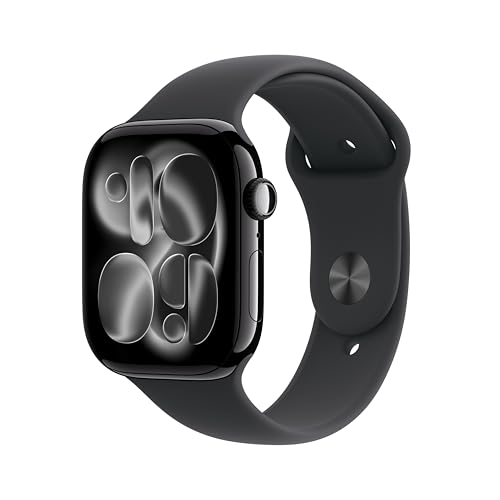
Apple Watch Series 11 earns its spot as Best Overall by blending comprehensive health monitoring with a comfortable, durable design. Its new hypertension notifications, ECG and sleep score make daily wellness tracking feel meaningful rather than gimmicky, and the Vitals app consolidates overnight metrics like blood oxygen so trends are easy to spot. For active users, advanced workout metrics, Pacer, Heart Rate Zones, training load and Workout Buddy turn the watch into a genuinely useful fitness companion, and three months of Apple Fitness+ helps you get started.
It also shines in safety and connectivity: fall and crash detection, Check In, and emergency calling add real peace of mind, while calls, texts and Siri keep you connected when paired to an iPhone. Battery life (around 24 hours) and GPS-only connectivity on some models are solid but not class-leading, yet the Series 11’s fast charging, superdurable glass and lightweight fit make it a hard watch to beat.
Best for Multi-Sport Athletes
Specifications
| Brand | Garmin |
|---|---|
| Battery Life | Up to 15 days (smartwatch mode) |
| Water Resistance | 40 m |
| Health Sensors | HR, HRV, ECG, SpO2, Sleep |
| Dimensions | 1.9 x 1.9 x 0.6 in |
| Weight | 0.2 lb |
Pros
Cons
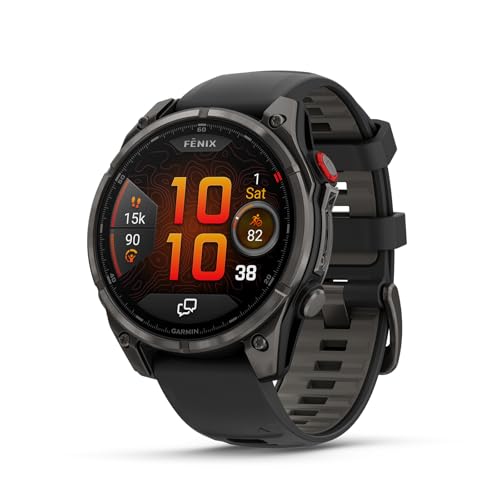
If you’re a multi-sport athlete who likes to push limits off the beaten path, the Fenix 8 Pro practically reads like a purpose-built tool. It pairs a rugged, premium build — titanium bezel, sapphire lens and a bright 1.4" AMOLED touchscreen — with serious navigation and safety tech: topo maps, ski and golf charts, a built-in LED flashlight and Garmin’s inReach satellite/LTE options for two-way messaging, voice calls and SOS support. Training-wise it delivers the advanced metrics, plans and cross-training features athletes need, plus dive support to 40 meters, so you can switch disciplines without switching devices.
A few things are more standard than standout: wrist-based heart rate, sleep and Pulse Ox tracking, and the usual health sensors are here but not unique. Also note satellite and LTE services need subscriptions and have coverage limits. Overall, its combination of durability, navigation, emergency comms and deep training features make it a top pick for serious multi-sport users.
Best for Android Lovers

Specifications
| Brand | |
|---|---|
| Battery Life | Up to 40 hours (72 hours with Saver) |
| Water Resistance | 50 m |
| Health Sensors | HR, HRV, SpO2, Sleep |
| Dimensions | 0.5 x 1.8 x 1.8 in |
| Weight | 1.1 oz |
Pros
Cons
If you live in the Google ecosystem, the Pixel Watch 4 feels made for you. Gemini built in brings helpful, context-aware replies right to your wrist, and the deeper integration with Pixel phones, Buds, camera controls and Nest devices makes everyday tasks smoother than with most other Wear OS watches. The Actua 360 domed display is noticeably bigger and brighter than its predecessor, so notifications, maps and workouts are easier to read at a glance.
Where it really shines for Android lovers is the blend of health, safety and convenience — accurate heart-rate and sleep tracking, SpO2 and HRV metrics, plus 40+ exercise modes and dual-frequency GPS for better route tracking. Battery life is solid for a smartwatch (with a long Battery Saver mode and fast top-up charging), and build quality feels premium with aluminum housing and 50m water resistance. A few ecosystem gaps remain compared with rival app stores, but overall it’s a polished, deeply integrated choice for Android users.
Best Hybrid Design

Specifications
| Brand | Withings |
|---|---|
| Battery Life | Up to 35 days |
| Water Resistance | 50 m |
| Health Sensors | HR, ECG, Sleep |
| Dimensions | 0.5 x 9.4 x 1.6 in |
| Weight | 0.1 lb |
Pros
Cons
The ScanWatch 2 nails the hybrid-watch promise: classic analog hands and a discreet digital display sit in a stainless-steel case topped with sapphire glass, so it looks and feels like a traditional timepiece while quietly doing modern health tracking. Its clean styling and multiple size/finish options make it easy to wear every day, from the office to the gym.
Battery life really sets it apart — up to 35 days means you get continuous daytime and nighttime monitoring without constantly reaching for the charger. Health tools are impressive for a hybrid: 30-second medical-grade ECG, continuous heart-rate monitoring with AFib alerts, sleep-stage tracking, VO₂ max, and over 40 sports modes. On-device machine learning and the Withings app help keep metrics accurate and accessible across Android and iOS.
A couple of things are more ordinary: the proprietary HealthSense OS limits third-party app variety, and some advanced insights sit behind a Withings+ subscription. Overall, though, it’s a smart, elegant choice if you want real health features in a traditional watch package.
Best Rugged Outdoor

Specifications
| Brand | Amazfit |
|---|---|
| Battery Life | Up to 30 days |
| Water Resistance | 100 m |
| Health Sensors | HR, SpO2, Sleep |
| Dimensions | 1.9 x 1.9 x 0.5 in |
| Weight | 2.4 oz |
Pros
Cons
If you spend serious time off-grid, the T‑Rex Ultra 2 is built to handle it. The Grade 5 titanium body and sapphire glass give real peace of mind against drops, scrapes, and extreme temperatures, while the sunlight-readable AMOLED keeps maps and metrics usable on bright ridgelines. Preloaded full-color base maps, on-watch route planning with automatic rerouting, and POI search make navigation genuinely useful without your phone, and the built-in two-color flashlight with Boost and SOS adds a practical safety layer for late starts or unexpected nights.
Battery life that can stretch up to 30 days removes the constant charging anxiety on multi-day trips, and dual diving certification to 45 m plus 10 ATM water resistance means it’s ready for swim, snorkel, or recreational dive adventures. The speaker and mic for Bluetooth calls and voice replies are a nice touch when you want to stay connected hands-free.
A few things are middling compared with flagship smartwatches — app ecosystem and some software polish aren’t best-in-class — but for raw rugged performance and expedition-ready features, it’s a compelling choice.
Best Solar Powered

Specifications
| Brand | Garmin |
|---|---|
| Battery Life | Unlimited (with solar charging) |
| Water Resistance | 100 m |
| Health Sensors | HR, SpO2, Sleep |
| Dimensions | 0.6 x 1.8 x 1.8 in |
| Weight | 1.9 oz |
Pros
Cons
If you want a solar-powered watch that actually lives up to the claim, the Instinct 3 Solar is a strong pick. The solar lens combined with Garmin’s power management means real-world battery resilience — Garmin’s “unlimited” life claim (based on three hours outside at 50,000 lux) isn’t magic, but it does translate to far fewer charging headaches for active outdoor users. The watch feels built for abuse: fiber-reinforced case, metal-reinforced bezel, MIL-STD-810 toughness and 10 ATM water resistance give you confidence on trails, climbs and wet-weather outings.
Where it shines is navigation and everyday utility. Multi-band GPS with SatIQ, a 3-axis compass and barometric altimeter make positioning reliable, and the built-in LED flashlight and Garmin Pay add useful convenience. Health tracking (wrist HR, sleep, Pulse Ox) and safety features like incident detection round things out well, though Pulse Ox availability and medical-grade accuracy are limited. The display is compact, and some features are conditional on your phone or region, but for solar-forward, rugged performance this one earns its spot.
Best Classic Design

Specifications
| Brand | Samsung |
|---|---|
| Health Sensors | HR, SpO2, Sleep |
| Dimensions | 1.7 x 1.8 x 0.3 in |
| Weight | 2.2 oz |
Pros
Cons
The Galaxy Watch8 Classic earns its spot in the Best Classic Design category by marrying a timeless, watch-like silhouette with thoughtful modern touches. The bright display and satisfying rotating bezel preserve that analog feel while making navigation intuitive, and the new lug system means swapping straps is quick and fuss-free — perfect if you want a traditional look one day and a sportier vibe the next. A reassuring two-year warranty and premium build help sell the classic aesthetic as something you’ll keep using.
Under the hood it doesn’t skimp on smarts: a hands‑free personal AI assistant, Advanced Sleep Coaching, Running Coach and vascular load tracking bring genuinely useful health and convenience features to the wrist. Now Bar and an improved UI make everyday info easy to access. While its sensors and battery life are solid for daily use (rather than radically extending multi‑day endurance), overall this watch is a great pick if you want a classic design without giving up modern functionality.
Best for Daily Fitness
Specifications
| Brand | Fitbit |
|---|---|
| Battery Life | Up to 6+ days |
| Water Resistance | 50 m |
| Health Sensors | HR, SpO2, Sleep |
| Dimensions | 1.6 x 1.6 x 0.4 in |
Pros
Cons
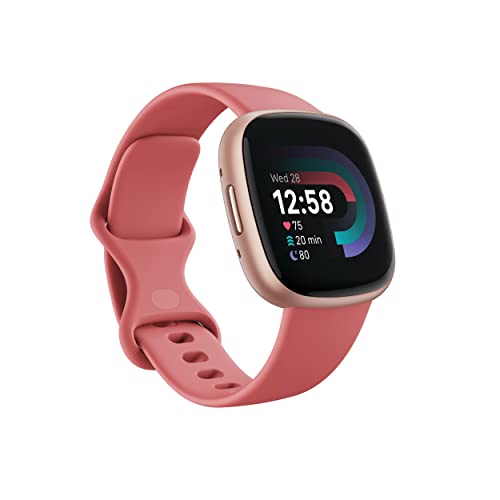
If you want a watch that nudges you to move and actually gives you useful context for those choices, the Versa 4 delivers. Its Daily Readiness Score and Active Zone Minutes take the guesswork out of when to push and when to recover, while built-in GPS, a workout intensity map, 40+ exercise modes and automatic exercise detection make tracking runs, rides and HIIT sessions effortless. The always-on heart rate and all-day activity tracking give consistent, actionable feedback without fuss.
Sleep and stress tools are thoughtful additions: a personalized Sleep Profile, sleep stages with a Sleep Score, smart wake and a Stress Management Score help you close the loop on recovery. On the everyday side you get on-wrist calls, notifications, Fitbit Pay, Amazon Alexa and more than six days of battery life, plus a six-month Premium trial for deeper insights. The Versa 4 is ideal for daily fitness; its smartwatch ecosystem and some advanced apps aren’t quite as broad as top-tier rivals, but for most users it’s a very practical, motivating companion.
What To Look For
Picking the right smartwatch means balancing everyday usefulness, health features, and comfort. Focusing on a few practical criteria helps you match a model to how you actually live and move.
- Compatibility: Ensure the watch works smoothly with your phone's operating system and favorite apps because limited compatibility can block features and notifications.
- Battery life: Look beyond headline hours to real-world endurance and charging speed so the watch lasts through your routines without frequent top-ups.
- Health and fitness sensors: Prioritize accurate heart rate, SpO2, sleep tracking and optional ECG or temperature sensors based on which metrics matter to your wellness goals.
- Display and readability: Consider size, resolution, brightness and whether an always-on screen is offered so you can read alerts outdoors and at a glance.
- Performance and platform: A responsive processor and a well-supported operating system make interactions smooth, enable useful apps and receive security and feature updates.
- Build quality and comfort: Choose materials, case size and strap options that feel good for all-day wear and match your style, since you’ll be wearing it constantly.
- GPS and location features: Built-in GPS with strong signal accuracy is essential for reliable distance and route tracking during runs, rides and outdoor activities.
- Connectivity and extras: Check for LTE, Bluetooth, Wi‑Fi and NFC for untethered use, music streaming and contactless payments if those conveniences matter to you.
- App ecosystem and customization: A broad selection of watch faces and third-party apps increases usefulness and personalization, especially if you rely on specific fitness or productivity tools.
- Water resistance and durability: Verify swim rating, dust protection and glass hardness so the watch survives showers, swims and daily knocks without compromising functionality.
Balance these features against budget and lifestyle to pick a smartwatch that feels like a natural extension of your daily routine.
How We Select Our Products
Choosing the smartwatches we feature isn’t random — it’s the result of a careful, repeatable process designed to give you recommendations you can trust. We start by casting a wide net: thousands of user ratings and hundreds of professional reviews across retailers, forums, and tech sites. That initial sweep helps us spot consistent winners and recurring complaints, so nothing important slips through the cracks.
Next, we dig deeper into feature-by-feature comparisons. Battery life, heart-rate and SpO2 accuracy, GPS performance, screen quality, durability (water and scratch resistance), and app ecosystem are weighed differently depending on the watch’s intended use — fitness-first models get heavier emphasis on sensors and tracking, while lifestyle watches are judged more on design and software polish. We also perform hands-on testing whenever possible, wearing devices through workouts, sleep, and daily routines to validate manufacturer claims.
Value for money is another pillar of our process. A well-priced watch should offer meaningful features and reliable performance for its cost, so we compare options in each price tier and highlight where you get the most bang for your buck. Long-term considerations like software update cadence, customer support, and warranty terms also factor in; a great watch that goes unsupported after a year becomes a poor investment.
Finally, we synthesize all findings into clear recommendations, flagging trade-offs so you can match a watch to your priorities. We update our list regularly and welcome reader feedback — our goal is simple: save you time and money by pointing you toward smartwatches that genuinely deliver.
Final Thoughts
Picking the right smartwatch can feel like a small but meaningful upgrade to everyday life — when chosen to match what you actually need, it pays off in convenience, safety, and enjoyment. At a basic level, the right watch gives you reliable health and fitness tracking: accurate step counts, heart-rate monitoring, sleep analysis, and workout detection that make it easier to set realistic goals and see real progress. For people who exercise regularly, that can mean better training insights; for someone managing stress or sleep, it can mean practical data that helps change habits. A well-matched watch also keeps you connected without the constant pull of your phone, delivering notifications, calls, and quick replies in a way that reduces distraction.
Beyond those core perks, choosing the right model addresses lifestyle specifics. If you commute, voice assistants and mobile payments make mornings smoother. If you’re outdoorsy, rugged construction and GPS accuracy become essential. For safety-conscious users, features like fall detection and SOS can be lifesaving. Style and comfort matter too: a watch you enjoy wearing will actually get used, while compatibility with your phone’s ecosystem determines which apps and services work seamlessly.
To make a smart choice, start by listing your priorities — health tracking, battery life, design, or safety — and compare models against them. Try one on if you can, read real-world reviews, and think about long-term software support. When your decision is anchored to your specific needs, a smartwatch becomes more than a gadget; it becomes a practical companion that fits your life.