The 9 Best Running Shoes For Women in 2026

ON THIS PAGE
Best Running Shoes For Women Featured
Transparency Note: This post contains affiliate links. As an Amazon Associate, we earn from qualifying purchases at no extra cost to you.

Finding the right running shoe isn't just about looks — it can change how you feel on every run, prevent injuries, and keep you coming back to the road or trail. We know how personal this choice is: some runners chase speed, others want cushioning for long miles, and many need reliable support for everyday training. That’s why we take this seriously and aim to make your decision easier, not more confusing.

To build recommendations you can trust, our small but picky team reads and analyzes thousands of customer reviews and compares each model against close competitors. We look beyond marketing copy: fit, cushioning, responsiveness, stability, weight, breathability, outsole durability and how shoes perform over weeks of real use. We also cross-check manufacturer specs and contrast the features with similar options so you can see what really sets a shoe apart. When multiple runners report the same strengths or problems, that consensus shapes our picks.

Our goal is simple — to help you buy with confidence and walk away with a high-quality pair that fits your running style and budget. Whether you’re hunting for a cushioned trainer, a lightweight racer, or a rugged trail shoe, the selections ahead reflect careful comparison and real feedback from people who actually run in them. Read on and we’ll guide you to the best options for your next mile.

Our Top Picks

Best Overall

Brooks Ghost 16 Running Shoe
Overall Rating
4.7
Brand
Brooks
Upper Material
Engineered mesh
Cushioning Level
Soft
Arch Type
Neutral
Dimensions
4 x 12 x 7 in
Weight
1.3 lb

The Brooks Ghost 16 earns its Best Overall spot by delivering a consistently comfortable, no-fuss ride that suits a wide range of activities. The nitrogen-infused DNA Loft v3 midsole feels soft without bogging you down, and the Segmented Crash Pad smooths the transition from landing to toe-off so your stride stays effortless. The updated 3D Fit Print creates a secure, more seamless upper fit, and the engineered air mesh keeps things breathable on longer outings. I also appreciate the thoughtful certifications — PDAC A5500 diabetic-friendly, APMA-accepted, and certified carbon neutral — which add real-world value beyond just performance.

It’s versatile for road runs, gym sessions, and walking, and the new Roadtack rubber with recycled silica strikes a nice balance of rebound and durability. If you need heavy stability or maximal cushioning, this isn’t that shoe; its neutral support is intentionally moderate. Overall, the Ghost 16 is a reliable, well-rounded everyday trainer that earns its top billing.

Best Cushioning

Hoka Clifton 10 Running Shoe
Overall Rating
4.6
Brand
Hoka
Upper Material
Engineered jacquard knit
Cushioning Level
Soft
Arch Type
Neutral
Dimensions
5.2 x 12.6 x 9.8 in
Weight
-

The Clifton 10 really shines where it matters for this category: everyday plushness and a smooth, forgiving ride. Its full‑length responsive foam delivers noticeable underfoot softness without feeling sluggish, and the rocker profile helps transitions feel effortless—great for piling on miles or taking stress‑free recovery runs. The engineered jacquard knit upper offers a breathable, sock‑like fit that locks the foot in comfortably, while the refined heel and tongue cut down on hotspots during long outings.

A zoned rubber outsole gives reliable grip and durability without weighing the shoe down, so the cushioning doesn’t come at the expense of longevity. If you want a razor‑sharp, race‑focused ride, the Clifton 10 errs on the side of plush rather than nimble, but for most runners looking for cushioned comfort, irritation‑free fit, and a lively, efficient stride, it’s a standout choice.

Best for Long Runs

Asics Novablast 5 Running Shoe
Overall Rating
4.6
Brand
Asics
Upper Material
Jacquard mesh
Cushioning Level
Responsive
Arch Type
Neutral
Dimensions
-
Weight
-

The Novablast 5 feels like a shoe built for covering miles without feeling weighed down. The engineered jacquard mesh keeps your feet cool on longer outings, while the tongue wing construction helps the fit stay snug and prevents annoying tongue shift. FF BLAST MAX cushioning delivers a lively, lightweight underfoot feel, and the trampoline-inspired outsole gives a noticeable spring that helps with turnover when fatigue sets in. Reflective details are a nice touch for early- or late-run visibility, so you can keep steady hours without sacrificing safety.

If there’s a caveat, it’s that the Novablast 5 leans toward a bouncy, energetic ride rather than plush, ultra-cushioned comfort—some runners who prefer maximal softness or extra stability on marathon days might look elsewhere. For most long-runers seeking breathability, responsiveness, and a peppy feel, though, it’s an easy recommendation.

Best Tempo Workouts

Brooks Launch 11 Running Shoe
Overall Rating
4.6
Brand
Brooks
Upper Material
Mesh
Cushioning Level
Responsive
Arch Type
Neutral
Dimensions
5 x 12 x 9 in
Weight
-

If you want a shoe that makes tempo runs feel snappier, the Launch 11 delivers. The nitrogen-infused DNA FLASH midsole with a DNA FLASH v2 forefoot gives a lively, energized ride that rewards quicker turnover—your stride feels propelled rather than dragged. Quick, smooth transitions are helped by the updated RoadTack rubber outsole, which grips where it matters and lets you push off confidently without slipping. The lightweight, breathable mesh upper keeps the foot locked in place without overheating, so you can focus on pace instead of fit.

A few things are simply average: cushioning isn’t as plush as max-cushion trainers, and long, slow recovery runs might feel a touch firm for some. Durability will be fine for regular tempo work but not class-leading. Overall, the Launch 11’s responsiveness, secure fit, and efficient transitions make it a top pick for tempo workouts and shorter race efforts.

Best Budget-Friendly

Asics Gel-Contend 9 Running Shoe
Overall Rating
4.6
Brand
Asics
Upper Material
Jacquard mesh
Cushioning Level
Soft
Arch Type
Neutral
Dimensions
4.8 x 12.4 x 7.8 in
Weight
-

If you need a reliable pair that won’t break the bank, the Asics Gel‑Contend 9 hits the sweet spot for everyday runs. The rearfoot GEL does a nice job softening impact at footstrike, and the AMPLIFOAM+ midsole adds approachable cushioning that keeps miles comfortable without feeling mushy. The OrthoLite sockliner gives an immediate, plush step-in feel, while the jacquard mesh upper keeps airflow steady on warm days.

On the practical side, flex grooves in the outsole let the shoe move naturally with your foot and synthetic stitching on the overlays brings a bit of structure and support where you need it. It’s not a race‑day rocket or a luxury plush trainer — some materials and long‑term responsiveness feel average compared with premium models — but for beginners or anyone prioritizing value, it’s a surprisingly well-rounded daily companion.

Best Stability

Brooks Adrenaline GTS 24 Supportive Running Shoe
Overall Rating
4.5
Brand
Brooks
Upper Material
Engineered mesh
Cushioning Level
Soft
Arch Type
Support
Dimensions
4.6 x 12.4 x 8.5 in
Weight
-

If you’re looking for a stability shoe that actually feels like it was built around your stride, the Adrenaline GTS 24 delivers. The GuideRails holistic support system is the real standout here — it keeps excess motion in check without forcing your foot into an unnatural position, so runs feel controlled but not constrained. That, paired with nitrogen-infused DNA Loft v3 foam, gives surprisingly plush cushioning that doesn’t weigh you down: it’s soft underfoot but responsive enough for varied paces.

The engineered air mesh upper is comfortable and adapts to foot shape, making longer miles less fussy, and the revamped midsole/outsole blend improves transitions so your gait flows more smoothly from heel to toe. The APMA seal and PDAC diabetic certification are nice trust signals for anyone needing extra foot health considerations. A couple of elements—like basic breathability and stretch—are solid but fairly typical for this category, yet overall the package nails stability without sacrificing everyday comfort.

Best Sustainable Choice

On Cloudeclipse Running Shoe
Overall Rating
4.5
Brand
On
Upper Material
Recycled polyester mesh
Cushioning Level
Soft
Arch Type
-
Dimensions
5 x 13.7 x 9.7 in
Weight
-

What makes the On Cloudeclipse a smart pick for the Best Sustainable Choice is obvious from the materials: the upper is 100% recycled polyester mesh, and the shoe boasts more than 90% recycled content in polyester overall and over 85% recycled content in its EVA. That level of recycled material is rare in a performance trainer, so you’re getting genuine eco-credentials without them being just a marketing line. The knitted tongue with engineered wings also gives a surprisingly secure midfoot lockdown, showing the brand didn’t skimp on fit while chasing sustainability.

On the run, the Speedboard built into the maximalist midsole and Helion superfoam combine to deliver lively responsiveness and predictable control, so you still get speed and cushion together. Traction is solid thanks to the grip rubber compound and enhanced pattern. It’s worth noting the shoe’s weight and breathability are about what you’d expect from a cushioned trainer—competent but not class-leading—but overall you’re getting a thoughtfully green shoe that doesn’t compromise core performance.

Best Support for Overpronation

Saucony Hurricane 24 Running Shoe
Overall Rating
4.5
Brand
Saucony
Upper Material
Engineered mesh
Cushioning Level
Soft
Arch Type
Support
Dimensions
5 x 14 x 9 in
Weight
0.7 lb

The Hurricane 24 feels like a fortress for tired feet—plush PWRRUN PB cushioning gives a surprising mix of lightness and responsiveness that keeps long miles from turning punishing. The OrthoLite footbed adds breathable, lasting comfort so the softness doesn’t fade after a few runs; overall the shoe leans into protection without feeling clunky. That combination makes it really easy to rely on day after day.

For overpronators the standout is CenterPath technology, which is designed to encourage a smoother, more guided stride—exactly what you want when you need help controlling inward roll. The marketing nails it: maximum cushioning and confident protection translate into a shoe that reduces fatigue and stabilizes your gait. There aren’t flashy gimmicks beyond those core elements, but the fundamentals—cushion, comfort, and guidance—are executed well, making the Hurricane 24 a solid pick if supportive, comfortable miles are your priority.

Best Everyday Comfort

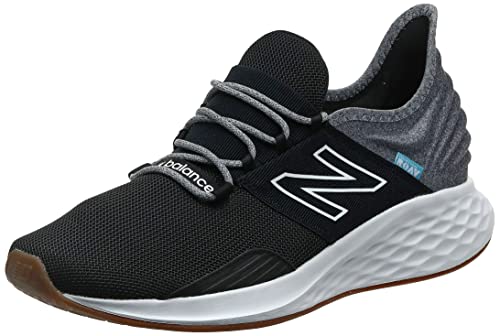
New Balance Fresh Foam Roav V1 Running Shoe
Overall Rating
4.5
Brand
New Balance
Upper Material
Engineered mesh
Cushioning Level
Soft
Arch Type
Neutral
Dimensions
-
Weight
-

If you're after shoes that feel like a little everyday indulgence, the Fresh Foam Roav v1 delivers. The Fresh Foam midsole really is the star—it's plush and surprisingly lightweight, so daily walks or long shifts on your feet feel cushioned without that heavy, slogging sensation. The Ultra Heel and bootie-style upper cradle the back of the foot nicely, giving a secure, slip-free fit that keeps things comfortable all day. Durable Ndurance rubber in high-wear zones means you won't be replacing them after a few months of regular use, which adds to their appeal as go-to everyday sneakers.

They're built around an approximate 8mm drop, which suits most neutral runners and casual wearers, but they’re not a specialist race or stability shoe. Ventilation and responsiveness are solid but not exceptional—think reliable every-day comfort rather than cutting-edge performance. Overall, they strike a great balance of plush cushioning, supportive fit, and lasting wear for daily life.

What To Look For

Finding the right running shoe for women means balancing comfort, performance and injury prevention; focus on fit, cushioning and the conditions you'll run in.

  • Fit & Sizing: Shoes should feel snug in the midfoot with some toe room; try them with your usual socks and test for secure heel lockdown.
  • Cushioning: Choose cushioning level based on distance and comfort preferences—plush for long runs, firmer for responsiveness and better ground feel.
  • Support & Stability: Look for motion control or stability features if you overpronate; neutral runners often prefer flexible platforms that allow natural foot motion.
  • Heel-to-Toe Drop: Lower drops encourage a midfoot strike and increase calf engagement, while higher drops can ease strain on the Achilles for heel strikers.
  • Weight: Lighter shoes reduce fatigue and improve turnover for speed work, whereas slightly heavier models typically offer more protection and durability.
  • Breathability & Upper Material: Mesh and engineered knit uppers boost airflow and comfort, and seamless constructions cut down on hotspots and blisters during longer outings.
  • Durability & Outsole: High-abrasion rubber in key zones extends the shoe's life for road miles; reinforced areas are important if you run on rough surfaces.
  • Traction: Tread pattern and rubber compound should match your terrain—deeper lugs for trails and stickier rubber for wet or technical road conditions.
  • Intended Use & Terrain: Pick a shoe designed for the distances and surfaces you run most often—road, trail, mixed terrain or gym crossover models have different priorities.
  • Foot Type & Gait Analysis: Knowing whether you have flat, neutral or high arches and whether you overpronate or supinate helps select appropriate support and cushioning levels.

Prioritize proper fit, comfort and the shoe's intended use to choose a pair that supports your running goals and reduces injury risk.

How We Select Our Products

We approached this roundup the way most runners approach a long training cycle: methodically, a little obsessively, and always with practical results in mind. First, we cast a wide net — researching dozens of current models across major brands and promising newcomers — then narrowed that list by combining real-world testing with careful data analysis.

Customer ratings and review analysis played a big role. We read hundreds of user reviews to pick up recurring praise or complaints about fit, durability, and comfort, and we cross-checked those impressions with aggregated star ratings from multiple retail sites. That helped us spot patterns (for example, consistent sizing issues or midsole breakdown after a set number of miles) rather than relying on one-off opinions.

Feature comparison was next: cushioning type, responsiveness, weight, stack height, stability features, breathability, and outsole grip were all tabulated so we could directly compare shoes for specific types of runs — speedwork, long-distance training, or trail miles. Value for money factored in price relative to expected lifespan and performance; a pricier shoe can still be the best buy if it lasts longer and delivers noticeably better comfort or injury prevention.

We also put several pairs through hands-on tests — short tempo runs, longer endurance outings, and a few sessions on mixed surfaces — to validate claims. Brand reputation, warranty/return policies, and sustainability practices rounded out the evaluation because they affect the overall ownership experience.

Throughout, we used weighted criteria to ensure no single factor dominated the decision. The result is a shortlist grounded in evidence, experience, and a clear focus on helping different types of women runners find the right shoe for their goals.

Final Thoughts

Picking the right running shoes for women isn’t just about color or brand—it's about matching the shoe to your body, goals, and the way you move. The right pair can reduce pain, boost comfort, and help you run more efficiently. For example, choosing shoes with appropriate arch support and cushioning can relieve common issues like plantar fasciitis or shin splints, while a stable platform and motion control help if you overpronate. If you’re a neutral runner, a lighter, more responsive shoe will improve speed without adding unnecessary bulk.

Fit matters as much as function. A roomy toe box prevents blisters and black toenails on long runs, while a snug heel lock keeps your foot from slipping and forming hotspots. Women’s-specific lasts and narrower heels in many models account for typical anatomical differences, but width and shape vary person to person—so trying shoes on is crucial. Consider the terrain, too: trail shoes add grip and protection for uneven paths, whereas road shoes prioritize cushioning and energy return.

Practical features like breathability, durable outsoles, and a comfortable midsole affect both performance and how long the shoes will last. If you use custom orthotics or are pregnant, look for shoes with removable insoles and forgiving cushioning. Finally, an informed decision includes trying shoes with the socks you run in, testing them on a short run, and taking advantage of stores that offer gait analysis or flexible return policies. Make choices based on comfort, fit, and purpose, and you’ll enjoy safer, more enjoyable running from the first step.
Share:
On Key
You Might Also Like