




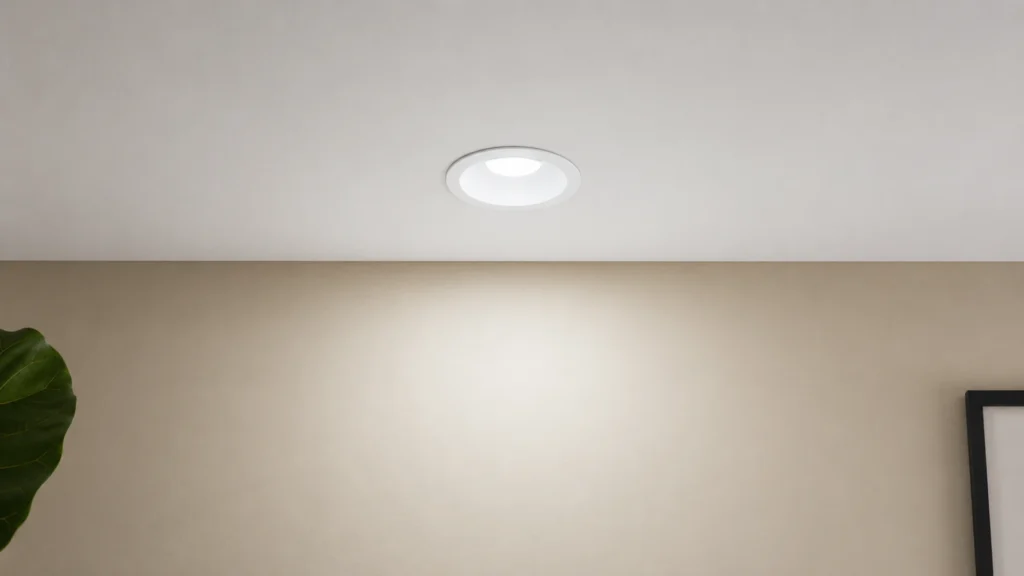
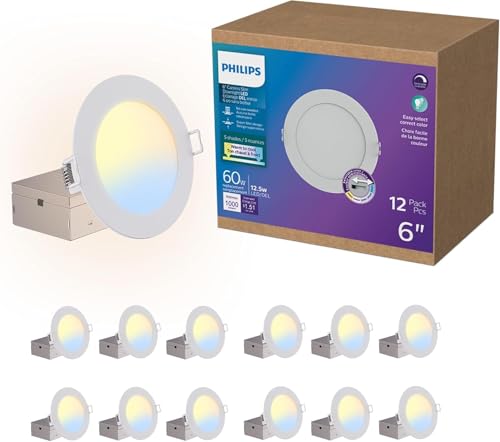
Recessed ceiling lights sit inside the ceiling, with the trim sitting flush or near flush. In this sub-category, buyers usually want slim 5 to 6 inch LED options for kitchens, hallways, and bedrooms where glare and uneven light look worse than they do with pendants.
Picking recessed lights is hard because trade-offs show up fast. You must balance light quality against heat and dimming behavior. You also have to match trim size and cutout requirements, since a “6 inch” label can still hide different face sizes and trim styles.
Once you know what to check, you can compare models without guessing. Looking for all types? See our Best Ceiling Lights.
Quick Overview
Our Top Picks
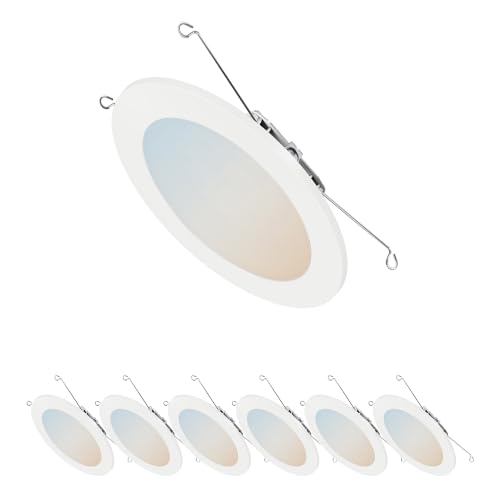
#1. HALO Slim LED Recessed Light Trim 6" Ceiling Light
Specifications
| Brand | HALO |
|---|---|
| Fixture Type | Recessed |
| Dimensions | 7.1 x 5.4 x 7.1 in |
| Number Of Lights | 6 |
| Light Source | Integrated LED |
| Dimmable | Yes |
| Lumens | 965 lm |
| Color Temperature | 2700 K |
Pros
- Solid housing, no wobble
- Easy setup, good alignment
- Flush ceiling look
Cons
- Ceiling compatibility limits
This Halo Slim recessed trim stands out for its clean, flush ceiling look without looking bulky. In real rooms, the integrated LED delivers 965 lm at 2700 K, giving a warm light that works well for everyday spaces. Install is also straightforward, with hardware that helps keep the trim aligned. The housing feels solid too, with no wobble after mounting.
The main trade-off is ceiling compatibility limits. If your ceiling cutouts and wiring setup do not match what this trim needs, installation may take extra effort. It is a strong pick for homeowners who are replacing or planning recessed lighting carefully and want a neat finish that stays tight to the ceiling.
#2. Amico Ultra-Thin LED Recessed 6" Ceiling Light

Specifications
| Brand | Amico |
|---|---|
| Fixture Type | Recessed |
| Dimensions | 2.5 x 17.5 x 17.5 in |
| Number Of Lights | 6 |
| Light Source | Integrated LED |
| Dimmable | Yes |
| Lumens | 1050 lm |
| Color Temperature | 2700 K |
Pros
- Good brightness for the cost
- Solid housing, no wobble
- Easy setup, good alignment
Cons
- Synchronization reset needed
- Shallower recess expectations
This ultra-thin Amico recessed 6-inch LED light stands out for how cleanly it can fit into a ceiling without looking bulky. In real use, it delivers good brightness for its size, and the light feels even across the area rather than creating sharp hotspots. The housing feels solid too, with no wobble after mounting. Setup is also straightforward, and the alignment comes out well when you follow the install steps.
The main trade-off is that smart dimming or multi-light setups may need a synchronization reset if you are pairing units or using certain dimmer setups. Also, it is easy to assume a “recessed” install will sit deeper than it actually does, so check your ceiling cut depth expectations before committing. Best fit: rooms where you want low-profile recessed lighting and consistent output, not ultra-deep trim.
#3. Philips LED Slim 6-inch Canless 6" Ceiling Light

Specifications
| Brand | Philips LED |
|---|---|
| Fixture Type | Recessed |
| Dimensions | 1 x 6.7 x 6.7 in |
| Light Source | Integrated LED |
| Dimmable | No |
| Lumens | 1000 lm |
| Color Temperature | 2700 K |
Pros
- Easy setup, good alignment
- Switch-compatible wiring
- Tight-ceiling fit
Cons
- Dimming-spec contradiction
- Poor serviceability later
In recessed ceiling lights, what stands out here is the slim, canless fit. The unit seats tightly to the ceiling, and alignment is straightforward once you get the opening lined up. The light output feels even for a 6-inch class fixture, and the 2700 K warm white tone works well for living rooms and hallways where you want a softer look. At 1000 lm, it is bright enough for many everyday uses without throwing harsh glare.
The main trade-off is dimming behavior. The listing notes a dimming-spec contradiction, and the bulb is marked non-dimmable, so planning a dimmer setup may lead to frustration. Also, like many integrated LED recessed models, the later service options are limited, so it is best for spaces where you expect the fixture to stay in place for years.
#4. Juno Wafer Downlight 6" Ceiling Light

Specifications
| Brand | Juno |
|---|---|
| Fixture Type | Recessed |
| Finish | Matte White |
| Dimensions | 7.63 Diameter x 2.56 H in |
| Number Of Lights | 6 |
| Light Source | Integrated LED |
| Dimmable | Yes |
| Color Temperature | 2700 K |
Pros
- Timeless look, great finish
- Easy setup, good alignment
Cons
- Lackluster 2700K output
- Unverified lumen CRI
Juno’s Wafer Downlight 6 stands out in recessed ceiling lights because it keeps the trim looking clean and low-profile while still aligning well during setup. The matte white finish blends into ceilings without calling attention to itself. In rooms that need a neat, modern look, it tends to land where you want it visually, especially when you are matching multiple openings.
The main downside is how it performs with warm light. At 2700 K, the output can feel a bit lackluster for tasks and larger spaces, so you may notice dim corners if you expect a brighter wash. Dimming is listed as Yes, but the CRI rating was not verified, which matters if you care about how colors look under warm recessed LEDs.
#5. LIFX SuperColor 5-6" Ceiling Light

Specifications
| Brand | LIFX |
|---|---|
| Fixture Type | Recessed |
| Dimensions | 2.4 x 7.5 x 4.8 in |
| Light Source | Integrated LED |
| Dimmable | Yes |
| Lumens | 800 lm |
Pros
- Crisp brightness, smooth dimming
- Easy setup, good alignment
- Good brightness for the cost
Cons
- Matter compatibility issues
- Coverage uniformity uncertain
LIFX SuperColor 5-6 is a notable pick for recessed ceiling installs because it leans into smart, color-capable lighting rather than just basic white output. In everyday use, it delivers crisp brightness and smooth dimming, which matters in a recessed setup where light can otherwise look flat or uneven. At 800 lm, it should do well for many typical rooms, and the fixture alignment is straightforward during setup.
The main trade-off is ecosystem fit. Matter compatibility issues can limit how easily it will work with certain smart home setups, so it is best for buyers who already plan to use LIFX as their hub path. Also, coverage uniformity is not fully clear, so if your priority is perfectly even light across a larger ceiling area, you may want to check your room layout before committing.
#6. Philips Hue Smart Retrofit Recessed 5-6" Ceiling Light

Specifications
| Brand | Philips Hue |
|---|---|
| Fixture Type | Recessed |
| Dimensions | 3.9 x 8 x 8 in |
| Number Of Lights | 1 |
| Light Source | Integrated LED |
| Dimmable | Yes |
| Lumens | 1100 lm |
Pros
- Crisp brightness, smooth dimming
- Color ambiance variety
- Integrated system look
Cons
- Electrical confidence needed
- Wrong variant risk
- Dusty retrofit process
Philips Hue’s recessed retrofit stands out because it ties directly into a smart lighting system. In a recessed ceiling light setup, that means you can keep the clean, flush look and still switch the mood. Output feels crisp at about 1100 lm, and dimming stays smooth rather than jumping levels. Color options add real flexibility for everyday spaces like a kitchen, hallway, or living room, where you often want both general light and softer evening lighting.
The main trade-off is confidence and compatibility. Retrofits can be dusty and require careful electrical work, especially if you pick the wrong variant. If you are comfortable verifying wiring and selecting the correct Hue recessed version, this is a strong choice. If you want a grab-and-go install, you may prefer a simpler non-smart recessed light.
#7. Nicor LED Recessed Slim Downlight 6" Ceiling Light

Specifications
| Brand | Nicor |
|---|---|
| Fixture Type | Recessed |
| Dimensions | 6.8 x 6.8 x 1 in |
| Light Source | Integrated LED |
| Lumens | 982 lm |
| Color Temperature | 2700 K |
Pros
- Easy setup, good alignment
- Good brightness for the cost
- Canless retrofit convenience
Cons
- Somewhat flimsy, light squeaks
- Ceiling compatibility varies
- Trim material not confirmed
This Nicor recessed slim downlight stands out for retrofit ease. It is a canless recessed style, so it helps you add a clean, low-profile LED look without the extra work that older recessed trims can require. In typical ceiling light setups, the output feels strong enough for day-to-day spaces, with 982 lm at a warm 2700 K color temperature. Alignment is also a bright spot, with the install process generally lining up well.
The main trade-off is build feel. Some users report the housing or trim can feel somewhat flimsy and may squeak after installation. Ceiling compatibility can vary, so double-check the cutout and mounting conditions before committing. If you want a straightforward recessed LED upgrade and can tolerate a little sensitivity in the trim feel, this is a practical choice for many common ceiling-light replacements.
What to Look For
Light coverage and output: Use lumens as your starting point. For a recessed layout, aim for enough brightness so you do not see dark edges between lights. Check that the beam does not create hotspots on walls.
Dimming reliability: If you use a dimmer, choose a recessed LED model labeled as dimmable. Test for smooth fades in real homes by looking for feedback about flicker or buzzing when dimmed.
Color temperature that matches your room: Pick a color temperature that fits the space. Warm white helps bedrooms and living areas. Neutral to cool white suits kitchens and work zones where you need clear details.
Trim and fit for a clean ceiling look: Recessed lights stand out when trim gaps appear. Confirm the fixture size, trim style, and whether it is canless or uses an existing can. This affects how flush the trim sits and how neatly it hides the opening.
Build quality for long-term reliability: Look for solid mounting hardware and a sturdy metal or well-finished trim. Recessed fixtures live in ceilings, so loose springs, thin housings, or finishes that discolor early become a recurring problem.
How We Picked
Products were identified through broad research across review sites and buyer forums, then filtered to only those that qualify as Recessed Ceiling Lights.
Scoring used the same objective pillar framework as the main Ceiling Lights post, allowing direct comparison of products within this sub-category.
Frequently Asked Questions
What is the difference between a 6-inch recessed light and a smaller 5-inch model?
A 6-inch recessed light usually offers wider beam coverage for the same spacing. A smaller model can work in tighter ceilings or where you want a more subtle look. Check the lumens and beam angle, not only the cutout size.
Do I need to remove the old can or housing to install canless recessed lights?
Many canless designs are made to replace an existing opening or work as a new trim-only retrofit. Some setups still require a compatible housing or driver, depending on the wiring. If you are unsure, match the trim to your ceiling opening and power wiring first.
How many recessed lights should I put in a room?
Start by planning spacing, often around 4 to 6 feet apart for even coverage. Your room size and ceiling height change the final count. For good results, aim for consistent spacing and use the lumens target for the room.
Can recessed ceiling lights be used with a dimmer?
Yes, many recessed LED models are dimmable. But not all are compatible with every dimmer switch. Use a dimmer that is rated for LED lighting and confirm the product lists dimming support.
When should I choose a different ceiling light type instead of recessed lights?
Choose a different type if you cannot cut into the ceiling. For example, renters or homes with limited wiring access may prefer flush mount or semi-flush fixtures. Recessed lights also need enough space above the ceiling for the housing.
How do recessed ceiling lights compare to surface mount lights for brightness and glare?
Recessed lights can hide the bulb and reduce visible glare. They often create a cleaner, more even wash across the ceiling and walls. Surface mount options can work well too, but the trim and diffuser design affects glare more.


