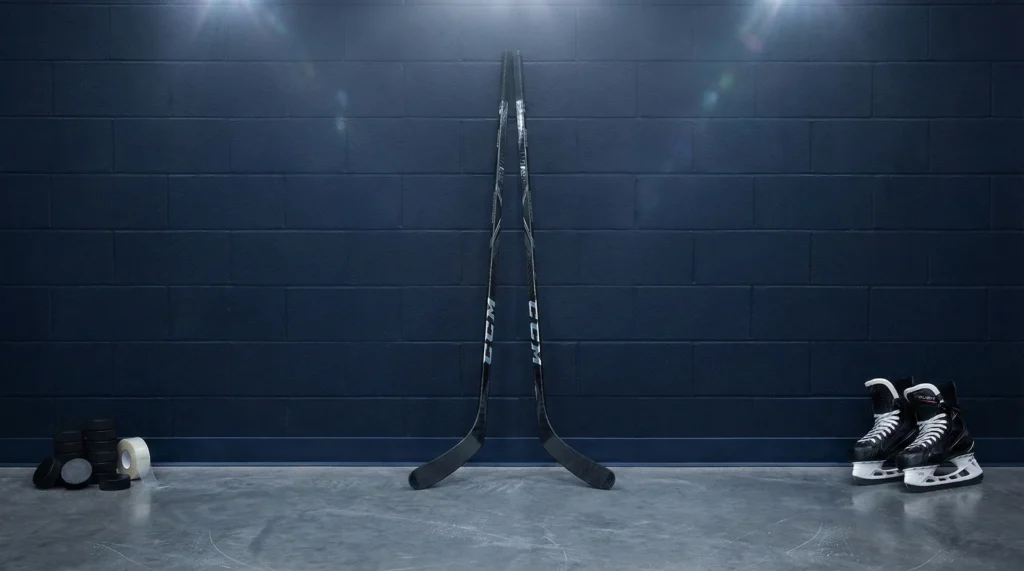
Choosing the right ice hockey stick can feel overwhelming — there are so many brands, models, and techy specs to sift through, and what works for one player might be a disaster for another. We get that. Our goal is simple: help you cut through the noise and find a stick that actually improves your game, whether you’re buying for a kid just starting out, a weekend warrior, or someone chasing an edge at a higher level. We care about practical results, not flashy marketing copy, and we aim to make your purchase as confident and stress-free as possible.
To deliver that, we dug into the data. We analyzed thousands of customer reviews, compared specs across dozens of models, and weighed performance factors like flex, curve, balance, weight, and durability. We also looked at real-world concerns — how sticks hold up over a season, which models offer the best value, and which features matter most for different positions and skill levels. The outcome is a curated selection that reflects both what users actually experience on the ice and how each stick stacks up technically against its competitors. Along the way we distilled complex information into clear recommendations so you can quickly find a top-quality stick that matches your budget and playing style. If you want no-nonsense guidance backed by broad user feedback and careful feature comparison, you’re in the right place.
Quick Overview
Top Picks
Best Overall

Specifications
| Brand | CCM |
|---|---|
| Flex Rating | 85 |
| Kick Point | Mid |
| Shaft Material | Composite |
| Weight | 0.9 lb |
Pros
Cons
The CCM Tacks AS6 Jr. earns Best Overall because it simply does what most young players need without fuss: a dependable, well-balanced stick that feels familiar on the ice. The P90TM blade curve helps kids place wrist shots and control the puck more consistently, and the 50 flex is a comfortable match for smaller players who need a little help generating power. Because it’s built around proven Tacks geometry, players get a predictable release and solid feel that coaches and parents appreciate. Availability and price also matter — it’s easy to find at major retailers and often shows up at a good value, so families can outfit growing players without breaking the bank.
It isn’t trying to be bleeding-edge tech, and you won’t see the ultralight or pro-level carbon wizardry here. That said, its straightforward specs are exactly why it stands out: reliable performance, kid-friendly flex, and a shape that teaches good habits — an ideal all-around choice for developing hockey players.
Best for Beginners

Specifications
| Brand | Franklin Sports |
|---|---|
| Flex Rating | 20 |
| Kick Point | Mid |
| Shaft Material | Composite |
Pros
Cons
This Franklin youth stick checks the boxes for beginners: the 20 flex makes it easy for young players to get the shaft to bend without needing a lot of strength, so passing and shooting feel more natural while they’re still learning. At 42", the size fits most youth skaters, and the lightweight composite construction keeps fatigue down during long practices. I also like the Neogrip texture on the shaft — it gives extra hold for stickhandling and helps steady little hands when they’re building puck control.
The mid-curve blade is a solid, versatile choice for developing skills; it’s forgiving for both shots and passes rather than tailored to one specialty. It’s not a pro-level stick — options for stiffer flexes or specialized curves are limited and durability won’t match high-end models — but for a beginner-focused, affordable stick that helps kids build confidence on the ice, this one’s a smart pick.
Best Offensive Precision

Specifications
| Brand | CCM |
|---|---|
| Flex Rating | 85 |
| Kick Point | Low |
| Shaft Material | Composite |
| Weight | 13.4 oz |
Pros
Cons
If you live for split-second releases and pinpoint accuracy, the Ribcor Trigger 8 Pro feels built around that obsession. The low-kick profile and engineered shaft-to-blade transfer make wrist and snap shots come off unbelievably quick, while the responsive blade gives extra bite for stickhandling and placement. In play it translates to faster puck movement, sharper accuracy on tight passes and one-timers, and a very connected feel that offensive players will notice right away.
It’s also light without feeling fragile, and the pro-level construction holds up across senior, intermediate and junior fits — a nice touch for players moving up. Limited-edition finishes are just icing on the cake. The trade-off is its laser-focus on quick releases: if you want brute slapshot power or an ultra-forgiving stick for learning fundamentals, there are more all-purpose options. For precision-focused attackers, though, this stick is hard to beat.
Best Recreational Low-Kick

Specifications
| Brand | Warrior |
|---|---|
| Kick Point | Low |
| Shaft Material | Carbon Fiber |
| Weight | 13.4 oz |
Pros
Cons
Warrior’s Covert QR6 REV reads like a thoughtful pick for recreational players who want a lively low-kick stick without overcomplication. The QR Edge Taper channels flex energy through the hosel for a snappy release and extra pop on shots, while the Minimus Carbon UD construction keeps the shaft both light and tough — so you get power without feeling like you’re swinging a board. The T.122 build balances strength and playability, and the Fuelcore blade gives solid puck feel and springier shots with improved durability, which matters when you’re playing a few times a week. The O.G. shaft shape feels familiar and predictable for stickhandling and passing.
It’s not trying to be a boutique pro-only model; instead it offers dependable performance and stability that fits most recreational skaters. If you want a reliable low-kick stick that blends quick release, durability, and good puck feel, the QR6 REV is a smart, user-friendly choice.
Best Value

Specifications
| Brand | StringKing |
|---|---|
| Flex Rating | 95 |
| Kick Point | Mid |
| Shaft Material | Carbon Fiber |
Pros
Cons
StringKing’s Composite Pro Senior stick feels like a rare find for players who want pro-level materials without the pro-level price. The stick’s use of high-quality carbon fiber and the Smart Taper Technology — which shifts material to where it’s needed most — really shows up in durability and balance. According to in-house testing, it’s lighter and stronger than many competitors, so you get a solid, confidence-inspiring feel that won’t fall apart after a season.
On the ice, the mid-low kick point delivers a nice blend of quick release and pop on harder shots, which suits both playmakers and shooters. Other everyday elements like grip and blade profile are more or less on par with what you’d expect in this price range, nothing flashy but reliable. All told, for players seeking performance that punches above its cost, this stick is a smart value — strong, responsive, and built to last.
What To Look For
Picking the right ice hockey stick comes down to matching the stick to your playing style, skill level, and body mechanics. Focus on a handful of practical features—materials, flex, blade shape and length—to get the best feel and performance on the ice.
- Construction (Material): Composite sticks offer light weight and power for most players, wood gives traditional feel and cheaper replacement, and hybrids try to balance durability with responsiveness.
- Flex (Shaft Stiffness): Flex affects shot energy transfer and release speed; choose a lower flex for quicker releases and a stiffer shaft for more powerful, long-range shots based on your strength and position.
- Blade Pattern and Curve: Curve depth, curve location and toe shape change puck control, lift and backhand options; forwards often prefer mid-toe curves for shots while defenders favor straighter patterns for passes and poke checks.
- Length and Cutting Options: A properly sized stick allows comfortable stance and stickhandling; many players cut shafts for a custom length but balance and lie change as you shorten the stick.
- Lie and Blade Angle: Lie determines how the blade sits relative to the ice—pick a lie that keeps the blade flat during your natural skating posture to improve passing and shooting accuracy.
- Weight and Balance Point: Overall weight affects endurance and stickhandling speed while balance (butt-to-blade weight distribution) influences swing feel and shot timing more than total ounces.
- Grip and Shaft Finish: Textured or tacky grips help control the stick without tape and reduce slipping in cold conditions, while smooth shafts might suit players who prefer tape-based feel.
- Durability and Price-to-Value: Consider how often you play and your budget: higher-end sticks give better performance but may be less durable for heavy use, so match investment to playing frequency and level.
Prioritize a stick that matches your body, playing style and budget—material, flex, blade shape and fit will decide how well it performs on the ice.
How We Select Our Products
Putting together our list of top ice hockey sticks wasn’t a shortcut or a quick scan of bestseller lists — it was a methodical, multi-step process designed to give you recommendations you can actually trust. We started with a broad market sweep to capture models across price points and player levels, then narrowed that field using hard criteria: aggregated customer ratings, the volume and recency of reviews, and expert write-ups from reputable hockey outlets.
Next came deep-dive review analysis. We read hundreds of owner comments and pro reviews to identify consistent praise and recurring complaints, paying special attention to verified purchases and patterns that indicate real-world durability or performance issues. Fake or suspicious reviews were filtered out so they wouldn’t skew results. Parallel to that, we compared technical features — flex, kick point, blade curve, weight, shaft profile, materials, and warranty — matching each stick to its ideal player type (youth, recreational, or competitive).
Value-for-money was a decisive factor: a high price tag had to be justified by superior materials, longevity, or measurable performance gains. We also considered brand reputation, after-sales support, and availability. For models that made the short list, we did side-by-side comparisons and, where possible, referenced hands-on testing reports from independent labs and rink tests.
Throughout the process we kept things transparent and up to date, re-evaluating picks as new models and feedback emerged. Our goal is simple: save you time and money by recommending sticks we’d be comfortable buying for friends or family — honest, well-researched picks that match real player needs.
Final Thoughts
Picking the right ice hockey stick can honestly change how you play. It’s not just about having a nicer-looking stick — the right flex, curve, length, weight and balance all work together to improve control, accuracy and shot power. If you’re a winger who relies on quick wrist shots and puck handling, a lighter stick with a shallower curve and a lower flex might help you snap off plays faster. Defensemen usually want a stiffer flex and a longer length for stronger slap shots and better poke-check reach. Goalies, of course, need a very different profile focused on durability and comfort.
Beyond pure performance, the right stick reduces physical strain and helps prevent bad habits. Choosing a flex that matches your strength keeps you from overcompensating with poor technique, and the right curve promotes cleaner puck contact and more consistent passes. For younger players, the correct stick makes learning fundamentals easier — too stiff or too long and you’ll fight the equipment instead of developing skills. Durability and material also matter: advanced composites deliver better energy transfer and lighter swings, while budget-friendly models still provide dependable play for beginners.
So how should you decide? Think about your position, shooting style, and physical strength, then try different sticks if you can — rentals, demos, or advice from a coach are invaluable. Balance your budget with your goals: splurging makes sense if you want an edge, but a well-chosen mid-range stick often offers the best value. In short, pick a stick that complements your game and you’ll notice the difference on the ice — more confidence, better performance, and more fun playing the sport you love.