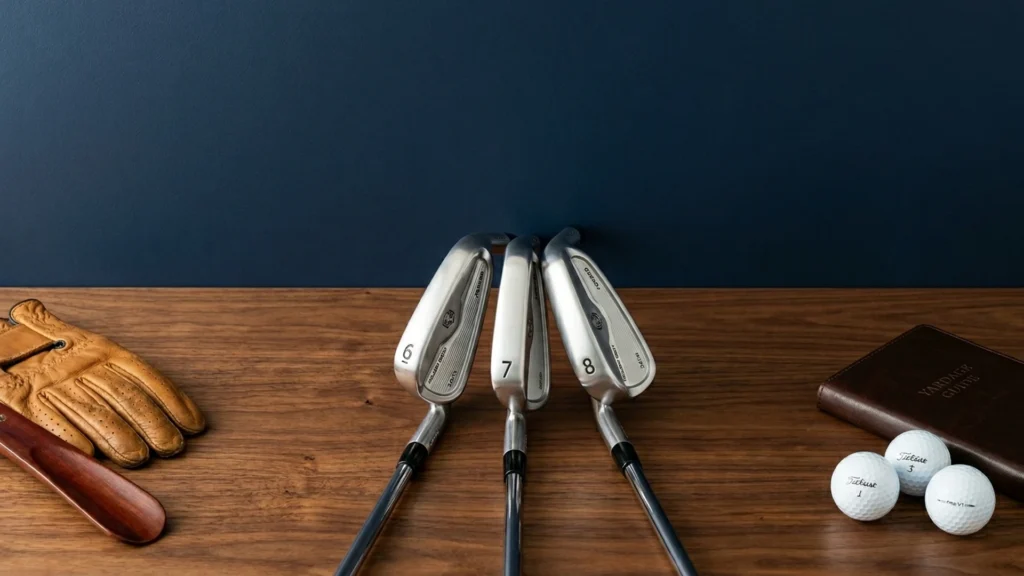
Golf irons with hollow bodies use an air space in the head to help create faster ball speed and easier launch. In this sub-category, you are usually shopping for utility-style irons and sets that aim to keep the ball moving when contact is not perfect.
Picking the right hollow-body option is harder than it looks. You trade some workability for help on distance and launch. You also need to match gapping across the set, because hollow designs can jump yards and change how spin drops from club to club.
To put these decisions in context across all iron types, use our buying guide logic and compare models by the same criteria we use here, then connect your choice back to the full list in the main post when you are ready. Looking for all types? See our Best Golf Irons.
Quick Overview
Our Top Picks
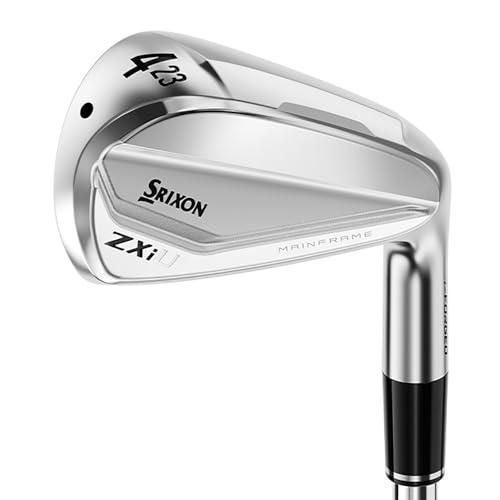
#1. Srixon ZXiU Utility (2025) Utility Iron
Specifications
| Brand | Srixon |
|---|---|
| Iron Type | Utility |
| Set Makeup | #4 |
| Head Design | Hollow Body |
| Shaft Material | Graphite |
| Shaft Flex | Regular |
| Hand Orientation | Right Hand |
Pros
- Reliable launch and carry
- Clean sound and feedback
- Cavity-back forgiveness
Cons
- Limited set coverage
- Hollow feel
The Srixon ZXiU Utility (2025) is notable in hollow body utility irons because it keeps ball speed and launch steady without needing perfect contact. The hollow back design adds help low and away from center, and shots tend to carry with a consistent, playable trajectory. On impact, the feel and sound stay clean, with feedback that helps you repeat strike quality, even when you are off the usual spot.
The trade-off is set coverage. It is a utility iron built for specific gaps, not a full lineup like a traditional iron set. Also, the feel can come off a bit hollow to players who want a more solid, muted strike. This is a strong pick if you want an easy-to-launch distance option for long clubs and strong consistency from swing to swing.
#2. TaylorMade P-UDI Utility Iron

Specifications
| Brand | TaylorMade |
|---|---|
| Iron Type | Utility |
| Set Makeup | #2 |
| Head Design | Hollow Body |
| Shaft Material | Graphite |
| Shaft Flex | X-Stiff |
| Hand Orientation | Right Hand |
Pros
- Reliable launch and carry
- Cavity-back forgiveness
- Worth the price tag
Cons
- Too stiff for most
- Setup-dependent performance
- Off-center sound penalty
The TaylorMade P-UDI Utility Iron stands out in hollow body utility irons because it blends a cavity-like feel with dependable launch and carry. That hollow body design helps ball speed stay steady when you catch it from the wrong spot, so you are more likely to hit a usable height and distance, not just a flyer. In practice, the yardage gaps feel consistent enough to trust for long iron and hybrid-like jobs.
The main trade-off is shaft fit. With an X-stiff graphite option, it can feel too firm for many golfers, especially if your tempo is smooth or your swing speed is moderate. It also plays best when setup is right, so lie and ball position matter more than they do with more forgiving cavity-back irons. If you strike it consistently and want a controlled trajectory, this is a strong pick in the hollow body category.
#3. Titleist T200 3G Iron Set

Specifications
| Brand | Titleist |
|---|---|
| Iron Type | Players Distance |
| Set Makeup | 4-PW |
| Head Design | Hollow Body |
| Shaft Material | Steel |
| Shaft Flex | Stiff |
| Hand Orientation | Left Hand |
Pros
- Reliable launch and carry
- Durable finish and alignment
Cons
- Thin strike dropoff
- Premium price mismatch
The Titleist T200 3G Iron Set stands out in hollow-body players distance irons for its mix of easy launch and stable carry. Even with the hollow-body design, it keeps ball flight consistent and helps you set up repeatable yardages from 4-PW. Strikes sound solid, and the face stays responsive when you catch it in the center area.
The main trade-off is thin strike dropoff. When you miss high or low on the face, distance and feel fall off faster than many cavity-back options. That makes this set best for golfers who already find the middle often, or who want a hollow-body style head but do not want a big forgiveness leap. Durability also looks strong, with a finish and alignment that hold up well.
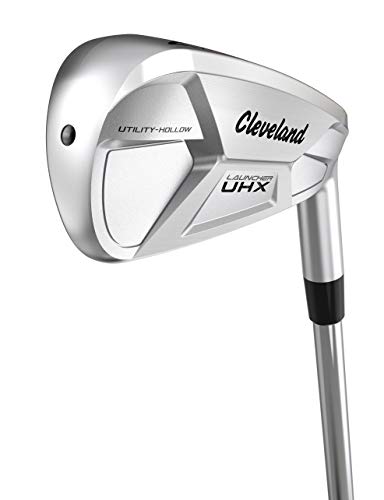
#4. Cleveland Golf 11191956 Utility Iron
Specifications
| Brand | Cleveland Golf |
|---|---|
| Iron Type | Utility |
| Head Design | Hollow Body |
| Hand Orientation | Right Hand |
Pros
- Reliable launch and carry
- Durable finish and alignment
- Worth the price tag
Cons
- Short-iron fliers
- Limited model evidence
These utility irons stand out in the hollow-body category because they prioritize easy launch and steady carry while keeping a more controlled feel than many high-COR designs. On shots from the fairway, the hollow body helps ball speed stay up, so distance feels consistent across normal swings. The build also seems tight, with reliable alignment and a durable finish that holds up well through repeated play.
The main trade-off shows up in the shorter irons, where fliers can happen if you do not strike the center often. That makes the set a better fit for golfers who use utility irons for specific needs, like adding help to long-iron gaps or hitting from tough lies, rather than relying on them for every full swing from wedge-distance.
#5. Titleist U-505 (2023) Utility Iron

Specifications
| Brand | Titleist |
|---|---|
| Iron Type | Utility |
| Head Design | Hollow Body |
| Shaft Flex | Stiff |
| Hand Orientation | Right Hand |
Pros
- Reliable launch and carry
- Clean sound and feedback
- Worth the price tag
Cons
- Some dispersion on misses
- Learning curve risk
- Shaft-dependent feel
The Titleist U-505 (2023) Utility Iron stands out in hollow body utility iron territory for its steady launch and carry. Off the face, it tends to send the ball on a controlled trajectory without feeling flighty, which helps you shape shots instead of guessing. Impact sound and feedback come through cleanly too, so you get a clear sense of contact rather than a muted thud.
The main trade-off is miss behavior. Strikes that drift away from the sweet spot can show up as extra dispersion and a small drop in distance. It also asks for proper shaft feel, so results can swing if your setup does not match your swing. This is a strong choice for golfers who want utility-iron distance with a more consistent rhythm, not for players who need the most forgiving build across every strike.
#6. Mizuno 211197 Iron Set

Specifications
| Brand | Mizuno |
|---|---|
| Set Makeup | 4-PW |
| Head Design | Hollow Body |
| Shaft Material | Steel |
| Shaft Flex | Stiff |
| Hand Orientation | Right Hand |
| Seven Iron Loft | 29° |
Pros
- Clean sound and feedback
- Cavity-back forgiveness
- Full iron coverage
Cons
- Workmanship defects
- Grip misalignment
Mizuno 211197 stands out among hollow body irons for its mix of solid feedback and real hollow-back help on tough strikes. Players tend to notice a clean sound at impact, plus clear feel through the face. The set uses full iron coverage and a cavity style that helps keep ball speed up when contact strays from the center, which matters more in a hollow design than in a traditional blade feel.
The main trade-off is not swing speed or distance. It is quality consistency. Reported workmanship defects and grip misalignment can be a headache, especially if you rely on precise setup for straight shots. This makes the irons better suited to buyers who can check fit and alignment carefully before committing, and golfers who want cavity back forgiveness with responsive feedback rather than a purely forgiving, soft feel.
#7. Cobra R6811RGS3 Utility Iron

Specifications
| Brand | COBRA |
|---|---|
| Iron Type | Utility |
| Head Design | Hollow Body |
Pros
- Worth the price tag
- Cavity-back forgiveness
Cons
- Less forgiving for high-handicaps
- Limited model-specific data
This Cobra R6811RGS3 Utility Iron stands out in the Hollow Body category because it is built around a hollow-body feel that can help launch and pop off the face when you need a higher, easier strike. That design intent shows up most on longer approach shots and tricky lies where a solid, stable ball flight matters more than pure “iron-like” turf feel. In play, it tends to keep shots moving with enough speed, while the hollow construction helps prevent the club from feeling dead when contact is not perfect.
The main trade-off is forgiveness. It is more workable than a blade, but it still expects good contact compared with true cavity-back game improvement irons. Higher-handicap golfers may see more distance and direction spread when strikes land low on the face or toward the toe and heel. This makes it a better fit for players who want hollow-body help for launch and carry, but who can still swing with some consistency.
What to Look For
Ball Speed and Launch Consistency: Hollow-body heads tend to support speed across off-center hits. Check whether the model keeps launch similar from loft to loft, especially from mid-irons to the short irons.
Forgiveness on Toe and Heel: Look for tighter dispersion when you catch it high on the face or toward the toe. Utility and hollow-body irons should reduce the distance drop that happens on those common misses.
Spin and Stopping Control: Hollow-body designs can produce different spin rates than players-style irons. Prioritize models that keep enough spin to hold greens, not just higher carry.
Set Gapping Fit: Utility and hollow-body irons often cover gaps that blades or smaller cavity backs leave open. Confirm the included range, such as 4-PW or 5-AW, or the specific utility loft steps, so yardage gaps stay usable.
Build and Spec Match: Hollow-body irons rely on consistent loft and lie to avoid gear effect changes. Choose a set with clear specs and make sure the lie angle matches your height and swing pattern.
How We Picked
Products were identified through broad research across review sites and buyer forums, then filtered to only those that qualify as Golf Irons with Hollow Body.
Scoring used the same objective pillar framework as the main Golf Irons post, allowing direct comparison of products within this sub-category.
Frequently Asked Questions
What is a hollow body iron, and why does it help with distance?
A hollow body iron has an empty cavity inside the clubhead. That design helps save weight and allows engineers to move mass for faster ball speed. Many models also launch easier, which can boost carry. You still need solid contact, but the ball often performs better on less-than-perfect strikes.
How do hollow body utility irons differ from regular cavity back irons?
Hollow body utility irons focus on specific long-iron or mid-iron gaps. They often use a more compact head and stronger lofts, like 2 to 5 iron replacements. Regular cavity backs are usually spread across the whole set with a more even shape from 5 iron onward. Utility hollow body designs aim for higher launch and easier distance control in your “hard clubs” range.
Do hollow body irons need any special care or cleaning?
You do not need special care, but you should clean the face after play. Use a soft brush and warm water, then dry the club well. Check the grip and shaft for any looseness, especially after wet rounds. Hollow heads can hide dirt around the face, so a quick clean helps keep spin consistent.
When should I consider a different type of golf iron instead of a hollow body iron?
Consider a different iron if you hit your current long irons high enough and you want a tighter, more player-like look. If you prefer a blade or a more solid, non-utility feel through the set, a cavity back or players-style iron may fit better. Also switch if you often struggle with strike location, since even hollow designs still need centered contact. A fitting can confirm launch and spin match your swing.
How do hollow body irons compare to hollow body wedges or other clubs for feel and spin?
Hollow body irons mainly target ball speed and launch from the full swing. Wedges, even with special designs, focus more on stopping power and short-game spin. Hollow body irons can feel a bit more “forgiving” and lively, but the spin you get still depends on your strike and loft. If you want maximum bite around greens, you usually rely on your wedge setup, not your iron hollow body design.