Digital cameras cover more than point-and-shoot models. They include mirrorless cameras with interchangeable lenses, plus fixed-lens cameras that trade flexibility for simplicity. This guide focuses on how to pick between those styles and get results you can use.
The hard part is that the spec sheet often hides the real trade-offs. Bigger sensors can cost more, and fast burst shooting can drain batteries. High megapixel counts do not guarantee clean low-light photos. Video specs can look strong but still break down with overheating, unstable autofocus, or weak stabilization.
Use this guide to compare models with the same set of priorities. You will see what to check for image quality, autofocus performance, video capability, handling comfort, battery endurance, and value for your budget.
Quick Overview
Top Picks
Best Overall
Specifications
| Brand | Canon |
|---|---|
| Camera Type | Mirrorless |
| Sensor Size | Full Frame |
| Effective Megapixels | 24.2 MP |
| Lens Mount | Canon RF |
| Max Video Resolution | 4K |
Pros
- Strong dynamic range
- Consistent tracking performance
- 4K video support
- Interchangeable lens support
Cons
- Thin video feedback
- Unverified audio support
- Unconfirmed stabilization
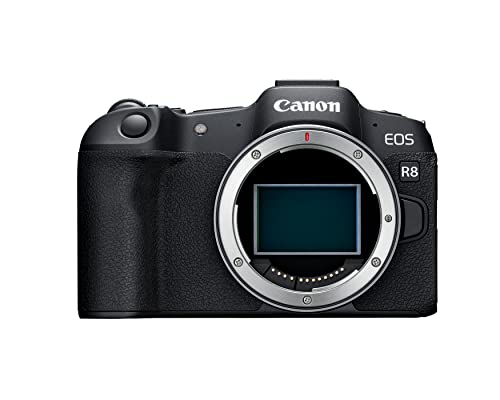
The Canon EOS R8 fits the Best Overall role because it keeps performance balanced for everyday shooting. Its strongest standout is consistent autofocus tracking, which helps you stay on target for people, pets, and moving scenes.
Image quality is strong for a 24.2 MP full-frame sensor, with solid dynamic range that holds onto highlight detail better than many rivals. Autofocus scores well for speed and reliability, and it stays steady when subjects move across the frame. For video, it supports 4K recording, and the interchangeable Canon RF lens system makes it easy to match the camera to the job.
The main drawback is video ergonomics, the feedback and monitoring feel thin during recording. If you want a full-frame mirrorless camera that nails stills first, with dependable autofocus and practical 4K video, this is the one to get. If you need robust, well-supported video workflows and confirmed stabilization for serious handheld work, look elsewhere.
Also ranked #1 in: Full-Frame Digital Cameras
Best for Studio Shoots

Specifications
| Brand | Fujifilm |
|---|---|
| Camera Type | Mirrorless |
| Sensor Size | Medium Format |
| Effective Megapixels | 102 MP |
| Lens Mount | Fujifilm G |
| Max Video Resolution | 4K |
| Battery Life Shots | 530 shots |
Pros
- Crisp, color-true images
- High-resolution sensor
- Interchangeable lens support
- 4K video support
Cons
- Desaturated preview
- Massive RAW files
Built for studio work, the Fujifilm GFX100S II centers on its 102 MP medium format sensor. That high pixel count helps when you need sharp, detailed files for large prints and careful retouching. In a controlled setup, it also lets you focus on output quality rather than fast subject tracking.
Image quality is the main win here. Expect crisp, color-true results and strong dynamic range for keeping highlight detail. Handling also fits studio routines, with a comfortable body and an easy-to-live-with layout for longer sessions. Video support is there too, with up to 4K recording for reference clips and short client deliverables.
The trade-off is workflow pain. RAW files are massive, which can slow down storage and editing. If you want the cleanest, most detailed medium-format stills for studio shoots and you can manage big RAW files, this is the one to get.
Best for Street Photography

Specifications
| Brand | Nikon |
|---|---|
| Camera Type | Mirrorless |
| Sensor Size | Full Frame |
| Effective Megapixels | 24.5 MP |
| Lens Mount | Nikon Z |
| Max Video Resolution | 4K |
Pros
- Strong dynamic range
- Consistent tracking performance
- Interchangeable lens support
- High-resolution sensor
Cons
- Battery compatibility confusion
- Limited video evidence
For street photography, the Nikon Zf is a natural fit because it pairs a high-resolution full-frame sensor with a calm, handheld-friendly feel. You get room to crop without losing detail, which helps when you shoot from the hip or react fast to changing scenes.
Image quality stands out first. The files show strong dynamic range, with good highlight recovery and clean, flexible results in tricky light. Autofocus is also a strong point, with consistent tracking that holds onto faces and eyes while you move through the crowd. Handling earns solid marks too, thanks to an intuitive layout and a comfortable grip that keeps you shooting for long stretches.
The main drawback is practical rather than artistic: battery compatibility can be confusing, so you may want to confirm which batteries and chargers you plan to use before heading out. Video also has limited evidence compared to stills-focused competitors. If you want reliable autofocus and high-detail still images for everyday street work, this is the one to get.
Best for Wildlife
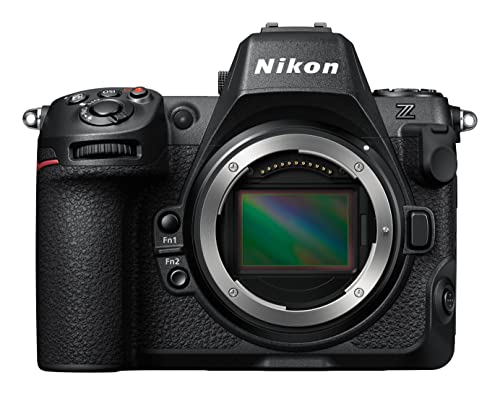
Specifications
| Brand | Nikon |
|---|---|
| Camera Type | Mirrorless |
| Sensor Size | Full Frame |
| Effective Megapixels | 45.7 MP |
| Lens Mount | Nikon Z |
| Max Video Resolution | 8K |
| Continuous Shooting Speed | 120 fps |
Pros
- Strong dynamic range
- Consistent tracking performance
- Stable, detailed 4K footage
- Interchangeable lens support
Cons
- Limited Z8 AF feedback
- Limited video performance evidence
- Sparse battery-life data
This camera fits the Best for Wildlife role because it balances fast shooting with a full-frame 45.7 MP sensor. That means you can crop when needed and still keep fine feather detail. For birds and other small, moving subjects, its keep-moving focus behavior is the standout trait.
Image quality is strong for long sessions in changing light, with good highlight recovery and clean, flexible RAW files. Autofocus tracking stays consistent when subjects move across the frame. For action, the camera can shoot up to 120 fps, and it records stable 4K video with dependable detail.
The main drawback is limited AF feedback, which can make it harder to judge tracking confidence in some shooting situations. Video performance has less solid evidence than the stills and tracking side, and battery-life figures are not clearly stated. If you shoot wildlife first and want reliable tracking plus high-detail files for cropping, this is the one to get.
Best APS-C
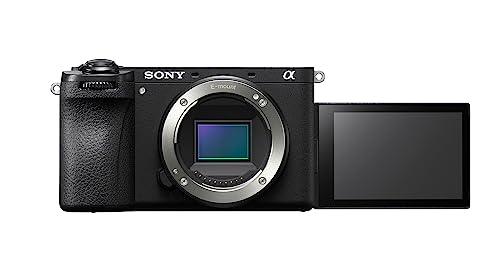
Specifications
| Brand | Sony |
|---|---|
| Camera Type | Mirrorless |
| Sensor Size | APS-C |
| Effective Megapixels | 26 MP |
| Lens Mount | Sony E |
| Max Video Resolution | 6K |
Pros
- Strong dynamic range
- Consistent tracking performance
- High-resolution sensor
- 4K video support
Cons
- Unclear premium ergonomics
- Limited video critique
This is a strong pick for the Best APS-C role because it pairs a 26MP APS-C sensor with proven Sony autofocus for everyday action. The result is a camera that stays sharp and reliable, even when scenes change quickly. It is a good match if you want the reach and size benefits of APS-C without giving up modern shooting speed.
Image quality stands out for its strong dynamic range and consistent detail. Autofocus is another major strength, with reliable tracking and solid face and eye detection. For creators, 4K video is backed by higher-end 6K support, which gives more flexibility for cropping and reframing. Overall, the files feel steady in real use, from bright highlights to tougher lighting.
The main drawback is that premium ergonomics are not fully clear-cut. If you expect the most comfortable grip and button layout right away, you may need some adjustment. Limited video critique also means you should double-check your priorities for stabilization, audio, and recording workflows. If you want dependable autofocus and high-quality APS-C stills with 4K video as a bonus, this is the one to get.
Best with Fixed Lens

Specifications
| Brand | Leica |
|---|---|
| Effective Megapixels | 60 MP |
| Lens Mount | Fixed Lens |
| Max Video Resolution | 8K |
Pros
- Strong dynamic range
- Consistent tracking performance
- High-resolution sensor
- 4K video support
Cons
- Fixed lens only
- Digital zoom degradation
The Leica Q3 fits the Best with Fixed Lens role because it brings a premium built-in prime lens that you do not have to swap. That locked-in setup pushes you to learn one focal length and focus on framing and timing, not lens choices.
File quality is the main reason to consider it. A 60 MP sensor delivers high-resolution detail, and the camera keeps strong dynamic range for tricky light. Autofocus is also dependable, with consistent tracking that helps when subjects move. On the creator side, it supports 4K video, so you can switch from stills to motion without changing systems.
The trade-off is simple. You get fixed lens only, and any digital zoom can degrade image quality. If you want one excellent lens and reliable results for travel, street, or everyday shooting, this is the one to get. If you need lots of reach or flexible focal lengths, look elsewhere.
Best Vlogging

Specifications
| Brand | Sony |
|---|---|
| Camera Type | Mirrorless |
| Sensor Size | APS-C |
| Effective Megapixels | 26 MP |
| Lens Mount | Sony E |
| Max Video Resolution | 4K |
| Continuous Shooting Speed | 11 fps |
Pros
- Strong dynamic range
- 4K video support
- Reliable endurance for shoots
- Great features for the price
Cons
- No built-in flash
- UHS-I write limits
For vloggers who want a compact APS-C body with serious creator tools, the Sony ZV-E10 II fits the Best Vlogging slot well. The standout is its video-first design, aimed at getting you to a clean talking-head look quickly, with fast autofocus and easy on-screen setup.
Image quality is solid, with strong dynamic range for keeping highlights under control and detailed results from the 26 MP sensor. In video, it brings 4K recording and dependable autofocus during takes, which matters when you move or change distance. Handling is also friendly for creators, thanks to a layout made for quick adjustments and a body that stays light for day-long recording. Battery life holds up well in real use, so you are less likely to cut a shoot short.
Still, it has trade-offs. There is no built-in flash, so you will rely on lighting when you shoot indoors. Also, UHS-I card write limits can slow down certain recording modes. If you want a lightweight vlogging camera with strong 4K autofocus and reliable endurance, this is the one to get.
Best Compact

Specifications
| Brand | Fujifilm |
|---|---|
| Camera Type | Mirrorless |
| Sensor Size | APS-C |
| Effective Megapixels | 40 MP |
| Max Video Resolution | 6K |
Pros
- Crisp, color-true images
- Controls are intuitive
- Reliable endurance for shoots
Cons
- Occasional focus hunting
- Fixed lens only
The Fujifilm X100VI fits the Best Compact role because it turns a fixed-lens camera into a daily carry. The standout trait is its classic rangefinder-style handling, paired with a bright viewfinder for quick framing without hunting through menus.
Image quality is a clear strength. The 40 MP APS-C sensor delivers crisp, color-true JPEGs, with enough detail for clean crops. Controls are also a strong match for compact shooting, since you can adjust key settings fast. Battery life is dependable for long outings, so you are less likely to cut a day short.
Autofocus can occasionally hunt, especially when subjects move unpredictably. Also, the fixed lens means you cannot swap reach or change the look. If you want a pocketable-style camera experience with excellent stills and a simple setup, this is a smart choice for street, travel, and casual documentary work, as long as you can live with one focal length.
Best Value

Specifications
| Brand | DJI |
|---|---|
| Sensor Size | 1-Inch |
| Lens Mount | Fixed Lens |
| Max Video Resolution | 8K |
Pros
- 4K video support
- Great features for the price
- 10-bit color support
- D-Log grading support
Cons
- Frequently loses subjects
- Some jitter during recording
- Battery drains faster than expected
If you want strong creative control without stepping into higher-end price brackets, the DJI Osmo 360 fits the Best Value role. Its standout trait is flexible, stabilized capture paired with serious color tools, including 10-bit color and D-Log grading support.
Image quality is solid for a 1-inch class sensor, with reliable detail and color that grades well thanks to D-Log. Video also looks capable on paper, with up to 8K recording and 10-bit color for smoother color work. Handling is another plus. The camera is quick to set up and easy to operate for everyday shooting, especially when you want consistent framing and less camera shake.
The main downside is real-world focus reliability, since it can frequently lose subjects. Some jitter can show up during recording, and battery life drains faster than expected. If you need stable, grade-friendly 360-style shooting more than perfect subject tracking, this is a good pick.
What to Look For
Image Quality: Look for sharp, low-noise files across normal lighting. Pay attention to dynamic range, since better highlight recovery prevents blown skies. If you shoot RAW, confirm the camera produces clean detail without heavy, ugly sharpening in default JPEGs.
Autofocus: Choose cameras that lock focus quickly and keep it while the subject moves. Face and eye detection matters for people and pets. In reviews, watch for hunting in low light and missed shots during burst mode.
Video: Check the max video resolution, but also how stable footage looks in motion. Look for dependable autofocus during recording and practical stabilization. If the camera limits long takes, that is a deal-breaker for events and travel clips.
Handling: You should be able to change key settings fast. Prioritize a comfortable grip, clear button and dial layout, and menus that do not bury basic controls. A usable viewfinder and screen reduce frustration on long shoots.
Battery: Compare battery life in CIPA shots and think about your real usage. Burst shooting and video playback drain batteries faster. If you plan all-day shooting, budget for extra batteries or a charger plan.
Value: Do not buy a camera just because a spec looks big. Match the sensor size, effective megapixels, and lens mount to the lens ecosystem you will actually use. The best value gives strong performance where it matters most for your shooting style.
Lens System and Zoom: For interchangeable-lens cameras, verify the lens mount and how easy it is to find lenses in your budget. For fixed-lens models, check the optical zoom value and how much reach you truly get. A limiting lens can waste the benefits of a great sensor.
How We Selected These Products
We started with broad web searches across review sites, buyer forums, and best-of lists for digital cameras. That gave a wide pool of current and popular models, including both interchangeable-lens and fixed-lens options.
Next, we read a large volume of real customer reviews to find repeated pain points and practical strengths. We then verified availability and key specifications directly against Amazon listings, including sensor size, effective megapixels, lens mount, optical zoom, max video resolution, continuous shooting speed, and battery life in shots.
Finally, each camera was scored against the same pillar set: Image Quality, Autofocus, Video, Handling, Battery, and Value. We curated the list by picking models that stand out for distinct roles, not by chasing the highest overall score on paper.
Frequently Asked Questions
Which digital camera is best for general everyday use?
Canon EOS R8 Digital Camera ranks as the best overall pick in this set. It combines strong image quality with fast, reliable autofocus and solid video features. It also scores well for handling, so it stays easy to use during long shoots.
Which digital camera is best for street photography?
Nikon Zf Digital Camera is the best match for street photography here. Its full-frame sensor supports excellent image quality in many lighting conditions. Review sentiment also points to autofocus that feels dependable when you shoot quickly.
How do I choose between compact, fixed-lens, and interchangeable-lens digital cameras?
A fixed-lens compact gives you fast setup and less to carry. Interchangeable-lens cameras let you change lenses for different looks and low-light needs. If you want the option to go wider or more zoomed, interchangeable lenses usually fit better.
Is a higher price always better for digital cameras?
Not always. In this set, the DJI Osmo 360 Digital Camera has the best value pillar score, even though its total score is lower than flagship cameras. Some higher-priced models focus on specific strengths like maximum detail or medium-format resolution.
Why do some digital cameras score lower for autofocus or video?
Autofocus scores drop when tracking misses more often, especially with moving subjects. Video scores drop when key details like stabilization, rolling shutter, heat, or audio support are not strong or not well proven. In this dataset, several cameras lack enough verified real-world video weakness feedback to earn the top tier.
What is the trade-off between image quality and battery life in this set?
High image quality often comes with bigger sensors and more demanding processing. That can mean shorter battery life, as seen with Fujifilm GFX100S II and its 530-shot rating. If you shoot for hours, plan on spare batteries, even on excellent cameras.