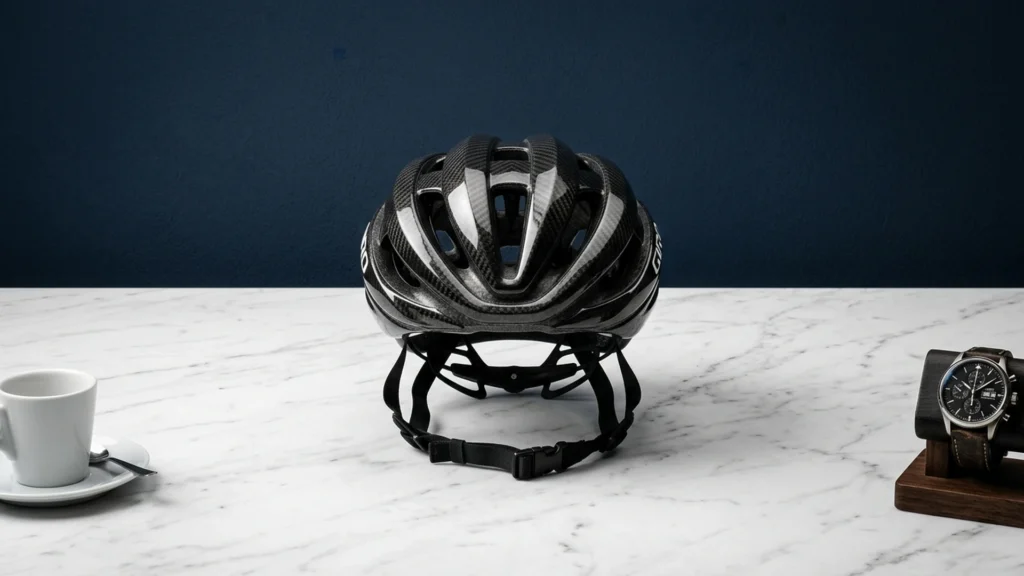
Bike helmets with CPSC certification meet the US safety standard for bicycle helmets. For buyers in this sub-category, that means the helmet has passed required testing and can be trusted to meet baseline impact protection expectations. You still need to match the helmet to your riding style and fit needs, because certification only sets the minimum bar.
Picking one is hard because the trade-offs show up fast. More coverage and extra protection can feel heavier or warmer. Better comfort and ventilation can cost more. Fit is another make-or-break factor, since a helmet that shifts during head movement reduces practical protection.
Looking for all types? See our Best Bike Helmets.
Quick Overview
Our Top Picks
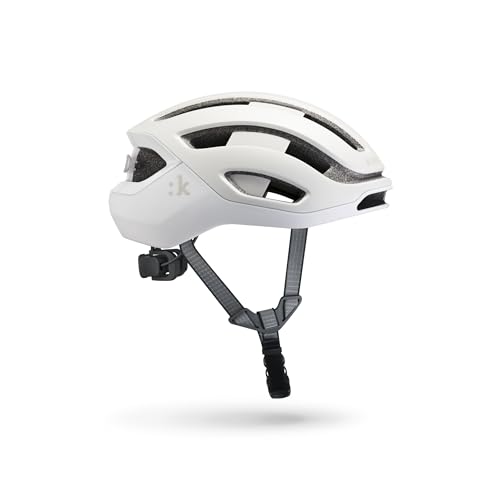
#1. Fizik Kudo Bike Helmet
Specifications
| Brand | Fizik |
|---|---|
| Type | Road |
| Safety Certification | CPSC |
| Impact Protection System | MIPS |
| Fit System | Dial Fit |
| Size | M |
| Weight | 11.2 oz |
Pros
- Trusted crash safety
- Well-vented and breezy
- Secure with smooth tuning
Cons
- High price
For riders who want CPSC-tested protection and a more advanced slip-plane design, the Fizik Kudo stands out. It pairs CPSC certification with MIPS, and that combo matters in this sub-category because it adds rotational-impact help on top of a widely recognized safety baseline. At 11.2 oz, it also feels like a true road helmet, not a heavy compromise.
The main trade-off is that comfort and fit come at the expense of an easier budget route. The Dial Fit system lets you tune it smoothly, and ventilation stays strong during hard efforts. This helmet fits best for riders with a head shape that works with its M size, and it is a smart pick if you ride often and care about day-long wear more than saving money.
#2. Kask Sintesi Bike Helmet

Specifications
| Brand | Kask |
|---|---|
| Type | Commuter |
| Safety Certification | EN 1078, CPSC, AS/NZS 2063 |
| Impact Protection System | WG11 rotational impact protection |
| Fit System | Ergo Fit |
| Size | Large |
| Vents | 9 vents |
| Weight | 8.1 oz |
Pros
- Trusted crash safety
- Lightweight helmet
- Secure with smooth tuning
Cons
- Low-vent design
- Glasses fit issue
If you want a CPSC-certified commuter-style helmet that still feels nimble, the Kask Sintesi stands out for rotational protection. It pairs CPSC, EN 1078, and AS/NZS 2063 certification with WG11 rotational impact protection, which is a strong safety match for everyday riding. It is also light at 8.1 oz, and the Ergo Fit system makes it easy to get a stable, dialed-in feel without a lot of fuss.
The main trade-off is airflow. With 9 vents and a lower-vent design, it can run warm on hard efforts or in hot weather. Glasses can also be tricky, so if you wear eyewear often, do a quick in-store check for pressure points and coverage. This is a solid pick for riders who prioritize trusted crash protection and low weight over maximum ventilation.
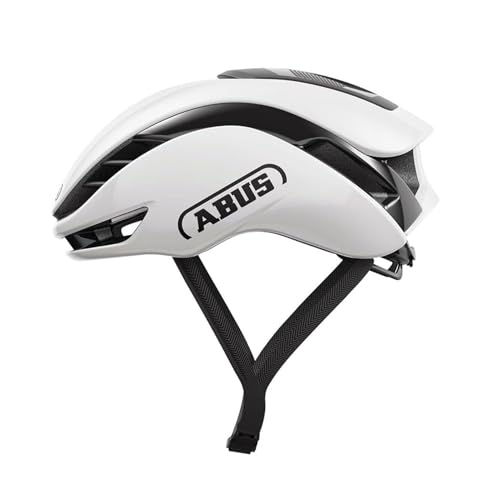
#3. ABUS GameChanger 2.0 Bike Helmet
Specifications
| Brand | ABUS |
|---|---|
| Type | Road |
| Safety Certification | CPSC, EN 1078 |
| Construction | In-Mold |
| Fit System | Dial Fit |
| Size | L |
Pros
- Secure with smooth tuning
- Certified to standards
- Well-vented and breezy
Cons
- No rotation protection
- No crash-experience evidence
Built for riders who want straightforward, certified protection, the ABUS GameChanger 2.0 is a solid choice in the CPSC-certified road helmet category. It meets CPSC and EN 1078 standards, uses an in-mold build, and stays comfy over time thanks to ABUS Dial Fit tuning. Venting feels genuinely bike-ride focused, so it works well for warm-weather commutes and longer spins.
The main trade-off is missing rotational impact protection, so it does not add a MIPS, WaveCel, SPIN, or similar layer. If you ride mostly in predictable traffic and prioritize fit and airflow, that may be fine. If you want rotational protection as part of your safety checklist, you will likely prefer a helmet that includes it.
#4. Giro Eclipse Spherical Bike Helmet

Specifications
| Brand | Giro |
|---|---|
| Type | Road |
| Safety Certification | CPSC, EN 1078 |
| Impact Protection System | MIPS |
| Construction | In-Mold |
| Vents | 14 vents |
| Weight | 9.5 oz |
Pros
- Trusted crash safety
- Well-vented and breezy
- Secure with smooth tuning
Cons
- Value questioned
The Giro Eclipse Spherical stands out in the CPSC-certified road-helmet lane thanks to the built-in MIPS system for rotational-impact protection, backed by CPSC and EN 1078 marks. For everyday riding, that mix matters because it keeps the core safety basics in place while adding a second layer aimed at certain crash angles. It is also lighter at 9.5 oz for its class and uses an in-mold shell that keeps the helmet feeling streamlined rather than bulky.
Comfort and airflow are strong points, with 14 vents that feel steady during harder efforts. The trade-off is that the fit and finish are solid, but buyers who are very budget-focused may question where it lands for the overall package. This is a good match for road riders who want dependable certification, MIPS included, and a cooler ride without fussing with an advanced fit dial system.
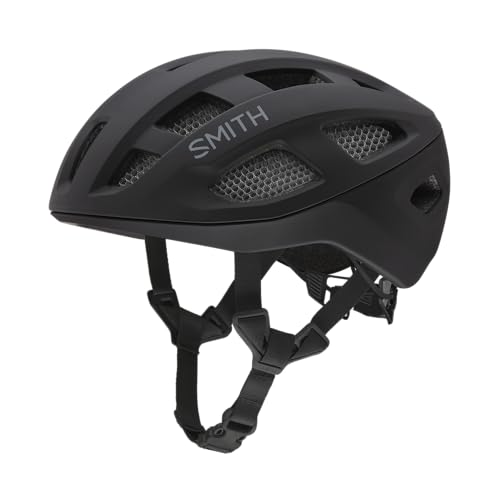
#5. Smith Triad MIPS Bike Helmet
Specifications
| Brand | SMITH |
|---|---|
| Type | Road |
| Safety Certification | CPSC, EN 1078 |
| Impact Protection System | MIPS |
| Fit System | Dial Fit |
| Size | Medium |
| Vents | 19 vents |
| Weight | 17.6 oz |
Pros
- Trusted crash safety
- Well-vented and breezy
- Secure with smooth tuning
Cons
- Optional Aleck features
- Fit-depth preference risk
The Smith Triad MIPS stands out as a well-rounded road option for riders who want solid certified protection plus rotational-impact help. It carries CPSC and EN 1078 certification, and it uses MIPS to reduce rotational forces in certain crashes. At 17.6 oz with 19 vents, it also stays relatively breathable for warm rides without feeling like a sacrifice in coverage.
The main trade-off is fit tuning. The Dial Fit system works smoothly, but the helmet depth can feel off for some head shapes, especially if you prefer a shorter or longer fit. Optional Aleck compatibility may matter to some commuters, but it is not essential for everyone.
#6. Kask Protone Bike Helmet

Specifications
| Brand | Kask |
|---|---|
| Type | Road |
| Safety Certification | EN 1078, CPSC, AS/NZS 2063 |
| Construction | In-Mold |
| Size | M |
| Weight | 1.8 lb |
Pros
- Trusted crash safety
- Well-vented and breezy
- Certified to standards
Cons
- No rotation protection
- Missing real-world evidence
The Kask Protone is notable in the Bike Helmets with CPSC Certification group because it pairs recognized safety standards with strong everyday comfort. It is certified to CPSC, EN 1078, and AS/NZS 2063, so you get more than one recognized checkpoint. On top of that, it feels steady on the head for long rides and stays airy, with a ventilation setup that suits warm commutes and hard efforts.
The main trade-off is the lack of a rotational impact system like MIPS or WaveCel, which some riders prioritize. Also, the real-world evidence for that specific protection layer is not as clear as it is on helmets that advertise one. If you want solid, certified coverage and you ride mostly for speed or fitness, it is a strong pick. If you specifically shop for rotational impact tech, look elsewhere.
#7. Fizik Kudo Aero Bike Helmet

Specifications
| Brand | Fizik |
|---|---|
| Type | Road |
| Safety Certification | CPSC |
| Impact Protection System | MIPS |
| Construction | In-Mold |
| Fit System | Dial Fit |
| Size | M |
| Weight | 11.2 oz |
Pros
- Trusted crash safety
- Well-vented and breezy
- Secure with smooth tuning
Cons
- Scratchy straps irritation
- Light attachment irritation
The Fizik Kudo Aero stands out for road riders who want CPSC-certified protection plus rotational impact help in a lighter, faster feel. It uses MIPS under an in-mold shell, and the 11.2 oz weight keeps it from feeling heavy on longer rides. Comfort and stability are also strong, with a Dial Fit system that tunes easily for a secure hold.
The main trade-off is strap feel. Some riders report scratchy irritation, and there can be minor light-attachment discomfort. If you are sensitive to strap texture or you run accessories on the helmet, that is worth checking before you commit. For most riders who prioritize CPSC safety, MIPS, and solid ventilation, it is a strong mid-pack pick.
#8. POC Procen Air Bike Helmet

Specifications
| Brand | POC |
|---|---|
| Type | Road |
| Safety Certification | CPSC |
| Impact Protection System | KinetiCore |
| Construction | In-Mold |
| Size | M |
| Weight | 1.9 oz |
Pros
- Advanced rotation protection
- Certified to standards
Cons
- No MIPS layer
- Basic strap hardware
This POC Procen Air is a strong option in the CPSC-certified road-helmet lane thanks to its KinetiCore rotational-impact system and in-mold construction. That combo targets more than straight-up impacts, which matters when you ride on busy streets and can get twisted in a crash. It also checks the main box for this sub-category by meeting CPSC requirements.
The main trade-off is that it does not include an extra rotational layer like MIPS, which some riders prefer for added margin. Fit is generally secure once dialed in, and comfort and airflow are solid for long rides, but the strap hardware is more basic than on some higher-end alternatives. This helmet fits best for riders who want rotational protection from KinetiCore while staying focused on everyday road comfort and cooling.
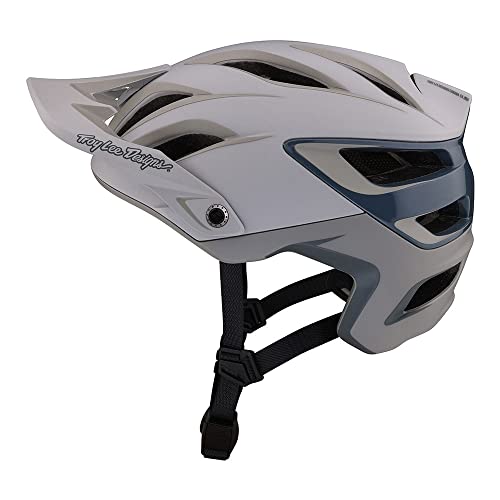
#9. Troy Lee Designs A3 MIPS Bike Helmet
Specifications
| Brand | Troy Lee Designs |
|---|---|
| Type | Mountain |
| Safety Certification | CPSC, EN 1078, AS/NZS 2063 |
| Size | M/L |
| Vents | 16 vents |
| Weight | 13.2 oz |
Pros
- Well-vented and breezy
- Sturdy hardware and build
- Strong features for price
Cons
- Heavy helmet
- Limited fit adjustment
Troy Lee Designs A3 MIPS is notable in a CPSC-certified helmet roundup because it pairs solid full-cert compliance (CPSC, EN 1078, AS/NZS 2063) with strong everyday ventilation. With 16 vents and a breezy feel, it stays comfortable when riding hard or in warm weather, which can be a weak spot for many certified helmets. The build also holds up well for trail use, with sturdy hardware and a confident overall construction.
The main trade-off is weight. At 13.2 oz, it feels heavier than some lighter helmets in this category, which matters on longer rides. Fit adjustment is also limited, so you may need to rely on choosing the right size (M/L) rather than fine-tuning. This is a good pick for riders who prioritize airflow and dependable build, and who already know their size needs.
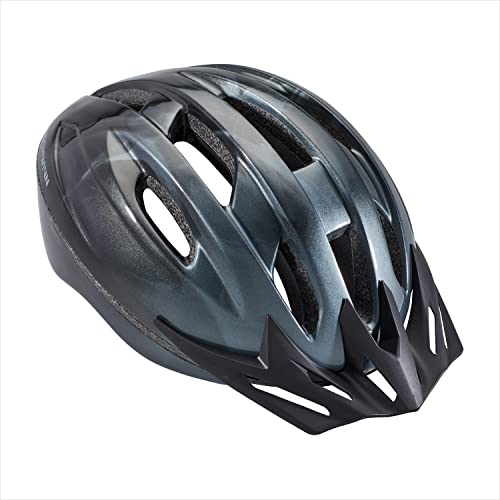
#10. Schwinn Intercept Bike Helmet
Specifications
| Brand | Schwinn |
|---|---|
| Safety Certification | CPSC |
| Fit System | Dial Fit |
| Size | Adult |
| Vents | 10 vents |
Pros
- Strong features for price
- Heat-sealed padding
Cons
- LED functionality issues
This Schwinn Intercept is notable in the CPSC-certified bike helmet space because it pairs a simple dial fit with solid everyday ride comfort. The padding is heat-sealed, which helps keep contact points feeling consistent. You also get 10 vents for airflow during city commutes and steady, non-technical rides.
The main drawback shows up in the extras. The LED functionality has had issues, so it is not a dependable visibility add-on. It is best for riders who want a straightforward, secure, CPSC-certified helmet and do not rely on the light system for their safety needs.
What to Look For
Safety Certification Clarity: Confirm the helmet lists CPSC certification. If a model also lists other standards, treat them as a bonus, not a replacement. If certification details are unclear in the listing or manual, skip it.
Rotational-Impact Technology: Prefer helmets that name a rotational-impact system such as MIPS, WaveCel, SPIN, or KinetiCore. This matters for real-world angled impacts, where forward and twisting forces can increase head injury risk.
Comfort for Real Ride Time: Look for padding that feels even and a chin strap that sits flat. If the helmet creates hot spots during a short try-on, it will likely feel worse on a longer ride.
Secure Fit System: Choose a helmet with an adjustment system you can tune easily, such as Roc Loc or BOA when available, or a well-designed dial fit. The helmet should not wobble when you move your head side to side.
Ventilation and Weight Balance: For warm weather or hard efforts, prioritize a vent layout that you can feel working, not just a high vent count. Keep an eye on weight too, since lighter helmets usually win for all-day comfort.
How We Picked
Products were identified through broad research across review sites and buyer forums, then filtered to only those that qualify as Bike Helmets with CPSC Certification.
Scoring used the same objective pillar framework as the main Bike Helmets post, allowing direct comparison of products within this sub-category. Safety and fit carried the most weight, with comfort, ventilation, build quality, and value used to separate similarly certified helmets.
Frequently Asked Questions
What does CPSC certification mean for a bike helmet?
CPSC certification means the helmet passes US crash testing standards set by regulators. It checks how well the helmet protects the head in impact tests. It does not guarantee comfort or fit, so you still need a secure, well-sized helmet.
How do I choose between CPSC helmets with and without rotational impact tech like MIPS?
Rotational systems like MIPS aim to reduce head twisting in angled crashes. CPSC checks overall impact safety, while rotational tech adds extra help for certain crash types. If you ride fast, commute in traffic, or want extra protection, choose a CPSC helmet with a rotational system.
How should a CPSC-certified helmet fit and feel during setup?
Start by placing the helmet level on your head, not tilted back. Tighten the fit system until the helmet does not move when you shake your head. The straps should form a snug Y under your ears and sit comfortably on your chin.
How do I care for a CPSC helmet so it keeps working as intended?
Use mild soap and water for the outside and let pads air dry. Do not use harsh solvents, heat, or strong cleaners on the foam. Replace the helmet after a crash, even if it looks fine.
Should I pick a different type of bike helmet instead of a CPSC-certified road or commuter helmet?
Consider a different helmet type if you ride in settings that need more coverage, like mountain trails or BMX parks. Full face helmets can protect your jaw for high impact falls. Use CPSC-certified helmets for general road and commuter riding, but match the helmet coverage to your riding risks.
How are CPSC helmets different from helmets that use other safety standards?
CPSC and other standards all aim to protect in crashes, but the test methods and thresholds differ. A helmet may meet CPSC while still having different design goals. Always focus on fit, coverage, and any rotational protection features, not just the label.