Finding the right bread machine can feel overwhelming—so many models, confusing specs, and conflicting reviews. We get that. That’s why we’ve made it our mission to help you cut through the noise and find a machine that reliably bakes great loaves without wasting your time or money. Over the years we’ve studied thousands of customer reviews, compared features across dozens of competing models, and distilled what really matters: consistent results, ease of use, durability, and good value.
We don’t rely on a few star ratings and marketing copy. Instead, we look for patterns in user experiences—what breaks after a year, which machines actually deliver a completely baked center, and which settings produce the best crust for different types of bread. We also compare technical details like loaf size options, program variety, kneading mechanisms, and cleaning ease so you can match a machine to how you bake and how much counter space you have. When something performs poorly across many owners, it’s a red flag; when a model consistently earns praise for reliability and taste, it rises to the top.
The recommendations that follow are the result of that research-driven approach. Our goal is to give you clear, trustworthy guidance so you can buy with confidence and spend more time enjoying fresh bread and less time troubleshooting appliances. Whether you’re a first-time buyer or upgrading an old machine, we’ve focused on products that deliver quality and satisfy real home bakers.
Quick Overview
Top Picks
Best Overall

Specifications
| Brand | Zojirushi |
|---|---|
| Loaf Capacity | 2 lb |
| Baking Programs | 7 programs |
| Dimensions | 12.9 x 10.5 x 18 in |
| Weight | 24 lb |
Pros
Cons
If you want a bread maker that reliably delivers bakery-style loaves with minimal fuss, the Zojirushi Virtuoso Plus is hard to beat. Its thoughtful healthy-course lineup—multigrain, whole wheat, rapid whole wheat, gluten free, salt- and sugar-free, even vegan—makes it an excellent fit for anyone with dietary preferences. The double kneading blades really do a thorough job, and the dual heaters on both the bottom and the lid promote even baking and attractive browning, so you get consistent results slice after slice. The rapid programs are impressively quick, able to turn out a white or whole-wheat loaf in about 2 hours and 25 minutes, and the large LCD with lid-mounted key code keeps selection simple.
On more basic points, its 120V/700W rating and 39-inch cord are standard for a machine of this class, nothing flashy but perfectly functional. All together, the mix of purposeful settings, solid kneading, and even baking is why this model earns a top spot as Best Overall.
Best Programmability

Specifications
| Brand | Breville |
|---|---|
| Loaf Capacity | 1–2.5 lb |
| Baking Programs | 13+ automatic; 9 custom |
| Dimensions | 13.3 x 9.6 x 16.4 in |
| Weight | 16.8 lb |
Pros
Cons
If you’re judging the Breville Custom Loaf by programmability, it really stands out. The machine’s nine custom settings let you save and recall your own recipes, and you can slot those into more than 13 automatic programs—so once you’ve dialed in a favorite loaf, it’s a one-touch repeat. The smart LCD guides you through each stage, and switching between manual and automatic modes is intuitive, which makes experimenting with hydration, crust, or timing painless. The automatic fruit and nut dispenser and the collapsible kneading platform are small but thoughtful touches that let complex recipes run without babysitting.
A few features are fairly standard for the class: three crust color options, a 1–2.5 lb capacity, and a one-year warranty. Power-interruption protection is handy but expected at this price. Overall, its programmability is the reason it earns top marks—the Custom Loaf gives you real control and repeatability without being fiddly.
Best Presets
Specifications
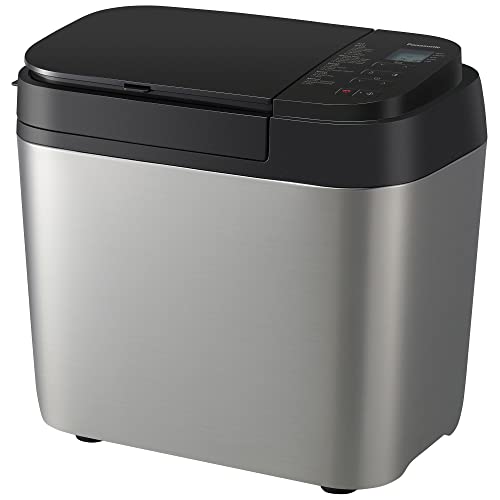
| Brand | Panasonic |
|---|---|
| Loaf Capacity | 1.65 lb, 2 lb |
| Baking Programs | 20 programs |
| Dimensions | 14.3 x 16 x 9.9 in |
| Weight | 16.5 lb |
Pros
Cons
Panasonic’s SD-R2550 stands out for presets that actually think for you. The double temperature sensor isn’t just marketing—by monitoring both room and internal dough temps the machine adjusts rise and rest times automatically, so presets for whole wheat, brioche, gluten-free and even sourdough produce consistent crumb and crust without constant babysitting. The artisan-style kneading blade and strategically ribbed pan work with those programs to give better texture, and the timed raisin/nut dispenser means add-ins are distributed evenly on automated cycles.
With 20 settings including pizza, pasta and cakes, the SD-R2550 gives real variety for preset-driven bakers. The manual time setting is available if you want to tweak things, but it’s a straightforward, no-frills option—useful but not revolutionary. Overall, the machine’s thoughtful sensors, targeted kneading and well-timed dispensers are what earn it a top spot for Best Presets, especially if you prefer reliable results with minimal fiddling.
Best for Convection Baking
Specifications
| Brand | Cuisinart |
|---|---|
| Loaf Capacity | 1 lb, 1.5 lb, 2 lb |
| Baking Programs | 16 programs |
| Dimensions | 13 x 12.2 x 8.8 in |
| Weight | 10.8 lb |
Pros
Cons
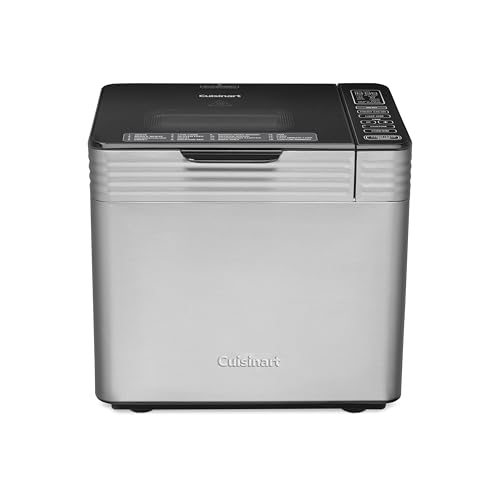
If you want a bread maker that really benefits from convection baking, the Cuisinart CBK-210 delivers. The powerful convection fan makes a noticeable difference—air circulation gives you a more even crust, better color and a texture that feels closer to something from a bakery. The automatic fruit and nut dispenser is a nice convenience, too; it times additions so fillings are distributed without any guesswork. With 16 menu programs and a custom timing option, you’ve got plenty of presets plus the freedom to tweak and try your own recipes.
Some features are pretty standard: three crust colors and three loaf sizes up to two pounds cover the basics but won’t satisfy someone who needs extra-large loaves. Still, for home bakers after superior crust and consistent results, the CBK-210’s convection performance and flexible programming make it a top pick in its category.
Best Budget-Friendly
Specifications
| Brand | Elite Gourmet |
|---|---|
| Loaf Capacity | 1 lb, 1.5 lb, 2 lb |
| Baking Programs | 19 programs |
| Dimensions | 14 x 11.9 x 9.4 in |
| Weight | 10.7 lb |
Pros
Cons
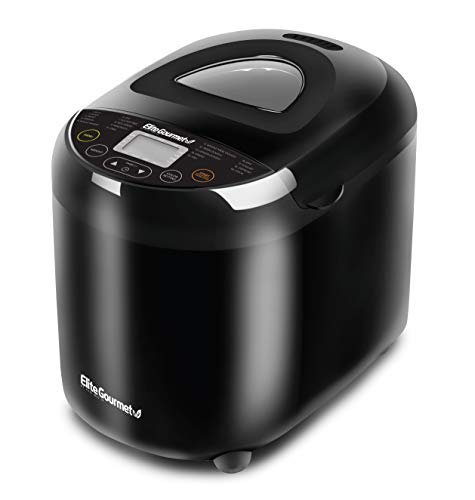
If you want fresh, homemade loaves without spending much, the Elite Gourmet Programmable Bread Maker delivers exactly what matters: consistent results, simple operation, and real savings. The 19 preset programs cover everything from basic white bread to pizza dough, and the three loaf-size options up to two pounds mean you can bake just what your household needs. The 15-hour delay timer and 60-minute keep-warm function add real convenience, so you can set it and come back to warm bread — a small luxury that makes this feel like a smarter buy than most entry-level machines.
Where it shines is value: it effectively frees up the oven and trims kitchen heat and cleanup, and being from a long-standing brand with U.S.-based support is reassuring. It’s not loaded with premium extras — expect straightforward controls rather than touchscreen bells and whistles or advanced dual-kneading features — but for everyday baking on a budget, it’s hard to beat.
Best Ceramic Pan

Specifications
| Brand | Briskind |
|---|---|
| Loaf Capacity | 1 lb, 1.5 lb, 2 lb |
| Baking Programs | 19 programs |
| Dimensions | 11.4 x 10.4 x 13.8 in |
| Weight | 7.8 lb |
Pros
Cons
What stands out for the Briskind in the Best Ceramic Pan category is its ceramic non-stick bread pan — a healthier alternative to Teflon that helps promote even browning and easy release, so loaves come out clean and slice-ready. The horizontal pan produces a traditional loaf shape, and the built-in smart sensor that monitors internal temperature during fermentation helps deliver consistent crumb and crust. The quiet operation and three crust colors also make for pleasant, predictable results every bake.
On the convenience side, the machine packs a lot: a wide range of preprogrammed menus (including sourdough starter and yogurt), a customizable program, three loaf sizes, and a 15-hour delay timer and keep-warm function. Those are useful but fairly standard for modern machines. Safety-minded touches, like grounding, overload and overheat protection, plus a 2-year warranty, are reassuring. Note it isn’t compatible with 230V regions — something to watch if you’re outside North America. Overall, the ceramic pan and thoughtful controls make this a strong pick for health-conscious home bakers.
Best for Large Loaves
Specifications
| Brand | West Bend |
|---|---|
| Loaf Capacity | 2 lb, 2.5 lb, 3 lb |
| Baking Programs | 12 programs |
| Dimensions | 13.5 x 11 x 15.5 in |
| Weight | 14.9 lb |
Pros
Cons
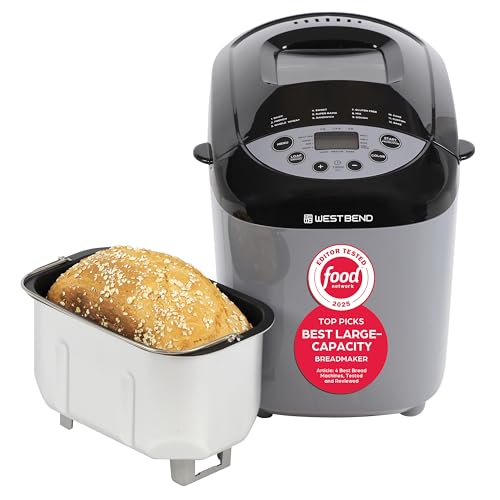
If you want big, bakery-style loaves at home, the West Bend Hi-Rise delivers exactly that. The traditionally shaped horizontal pan sizes up to 3 pounds, so you can bake family-sized loaves instead of tiny sandwich breads. The dual knead blades are a standout — they work the dough more thoroughly than single paddles, which helps produce a lighter crumb and noticeably better rise, a real plus for larger bakes.
The machine is also easy to tailor to different recipes: 12 digital settings include everything from basic and wheat to gluten-free, plus three crust-darkness options and a 13-hour delayed start so you can time fresh bread for dinner. It comes with useful extras (recipes, measuring tools, and a blade removal tool), which makes getting started simple. Some of these conveniences — like multiple settings and crust control — are fairly standard in this class, but combined with the true 3-pound capacity and the dual paddles, this model earns its place as a top pick for large loaves.
What To Look For
When shopping for a bread machine, focusing on practical features will help you match a model to your household size, baking habits, and the types of loaves you want to make.
- Capacity: Choose a machine with loaf sizes that suit your family—common options are 1 lb, 1.5 lb, and 2 lb loaves so you avoid wasted bread or constant baking.
- Loaf shape and pan options: Look for machines that offer different pan sizes or shapes if you prefer sandwich-style loaves, compact loaves, or need versatility for different recipes.
- Crust control and browning settings: Adjustable crust darkness and browning settings let you tailor crust texture from soft to crisp depending on bread type and personal taste.
- Programs and presets: A variety of preprogrammed cycles for white, whole wheat, gluten-free, sourdough, and rapid bake increase convenience and ensure better results across recipes.
- Kneading and mixing performance: Well-designed paddles and motor torque determine how thoroughly dough is mixed and kneaded, which affects crumb structure and rise consistency.
- Timer and delay-start with freshness considerations: A reliable delay timer enables fresh bread at a chosen time but check for safe-length delays and optional keep-warm functions to preserve quality.
- Nonstick pan and paddle design: A removable, nonstick loaf pan and an easy-release or collapsible paddle minimize waste and simplify turning bread out without tearing the crumb.
- Ease of cleaning and maintenance: Detachable parts, simple seams, and clear maintenance instructions reduce time spent cleaning and help prevent mold or buildup over long-term use.
- Extra features and convenience: Useful additions like a fruit/nut dispenser, viewing window, programmable crust textures, and recipe memory add flexibility and improve user experience.
- Build quality, noise and warranty: Solid construction, reasonable operating noise, energy efficiency, and a clear warranty or customer support policy protect your purchase and reduce hassle.
Prioritize the few features that match your baking frequency and preferences—capacity, program variety, ease of cleaning, and reliable kneading will most influence your success.
How We Select Our Products
Picking the machines that make it into our “best of” list wasn’t a guess — it was a careful, multi-step process designed to give you recommendations you can trust. First, we gathered a wide pool of candidates from established brands, recent releases, and crowd-favorite models. From there we drilled into real-user feedback: hundreds of customer ratings and full-length reviews were read and compared so we could see patterns, not just isolated opinions. We paid special attention to recurring praise or complaints about loaf consistency, durability, and ease of cleaning — those are the things that matter day-to-day.
Next, we moved into side-by-side feature and spec comparisons. We looked at loaf capacity, program variety (gluten-free, rapid bake, dough-only, crust settings), materials and build quality, noise level, and how intuitive the controls and timer are. Value-for-money was judged by weighing the feature set and expected lifespan against price and warranty. Where available, we also considered lab-style details like power usage and safety features. When possible, we did hands-on testing of selected models to verify claims and get a sense of real-world performance — how the crust actually browns, how evenly the loaf bakes, and how fussy the kneading and ingredient loading are.
Finally, we filtered for reliability and practical usability: a bread machine that makes beautiful loaves but requires constant babysitting doesn’t make our top picks. We update recommendations periodically and note trade-offs clearly so you can pick the model that best fits your kitchen, budget, and baking ambitions. Our goal is simple: to save you time and help you buy a bread machine you’ll really enjoy using.
Final Thoughts
Picking the right bread machine can transform how you eat and cook without turning your kitchen into a bakery. The biggest immediate benefit is convenience: a good machine handles mixing, kneading, rising and baking so you can wake up or come home to fresh bread with almost no active time. That’s ideal if you have a busy schedule or want homemade loaves without the trial-and-error of hand baking.
Beyond convenience, the right model addresses specific needs. If you follow a special diet, a machine with gluten-free or custom-program settings makes it far easier to get reliable results. Families will appreciate larger loaf capacities and fast-bake options for weeknight dinners, while singles or couples may prefer compact units that take up less counter space. Crust control, delayed-start timers and programmable loaf sizes let you tailor outcomes—soft sandwich bread today, a crusty artisan-style loaf tomorrow.
Cost and health advantages are often overlooked. Making bread at home reduces per-loaf cost over time and gives you total control over ingredients—no preservatives, less salt, and the option for whole grains or seeds. Good machines are also energy-efficient compared with conventional ovens for small loaves, and consistent performance reduces wasted ingredients and frustration.
To make an informed choice, match features to your habits: capacity, programs, ease of cleaning, noise level and warranty matter. Read user reviews for real-world reliability and try a few recipes to see what you like. With the right machine, you’ll enjoy fresher, healthier bread that fits your lifestyle—so take your time deciding; the payoff is worth it.