APS-C digital cameras are mirrorless interchangeable-lens cameras built around a cropped APS-C sensor. For buyers, that usually means lower cost than full frame, lighter bodies, and strong image quality when you match good lenses to the camera.
The hard part is the trade-off. In this class you will juggle autofocus behavior, lens ecosystems, and how well the camera handles low light. You also need to check video limits like overheating, rolling shutter, and whether the autofocus stays stable while recording.
To narrow your choice fast, use the checklist below and then compare the top models on your priorities. Looking for all types? See our Best Digital Cameras.
Quick Overview
Our Top Picks
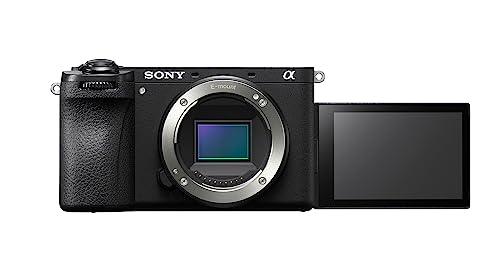
#1. Sony a6700 Digital Camera
Specifications
| Brand | Sony |
|---|---|
| Camera Type | Mirrorless |
| Sensor Size | APS-C |
| Effective Megapixels | 26 MP |
| Lens Mount | Sony E |
| Max Video Resolution | 6K |
Pros
- Strong dynamic range
- Consistent tracking performance
- High-resolution sensor
- 4K video support
Cons
- Unclear premium ergonomics
- Limited video critique
The Sony a6700 stands out in APS-C interchangeable-lens cameras with a strong all-around image and focus combo. Its 26 MP sensor delivers sharp detail and good dynamic range, so highlights hold up better and shadows stay usable. Autofocus is also a highlight, with steady eye and subject tracking that keeps up when people move. For an APS-C body, it feels like a reliable choice for everyday travel, portraits, and action without needing constant refocus.
The main trade-off is practical ergonomics. Some controls and menu flow may feel less intuitive than rival bodies, especially if you switch setups often. Video performance is decent, including 4K support, but this is still an APS-C camera first for stills and fast shooting. If you want a dependable APS-C camera for sharp photos and confident tracking, this is a top pick, but video-first creators may want to compare more specialized options.
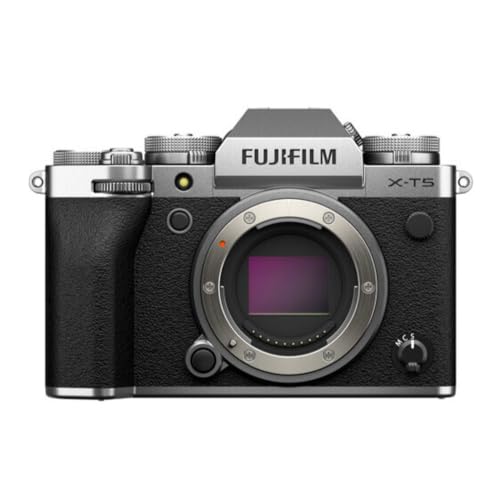
#2. Fujifilm X-T5 Digital Camera
Specifications
| Brand | Fujifilm |
|---|---|
| Camera Type | Mirrorless |
| Effective Megapixels | 40.2 MP |
| Lens Mount | Fujifilm X |
| Continuous Shooting Speed | 15 fps |
Pros
- Strong dynamic range
- Controls are intuitive
- Great features for the price
- High-resolution sensor
Cons
- Battery drains faster than expected
- AF consistency pitfalls
- Firmware-dependent AF
With its 40.2 MP APS-C sensor, the Fujifilm X-T5 is a standout for people who care about fine detail and flexible editing. Files show strong dynamic range, so bright skies and darker shadows stay usable. Handling also matches the design goal of serious shooting. Dials and menus are easy to learn, and the camera keeps you moving fast between settings.
The trade-offs mostly show up in day to day use. Battery life can drop faster than expected, especially with frequent bursts like its 15 fps mode. Autofocus can be solid, but some users report consistency issues, and results can depend on firmware. If you shoot stills and enjoy Fujifilm’s control style, it is a strong APS-C body. If you rely on long sessions or very predictable tracking, plan on testing your use cases and keeping firmware current.
#3. Sony ZV-E10 II Digital Camera

Specifications
| Brand | Sony |
|---|---|
| Camera Type | Mirrorless |
| Sensor Size | APS-C |
| Effective Megapixels | 26 MP |
| Lens Mount | Sony E |
| Max Video Resolution | 4K |
| Continuous Shooting Speed | 11 fps |
Pros
- Strong dynamic range
- 4K video support
- Reliable endurance for shoots
- Great features for the price
Cons
- No built-in flash
- UHS-I write limits
The Sony ZV-E10 II stands out in the APS-C class for its creator-first video setup paired with strong stills. The 26MP APS-C sensor delivers flexible files, including solid dynamic range, so highlights hold up well and colors look natural. Autofocus is also dependable, with face and eye detection that stays locked more often than you would expect at this size.
The main trade-off is lifestyle simplicity. It has no built-in flash, so you need external lighting for bounce or low-light fill. Also, its UHS-I card support can limit write speed in heavy bursts or long recording sessions. Best fit: vloggers and hybrid shooters who want reliable 4K capture and an APS-C look, but do not mind adding a flash or faster media.
#4. Fujifilm X100VI Digital Camera

Specifications
| Brand | Fujifilm |
|---|---|
| Camera Type | Mirrorless |
| Sensor Size | APS-C |
| Effective Megapixels | 40 MP |
| Max Video Resolution | 6K |
Pros
- Crisp, color-true images
- Controls are intuitive
- Reliable endurance for shoots
Cons
- Occasional focus hunting
- Fixed lens only
Fujifilm X100VI stands out in APS-C Digital Cameras because it pairs a 40 MP APS-C sensor with a fixed lens design. That means you get a consistent optical setup and a very solid image look, with crisp detail and color that usually needs less tweaking. Battery life is also a strong point, so day-long shooting feels practical without constant charging.
The main trade-off is autofocus and the fixed lens. Autofocus can occasionally hunt, especially when light drops or subjects move unpredictably. And since the lens cannot be swapped, your framing choices stay tied to the built-in field of view. This camera fits best when you want a simple APS-C shooting experience with strong still image results and you are comfortable committing to one focal length.
#5. Canon EOS R7 Digital Camera

Specifications
| Brand | Canon |
|---|---|
| Camera Type | Mirrorless |
| Sensor Size | APS-C |
| Effective Megapixels | 32.5 MP |
| Lens Mount | Canon RF |
| Max Video Resolution | 4K |
| Continuous Shooting Speed | 15 fps |
Pros
- Strong dynamic range
- Consistent tracking performance
- Great features for the price
- High-resolution sensor
Cons
- Limited video opinions
- Sparse handling feedback
The Canon EOS R7 stands out in the APS-C class for its strong image quality, driven by a 32.5MP sensor and solid dynamic range. Files hold up well in tough light, with clean detail and reliable color. Autofocus also stays dependable when subjects move, helping you keep sharp focus more often than many similarly aimed APS-C bodies.
The main trade-off is video priorities. It tops out at 4K, but it is not the most creator-focused choice if video workflow is your top goal. Handling feedback is also less consistent than its stills strengths, so it may feel less intuitive if you want a deeply thought-out shooting layout right away. This camera fits best for people who want a high-resolution APS-C body with strong stills performance and trustworthy tracking.
#6. Canon EOS R50 Digital Camera

Specifications
| Brand | Canon |
|---|---|
| Camera Type | Mirrorless |
| Sensor Size | APS-C |
| Effective Megapixels | 24 MP |
| Lens Mount | Canon RF |
| Max Video Resolution | 4K |
Pros
- Strong dynamic range
- High-resolution sensor
- Interchangeable lens support
- 4K video support
Cons
- Stiff mode dial
- Loose mode dial
- Potential dial damage
The Canon EOS R50 stands out in the APS-C category for its strong overall photo files. With a 24 MP APS-C sensor and good dynamic range, it keeps more highlight detail and holds up well across mixed lighting. The interchangeable Canon RF lens system also makes it easy to build from kit options to sharper primes when you are ready. For everyday shooting, the results tend to look clean straight out of the camera, with room to edit in RAW.
Autofocus is reliable for common subjects, but video and controls are where compromises show up. 4K recording is a solid baseline for travel and family clips, yet creator-minded shooters may find the experience less polished than higher tier bodies. If you buy one, know that the mode dial feels stiff at times, and a loose dial is a specific annoyance to watch for, especially if you frequently switch modes.
#7. Canon EOS R10 Digital Camera

Specifications
| Brand | Canon |
|---|---|
| Camera Type | Mirrorless |
| Sensor Size | APS-C |
| Effective Megapixels | 24.2 MP |
| Lens Mount | Canon RF |
| Continuous Shooting Speed | 15 fps |
Pros
- Strong dynamic range
- High-resolution sensor
- Interchangeable lens support
- Reliable subject tracking
Cons
- Rolling shutter distortion
- Left-eye poking
The Canon EOS R10 stands out in the APS-C field for its high-resolution 24.2MP sensor paired with strong dynamic range. In practice, that means detailed shots with more room to recover highlights, plus clean results for everyday low-light scenes. Subject tracking also holds up well, so you can keep focus on people and moving pets without constant re-focusing.
The main trade-off is rolling shutter distortion. Fast side-to-side motion or panning can skew the look. Another small usability quirk is left-eye poking with the viewfinder, which can bother glasses wearers. Overall, it is a good match for people who want a detailed APS-C body for action and travel, and who do not rely on very fast, whip-pan style video.
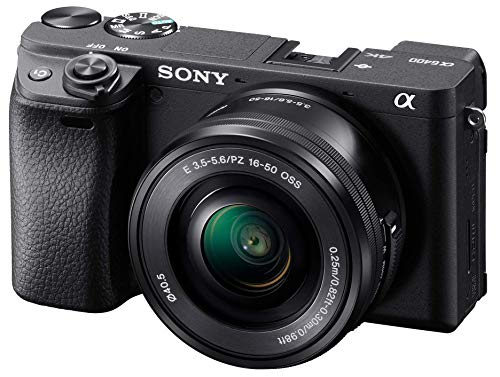
#8. Sony a6400 Digital Camera
Specifications
| Brand | Sony |
|---|---|
| Camera Type | Mirrorless |
| Sensor Size | APS-C |
| Effective Megapixels | 20.1 MP |
| Lens Mount | Sony E |
| Max Video Resolution | 4K |
| Continuous Shooting Speed | 11 fps |
Pros
- Strong dynamic range
- Great features for the price
- Interchangeable lens support
- 4K video support
Cons
- Counterfeit charger risk
- Cold-weather battery drop
- Saturation rendering risk
The Sony a6400 stands out in the APS-C mirrorless field for its strong stills results paired with dependable autofocus. Files tend to show crisp detail and good dynamic range, which helps when highlights are bright or shadows are deep. Its 4K video support also fits well for everyday creators who want one body for both photos and clips without stepping up to a larger system.
The trade-offs are mostly practical. Battery life can dip in cold weather, so bring a spare if you shoot outside in winter. Also, watch out for charger compatibility when buying accessories, since counterfeit chargers are a known risk. Finally, if you prefer punchier color straight out of camera, you may need to adjust for Sony's slightly saturated default look.
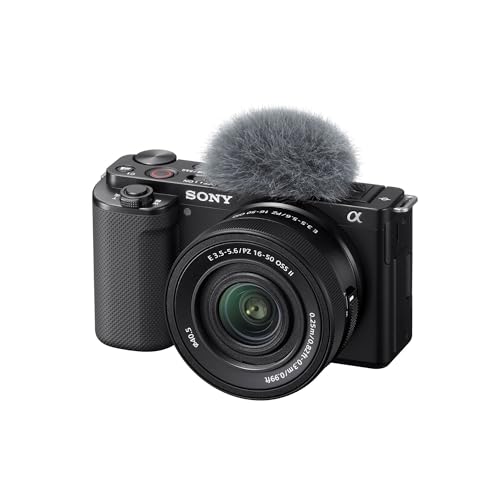
#9. Sony ZV-E10 Digital Camera
Specifications
| Brand | Sony |
|---|---|
| Camera Type | Mirrorless |
| Sensor Size | APS-C |
| Effective Megapixels | 24.2 MP |
| Lens Mount | Sony E |
| Max Video Resolution | 4K |
| Battery Life Shots | 260 shots |
Pros
- High-resolution sensor
- Interchangeable lens support
- 4K video support
- Great features for the price
Cons
- Short battery endurance
- No EVF
- Sparse still-image feedback
The Sony ZV-E10 stands out in APS-C interchangeable-lens cameras because it targets creators who want easy content capture, not complex camera setups. It uses a 24.2 MP APS-C sensor and the Sony E mount, so you can choose lenses for portraits, travel, and everyday shooting. You also get 4K video and reliable face and eye autofocus that helps keep subjects sharp while you film.
The main trade-off is practical. Battery life is rated around 260 shots, so long shoots may require a spare. It also has no EVF, which can make bright outdoor shooting harder since you rely on the rear screen. If you prioritize video-first usability and lens flexibility, this APS-C body fits well, especially for casual creators who do not mind those limits.
#10. Nikon Z50 II Digital Camera

Specifications
| Brand | Nikon |
|---|---|
| Camera Type | Mirrorless |
| Sensor Size | APS-C |
| Effective Megapixels | 20.9 MP |
| Lens Mount | Nikon Z |
| Max Video Resolution | 4K |
Pros
- Strong dynamic range
- Great features for the price
- Interchangeable lens support
- 4K video support
Cons
- Some jitter during recording
- Battery drains faster than expected
- Menu complexity
The Nikon Z50 II stands out in the APS-C crowd with strong overall image quality, especially its dynamic range. Files keep more shadow detail and recover highlights better than many peers, so edits look more natural. Its 20.9MP sensor and Nikon Z lens system also make it easy to grow your setup with interchangeable lenses, rather than being stuck with one option. For shooters who also care about motion, it includes 4K recording, which is a practical minimum in this segment.
The main trade-offs are day to day shooting stamina and video steadiness. Battery life can drain faster than expected, and some jitter shows up during recording. Menu navigation also takes a bit of time to learn. This camera fits best for photographers who want an APS-C Nikon body for stills first, and who are willing to manage batteries for longer outings or add a spare for video days.
What to Look For
Image quality for your real scenes: Prioritize cameras that keep detail crisp and colors clean, especially at higher ISO. In APS-C, strong dynamic range and low noise matter because shadow recovery and night shooting can make or break your final files.
Autofocus you can trust in motion: Look for fast focus acquisition and solid tracking for people, pets, and moving subjects. If you shoot events or travel, check whether eye and face detection hold up when the subject moves toward or away from the camera.
Video that stays usable: Confirm max video resolution and whether autofocus works during recording. Also check for practical issues like overheating and rolling shutter, since those show up fast in interviews, sports, and handheld clips.Handling for long shooting sessions: Choose a body with a grip that fits your hand and controls you can reach without hunting through menus. A comfortable viewfinder and a responsive interface matter more than small spec wins when you shoot for hours.
Battery life that matches your shooting day: APS-C cameras can vary a lot in endurance. If you plan heavy burst shooting or lots of video, pick a model with solid CIPA-rated battery life and a realistic plan for carrying a spare battery.
How We Picked
Products were identified through broad research across review sites and buyer forums, then filtered to only those that qualify as APS-C digital cameras. This keeps the comparison fair because sensor size affects low-light noise, lens choice, and the camera overall feel.
Scoring used the same objective pillar framework as the main Digital Cameras post, allowing direct comparison of products within this sub-category. Image quality, autofocus, video, handling, battery, and value each influence the final ranking so APS-C buyers can choose based on the trade-offs that matter to them.
Frequently Asked Questions
Are APS-C digital cameras better than entry-level point and shoots?
Often yes, because APS-C sensors handle low light with less noise. You also get more control over shutter speed, aperture, and ISO. Most models support interchangeable lenses, so you can grow with your skills.
What should I compare first when choosing between APS-C camera models?
Start with autofocus performance and burst speed if you shoot people or sports. Then check image quality in low light, including highlight recovery. Finally, look at video features like 4K quality, overheating limits, and how well autofocus works while recording.
How do I keep an APS-C camera sensor clean?
Use a blower before you wipe anything. Avoid touching the sensor. If you see real spots on test photos, use a proper sensor cleaning kit or a professional service.
When should I pick a full-frame camera instead of an APS-C camera?
Pick full-frame if you need the best low light performance and widest dynamic range. It also helps for shallow depth of field and clean backgrounds. If you mainly shoot daylight, travel, or general photography, APS-C usually gives better value.
Do I need an APS-C camera with 4K video for everyday use?
Not always, but it depends on your goal. If you plan to post videos, choose a model that can record 4K with reliable autofocus and stable handling. If you only want quick clips, a simpler 1080p setup may be enough.