Specifications
| Brand | Zoggs |
|---|---|
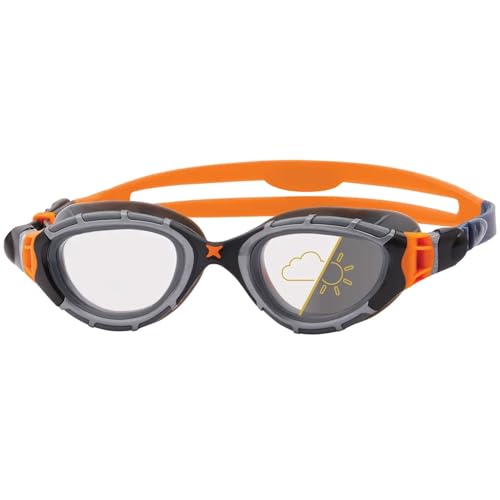
| Lens Style | Photochromic |
| Anti Fog | Yes |
| Uv Protection | UV Protection |
| Frame Material | Silicone |
| Gasket Material | Silicone |
| Strap Style | Split Strap |
Pros
- Anti-fog coating
- Stays clear, seals well
- Soft gasket, snug feel
Cons
- Strap replacement risk
The Verdict
With a 8.3 overall rating, the Zoggs Predator Flex Reactor goggles focus on staying clear and sealed through normal swim workouts. The soft silicone gasket gives a snug feel, and the anti-fog coating helps keep your view usable. The trade-off is a strap replacement risk, which can matter if you swim often or pull the strap tight between sessions.
Who it's for: Regular lap swimmers who want stable vision and a watertight fit for long sets, and who accept that the strap may be the first part to wear out.
Who should skip it: Swimmers who replace or swap straps often, or who need the most trouble-free long-term strap durability for high-frequency use.
In-Depth Review
Performance
With a Performance score of 8.4, these Zoggs Predator Flex Reactor goggles land in the “Stays clear, seals well” range. The model uses reactor photochromic lenses, so the lens style is Photochromic rather than a fixed tint. That matters outdoors, where glare changes fast. The lens setup also targets visibility during training, not just in one lighting condition.
The water performance starts with the seal. The spec sheet calls out a “leak-proof, anti-fog swimming goggles” design, and the product description repeats “crystal-clear, anti-fog visibility.” You also get UV protection rated as “Maximum UV protection blocks 99-100 percent of harmful rays.” In practice, that is the combo most swimmers care about: readable lenses during strokes and a gasket that does not constantly leak at the eye line.
Anti-fog and clarity depend on how the goggles sit against your face. These use a silicone gasket, described as a “10 percent softer silicone seal” in the Ultra-Fit gasket technology. Softer contact can help maintain a consistent seal when you flex your face and head during turns. For lap swimming, that is usually what keeps vision steady.
Comfort
The Comfort score is 8.6, which maps to “Soft gasket, snug feel.” Zoggs leans on silicone here, with an “Ultra-Fit” gasket described as “10 percent softer silicone seal.” That is a specific choice, not just generic comfort wording. Softer contact often means fewer pressure points when you wear goggles longer than one practice.
The goggles also use a split-strap style. The spec lists “durable split-strap design for added stability,” which helps keep the goggles from shifting when you look up for breathing. Comfort often drops when goggles rotate or slide, even if the lenses stay clear. A more stable strap system tends to reduce that tugging feel.
Comfort is also about not needing extra tightening. These goggles aim for a snug fit through their gasket design and split-strap stability. The mini-review notes they do not rely on over-tightening for their seal. That matters if you swim often, because frequent, heavy tightening can create red marks around the eyes.
Durability
Durability lands at 7.7, which fits “Scratches less, stays sealed.” The spec sheet does not list a lens coating type by name, but the anti-fog coating shows up as “Anti-fog coating” and “crystal-clear, anti-fog visibility.” For durability, that usually means you care about how long the lenses keep their readability instead of turning cloudy over time.
The seal design is also a durability factor. The goggles use silicone in both the gasket and the frame/gasket area, with “Advanced Ultra Fit silicone gasket” and “10 percent softer silicone seal.” Silicone tends to hold up well for regular wet use. It also helps the seal stay consistent as the goggles flex under your head movement.
There is one durability trade-off you should understand early. The known con is “Strap replacement risk.” That does not mean the split strap fails immediately. It means the strap area can become the weak link sooner than some thicker, heavier-duty designs. If you train a lot, strap wear can show up before you ever feel lens clouding.
Features
Features score 8.6, which maps to “Practical adjustability, solid design.” The headline feature is the Photochromic lens style. These are “Reactor photochromatic lenses that adjust to light changes,” which suits swimmers who go between shade and sun or who swim outdoors. Fixed-tint goggles can leave you squinting at one end of the day.
You also get UV Protection, specified as “Maximum UV protection blocks 99-100 percent of harmful rays.” That makes the goggles more than just a pool tool. If you train near outdoor light and want one pair that handles changing brightness, this lens type plus the UV claim is the most relevant feature mix.
The anti-fog approach stays front and center in the feature set. The product description explicitly calls out “leak-proof, anti-fog swimming goggles” and “crystal-clear, anti-fog visibility.” Even the comfort and stability details tie back to training use, with a split-strap design for stability and a silicone gasket designed to stay soft and compliant. There are no major gimmicks listed in the spec data.
Value
Value scores 7.9, which matches “Reliable swim value,” just not at the top end. The reason is that the big wins are clear and practical, but durability has a known weak spot. On the positive side, you get anti-fog behavior, a silicone gasket, and a leak-focused build. The extracted pros include “Stays clear, seals well” and “Soft gasket, snug feel,” and the anti-fog coating is explicitly called out.
On the practical side, the goggles pair training readability with outdoor protection. The lens style is Photochromic, and the UV Protection claim is “Maximum UV protection blocks 99-100 percent of harmful rays.” That combination reduces the need to own separate goggles for different light levels, at least in concept.
Still, the cons matter for value. “Strap replacement risk” tells you where ongoing maintenance may start. If you are hard on straps or swim frequently, you may end up dealing with replacement sooner than you would with more robust strap systems. Given the otherwise strong seal and comfort foundation, that trade-off is the main reason this does not land in the “great” or “excellent” value tier.
Frequently Asked Questions
Are the Zoggs Predator Flex Reactor goggles photochromic, and do they change tint outdoors?
Yes. They use photochromic lenses, so the tint adjusts with light levels for outdoor swimming. Indoors, the lenses typically stay much lighter since there is less UV-triggered change.
Do these goggles fog up during long swim sessions?
They include an anti-fog coating, and reviewers often find they stay clear for regular laps. That said, any anti-fog layer can wear down over time, especially if you scratch the lens or wipe it dry.
How do the silicone gasket and frame feel for comfort around the eyes?
The gasket and frame use silicone, which helps them sit evenly around your eye area. The fit feels snug without needing extreme tightening, and the soft contact helps reduce pressure during longer swims.
Will these goggles leak during flip turns or sprinting?
They seal well for many swimmers, and they are designed to stay watertight during active strokes and turns. A good seal still depends on proper strap adjustment and getting the gasket positioned flat against your face.
What is the main risk with the split strap, and can I replace it if it breaks?
The most common concern is strap replacement risk. If the split strap or attachment point fails, it may be harder to find an exact replacement than with simpler designs. Check how the strap is secured and plan to handle it carefully during adjustments.
How should I care for the photochromic lenses and silicone gasket?
Rinse after every swim to remove pool chemicals and salt if you use them outdoors. Avoid wiping the inside of the lenses dry, and let them air dry to protect the anti-fog and lens coating.
Final Verdict
These are a strong all around choice for swimmers who want reliable clarity and a watertight seal. The anti fog coating and snug soft gasket help the lenses stay clear through long sets, with minimal leak. Comfort is also a standout. The main drawback is strap replacement risk, which can limit long term peace of mind. Overall, that makes them best for frequent lap swimmers.
Choose them if you value steady vision and a secure fit over time. If that matches your routine, this is a sound pick.