





How to Use a Portable Electric Space Heater Safely
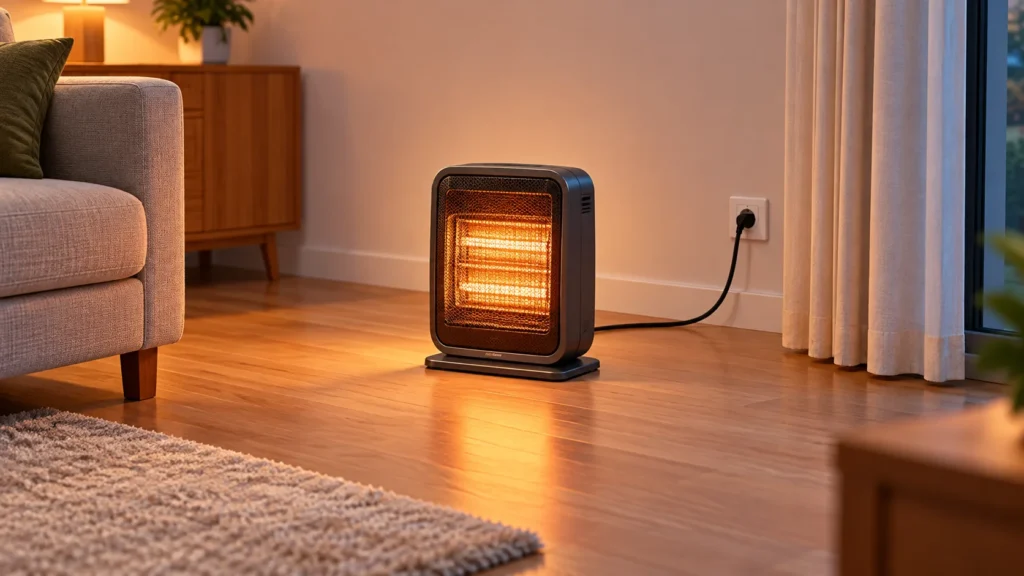
A portable electric space heater can add warmth where you need it, but safe use depends on the particular heater and the room around it. Before switching one on, check the instructions and warning labels for that exact model, prepare a stable location, and inspect the cord and outlet. Never treat an automatic shutoff or a product listing as a substitute for following the manual and staying nearby.
Start with the manual and the room
Read the manufacturer’s manual before first use, including its instructions for placement, clearance, operation and cleaning. Do not assume that all heaters have the same safe distance from walls or objects, or that a heater can sit on a table or countertop. The Association of Home Appliance Manufacturers’ safety guidance advises following the manufacturer’s instructions, placing a heater on a flat, level surface, and using it on a tabletop only if the manufacturer specifies that use.
Choose a position that meets the manual’s clearance requirements and keeps the heater away from curtains, bedding, furniture, papers, clothing and other combustible items. AHAM gives three feet as its general advice for keeping combustible materials away from the front, sides and rear, but follow the model’s instructions if they require more space. Keep flammable liquids and materials away, too. Do not place the heater where it can be bumped, covered, or reached by children. Avoid wet or damp spaces unless the heater is specifically designed for that environment.
Make sure the heater stands securely on a level surface. Keep its air openings unobstructed, and do not drape clothing or anything else over the unit. Route the power cord where people will not trip over it and where it will not be trapped beneath furniture or laid across a rug. These precautions help preserve the clearance around the heater and reduce the chance of cord damage.
Inspect the heater, cord and outlet
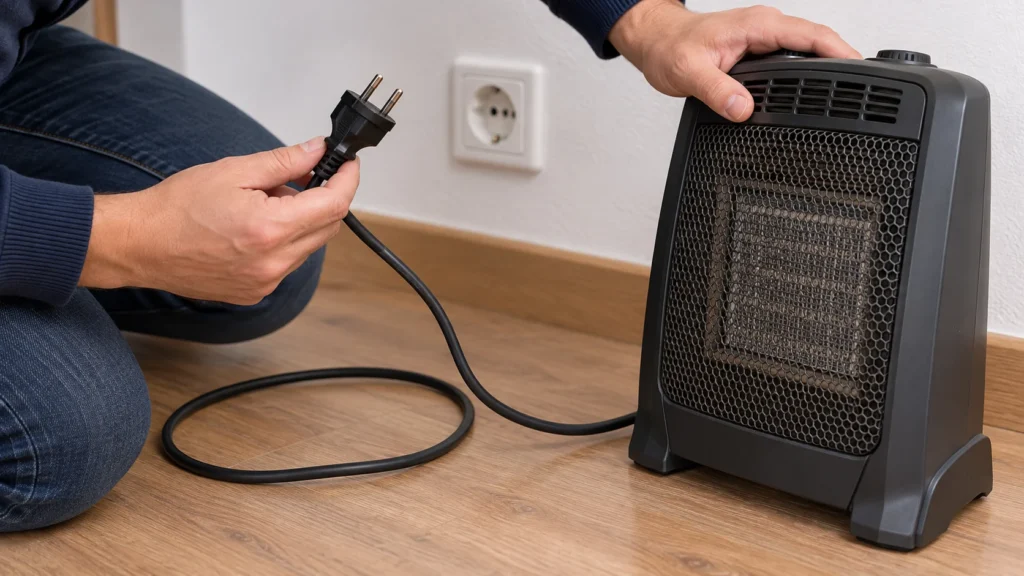
Before each use, look over the heater and its plug and cord. Do not use it if the cord or plug is damaged, if the plug fits loosely in the outlet, or if the heater appears damaged. Do not attempt an improvised repair; consult the manufacturer’s instructions for model-specific next steps. If an outlet becomes very hot or does not hold the plug securely, AHAM advises consulting a qualified electrician.
Plug the heater directly into a suitable wall outlet. AHAM advises against using a power strip or extension cord and says not to plug another electrical device into the same outlet as the heater. Do not use a cord that is too short by adding an extension; instead, choose a location where the heater’s own cord reaches the outlet without stretching, pinching or crossing a walkway. If the plug or outlet gets hot, or the connection is loose, stop using that setup and have the outlet assessed by a qualified electrician.
Check for a safety certification mark on the heater or its packaging. AHAM recommends choosing a heater tested by a Nationally Recognized Testing Laboratory. Treat safety features as additional safeguards, not as permission to leave a heater running unattended. Features vary by model: for example, a review of the Amazon Basics Ceramic 1500W lists tip-over protection for that specific model, but that information does not establish what another heater includes or how it should be operated. Check the exact model’s manual and product markings rather than relying on a general brand claim or a feature mentioned for a different version.
Operate it only while you are present
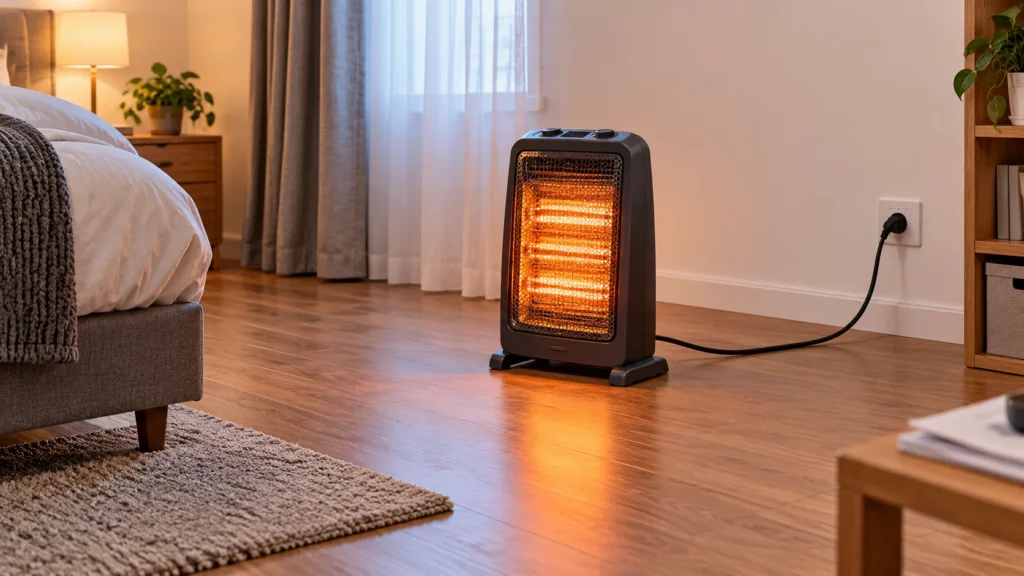
Once the heater is positioned and plugged in, follow the manual to select its settings. Keep it in view and do not leave it operating unattended. Switch it off when you leave the room or go to sleep, then unplug it when it is not being used, as AHAM recommends. Do not rely on a timer, thermostat, tip-over switch or overheat protection to make unattended use safe. If the heater tips, is covered, or behaves unexpectedly, switch it off and follow the manual’s directions before using it again.
Keep children away from a running heater and do not leave one unattended in a child’s room. Use extra caution around anyone who may not notice or respond to heat or other warning signs; AHAM specifically cautions against leaving heaters operating unattended in a confined space around infants or people with reduced sensory or mental capacities. If your household or room setup makes it difficult to keep the heater attended and clear, choose another way to heat the space.
A practical pre-use checklist
Use this quick routine each time you set up the heater. If any answer is no, correct the setup or leave the heater off.
- Manual checked: I know this model’s required placement, clearance and operating instructions.
- Location clear: The heater is upright on a stable, level surface with its openings unobstructed and required clearances maintained.
- Cord intact: The cord and plug are undamaged, not pinched or covered, and do not cross a walkway.
- Outlet suitable: The heater is connected directly to a secure wall outlet, with no extension cord or power strip and no other device sharing the outlet.
- Someone present: I can keep the heater attended and will turn it off before leaving or sleeping.
Illustrative example: If a desk is near a curtain, the desk surface is not automatically a suitable heater location. First check whether the manual permits tabletop use, then confirm the heater can sit level and meet the required clearance from the curtain and other objects. If it cannot, move the heater to an approved floor location with a direct path to a wall outlet—or do not use it in that room. The correct choice depends on the model’s instructions and the space available, not on a universal placement diagram.
When to stop and where to look next
Switch off and unplug the heater if you notice damage, a loose plug, a hot outlet, or operation that seems abnormal. Do not keep using it to see whether the problem goes away. Consult the manual or the manufacturer for model-specific next steps; seek a qualified electrician for outlet concerns. Follow the manufacturer’s cleaning and storage instructions, and unplug the heater before performing any permitted routine care.
For help comparing types and features before choosing a heater, see TheTopZone’s space-heater Top Picks. Once you have a model, use its own manual to confirm the clearances, placement and care steps that apply to it. A general guide cannot determine whether a particular heater is suitable for a specific damp room, tabletop, outlet or household situation.