We’ve all been there. You come home from the farmers' market or grocery store with bags full of vibrant, crisp greens, plump berries, and aromatic herbs. You have the best intentions of eating healthy all week. But then, Wednesday rolls around, and that bag of spinach has turned into a soggy, green puddle, the berries are wearing fuzzy white coats, and the carrots have gone limp. It’s frustrating, and honestly, it’s expensive.
Food waste is a massive global issue, but on a personal level, it’s a direct hit to your wallet and your kitchen inspiration. Most of us treat the refrigerator like a 'catch-all' box, shoving everything inside and hoping for the best. However, different fruits and vegetables have vastly different needs when it comes to temperature, humidity, and airflow. Understanding these needs is the secret to doubling—or even tripling—the lifespan of your groceries.
In this guide, we’re going to dive deep into the science and the practical art of produce storage. From the mystery of ethylene gas to the 'bouquet method' for herbs, you’ll learn exactly how to treat your fresh finds so they stay delicious until the very last bite.
The Science of Spoilage: Understanding Ethylene Gas
Before we talk about drawers and containers, we have to talk about ethylene. Ethylene is a natural plant hormone that exists as a gas. It’s often referred to as the 'ripening hormone.' Some fruits and vegetables produce high amounts of it as they ripen, while others are incredibly sensitive to it. If you store an ethylene producer next to an ethylene-sensitive item, the sensitive one will ripen—and then rot—at record speed.
The High Ethylene Producers
Apples, bananas, avocados, peaches, and tomatoes are some of the biggest culprits. If you’ve ever heard the advice to put a hard avocado in a paper bag with a banana to ripen it, you’re using ethylene gas to your advantage. But in the fridge, this gas can be a silent killer for your greens.
The Ethylene-Sensitive Crowd
Leafy greens, broccoli, carrots, cucumbers, and even watermelons are highly sensitive to ethylene. When exposed, broccoli turns yellow, lettuce wilts and spots, and cucumbers turn mushy. The golden rule of produce storage is simple: keep the gas-producers away from the gas-sensitive items. This usually means separating your fruits and vegetables into different drawers or shelves.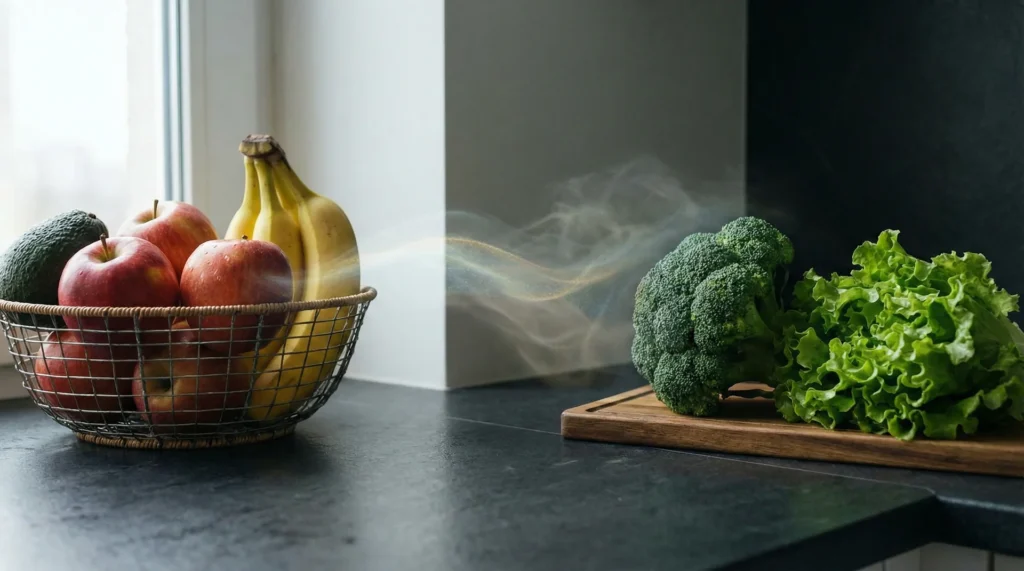
Mastering the Refrigerator and Its Drawers
Modern refrigerators usually come with 'crisper' drawers that have little sliders on them. Most people ignore these sliders, but they are actually your best tool for extending produce life. These drawers control the humidity and airflow around your food.
High Humidity vs. Low Humidity
The 'High Humidity' setting (closed vents) is best for things that wilt. This includes leafy greens, herbs, asparagus, and broccoli. By closing the vents, you trap the moisture inside the drawer, keeping the produce hydrated. The 'Low Humidity' setting (open vents) is perfect for things that rot or produce gas. By opening the vents, you allow the ethylene gas to escape and prevent moisture from building up too much, which is ideal for apples, pears, and most stone fruits. If you aren't sure, remember this: 'Rot' goes in low humidity, and 'Wilt' goes in high humidity.
The Middle Shelf Mystery
Not everything belongs in a drawer. Items like citrus fruits often do better on a middle shelf where they have some airflow but stay cool. Berries are another exception; they are incredibly delicate and benefit from being kept where you can see them, ensuring you use them before they turn. However, keep them away from the very back of the fridge, where they might accidentally freeze.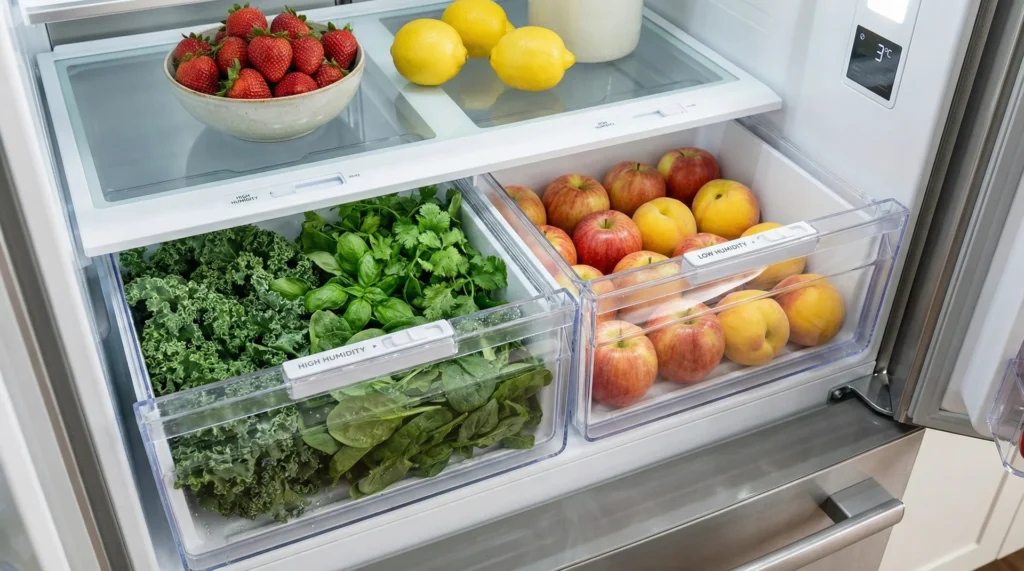
Items That Should Never See the Fridge
One of the biggest mistakes home cooks make is refrigerating everything. Some produce actually suffers in the cold, losing flavor, texture, and nutritional value. The cold temperature can break down cell walls and turn starches into sugars in ways that ruin the eating experience.
The Tomato Tragedy
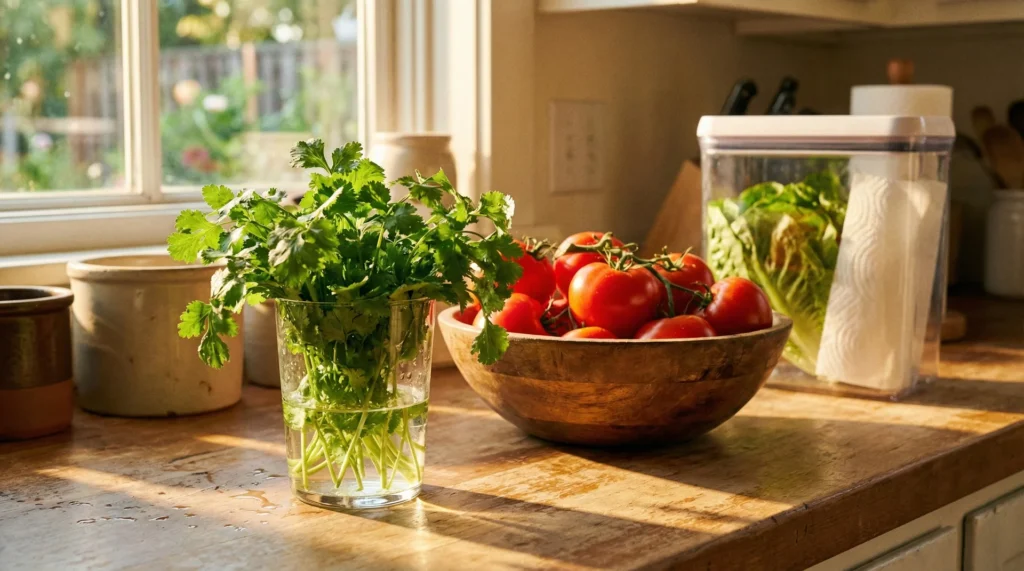
Putting a tomato in the fridge is a crime against flavor. The cold air stops the ripening process and breaks down the membranes inside the fruit, resulting in a mealy, floury texture and a loss of that signature sweetness. Keep your tomatoes on the counter, stem-side down, until they are fully ripe. Only refrigerate them if they are about to go bad and you can't eat them immediately.
Onions, Potatoes, and Garlic
Potatoes should be stored in a cool, dark, and dry place—like a pantry or a cellar. When refrigerated, the starch in potatoes converts to sugar faster, making them gritty and sweet. Onions and garlic also prefer the dark and dry; humidity in the fridge will cause them to sprout or turn moldy. Just remember: keep potatoes and onions separate from each other. Onions release gases that cause potatoes to sprout faster.
Stone Fruits and Tropicals
Peaches, plums, and nectarines should stay on the counter until they are soft to the touch. Once they reach peak ripeness, you can move them to the fridge to buy yourself another day or two. Bananas, pineapples, and mangoes are tropical by nature and don't handle the cold well; the skins will blacken even if the fruit inside is okay.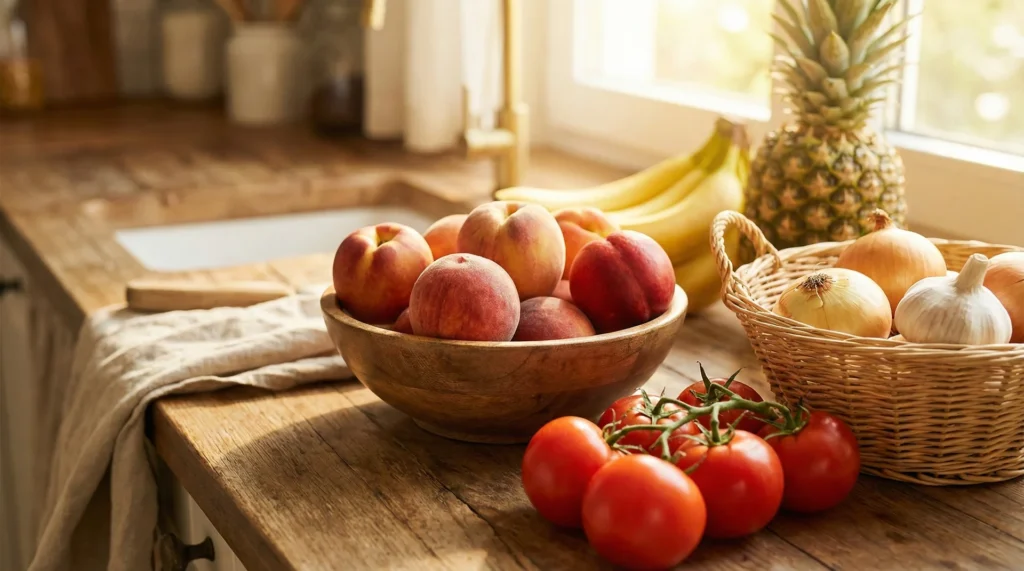
The Art of Storing Fresh Herbs
Fresh herbs are often the most expensive items per ounce in your cart, yet they are the first to die. The trick to keeping them fresh is treating them like a bouquet of flowers rather than a vegetable.
Soft Herbs vs. Hard Herbs
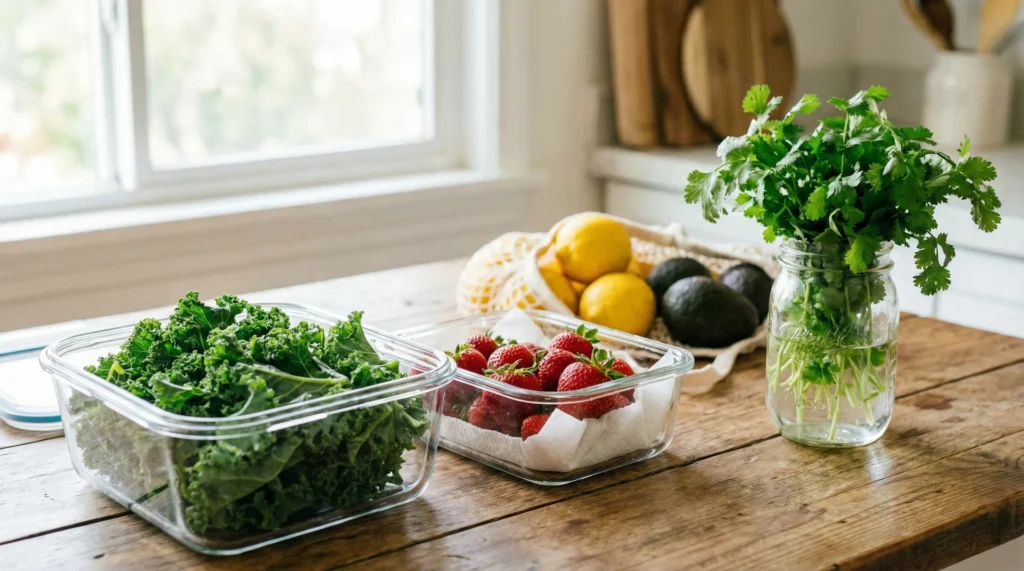
Soft herbs like parsley, cilantro, and mint love moisture. Trim the bottoms of the stems and place them in a jar with an inch of water. Cover the top loosely with a plastic bag and place the jar in the fridge. They can last for weeks this way! Basil is the exception—it’s very sensitive to cold. Keep your basil 'bouquet' on the counter at room temperature.
Hard herbs like rosemary, thyme, and oregano prefer a different approach. Wrap them loosely in a damp paper towel and tuck them into a reusable silicone bag or a plastic container in the fridge. This keeps them hydrated without drowning them in moisture.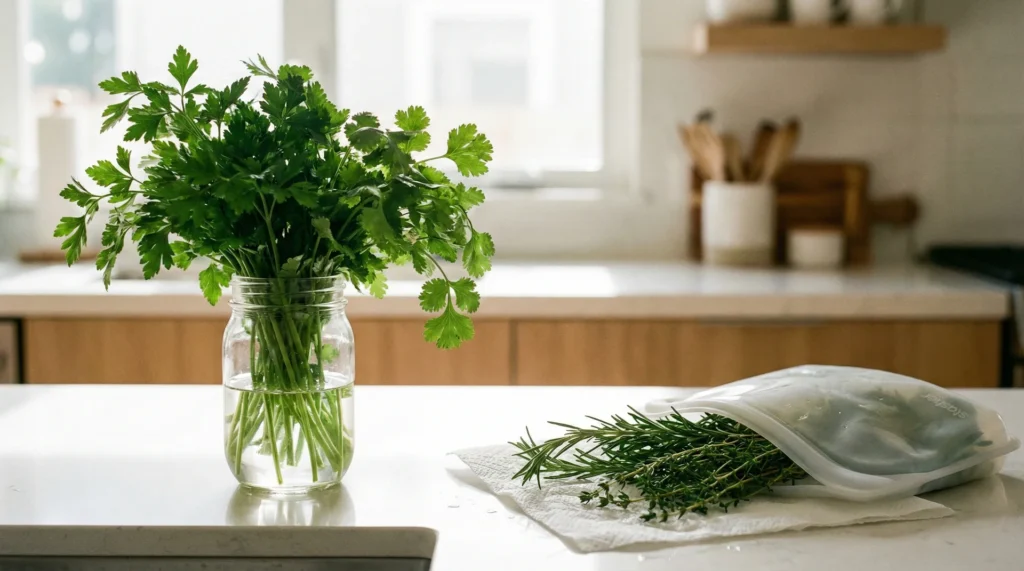
Leafy Greens and the Humidity Balance
Leafy greens are the divas of the produce world. They need moisture to stay crisp, but too much moisture causes them to turn into slime. The best way to store greens like spinach, kale, or arugula is to remove them from their original plastic bags, which often trap excess moisture. Instead, place them in a container lined with a dry paper towel. The towel absorbs the excess condensation while the container maintains enough humidity to prevent wilting. If you buy pre-washed boxed greens, simply tuck a paper towel inside the plastic tub to achieve the same effect.
To Wash or Not to Wash: Pre-Storage Rules
A common question is whether you should wash your produce as soon as you get home. For most things, the answer is a resounding no. Moisture is the enemy of longevity. If you wash your berries or grapes and then put them in the fridge, the residual water will encourage mold growth within 24 hours.
The better approach is to wash only right before you eat. However, there is one exception: the vinegar bath. For berries, soaking them in a solution of one part vinegar to three parts water for a few minutes, followed by a thorough drying (this is key!), can kill mold spores and significantly extend their life. Just make sure they are bone-dry before they go back into the refrigerator.
Conclusion: Saving Money and Flavor
Mastering produce storage doesn't require expensive gadgets or a degree in biology. It’s about understanding the basic needs of your food: who needs to breathe, who needs to stay dry, and who needs to stay away from the 'bad influence' of ethylene gas. By taking five extra minutes when you get home from the store to sort and prep your produce correctly, you’ll save a significant amount of money and enjoy much fresher, tastier meals.
Next time you’re tempted to just toss that bag of carrots and that head of lettuce into the same drawer, stop. Give your greens a paper towel, give your herbs a glass of water, and keep those tomatoes on the counter. Your taste buds—and your bank account—will thank you.