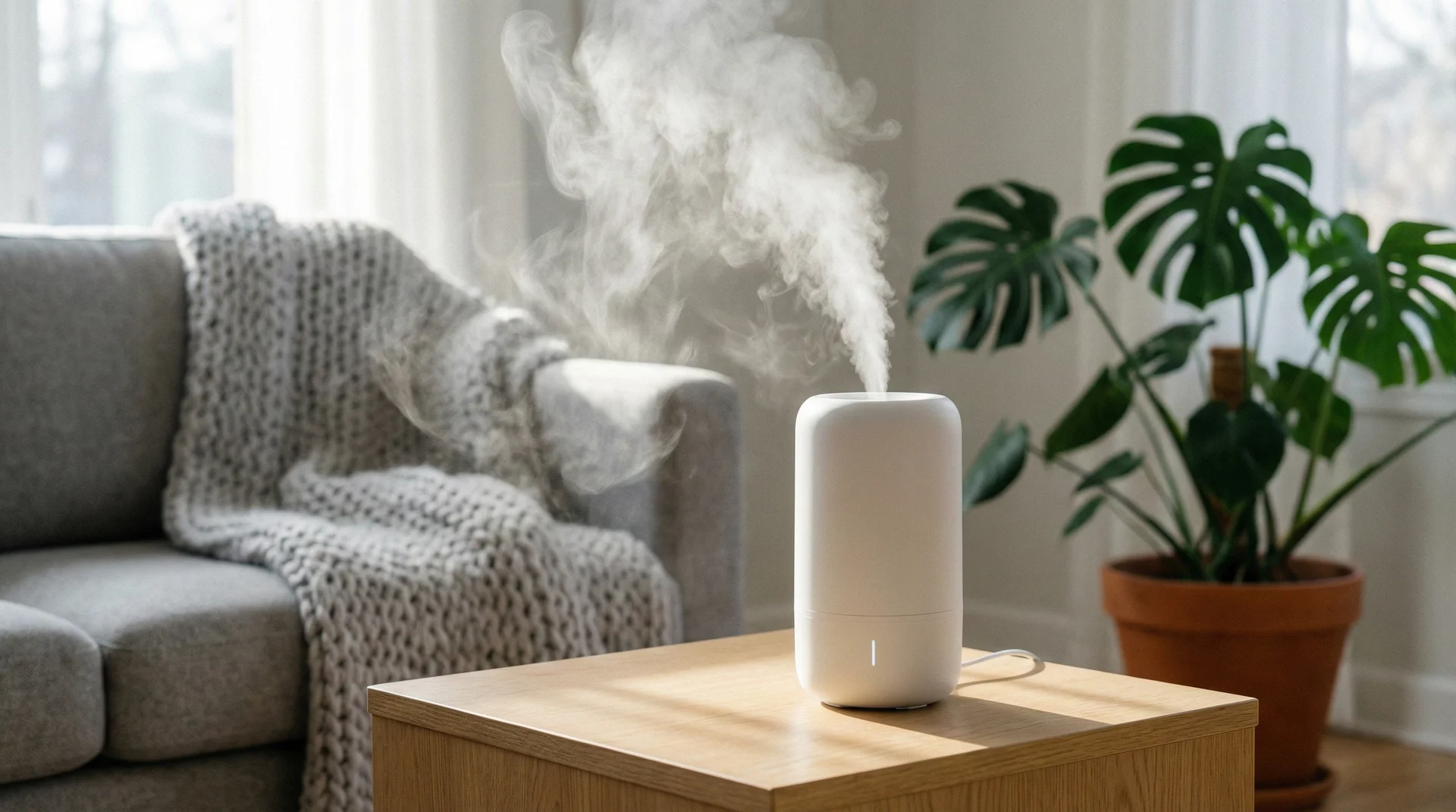
When the temperature drops and the furnace kicks into high gear, the air inside your home can become incredibly dry. This lack of moisture doesn’t just lead to static electricity that shocks you every time you touch a doorknob; it can also cause dry skin, irritated sinuses, and even damage to your wooden furniture and musical instruments. This is where a humidifier becomes an essential household tool. However, walking into a store or browsing online can be overwhelming. With so many different types, sizes, and features available, how do you know which one is actually right for your specific needs?
Choosing a humidifier isn’t a one-size-fits-all situation. A unit that works perfectly for a small nursery might be completely ineffective in a large, open-concept living room. Similarly, the technology used to create mist can impact everything from the noise level in your bedroom to the amount of maintenance required each week. In this guide, we will break down the complexities of humidifier technology, sizing, and features to help you make an informed decision for your home comfort.
The Benefits of Proper Indoor Humidity
Before diving into the technical specifications, it is important to understand why maintaining the right humidity level matters. Ideally, indoor humidity should stay between 30% and 50%. When levels drop below 30%, you may start to notice physical discomfort. Dry air pulls moisture from your body, leading to cracked lips, itchy eyes, and dry nasal passages. For those who suffer from allergies or asthma, dry air can exacerbate respiratory issues by irritating the throat and lungs.
Beyond personal health, your home also reacts to dry air. Wood is a natural material that breathes; when the air is too dry, wood shrinks. This can lead to gaps in hardwood flooring, creaky doors, and even cracks in expensive wooden furniture. By introducing a consistent source of moisture, you protect the structural integrity of your home’s interior. Additionally, humidified air feels warmer than dry air at the same temperature, which might even allow you to turn down your thermostat a degree or two during the winter months, potentially saving on heating costs.
Understanding the Different Types of Humidifiers
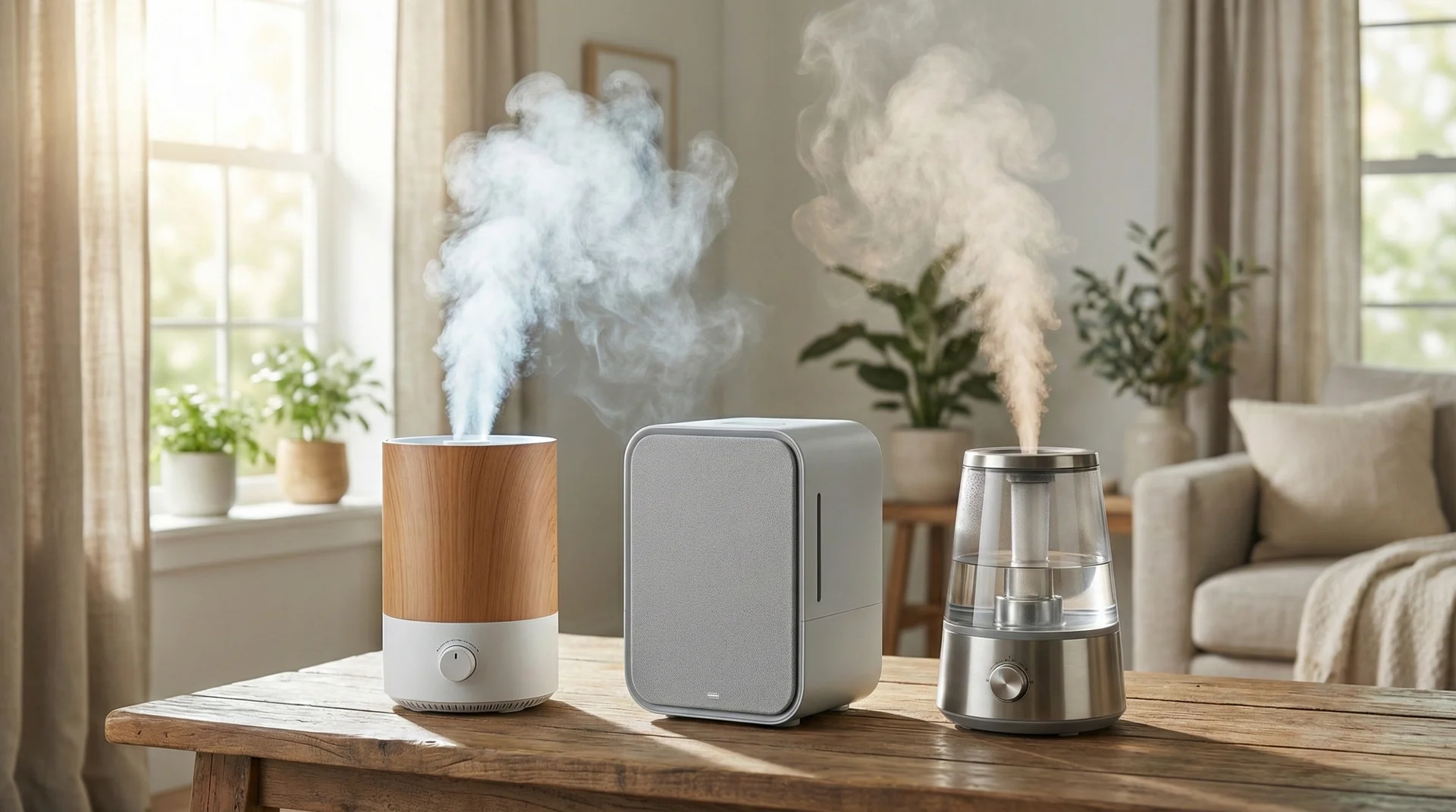
The first major decision you will face is choosing the underlying technology of the device. There are several main categories, each with its own set of pros and cons. Understanding these differences is the first step toward finding the best humidifiers for your specific lifestyle.
Cool Mist Evaporative Humidifiers
Evaporative humidifiers are perhaps the most common type. They work using a simple process: a fan pulls air from the room and blows it through a saturated wick or filter. As the air passes through the wet filter, water evaporates into the air, and the fan circulates this moistened air back into the room. One of the biggest advantages of this type is that it is self-regulating. As the humidity in the room rises, it becomes harder for water to evaporate from the filter, naturally slowing down the process. However, these units can be a bit noisy due to the fan, and you must replace the wick or filter regularly to prevent mold and mineral buildup.
Ultrasonic Humidifiers
Ultrasonic units have gained massive popularity recently because they are incredibly quiet. Instead of a fan and a filter, they use a small metal diaphragm that vibrates at an ultrasonic frequency. These vibrations break water droplets into an extremely fine mist that is then released into the room. Because there is no large fan, they are perfect for bedrooms and nurseries where silence is a priority. Most ultrasonic models offer both cool and warm mist options. The downside is that they can sometimes produce a fine ‘white dust’ if you use hard water, as the minerals are atomized along with the water droplets.
Warm Mist Humidifiers
Warm mist humidifiers, often called vaporizers, use a heating element to boil water before releasing it as steam. This process is excellent for killing bacteria and mold spores before the moisture enters your air. Many people prefer warm mist during the winter because it can make a room feel slightly cozier. They are also generally filterless, saving you money on replacements. However, because they contain boiling water and a heating element, they are not recommended for use around small children or pets due to the risk of accidental burns.
Finding the Right Size for Your Space
Once you’ve settled on a type, you need to consider capacity. This is where many buyers make a mistake—either buying a unit that is too small to be effective or one that is too large, which can lead to excessive moisture and mold growth. To get it right, you should first measure the square footage of the room where you plan to use the device. When shopping for the best humidifiers, manufacturers usually categorize them into three main sizes.
Small and Portable Units
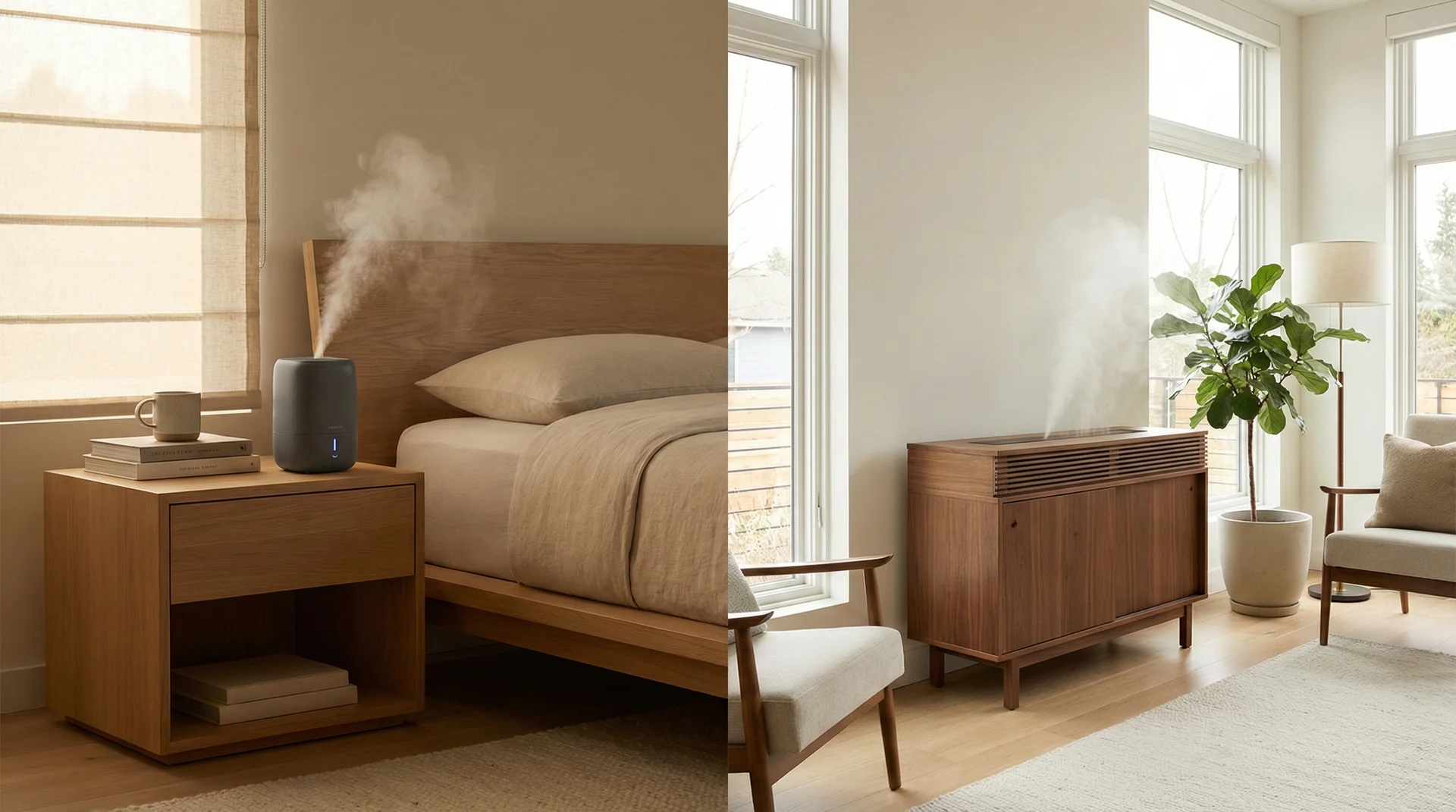
These are designed for spaces up to 250 or 300 square feet. They are perfect for a single bedroom, a small home office, or even a dorm room. They usually have smaller tanks, meaning you might need to refill them every 8 to 12 hours. The benefit is their portability; you can easily move them from your desk during the day to your bedside table at night.
Medium to Large Room Humidifiers
Units designed for rooms between 400 and 1,000 square feet are often referred to as ‘console’ or ‘large room’ models. These are ideal for large master suites or open living areas. They feature much larger water tanks, often holding several gallons, which allows them to run for 24 hours or more on a single fill. Some of these models are floor-standing units that look more like a piece of furniture than an appliance.
Whole-House Systems
If you find that every room in your home is uncomfortably dry, a whole-house humidifier might be the answer. These are typically installed directly into your home’s HVAC system and plumbed into your water line. They provide consistent humidity to every room reached by your air ducts. While the initial cost and installation are higher, they require the least amount of daily maintenance since you never have to manually refill a tank. Check out our list of the best humidifiers to see if a high-capacity portable unit or a permanent installation suits your home better.
Essential Features to Look For
Modern humidifiers come packed with features designed to make them easier and safer to use. While some are bells and whistles, others are critical for a good user experience. A built-in humidistat is perhaps the most important feature. Much like a thermostat for your heater, a humidistat monitors the moisture levels in the room and automatically turns the unit on or off to maintain a specific target. This prevents the room from becoming ‘swampy’ and saves energy.
Another vital feature is an automatic shut-off. This ensures the unit turns off the moment the water tank is empty, preventing the motor or heating element from burning out. If you are a light sleeper, look for a ‘night mode’ that dims or turns off all LED lights on the display. Ease of cleaning should also be high on your list. Look for tanks with wide openings that allow you to reach inside with a scrub brush, as narrow necks are nearly impossible to disinfect properly.
Maintenance and Cleaning Protocols
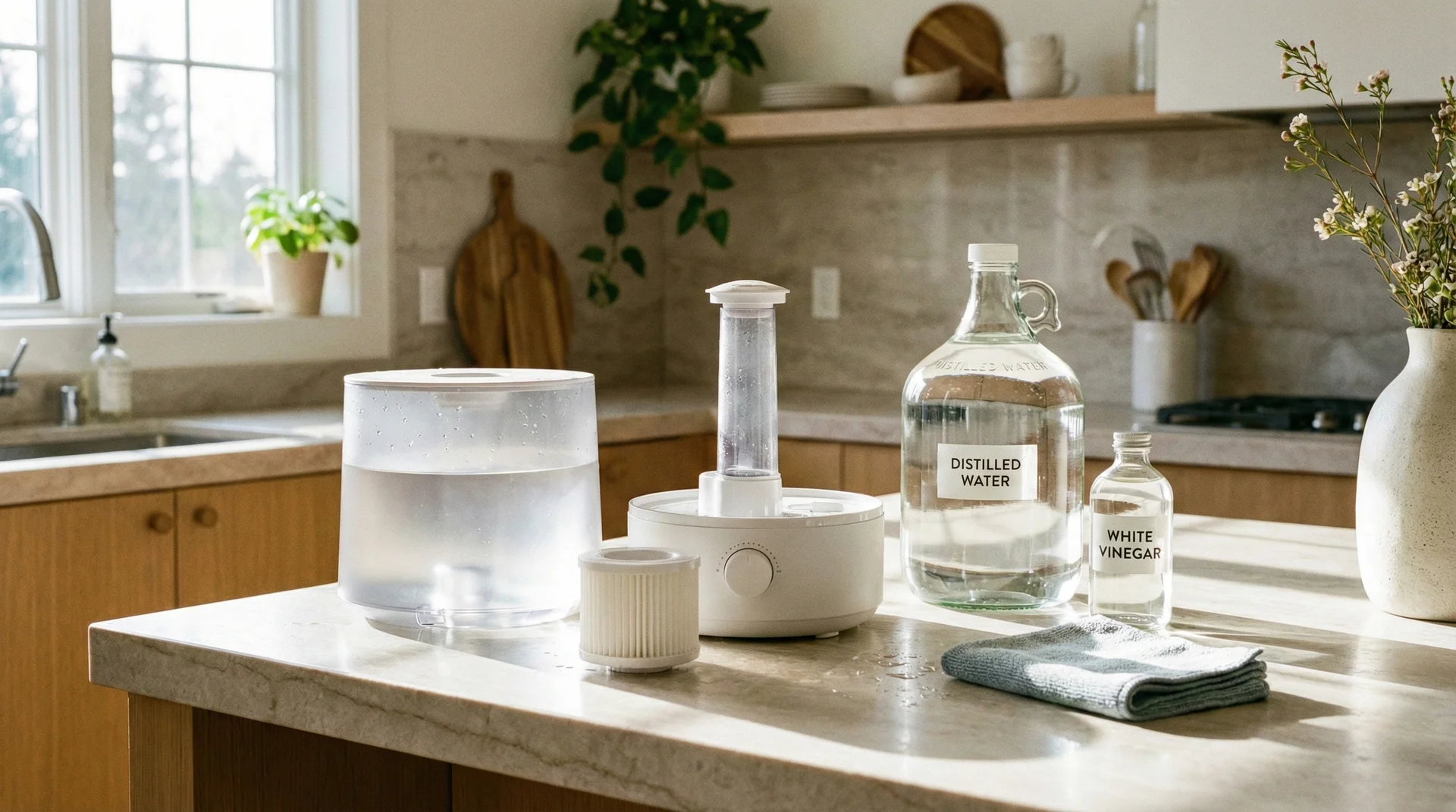
Regardless of which model you choose, maintenance is non-negotiable. Because humidifiers deal with standing water, they can quickly become breeding grounds for bacteria, mold, and mineral deposits. If you don’t clean your unit, you risk pumping those contaminants directly into the air you breathe. As a general rule, you should rinse the tank daily and give the entire unit a deep clean with white vinegar or a diluted bleach solution at least once a week.
The type of water you use also matters. While tap water is convenient, it contains minerals that can create a ‘white dust’ in ultrasonic models and cause scale buildup in warm mist units. If you live in an area with hard water, using distilled or demineralized water will significantly extend the life of your device and keep your air cleaner. If you use an evaporative model, remember to check the filter every few weeks; if it becomes stiff or discolored, it is time for a replacement.
Safety Considerations for Families
When selecting a humidifier for a child’s room, safety takes priority over everything else. The American Academy of Pediatrics (AAP) generally recommends cool mist humidifiers for children. The reason is simple: warm mist units and steam vaporizers pose a significant burn risk. A curious toddler could pull the unit off a dresser or trip over the cord, resulting in a spill of boiling water. Cool mist models provide the same respiratory benefits without the heat risk.
Furthermore, placement is key. Always place the humidifier on a flat, firm surface that is at least three feet away from the bed. Ensure the mist is not directed at a wall, curtains, or bedding, as the constant moisture can lead to localized mold growth on those surfaces. If you notice condensation on your windows, it’s a sign that your humidity levels are too high, and you should turn the unit down or off.
Final Thoughts on Making Your Choice
Selecting the right humidifier comes down to balancing your specific needs for noise, maintenance, and room size. If you want a silent companion for your bedroom, go ultrasonic. If you want a self-regulating unit for a large living room and don’t mind a bit of white noise, an evaporative model is your best bet. Always prioritize models with a humidistat and an auto-shutoff feature to ensure your home remains a healthy, comfortable environment without the risk of over-humidification.
By taking the time to measure your space and understand the maintenance requirements of each type, you can invest in a tool that will keep your skin hydrated, your sinuses clear, and your home protected throughout the driest months of the year. Don’t let the winter itch get the best of you—the right humidifier is out there, waiting to transform your indoor air quality.