There is something undeniably special about a high-quality leather piece. Whether it is a rugged pair of boots that has carried you through miles of city streets, a vintage jacket that fits like a second skin, or a briefcase that holds your professional life together, leather is more than just a material. It is an investment. Unlike synthetic fabrics that fray and fall apart, leather has the unique ability to age gracefully, developing a rich patina that tells the story of your life. However, this longevity isn’t guaranteed by default. Without the right care, even the finest full-grain leather can crack, fade, or succumb to mold.
If you have ever wondered why some leather items look better with age while others look like they belong in a landfill after just two years, the answer lies in maintenance. Think of leather like your own skin. It needs to stay hydrated, it needs protection from the elements, and it needs a gentle touch when things get messy. In this comprehensive guide, we are going to walk through everything you need to know to extend the life of your leather goods, ensuring they remain a staple of your wardrobe for decades to come.
Understanding Your Leather Type
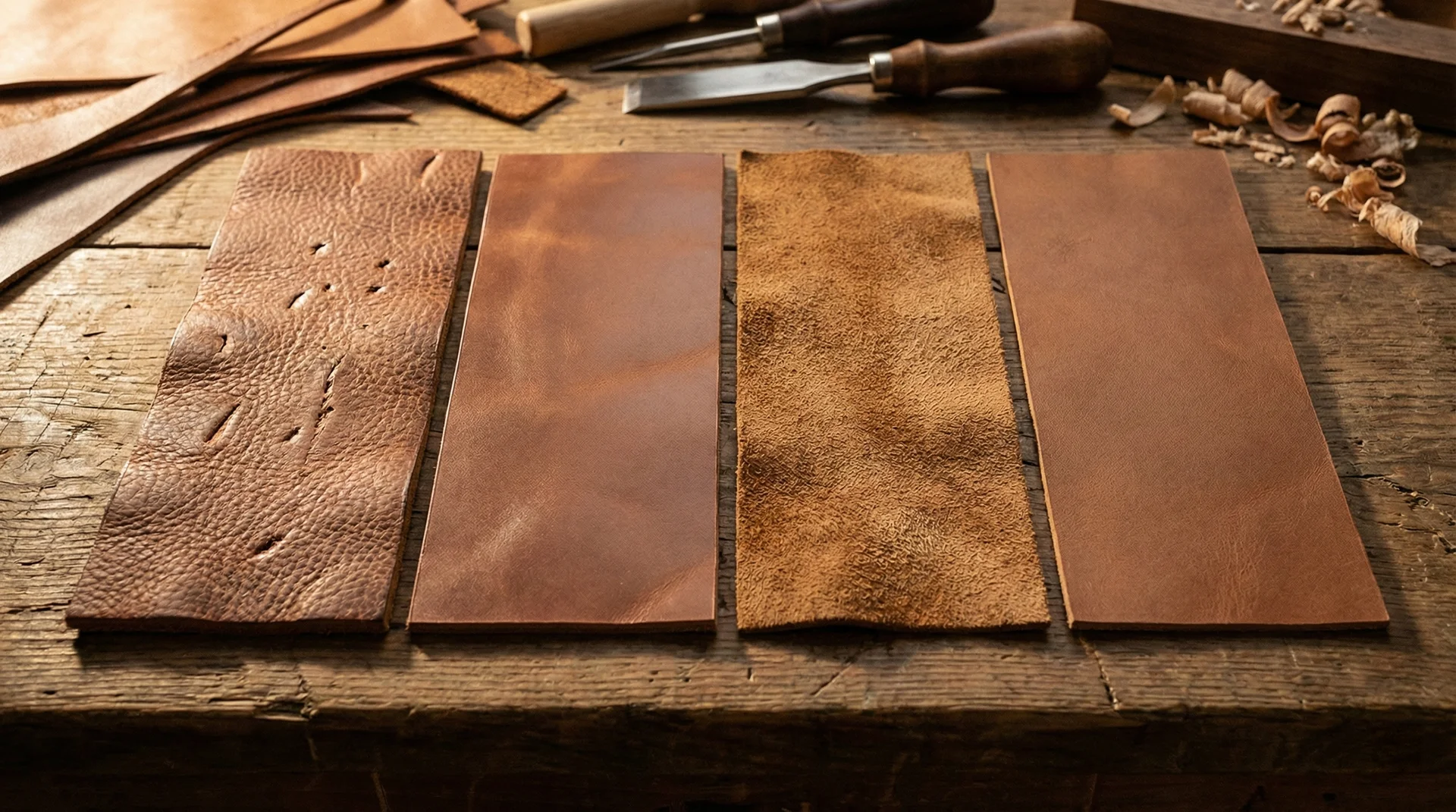
Before you grab a rag and start scrubbing, you need to know exactly what you are working with. Not all leather is created equal, and treating a suede jacket the same way you treat a pair of heavy-duty work boots is a recipe for disaster. The most common type you will encounter is full-grain leather. This is the highest quality, featuring the entire natural grain of the hide. It is incredibly durable but also the most porous, meaning it absorbs oils and moisture easily.
Top-grain leather is slightly more processed, with the top layer sanded down to remove imperfections. It is often more stain-resistant than full-grain because of the finishes applied to it, but it lacks the same long-term durability. Then there is suede and nubuck. These have a napped surface that is beautiful but extremely sensitive to water and stains. Finally, we have ‘genuine leather’—which is often a marketing term for the lowest grade of real leather, made from the remaining layers of the hide after the top has been stripped away. Knowing which one you own determines the products you should use and the frequency of care required.
The Golden Rules of Storage
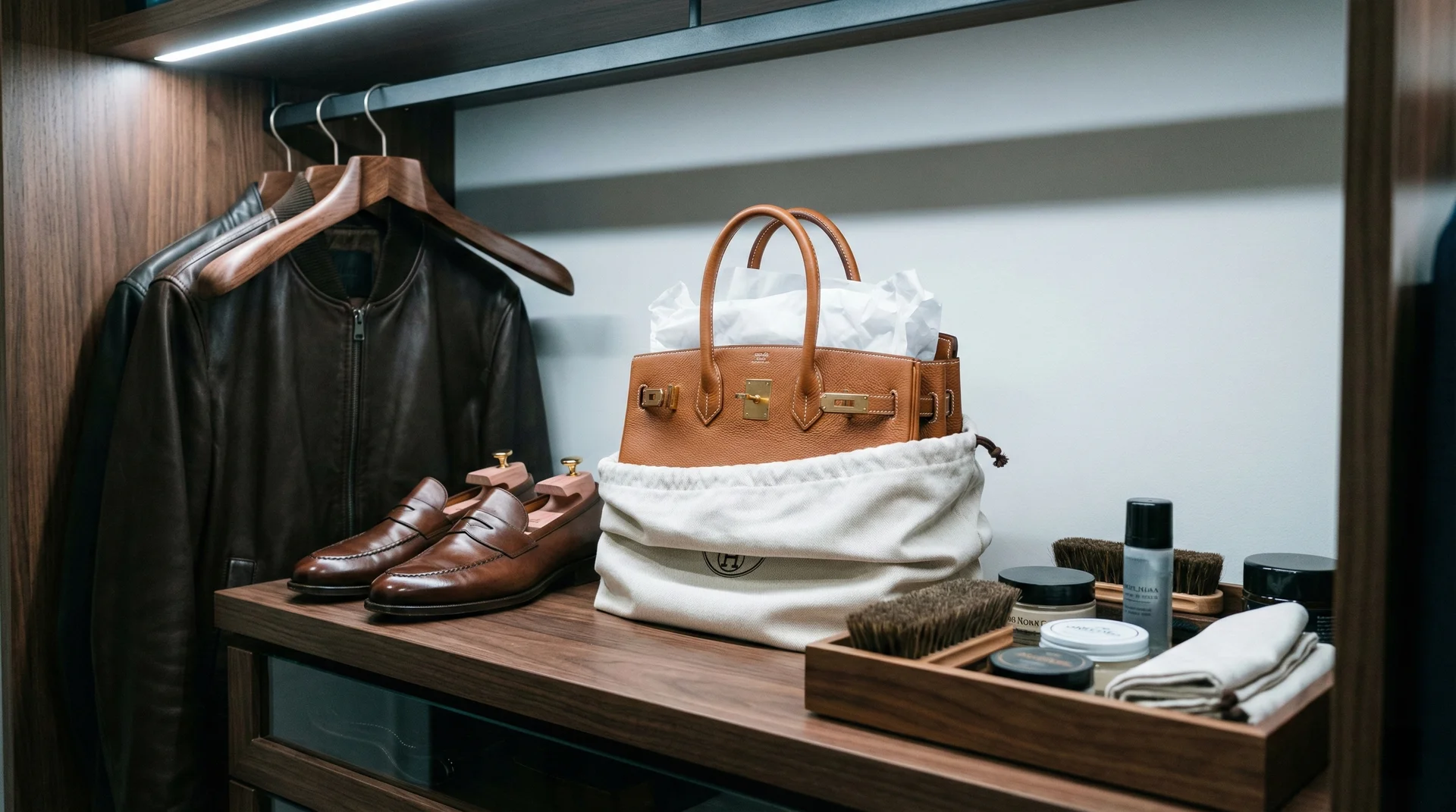
Believe it or not, the way you store your leather goods when you aren’t using them is just as important as how you clean them. Leather is a natural fiber that needs to breathe. One of the biggest mistakes people make is storing leather bags or jackets in plastic bins or non-breathable plastic garment bags. This traps moisture, which can lead to the growth of mold and mildew. Instead, always use cotton dust bags or pillowcases. These protect the item from dust while allowing air to circulate.
Another critical factor is shape retention. Leather has a ‘memory.’ If you toss a soft leather tote in the corner of your closet and leave it there for six months, it will likely develop permanent creases and lose its structural integrity. To prevent this, stuff your bags and shoes with acid-free tissue paper or cedar shoe trees. Cedar is particularly great because it absorbs moisture and imparts a pleasant scent. Additionally, never hang leather jackets on thin wire hangers. The weight of the leather will cause the shoulders to stretch and misshapen over time. Use wide, padded, or wooden hangers to provide proper support.
Temperature and Humidity Control
Environment is everything. You should store your leather in a cool, dry place away from direct sunlight. UV rays are the enemy of leather; they act as a bleaching agent, causing colors to fade and the natural oils to evaporate. Similarly, avoid storing items near radiators or heating vents. Excessive heat will dry out the leather until it becomes brittle and cracks. If your home is particularly humid, consider using a dehumidifier in your closet to prevent white mold spots from appearing on your favorite leather goods.
Cleaning Your Leather the Right Way
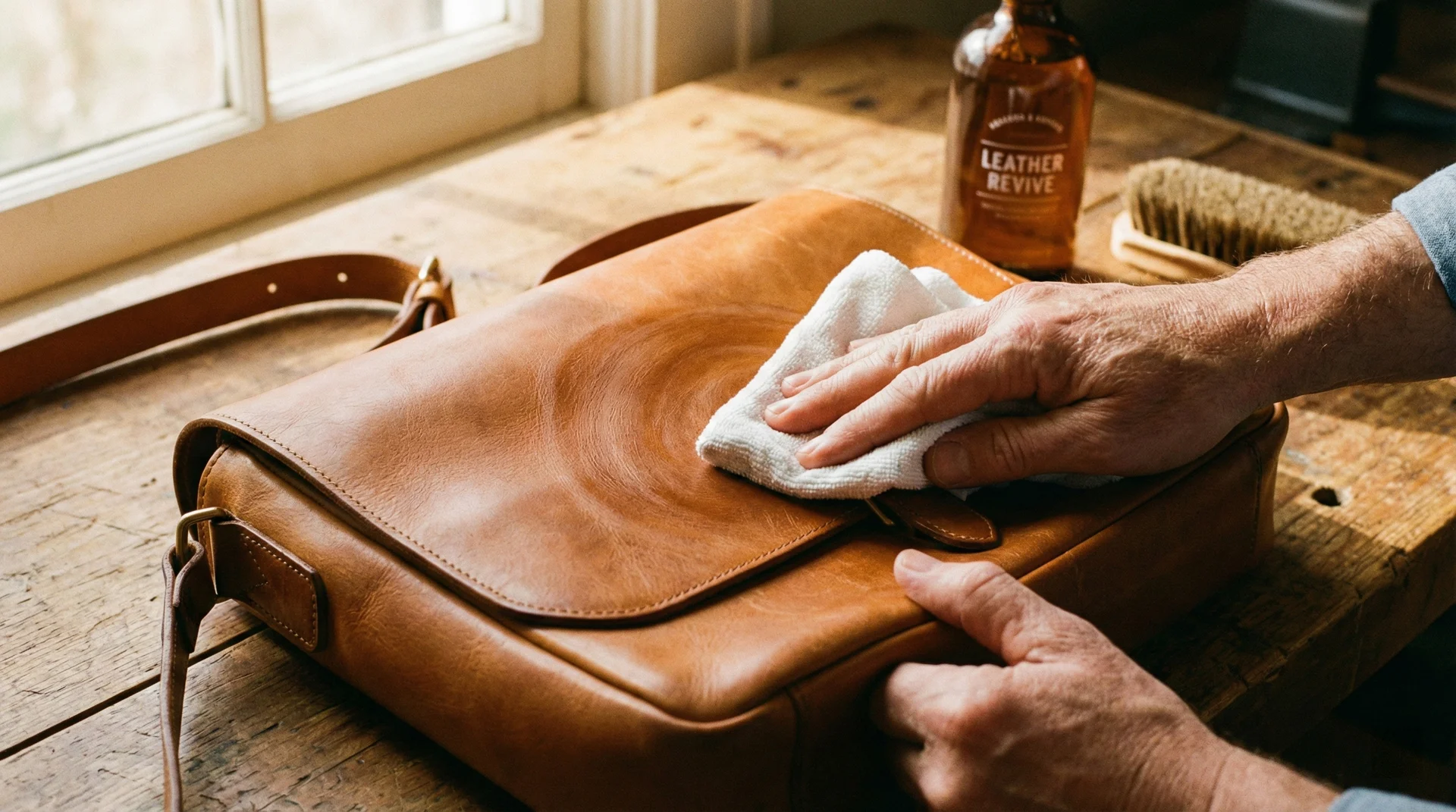
Life happens. You might spill coffee on your briefcase or walk through a muddy puddle in your new loafers. When accidents occur, the key is to act fast but stay gentle. For daily maintenance, a simple wipe-down with a dry, soft microfiber cloth is usually enough to remove surface dust. If the leather is actually dirty, you will need a dedicated leather cleaner. Avoid using ‘home remedies’ like vinegar, dish soap, or baby wipes. These often have the wrong pH balance and can strip away the natural oils, leaving the leather dull and prone to damage.
When using a leather cleaner, always test it on a small, inconspicuous area first—like the inside of a cuff or the bottom of a bag—to ensure it doesn’t cause discoloration. Apply a small amount of cleaner to a cloth (never directly onto the leather) and rub in a circular motion. Once the dirt is lifted, wipe away any excess residue with a clean, damp cloth and let the item air dry naturally. Never use a hairdryer to speed up the process, as the intense heat will cause the leather to shrink or crack.
Handling Stains and Spills
Water spots are common, especially on untreated leather. If you get caught in the rain, don’t just set your item aside. Wipe the water off immediately and let it dry at room temperature. For oil or grease stains, try dabbing the area with a bit of cornstarch or talcum powder. Let it sit overnight to absorb the oil, then gently brush it away. For more stubborn stains like ink or wine, it is often best to consult a professional leather cleaner rather than risking permanent damage with DIY scrubbing.
Conditioning: The Fountain of Youth
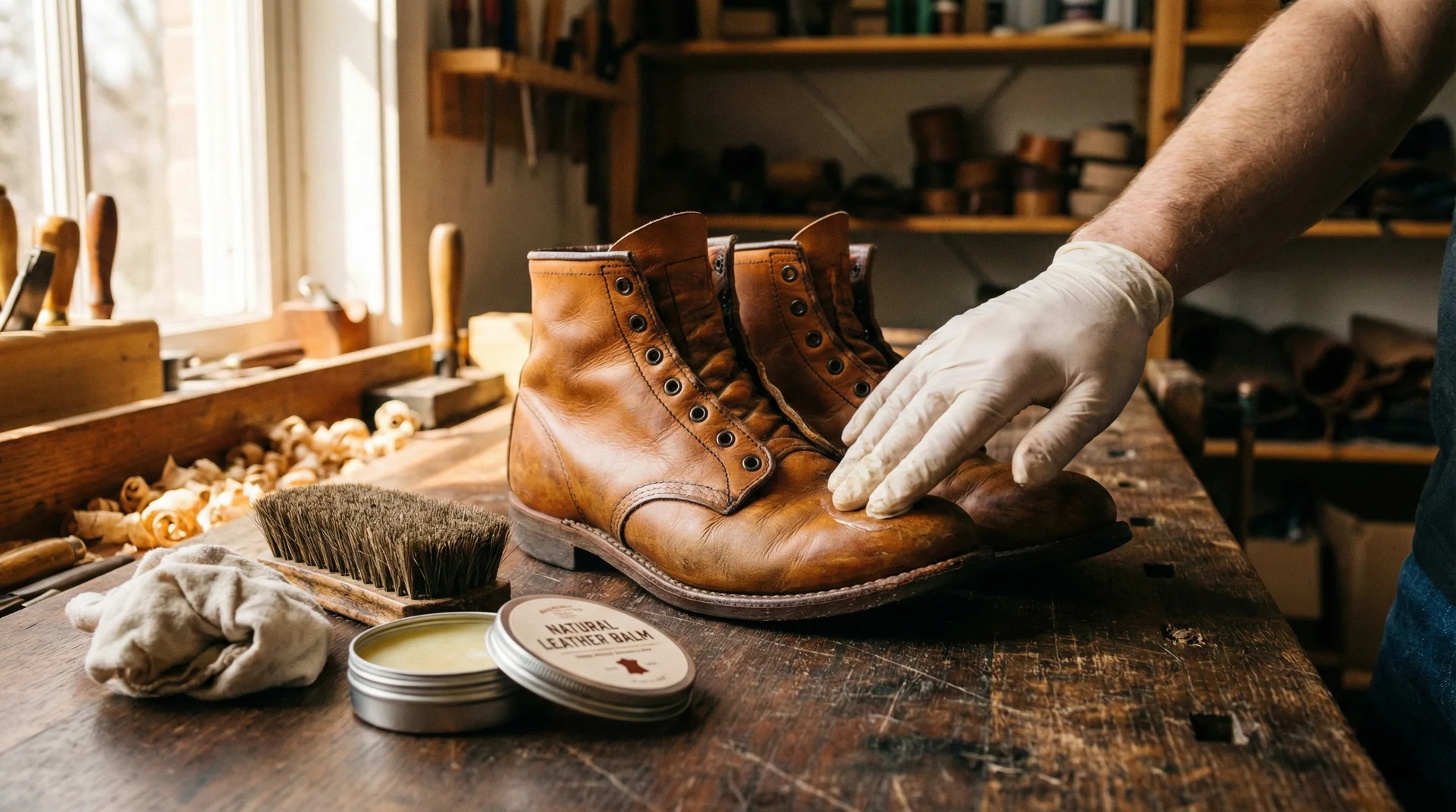
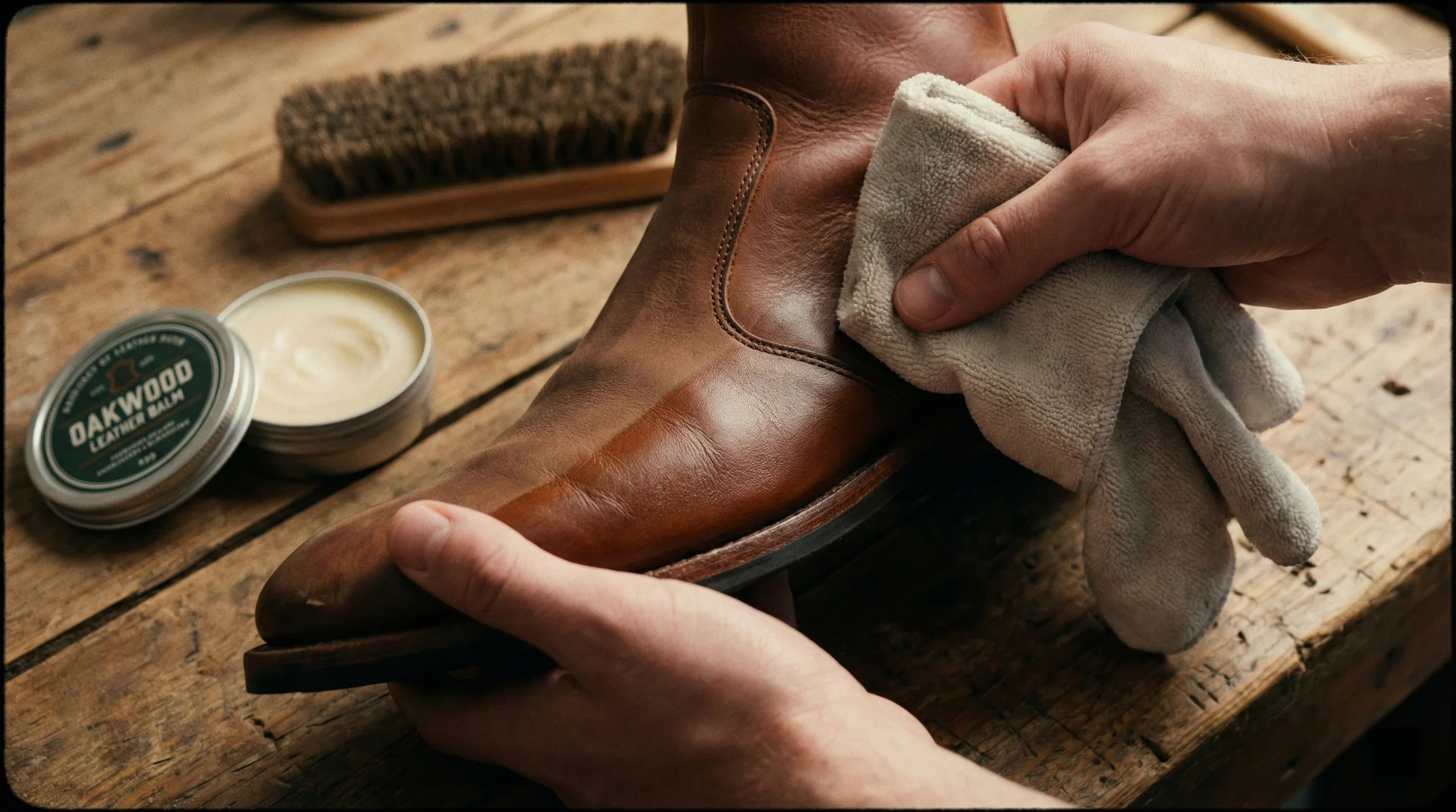
Conditioning is the most crucial step in any leather care routine. If cleaning is like washing your face, conditioning is like applying moisturizer. Over time, leather loses its natural oils through evaporation and use. When this happens, the fibers lose their flexibility and start to break. A good leather conditioner (sometimes called a leather balm or cream) penetrates the pores to replenish those lost oils and keep the material supple.
How often should you condition? It depends on your climate and how frequently you use the item. A good rule of thumb is every 3-6 months. To apply, use a soft cloth to massage a small amount of conditioner into the leather. You don’t need much—a little goes a long way. Let it sit for about 20 minutes to allow the leather to absorb the nutrients, then buff away any excess with a clean cloth. You will immediately notice the leather looks richer, feels softer, and has a healthy, subtle glow. For boots that see a lot of outdoor action, you might want to use a heavy-duty conditioner like mink oil or neatsfoot oil, though be aware these can darken the leather significantly.
Protecting Against the Elements
If you live in a rainy climate or a place with snowy winters, protection is non-negotiable. Salt used on icy sidewalks is particularly devastating to leather; it draws out moisture and leaves behind white, crusty stains that can permanently ruin the finish. To prevent this, apply a water and stain protector spray. Look for products specifically formulated for the type of leather you own—suede and nubuck require their own specialized sprays that won’t flatten the nap.
For smooth leathers, you can also use a wax-based polish. Not only does this add a layer of shine, but the wax creates a physical barrier that helps water bead off the surface rather than soaking in. Just remember that protection isn’t a ‘one and done’ task. Every time you clean or condition your leather, you are likely stripping away some of that protective layer, so be sure to reapply your protector spray or wax as the final step of your maintenance routine.
Common Mistakes to Avoid
Even with the best intentions, it is easy to make mistakes that shorten the lifespan of your leather. One of the most common is over-conditioning. While moisture is good, too much of it can make the leather ‘mushy’ and cause it to lose its shape. It can also clog the pores, making it harder for the leather to breathe. Stick to a schedule and only condition when the leather starts to feel slightly dry or stiff.
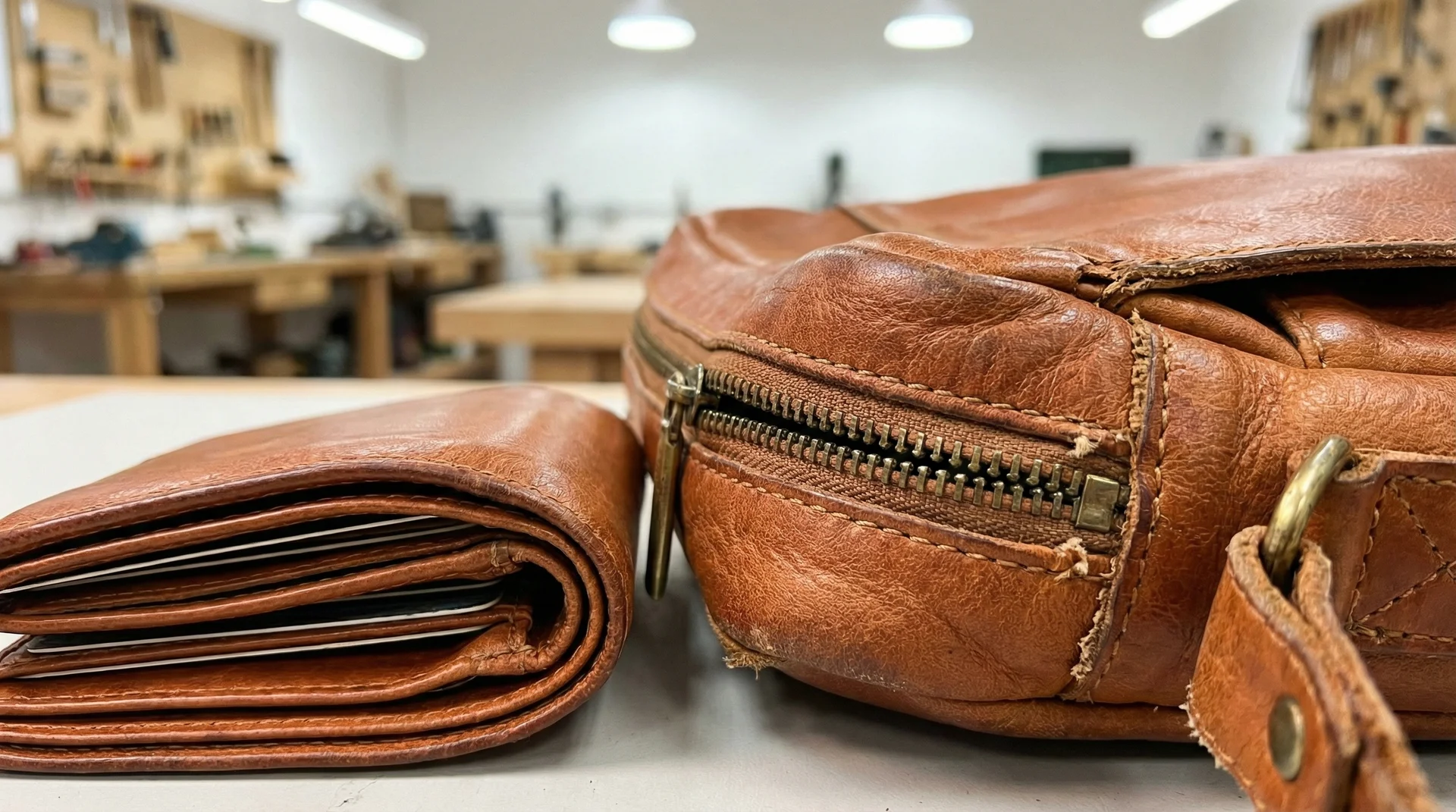
Another major mistake is ignoring the hardware. Zippers, buckles, and rivets are often the first things to fail on a leather bag or jacket. Keep zippers running smoothly by rubbing a bit of beeswax or a graphite pencil on the teeth. If your brass hardware is tarnishing, use a specialized metal cleaner, but be careful not to get the metal cleaner on the leather itself, as it can cause permanent staining. Finally, never store leather items in a way that puts stress on the material. Don’t overstuff your wallet until the seams scream, and don’t carry twenty pounds of gear in a leather tote not designed for that weight. Respect the structural limits of the piece.
The Value of Professional Help
While DIY care goes a long way, there are times when you should call in the pros. If your favorite leather jacket has a significant tear, or if the soles of your boots have worn through, a skilled cobbler or leather repair specialist is worth every penny. They have access to industrial-grade dyes, specialized sewing machines, and deep-cleaning tools that the average person simply doesn’t have at home. Investing $50 in a professional repair can save a $500 item, making it one of the smartest financial moves you can make for your wardrobe.
In a world of fast fashion and disposable goods, choosing to care for your leather is a radical act of sustainability. It requires patience and a bit of effort, but the reward is a collection of items that grow more beautiful, more comfortable, and more personal with every passing year. Treat your leather well, and it will truly last a lifetime.