When you first start shopping for an air purifier, it feels like stepping into a science lab. You are immediately bombarded with acronyms like HEPA, CADR, VOCs, and PECO. It is enough to make anyone want to just open a window and hope for the best. However, understanding the technology inside these machines is the only way to ensure you are actually cleaning your air rather than just moving it around.
Air purifiers aren’t one-size-fits-all devices. A filter that is excellent at capturing pet dander might be completely useless against the smell of burnt toast or the chemicals off-gassing from your new carpet. To find the right fit for your home, you need to look past the sleek plastic exterior and understand what is happening at the molecular level. In this guide, we will break down every major filter type, how they work, and which ones are worth your investment.
The air in our homes is often more polluted than the air outside. From microscopic dust mites to invisible gases, our living spaces are sponges for pollutants. By choosing the right filtration system, you can significantly improve your respiratory health and overall well-being. Let’s dive into the mechanics of clean air.
HEPA Filters: The Gold Standard
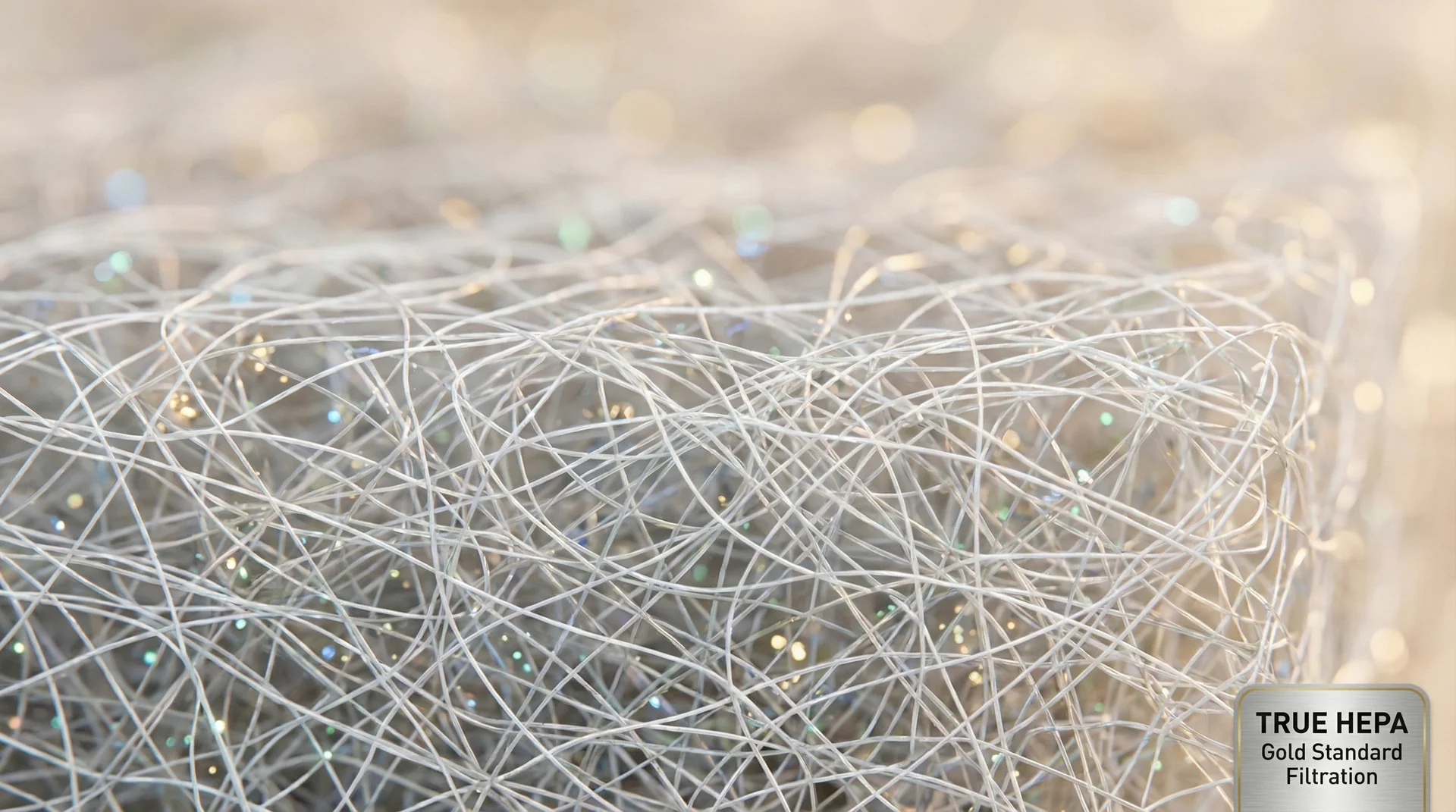
If you have spent even five minutes researching air quality, you have seen the term HEPA. It stands for High-Efficiency Particulate Air. This isn’t just a marketing buzzword; it is a strict regulatory standard. To be classified as a True HEPA filter, it must be able to capture 99.97% of particles that are 0.3 microns in size. To put that in perspective, a human hair is about 50 to 70 microns wide. We are talking about particles that are invisible to the naked eye.
HEPA filters are made of a dense web of randomly arranged fiberglass fibers. They don’t act like a simple sieve or a net. Instead, they use three clever physical mechanisms: diffusion, interception, and impaction. Large particles crash into the fibers (impaction), mid-sized particles get snagged as they pass by (interception), and the tiniest particles zig-zag around until they eventually hit a fiber (diffusion). This is why HEPA is so effective across a wide range of particle sizes.
When searching for the best air purifiers for allergies, a True HEPA filter is non-negotiable. It is the only technology proven to consistently trap pollen, mold spores, and dust mites. However, be wary of terms like ‘HEPA-type’ or ‘HEPA-like.’ These are marketing terms for filters that do not meet the rigorous 99.97% standard. They might look the same, but their performance is often significantly lower, especially when dealing with the smallest, most dangerous particles that can enter your bloodstream.
Activated Carbon: For Odors and Chemicals
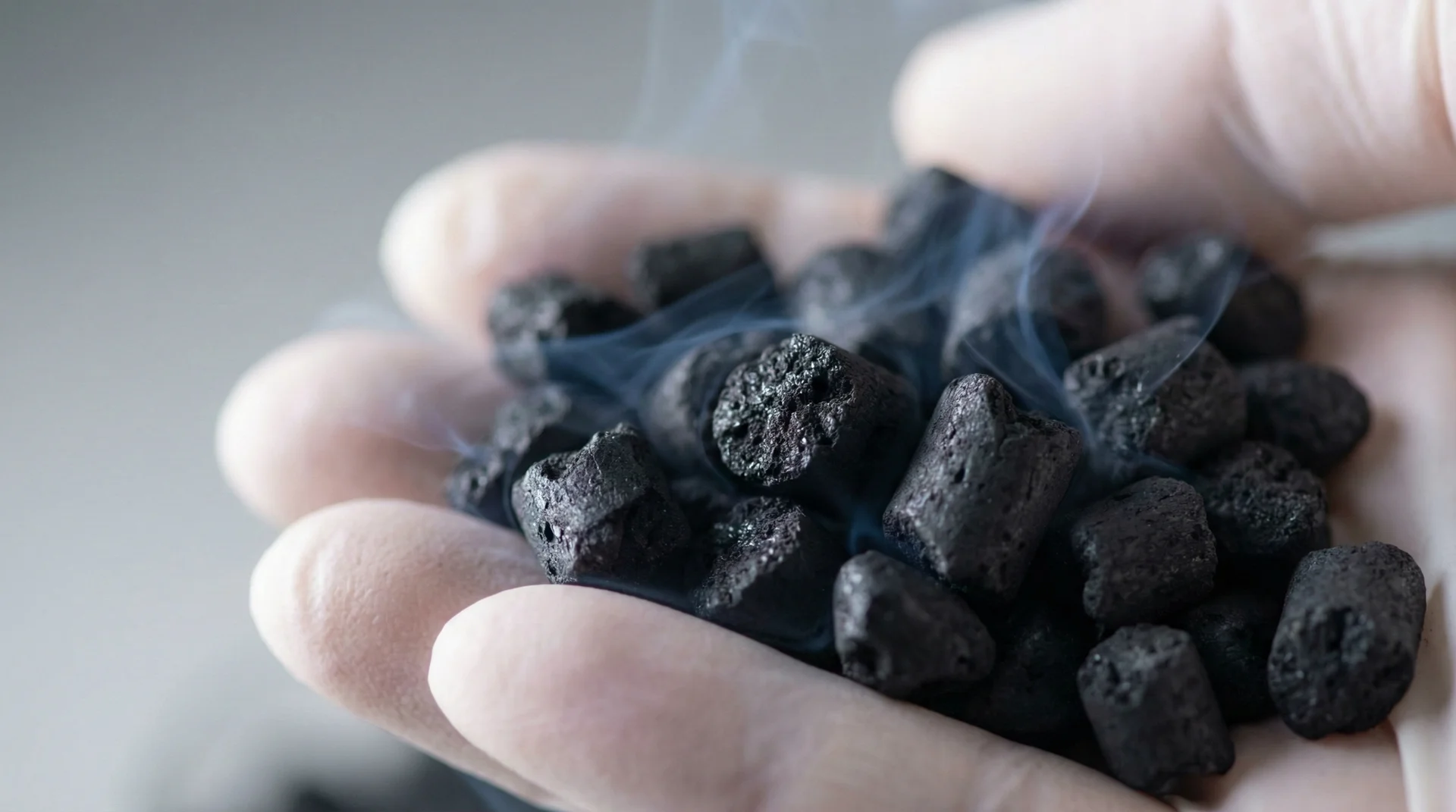
While HEPA is the king of particles, it is virtually useless against gases. If you have a kitchen full of fish smells or a living room that smells like a wet dog, a HEPA filter won’t help you. This is where activated carbon comes in. Activated carbon is charcoal that has been treated with oxygen to open up millions of tiny pores between the carbon atoms. This creates a massive surface area; just one gram of activated carbon can have a surface area of over 3,000 square meters.
These filters work through a process called adsorption (not absorption). In adsorption, gas molecules like Volatile Organic Compounds (VOCs), smoke, and odors stick to the outside of the carbon pores. It acts like a chemical sponge. This is essential for anyone living in a city with high smog levels or for those who have recently renovated their homes, as new paint and furniture often release harmful chemicals for months.
The effectiveness of a carbon filter depends heavily on the amount of carbon used. Some cheap purifiers use a thin, carbon-coated cloth that saturates in weeks. The best air purifiers for smoke and odors will use several pounds of granulated carbon pellets. If the filter feels heavy, that’s usually a good sign that it contains enough material to actually do its job over the long haul.
The Role of Pre-Filters
The pre-filter is the unsung hero of the air purification world. It is the first line of defense, usually consisting of a simple foam or mesh screen. Its job isn’t to catch the microscopic stuff; it’s there to catch the ‘big’ things like hair, large dust bunnies, and pet fur. You might think this is unnecessary, but it serves a vital economic purpose: it protects your expensive HEPA filter.
HEPA filters are dense and can easily become ‘blinded’ if they are covered in dog hair and large dust clods. By capturing these large particles first, the pre-filter ensures that the HEPA filter can focus on the microscopic pollutants it was designed for. Most pre-filters are either washable or vacuumable, which helps extend the life of your more expensive replacement filters by months.
If you live in a household with multiple pets, you will notice the pre-filter getting dirty very quickly. Some modern designs even use a permanent, metallic mesh that never needs replacing. No matter the type, keeping the pre-filter clean is the easiest way to maintain high airflow and ensure your machine doesn’t have to work harder than necessary, which can lead to motor burnout over time.
Advanced Purification Technologies
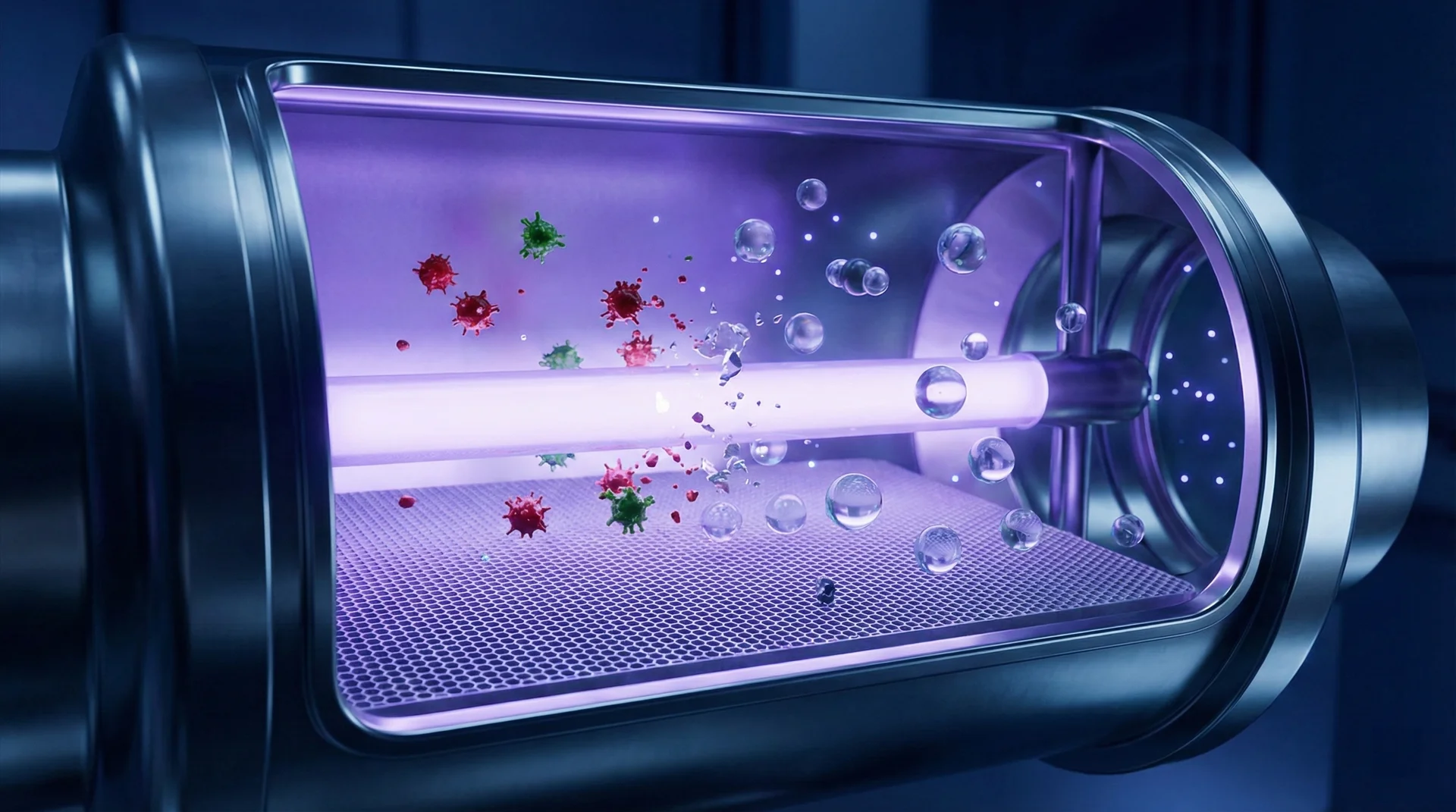
Beyond the mechanical filters, there are several ‘active’ technologies that claim to destroy pollutants rather than just trap them. One of the most common is UV-C light. These purifiers use ultraviolet germicidal irradiation to kill bacteria, viruses, and mold spores. While it sounds high-tech, its effectiveness depends on ‘dwell time’—the amount of time the air is actually exposed to the light. In many small portable units, the air moves too fast for the UV light to have a significant effect.
Then there is PECO (Photoelectrochemical Oxidation). Popularized by brands like Molekule, PECO claims to use a light-activated catalyst to break down pollutants at a molecular level, effectively turning organic matter into harmless components like trace amounts of water and CO2. While the science is fascinating, there is still debate in the industry about whether it outperforms a traditional HEPA setup in real-world home environments.
Lastly, we have Ionizers. These devices release negatively charged ions into the air, which attach to particles, making them too heavy to stay airborne. They then fall onto your floor or furniture (or a collection plate in the machine). While effective at clearing the air, some ionizers produce ozone as a byproduct. Ozone is a known lung irritant, so if you opt for an ionizer, ensure it is certified ‘ozone-free’ by the California Air Resources Board (CARB).
Understanding MERV Ratings
While often used for whole-home HVAC systems, you may see MERV ratings mentioned in relation to air purifiers. MERV stands for Minimum Efficiency Reporting Value. The scale runs from 1 to 20. A low MERV rating (1-4) is basically only good for protecting the heater’s motor from large dust clumps. A MERV 13 is generally considered the sweet spot for residential air quality, as it can capture virus-sized particles. However, True HEPA filters would sit at the top of this scale, usually equivalent to a MERV 17 or higher. When choosing a filter, always look for the highest rating your machine or HVAC system can handle without restricting airflow too much.
Choosing the Right Filter for Your Home
So, which combination do you actually need? If you suffer from seasonal allergies or have a dusty home, prioritize a high-quality HEPA filter. This will capture the pollen and dust mites that trigger sneezing and itchy eyes. For those who live with smokers or in areas prone to wildfires, the carbon filter becomes just as important as the HEPA. You need that heavy-duty chemical adsorption to handle the toxic gases found in smoke.
Pet owners are in a unique position where they need a multi-stage approach. You need a robust pre-filter to handle the constant shedding, a HEPA filter for the microscopic dander, and an activated carbon layer for that unmistakable ‘dog smell.’ Many of the best air purifiers on the market today offer ‘3-in-1’ or ‘4-in-1’ filter cartridges that combine these layers into a single unit for convenience.
Budget is also a factor. HEPA filters can be expensive to replace, often costing between $40 and $100. Before buying a machine, check the cost of the replacement filters and how often they need to be changed. A cheap machine with expensive, frequent filter changes will end up costing you much more over two years than a premium machine with long-lasting filters.

Maintenance and Replacement Tips
An air purifier is only as good as its maintenance. A clogged filter is nothing more than a noisy paperweight. Most modern machines have a ‘change filter’ light, but these are often just simple timers that don’t actually know how dirty the filter is. If you live in a particularly dusty environment or have several pets, you may need to change your filters more frequently than the manual suggests.
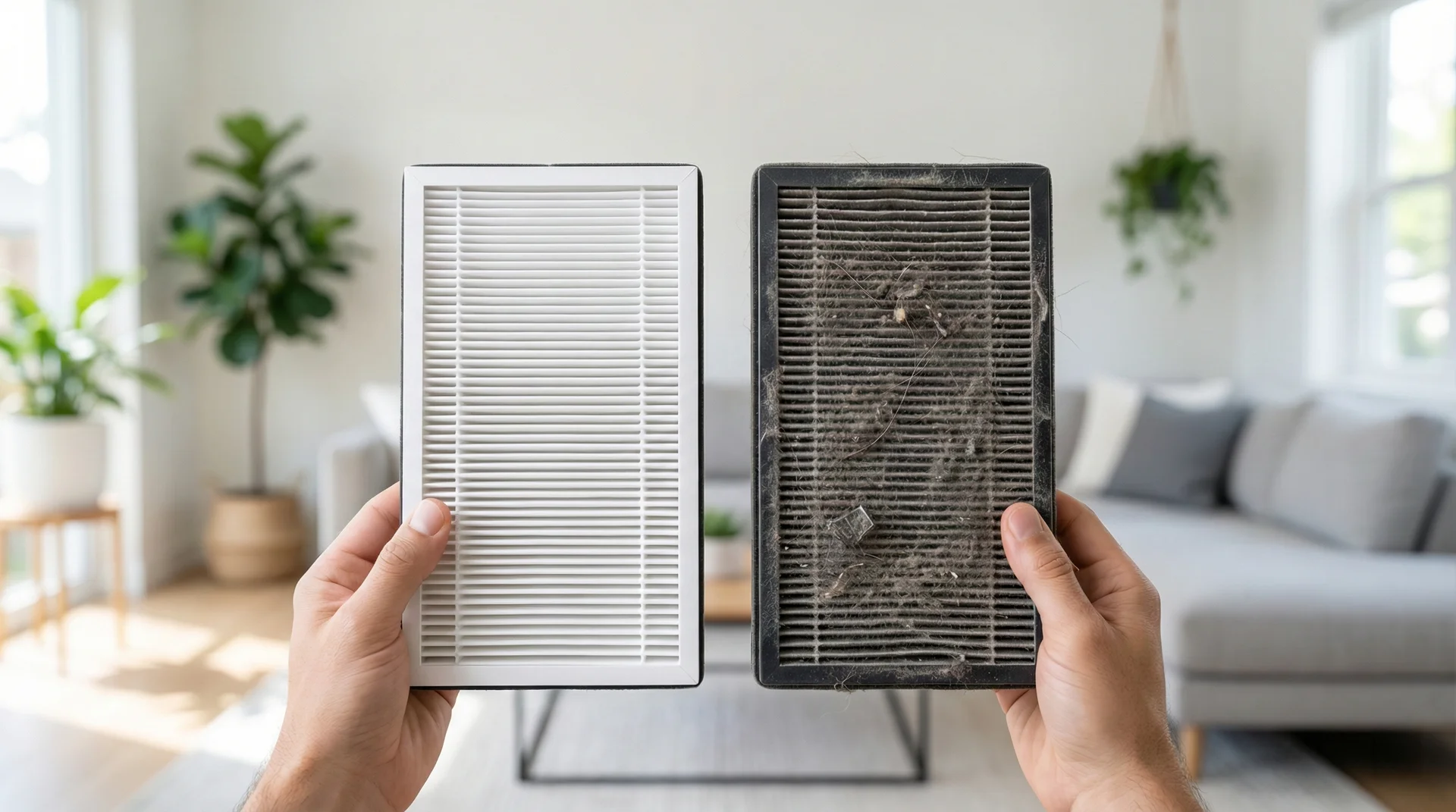
Visually inspect your filters once a month. If the pre-filter is caked in dust, clean it. If the HEPA filter has changed from white to a dark gray or black, it’s likely reaching the end of its life. Also, pay attention to the smell. If your air purifier starts emitting a musty or ‘sour’ odor, it is usually a sign that the carbon filter is saturated and is actually releasing the smells it previously trapped.
When it comes time to replace, try to stick with genuine filters from the manufacturer. While ‘generic’ filters are cheaper, they often lack the tight seals required for HEPA performance. Air will always take the path of least resistance; if a generic filter doesn’t fit perfectly, the air will simply leak around the edges, bypassing the filtration entirely. Clean air is an investment in your health, and the filter is the most important part of that investment.
In conclusion, the world of air filters doesn’t have to be intimidating. By focusing on True HEPA for particles and activated carbon for gases, you cover 99% of your air quality needs. Everything else is a specialized addition depending on your specific environment. Stay diligent with your maintenance, and you’ll breathe easier for years to come.