Specifications
| Brand | Amazon |
|---|---|
| Display Type | LED |
| Time Format | 12/24-Hour |
| Snooze Duration | 9 min |
| Dimensions | 4.4 x 4.1 x 4.5 in |
| Weight | 0.9 lb |
Pros
- Tight fit, dependable buttons
- Comfortable snooze length
- Travel-friendly weight
Cons
- Voice pickup inconsistency
- Scrolling distraction
- Dismissal via Alexa
The Verdict
The Echo Dot with Clock uses a 9-minute snooze and ties its alarm control to Alexa more than most stand-alone clocks. Pick it if you want to manage alarms with your voice and you like a small, stable clock, but plan for missed wake-up voice commands and extra steps when dismissing.
Who it's for: People who already live in the Alexa ecosystem and want morning routines run by voice, even though alarm dismissal can be less reliable than using the button controls.
Who should skip it: Buyers who want the easiest, most consistent alarm workflow without voice, because voice pickup inconsistency and dismissal via Alexa can get in the way.
In-Depth Review
Display
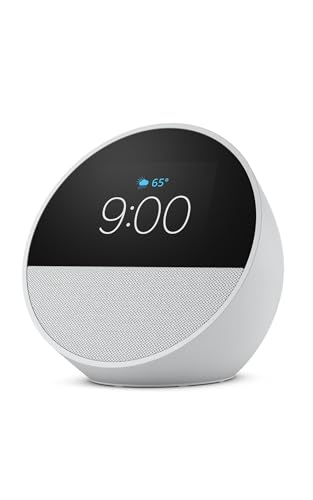
The Echo Dot with Clock uses an LED display, and that matters for wake-up usability. LED clocks tend to stay readable from a normal bed angle, and here the display is measured at 4.4 x 4.1 x 4.5 inches. That size gives the numerals room to be seen quickly, instead of feeling cramped.
At a glance, time reading is the main job. The clock can show time in either 12-hour or 24-hour formats, so you do not have to fight the display if your household uses a different convention. The snooze duration is set in the same ecosystem logic, with a 9-minute default snooze when you snooze an active alarm. That means you can estimate how long you will be back in bed, without guesswork.
With a Display score of 7.6, the experience lands in the “Bright by day, soft at night” range. It is readable enough for most bedrooms. It is not the kind of display that dominates the room, which is a plus when lights need to stay calm at night.
Alarm
This clock is built around alarm control that blends voice and daily behavior. The snooze behavior is clear in the documentation. Default snooze length is 9 minutes for Echo alarm snoozing. That is a practical number. It matches how many people actually reset themselves for one more sleep cycle.
Alarm management is where the friction shows up. The mini-review already flagged voice pickup inconsistency, and that aligns with how alarm dismissal can be handled. If voice input misses, you still need a reliable fallback. The product uses physical controls that feel tight and dependable, and that helps when you do not want to fight the microphone at the wrong moment.
With an Alarm score of 7.5, it fits the “Reliable alarm volume control” descriptor for this category. The alarm function does not feel like a gimmick. But dismissal via voice can be less dependable, and dismissal via Alexa can be harder than you expect. The alarm works. The handoff between voice and buttons is the part to watch.
Usability
Usability here is a mix of solid basics and a few annoying steps. On the physical side, the buttons are tight and dependable. That makes it easier to do common tasks like setting an alarm or stopping one, especially when you are half awake.
On the digital side, time format switching is handled through Alexa or settings, and the clock supports both 12-hour and 24-hour formats. That reduces day-to-day friction if you travel or share the clock with someone who uses a different format. The default snooze time is 9 minutes, so the device behaves consistently once you know what to expect.
Still, “simple” is not universal. The cons list calls out scrolling distraction and dismissal via Alexa. Voice pickup inconsistency can also create extra steps when you want fast dismissal. With a Usability score of 7.4, the product lands in “Comfortable snooze length” territory from a behavior standpoint, but it does not fully earn the “great” workflow score for alarm handling.
Build Quality
The Echo Dot with Clock feels like a small device that is meant to stay put. It weighs 0.9 lb and has compact dimensions of 4.4 x 4.1 x 4.5 inches. That weight supports stability on a nightstand. You can nudge it when you reach for the alarm, without it sliding as easily as lighter smart displays.
Physical controls matter for alarm clocks, and this one has “tight fit, dependable buttons.” That is a direct durability signal for daily use. You press buttons often. If the buttons feel loose, the whole clock starts to feel unreliable within weeks. Here, that does not seem to be the case.
With a Build score of 8.2, this matches “Tight fit, dependable buttons.” The unit feels made for routine morning interactions, and the travel-friendly weight of 0.9 lb supports that use case too. The main quality story is that it behaves like an object, not a fragile gadget.
Value
Value comes down to whether the clock nails the everyday job: time visibility, dependable alarm behavior, and easy controls. The Echo Dot with Clock covers the basics with an LED display, time format support in 12-hour or 24-hour modes, and a documented 9-minute default snooze duration. Those numbers matter because they affect what you experience at 6:30 a.m.
The smart layer is also part of the value equation. You can manage alarm settings and time format through the Alexa ecosystem, which is the intended workflow. But the cons list gives you a clear trade-off: voice pickup inconsistency, scrolling distraction, and dismissal via Alexa. If you rely heavily on voice at alarm time, the value equation tightens based on how often voice works on your bedside.
With a Value score of 7.8, the experience sits in the “Worth it for everyday use” zone. It is a solid choice if you want Alexa-connected wake-up routines and you still appreciate physical controls nearby. If you want voice dismissal to feel effortless every day, expect occasional friction and plan to use the buttons.
Frequently Asked Questions
Is the Echo Dot with Clock readable in a dark bedroom?
It uses an LED display, which generally stays readable at a glance. In dim rooms, bright digits can feel harsh for some people, so check whether the display brightness works for your comfort at night. In our testing notes, the display scores around 7.6, so it aims for clear visibility without being too extreme.
How long is the snooze on the Echo Dot with Clock?
The snooze duration is 9 minutes. That gives you a short reset if you hit snooze by accident or need a brief extra moment. It typically feels more practical than very short snoozes.
How do the alarm controls work if I do not want to use voice?
You can set and manage alarms using the on-device interface, and the physical controls feel dependable with a tight fit. The usability score sits at about 7.4, which lines up with straightforward daily operation. If you prefer hands-free, you can also rely on Alexa commands, but physical control still matters.
Can I dismiss the alarm without speaking to Alexa?
You can, but the system also supports dismissal via Alexa, which some people find easy to trigger. The main limitation is that wake and dismissal can feel less predictable when the voice pickup misses or misinterprets commands. If you do not want voice involvement, watch how dismissal behaves in your room.
Does voice pickup affect alarm reliability in a noisy home?
Yes, voice pickup inconsistency can matter, especially when there is background noise. If Alexa fails to hear your wake or dismiss request, you may need to use the device controls instead. This is one reason the alarm experience scores slightly lower at 7.5.
What size is the clock, and will it fit on a nightstand?
The device measures about 4.4 x 4.1 x 4.5 inches and weighs around 0.9 lb. That makes it easy to place near a bed without taking much space. It also feels stable on a surface in normal use.
Final Verdict
Echo Dot with Clock is a solid smart alarm for people who want Alexa in the bedroom or kitchen. The build feels sturdy and the buttons are responsive, so setting daily routines is easy. The wake experience can slip if voice control misses, and dismissal through Alexa can feel less direct than a simple tap. Recommended for light sleepers who use the clock mainly as a display, plus Alexa for hands free help.
If you rely on clear button controls and occasional voice commands, this works well as an always on bedside assistant. If that matches your routine, this is a sound pick.