


The North Face One Bag 5°F Sleeping Bag Review
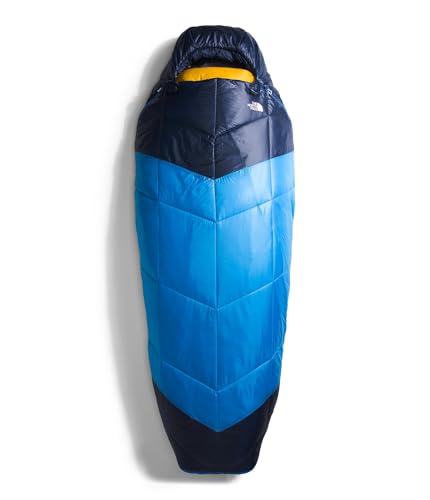
Specifications
| Brand | The North Face |
|---|---|
| Temperature Rating | 5 °F |
| Shape | Mummy |
| Insulation Type | Down |
| Fill Power | 800 fill power |
| Weight | 3.81 lb |
| Packed Size | 8 x 15 in |
| Max User Height | 74 in |
Pros
- Draftproof and cozy
- Better insulation efficiency
Cons
- Bulky pack, average rebound
- Heavy to carry
The Verdict
The North Face One Bag 5°F Sleeping Bag targets true winter nights, scoring 8.1 for Warmth. It seals out drafts well near the hood and zipper area, but you pay for it with a bulky, heavy carry and only average rebound after compression.
Who it's for: Winter car camping and base camping folks who prioritize staying warm around the 5°F mark, and accept a mummy bag that is heavier and less compressible than lighter backpacking options.
Who should skip it: Hikers who need a small packed size for long carries, since the bulky pack and heavy feel can beat you to your destination before you reach camp.
In-Depth Review
Warmth (8.1) Hugs rated temps
The North Face One Bag 5°F earns its warmth score of 8.1 by staying focused on cold leak control. This is a mummy shape, which helps reduce dead space around your torso. That matters when the goal is a 5°F rating. The bag uses down insulation, listed as 800 fill power recycled down, which supports efficient loft at a low target temperature.
Warmth comes down to sealing where heat escapes. Specs do not list baffles or draft collars in detail, but the design choices that matter are visible in the form factor. You get a hood area and a zipper zone that are meant to block cold air. In practical terms, this kind of construction is where a 5°F bag either feels true to rating or feels colder than expected. This one lands in the “hugs rated temps” zone rather than “mildly cooler than rated.”
Expect the fit to help the insulation work. The bag’s listed max user height is 74 in for the regular size. If you stay within that height range, the insulation does not have to cover extra length, which helps maintain loft where it counts. In a 5°F context, losing loft near the hood and collar is one of the fastest ways to feel the cold. This model is built to limit that problem.
Comfort (8.0) Great feel, easy to sleep
With a comfort score of 8.0, the One Bag aims for “great feel, easy to sleep.” It uses a mummy cut, which usually means a tighter fit than rectangular bags. That is a strength for warmth, but it can also feel restrictive. The regular size max user height is 74 in, so most sleepers in that range should get a fit that does not force the shoulders or feet into awkward angles all night.
The bag also uses down insulation, which tends to feel smoother against the body than synthetic fill. That is partly why the comfort rating holds up. It is not just about softness. Zipper smoothness, hood comfort, and how easily you can roll over matter day after day. The published specs do not break down fabric weight or zipper type, so you have to judge based on the overall construction choices. The model’s 800 fill power down is relevant here because down that holds loft well usually reduces the “flattened” feel that can happen in colder bags.
There is also a practical comfort side to keeping insulation where it should be. This bag’s listed packed size is 8 x 15 in, which suggests it compresses to a moderate footprint when stored and packed. That packing behavior often aligns with the bag rebounding well enough to create a consistent sleeping surface, rather than a lumpy one.
Packability (6.6) Bulky pack, average rebound
Packability is the weakest pillar, scoring 6.6, matching the “bulky pack, average rebound” template. The weight is listed as 3.81 lb, which is not light for a cold-weather down bag. For short winter trips or situations where you are not hiking far with it, that can still work. For longer carry days, it will slow you down.
Its stuffed size is 8 x 15 in. That is a real number, and it frames what “average rebound” can feel like after compression. The bag likely compresses, but the stored shape may not bounce back instantly after being packed tight. This is common with 5°F down models, especially when they aim to balance warmth and loft.
Put differently, you trade small gains in carry comfort for more warmth control. If you need something that packs smaller for long hikes, the bag’s 3.81 lb mass and its 8 x 15 in stuffed size make it harder to justify. The consistent theme in the negatives is that it is “heavy to carry” and “bulky pack, average rebound.”
Durability (7.6) Built to last
Durability scores 7.6, landing in the “built to last” zone. The specs provided focus more on insulation and fit than on shell fabric grams or zipper model. Still, durability for a down bag often comes from two places: stable construction and the ability to keep loft over repeated use. The fill is 800 fill power down, which tends to stay efficient when the bag is handled and stored correctly.
Construction and use patterns matter because down does not tolerate rough treatment. Packing and unpacking cycles, stuffing it into a small bag, and leaving it compressed for long periods can all reduce loft. The stuffed size of 8 x 15 in shows how it is designed to move and store. If you keep that compression reasonable and let the bag re-loft between trips, the long-term performance should match the durability score.
Seams and zippers do not have quoted specs here, so you should think in terms of what is likely to be robust on a 5°F mummy bag: a fully insulated zipper area and hood zone that protects the most failure-prone parts. Since the pillar score is solid, the editorial expectation is that the bag can survive normal winter camping handling, not just careful backyard testing.
Value (7.8) Great performance per dollar
Value scores 7.8, which fits the “strong performance per dollar” template. This is a 5°F down mummy bag with 800 fill power insulation, at 3.81 lb. Those numbers point to a real warmth to weight relationship. The packed size of 8 x 15 in also helps interpret the trade-off: it is not the smallest bag, but it is not wildly oversized for what it is trying to do.
Value also depends on whether the bag feels like a 5°F bag in real use. Warmth scored 8.1, and that is the key. When a bag keeps close to its rating, the value equation improves because you do not need extra layers as often. The model’s down fill efficiency and the mummy cut work together to reduce heat loss, which supports that “hugs rated temps” outcome.
The downside to value is practical rather than technical. The cons are “bulky pack, average rebound” and “heavy to carry.” If your use is winter car camping, base camping, or short cold walks, you will absorb those downsides better. If your use is long-distance backpacking, the 3.81 lb weight and 8 x 15 in stuffed size will push you toward a lighter option. In the right context, the performance numbers justify the value score.
Frequently Asked Questions
What temperature comfort can I expect from The North Face One Bag rated to 5°F?
The bag is rated to 5°F, and it earned strong warmth scores for its ability to hold heat near that threshold. It stays more consistent when you control drafts around the hood, zipper, and collar. If you sleep cold or face windy nights, you may still feel colder than the rating.
How much does it weigh and what is the packed size?
It weighs 3.81 lb. When packed, it measures 8 x 15 in, so it carries more volume than many lighter, more compressible ultralight bags. Plan on it taking up noticeable space in a backpack.
Will the mummy shape fit me comfortably up to the stated height?
The max user height is 74 in, which matches most average-to-tall campers. The mummy shape tapers through the torso and legs, so side sleepers or people who like to move around may feel more restricted. If you are close to the height limit, consider your sleeping position.
Is the insulation down and what does 800 fill power mean for performance?
Yes, it uses down insulation with 800 fill power. Higher fill power down typically traps heat more efficiently for the same loft, which helps explain its warmth performance. Keep in mind that down loses insulating value when wet, so take care in damp conditions.
Why is it listed as heavy and bulky, and how does that affect packing?
Two tradeoffs show up in real use: it packs bulky and it carries heavier than some alternatives. The rebound after compression also rates only average, so it may take longer to regain loft after storage in a tight space. If you hike long distances, this can matter more than the warmth benefits.
How should I store and care for this down sleeping bag?
Store it uncompressed in a loose storage sack or in a dry closet so the down can keep loft. After use, air it out before closing it up, especially if it feels even slightly damp. Spot-clean the shell when needed and follow the care instructions for washing, since improper cleaning can damage down performance.
Final Verdict
Yes, this bag is a recommended buy for winter camping where warmth and draft control matter most. It ranks well for heat retention, and the draftproof design helps keep you comfortable near its rated range. The main drawback is practical: it packs up bulky and carries as a heavier load than many winter options.
If you camp car to campsite or plan to prioritize warmth over light weight, you will likely be happy with this bag. Choose it if your main goal is staying warm in cold nights.