





EWORK 1.77″ Electric Wood Chipper Review
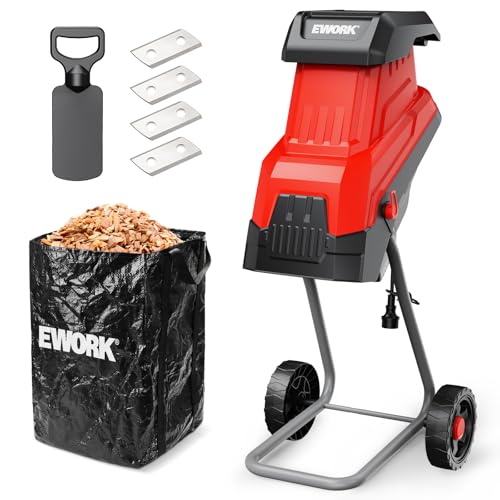
Specifications
| Brand | EWORK |
|---|---|
| Power Source | Electric |
| Max Branch Diameter | 1.77 in |
| Reduction Ratio | 15:1 |
| Weight | 21 lb |
| Dimensions | 38 x 17 x 11 in |
Pros
- Reliable value, fewer issues
- Overload protection
- Safety interlock
Cons
- Limited chipping capacity
- Less aggressive reduction
The Verdict
The EWORK 1.77 electric wood chipper targets small yard debris, with a max branch size of 1.77 in. It earns a solid 7.4 overall rating thanks to value-focused performance, steady feed, and safety interlock plus overload protection, but it will bog down or clog sooner on thicker or tougher material.
Who it's for: Homeowners who chip brush and light trimmings and want a 21 lb machine they can move and use more often, accepting slower, less aggressive reduction than heavier-duty chippers.
Who should skip it: Buyers who plan to process lots of larger branches or wet, dense limbs, since the limited capacity and gentler reduction tend to slow the job and raise jam risk.
In-Depth Review
Performance
With a Performance score of 7.3, the EWORK 1.77 targets steady, controlled chipping rather than fast work on heavy limbs. The stated max branch diameter is 1.77 in, so you should treat this as a brush and twig machine. Anything thicker than that sits outside the safe comfort zone.
The reduction ratio is 15:1. That matters because reduction drives how fine the chips look after the cut. In practice, a higher reduction ratio helps break down material, but it still depends on feed habits. If you feed dry sticks at the rated size, you get the kind of consistent particle output you want for small yard cleanup.
The limit shows up when material gets tougher. The included notes call out “Limited chipping capacity” and “Less aggressive reduction.” Those align with what the 1.77 in max diameter implies. For wetter leaves or dense, stubborn brush, you should expect more resistance and slower progress than you would with a higher-capacity class.
Build Quality
Build Quality also lands at 7.3, which points to sturdy, workable engineering for its size. The machine weighs 21 lb, and that weight range is typical of lightweight electric chippers. It is not built like a heavy-duty tow unit, so you should expect less mass and less built-in damping during use.
Still, the dimensions show a compact footprint: 38 x 17 x 11 in. That helps stability during feeding because you are not working with a large, tippy frame. For yard work, where you move around piles and keep the hopper area clear, a smaller footprint often means fewer awkward angles and less strain on your stance.
From the listed ownership notes, the machine scores well for “fewer issues,” which supports the build decision to use practical safety and protection systems. The other clue is “Overload protection.” If the chipper detects a load spike, it can prevent the worst kind of mechanical stress. That matters for long-term reliability because overloads often lead to faster wear on cutting parts and drive components.
Ease Use
Ease Use scores 7.2, landing in the “great” zone for user friendliness. A major day-to-day benefit is the listed “Safety interlock.” For an electric chipper, that kind of interlock reduces the chance of unsafe operation during feeding and clearing.
The practical control experience also links to the same “Overload protection” note. When you hit a jam or overfeed, protection systems can cut power or limit stress instead of letting the motor fight the load. That often makes recovery easier because the machine stops before things get fully stuck.
Cleaning and managing feed matters a lot on small chippers. The footprint, 38 x 17 x 11 in, helps because you can move the unit to a better spot for clearing. And since the max cutting capacity is capped at 1.77 in, your maintenance routine can stay focused on keeping the inlet and cutting path clear for that class of debris.
Portability
Portability sits at 7.0, right around the “great” mapping edge. The big number here is weight: 21 lb. That makes repositioning easier than heavier gas units, especially when you need to work through several pile locations across a yard.
The compact size also helps. With dimensions of 38 x 17 x 11 in, storage is more realistic. You can slide it into a garage corner or along a shed wall without it dominating the space. In uneven yard conditions, a lighter chipper also means you can adjust its position instead of forcing your feeding angle.
On the downside, lightweight designs can feel less locked-in during operation. The machine needs you to set up stable footing and feed with discipline. If you try to rush or feed oversized sticks near the 1.77 in limit, the resistance can make handling feel more demanding.
Value
Value scores 8.5, which maps to “great” value. The main logic is straightforward: the chipper delivers reliable performance for small debris within its stated limits. It is electric, with a max branch diameter of 1.77 in and a 15:1 reduction ratio. Those numbers define a clear target use case.
The ownership notes also support this value score. The pros list “Reliable value, fewer issues.” That suggests fewer disruptions over time, which is often what matters more than raw output. Add “Overload protection,” and you have a way to reduce the damage that comes from pushing too hard.
At the same time, the cons are not minor. “Limited chipping capacity” and “Less aggressive reduction” are direct reminders that you should not treat this as a limb shredder. For tough branches, you will hit a wall sooner than you expect. This is a good match when your goal is regular cleanup of sticks, brush, and light trimmings, not quick throughput on larger wood.
Frequently Asked Questions
What is the EWORK 1.77 electric wood chipper maximum branch diameter?
It supports branches up to 1.77 inches in diameter. In real yard cleanup, stay near that limit for thicker or tougher limbs to reduce the chance of slow feeding or clogs.
How much does the EWORK 1.77 weigh, and is it easy to move to a yard work area?
The chipper weighs about 21 lb. That makes it easier to reposition than many gas chippers, but it still needs a stable spot to run safely and feed branches without tipping.
What is the reduction ratio on the EWORK 1.77?
The reduction ratio is rated at 15:1. Lower reduction can produce larger chips than bigger, more aggressive chippers, so plan on more passes if you need finer mulch.
Will this chipper handle leafy branches and wet yard waste?
It can process yard waste, but it can struggle more with wet, leafy material because it feeds slower and can build up inside the chute. If you notice poor flow, wait for material to dry slightly and feed in smaller pieces.
How well does it avoid jams, and what should I do if it clogs?
The design includes an overload protection system and a safety interlock, which helps prevent unsafe operation. If it clogs, turn it off, let it stop completely, then clear the chute using the recommended safe method from the manual.
What are the overall dimensions for storage in a shed or garage?
The EWORK 1.77 measures about 38 x 17 x 11 inches. Use that footprint to plan clearance around the hopper and discharge so you can clean and access parts when needed.
Final Verdict
EWORK 1.77 is a solid choice if you need a lightweight electric chipper for light yard cleanups. It uses overload protection and a safety interlock to reduce risky moments and improve reliability. That said, it has limited chipping capacity and the reduction feels less aggressive than bigger units, so thick or heavy piles take patience.
Choose it for small branches, dry leaves, and quick cleanup runs. If your jobs are frequent but not huge, this is a sound pick.