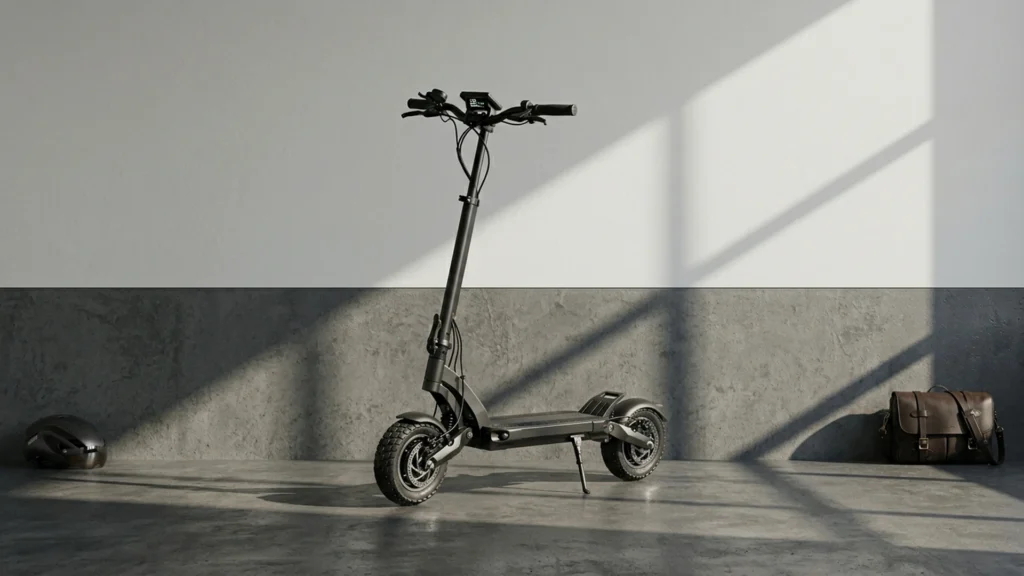
In this guide, 1000W motor electric scooters are the models built for stronger acceleration and better hill climbing than lower-power options. Buyers in this sub-category usually want a smoother ride at commuting speeds, enough braking confidence for stop and go traffic, and power that holds up as the battery drops.
The hard part is trade-offs. More motor power can mean heavier scooters and bulkier folding for transit. Battery size and efficiency decide whether that 1000W feels fast for the full trip or only at the start. Suspension, tires, and braking matter too, because a powerful motor does not fix poor stability or weak stopping.
Use these criteria to narrow down the top choices in the 1000W class, then compare the shortlist against your route needs. Looking for all types? See our Best Electric Scooters.
Quick Overview
Our Top Picks
#1. NAVEE ST3 Electric Scooter

Specifications
| Brand | NAVEE |
|---|---|
| Motor Power | 1000 W |
| Top Speed | 25 mph |
| Range | 37.5 mi |
| Charge Time | 3 hr |
| Weight | 52 lb |
| Max Load | 265 lb |
| Tire Size | 10 in |
Pros
- Stable at commuting speeds
- Long daily range
- Strong motor output
Cons
- Bulky when lifting upstairs
This 1000W class scooter stands out for commuting confidence. The NAVEE ST3 feels stable at typical riding speeds, and its motor output holds up over real trips. With a 37.5 mi range and a 25 mph top speed, it works well for longer daily routes without constant charging stops.
The main trade-off is the 52 lb weight. Lifting it into an apartment or up stairs is not fun. If you can park it on the ground level or you only move it short distances, the ride comfort and braking feel are a big win in this sub-category.
#2. Segway Ninebot Max G2 Electric Scooter

Specifications
| Brand | Segway |
|---|---|
| Motor Power | 1000 W |
| Top Speed | 22 mph |
| Range | 43 mi |
| Charge Time | 6 hr |
| Tire Size | 10 in |
Pros
- Stable at commuting speeds
- Long daily range
- Great visibility and control
Cons
- Bulky when lifting upstairs
- Bearing wear
- Battery dip performance
With a 1000 W motor, this scooter sits near the top of what many riders expect for everyday speed and hill duty. It feels stable at commuting speeds, and the 43 mi range supports long rides without constant charging stops. Braking and lighting help the ride feel controlled, especially when visibility drops at dusk or early morning.
The main trade-off is practical. It is bulky when lifting upstairs, and some owners report bearing wear over time. You can also feel some battery dip performance as charge drops, so for steep routes or full-speed riding, plan for a shorter usable range than the headline number. Best fit: riders who want dependable daily commuting power and predictable handling, and are willing to manage maintenance and storage weight.
#3. isinwheel S9 Pro Electric Scooter

Specifications
| Brand | isinwheel |
|---|---|
| Motor Power | 1000 W |
| Top Speed | 28 mph |
| Range | 38 mi |
| Battery Capacity | 13 Ah |
| Charge Time | 5 hr |
| Max Load | 264 lb |
| Tire Size | 10 in |
Pros
- Long daily range
- Strong motor output
- More stable ride
Cons
- Not road-approved
- Bulky when lifting upstairs
The isinwheel S9 Pro stands out among 1000W motor electric scooters for its everyday mix of power and real-world mileage. With a 1000 W motor, a 38 mi range, and a 28 mph top speed, it feels built for longer rides without constant throttle babysitting. Riders also tend to note a more stable feel, which matters when you are using a stronger motor on varied pavement and commuting speeds.
The main trade-off is practicality. It is not road-approved, so you need to plan for private roads or local rules. It also feels bulky when you lift it upstairs, even if the ride stays controlled. This makes it a better pick for riders who value strong daily range and stable handling, rather than someone who needs light, transit-friendly portability.
What to Look For
Performance under load: Treat 1000W as the starting point, not the finish line. Check how well the scooter keeps speed on inclines and whether it stays responsive when the battery level falls.
Braking and stability: Look for confident stops and predictable control at typical commuting speed. Strong traction matters, especially on damp pavement, wet leaves, or painted road markings.
Ride quality for rough streets: Prioritize stability and comfort from tire grip and suspension. Small bumps should not kick the bars or make the scooter feel loose.
Portability for daily use: Even if it is powerful, you still need to carry it. Check the weight and folding practicality for office elevators, bus racks, and stairways.
Value at the 1000W power level: Compare what you get for the money, including power delivery, comfort, and long-term dependability. A lower price can still win if it matches your range needs and feels solid to ride.
How We Picked
Products were identified through broad research across review sites and buyer forums, then filtered to only those that qualify as 1000W Motor Electric Scooters.
Scoring used the same objective pillar framework as the main Electric Scooters post, allowing direct comparison of products within this sub-category. Performance, ride quality, portability, build quality, safety, and value each influenced the final ranking, so the results reflect how these scooters behave for real commuting, not just spec sheets.
Frequently Asked Questions
What does a 1000W motor usually mean for real riding?
A 1000W motor is built for stronger acceleration and steadier speed on hills. You usually feel the difference when you start from a stop or climb grades. It can also hold speed better as the battery drops, but tire grip and rider weight still matter.
Will a 1000W electric scooter handle my weight and daily commutes?
Check the max load rating before you buy. Many 1000W class scooters target riders around 220 lb, but it varies by model. If you carry more weight or ride steep routes often, you may see lower range than the best case numbers.
How should I care for a 1000W scooter to keep it running well?
Keep the tires properly inflated for better grip and less strain on the motor. Rinse off dirt after wet rides, and dry the scooter before charging. Also check brake feel and wheel alignment regularly, especially if you ride over bumps.
How do 1000W motor scooters differ from lower watt scooters?
Higher watt scooters tend to feel faster and more confident on hills. They often keep speed better under load, like riding with a heavier rider or a backpack. The tradeoff is that they can cost more and may add some weight for sturdier parts.
When should I choose a different type of electric scooter instead of 1000W?
Choose a lighter commuter scooter if you need easy lifting, like up stairs or onto transit. Choose a larger wheel or dual suspension model if your roads are rough and you want more comfort. If you mainly ride flat routes, you may not need this much power.


