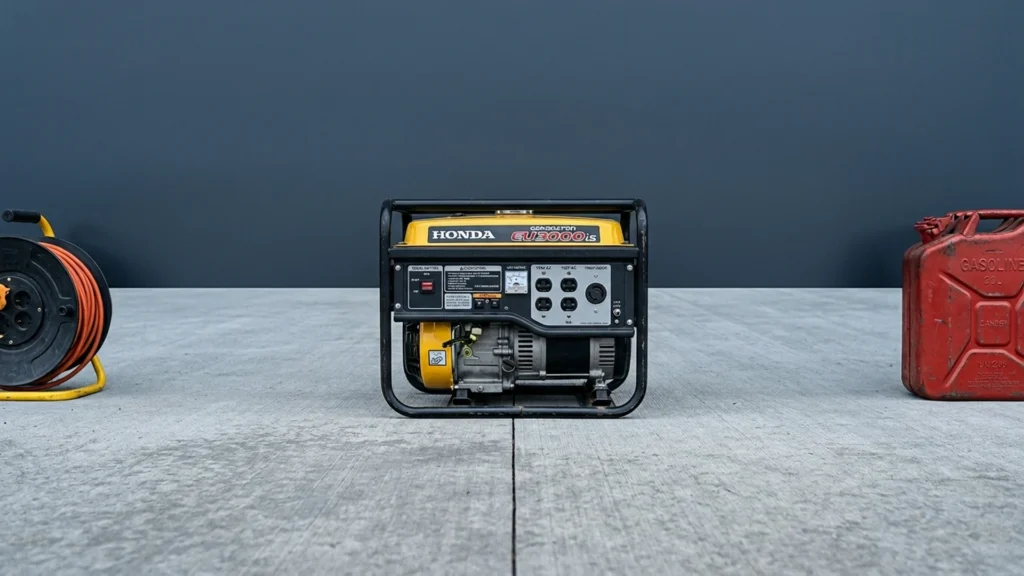
Gasoline outdoor generators run on regular gasoline and are built for open-air use where you need power fast. Buyers in this sub-category care most about usable watts for real devices like refrigerators, well pumps, power tools, and RV essentials. They also want steady power so chargers, electronics, and motor loads do not trip the generator.
The hard part is trade-offs. In this category, higher wattage usually means louder operation and more fuel burn. Inverter models tend to handle sensitive electronics better, but they may cost more for the same raw output. Conventional open-frame style units can feel tougher per dollar, but voltage swings during startup loads are a common complaint.
To match the right generator to your exact load, use the criteria in this guide and compare units at the same starting and running watt levels. Looking for all types? See our Best Outdoor Generators.
Quick Overview
Our Top Picks
#1. Honda 664250 2200W Inverter Generator

Specifications
| Brand | Honda |
|---|---|
| Generator Type | Inverter |
| Fuel Type | Gasoline |
| Starting Wattage | 2200 W |
| Fuel Tank Capacity | 0.95 gal |
| Noise Level | 48 to 57 dB |
| Weight | 51 lb |
Pros
- Strong surge, steady output
- Inverter efficiency
- Reliable performance for price
Cons
- Small fuel capacity
- Limited fuel flexibility
This Honda 2200W inverter generator stands out in gasoline outdoor generator setups because it delivers clean, stable power for everyday gear, not just raw wattage. The surge handling is strong enough for starting loads, while the inverter design keeps output steady for sensitive electronics like laptops, Wi-Fi gear, and modern chargers. Owners also tend to like how smooth it runs in real conditions, and the published noise range of 48 to 57 dB makes it more neighbor-friendly for camping or a driveway backup.
The main trade-off is run time between refuels. With a 0.95 gal tank, you are less flexible for all-day jobs or long outages, and you will likely plan your fuel stops. It is best for short-to-medium needs like running lights, a fridge, charging devices, or light jobsite tools, where stable inverter power matters more than long duration.
#2. Aceup Energy AI4000s 4000W Inverter Generator

Specifications
| Brand | Aceup Energy |
|---|---|
| Generator Type | Inverter |
| Fuel Type | Gasoline |
| Running Wattage | 3200 W |
| Runtime 50 Load | 5 h |
| Fuel Tank Capacity | 1.32 gal |
| Noise Level | 60 dB |
| Weight | 48 lb |
Pros
- Reliable performance for price
- Inverter efficiency
- Low noise level
Cons
- Limited fuel flexibility
- Short runtime
- Small fuel capacity
The Aceup Energy AI4000s stands out in the gasoline outdoor generator category for its inverter style power and easy living with quieter operation. At 60 dB and 3200 W running output, it is a better match for camping, a worksite office, or an RV setup than louder open-frame models. Inverter power also helps with sensitive electronics like laptops, TVs, and chargers, since voltage stays steadier when loads change. Owners who need everyday backup power for tools and home essentials tend to like how it runs without drama when appliances kick on.
The main trade-off is time and fuel flexibility. With a 1.32 gal tank and about 5 h at 50% load, plan on more frequent refueling during longer outages or heavy tool use. It also stays in the gasoline lane only, so you cannot switch to propane or natural gas for longer stretches. This is a strong pick for people who want quiet, clean portable power, but do not want to manage a small tank for multi-day needs.
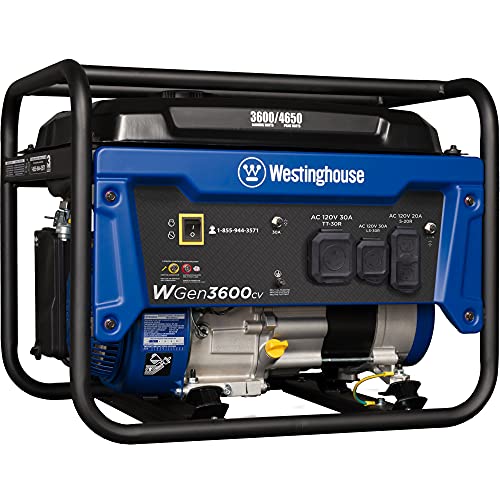
#3. Westinghouse WGen3600cv 4650W Portable Generator

Specifications
| Brand | Westinghouse |
|---|---|
| Generator Type | Conventional |
| Fuel Type | Gasoline |
| Running Wattage | 3600 W |
| Starting Wattage | 4650 W |
| Runtime 50 Load | 14 h |
| Fuel Tank Capacity | 4 gal |
| Weight | 100.6 lb |
Pros
- Reliable performance for price
- Long runtime
- Large fuel capacity
Cons
- Heavy and bulky
- Less portable design
- Recoil start hassle
The Westinghouse WGen3600cv stands out in the gasoline outdoor generator category for its simple, dependable power for a worksite or home backup feel. With 3600 W running output and 4650 W starting power, it handles common start-up loads better than many units in this size class. It also claims a 14 h runtime at 50 percent load thanks to a 4 gal tank, which is a big deal when you want steady coverage for tools, lights, and a fridge without constant refueling.
The trade-off is mobility. At 100.6 lb, it is not a grab-and-go option for frequent moving around a yard or campsite. Expect recoil starting to take effort, and the overall design is less “portable” than smaller or inverter-style models. This one fits best when you plan to keep the generator in one place and use it for longer sessions outdoors.
#4. Westinghouse WGen3600c 4650W Portable Generator

Specifications
| Brand | Westinghouse |
|---|---|
| Generator Type | Conventional |
| Fuel Type | Gasoline |
| Running Wattage | 3600 W |
| Starting Wattage | 4650 W |
| Fuel Tank Capacity | 4 gal |
| Noise Level | 68 dBA |
| Weight | 106.1 lb |
Pros
- Reliable performance for price
- Large fuel capacity
- Covered outlets safety
Cons
- Rattling under load
- Remote-start limitation
- Heavy and bulky
For people shopping in the gasoline outdoor generator space, this Westinghouse stands out for its straightforward power rating and practical runtime planning. At 3600 W running and 4650 W starting, it is a good fit for common outdoor and jobsite needs like power tools, pumps, and RV essentials. The 4 gal tank also helps with longer run sessions, so you are not stopping as often to refuel during extended outages or weekend use. Covered outlets add peace of mind when you need to run in damp or messy conditions.
The main trade-off is how it feels to live with. It weighs 106.1 lb, so moving it takes effort, even with the usual portable handling. Some owners report rattling under load, and remote start is not the full solution if you want control from a distance. This model fits best for buyers who want reliable gas power and have a place to store a heavier unit.
#5. Pulsar G2319N 2300W Inverter Generator

Specifications
| Brand | Pulsar |
|---|---|
| Generator Type | Inverter |
| Fuel Type | Gasoline |
| Running Wattage | 1800 W |
| Starting Wattage | 2300 W |
| Runtime 50 Load | 4.8 h |
| Fuel Tank Capacity | 1.18 gal |
| Noise Level | 59 dB |
| Weight | 47 lb |
Pros
- Reliable performance for price
- Inverter efficiency
- Stable sine output
Cons
- Low continuous output
- Short runtime
- Small fuel capacity
This Pulsar G2319N stands out because it is an inverter gasoline generator that keeps power steadier for sensitive electronics. With a 2300 W surge and 1800 W running output, it is a good fit for day to day outdoor needs like powering a fridge, charging stations, or running jobsite tools. Owners also tend to like the clean sine output, which helps when you plug in devices that do not tolerate rough power.
The main trade-off is runtime and continuous power limits. At about 4.8 h on a 50% load and a 1.18 gal tank, you will refuel sooner than bigger models. It also has low continuous output, so running several high draw items at the same time can push it past what the generator can handle comfortably.
#6. AIVOLT VS1400101 4300W Inverter Generator

Specifications
| Brand | AIVOLT |
|---|---|
| Generator Type | Inverter |
| Fuel Type | Gasoline |
| Running Wattage | 3450 W |
| Starting Wattage | 4300 W |
| Fuel Tank Capacity | 0.66 gal |
| Noise Level | 60 dB |
| Weight | 50.7 lb |
Pros
- Reliable performance for price
- Low, non-intrusive hum
- Inverter efficiency
Cons
- Adequate but fuel-hungry
- Small fuel capacity
- Some flimsy fit and finish
This AIVOLT inverter generator stands out in the gasoline outdoor generator crowd for its quiet 60 dB operation and smooth, clean inverter output. With 3450 W running power and 4300 W starting power, it is a solid match for powering common outdoor needs like RV circuits, jobsite tools, and home essentials during an outage. Owners tend to report a steady feel when starting typical loads, and its inverter-style efficiency helps it run without sounding harsh.
The main trade-off is endurance. The 0.66 gal fuel tank is small, so runtime can fall sooner than you would want for long stretches, especially under heavier loads. Build and fit and finish also feel a bit light at points, which makes it a better pick for occasional outdoor use than for heavy, daily service. If you want quiet inverter power for camping, tailgates, or short backup runs, this one fits well.
#7. Generac G0076905 6500W Portable Generator

Specifications
| Brand | Generac |
|---|---|
| Fuel Type | Gasoline |
| Runtime 50 Load | 10.5 h |
| Fuel Tank Capacity | 10.5 gal |
Pros
- PowerRush starting boost
- Covered outlet protection
- Fuel gauge convenience
Cons
- Adequate but fuel-hungry
- Noticeable engine growl
- No dB noise rating
The Generac G0076905 stands out in the gasoline outdoor generator crowd for its electric starting convenience paired with PowerRush starting boost. That matters when you are trying to bring a fridge, well pump, or power tool online during an outage or at a job site. In this class, that mix of start help and usable 6500W output is a practical fit for running home essentials or managing moderate workshop loads.
The main trade-off is fuel use and noise. It is rated around 10.5 hours at 50% load on a 10.5 gal tank, so plan on refueling if you are running near higher loads. Owners also report a noticeable engine growl, and there is no clear dB noise rating to judge before buying. Choose it if you want straightforward day to day operation and you can tolerate the sound and fuel burn.
What to Look For
Starting wattage for motor loads: Check starting watts, not just running watts. Refrigerators, microwaves with clocks, sump pumps, and many power tools demand a surge. Pick a generator whose starting watts comfortably cover your highest startup load.
Running wattage for steady day-to-day power: Use running watts at normal load to size your plan. If your setup runs mostly all day, running power matters more than peak wattage. Stay under the generator capacity to avoid bogging down when the tank gets low.
Runtime at 50% load: Compare runtime specifically at 50% load so you know what to expect during typical use. This is where many users live, like running lights, a fridge, and charging devices together. Short runtime forces more refueling, which can interrupt outages and trips.
Fuel tank capacity for fewer refuels: A larger tank can mean longer sessions between stops. But do not treat tank size as a guarantee. Pair tank capacity with the runtime at 50% load so you can predict real endurance for gasoline outdoor use.
Noise level and practical weight: If you will camp or run near neighbors, noise level affects whether you will actually want the generator on. For movement, weight matters too. A lighter unit with wheels and handles is easier to position for safe outdoor operation.
How We Picked
Products were identified through broad research across review sites and buyer forums, then filtered to only those that qualify as Gasoline Outdoor Generators. The final list focuses on gasoline-powered portable units that buyers typically use for outages, RV backup, and outdoor job sites.
Scoring used the same objective pillar framework as the main Outdoor Generators post, allowing direct comparison of products within this sub-category. Performance weighed handling of startup loads and stable output, then build quality, usability, noise, and value. The result ranks models based on how they should feel in real use, not just their headline watt numbers.
Frequently Asked Questions
What size gasoline generator do I need for camping and RV essentials?
Start by listing the items you will run at the same time, like lights, a fridge, and a microwave. Add up their running watts, then plan for surge when motors start. For many RV loads, a 2000 to 4000W class unit covers common needs if you manage the start-up order. If you run power tools or multiple appliances together, you usually need higher wattage.
How do inverter and conventional gasoline outdoor generators differ in daily use?
Inverter models tend to provide cleaner power for sensitive electronics. Many also run at lower engine speed when demand drops, which can improve fuel use and reduce noise. Conventional models can cost less but may not be as friendly for TVs, computers, or phone chargers. Pick inverter if you care most about stable power for electronics.
How should I store and maintain a gasoline outdoor generator between uses?
Use fresh gasoline and keep fuel in approved containers. Check the oil level before each use and change oil on the schedule in the manual. Run the generator under a small load for a short time to help the engine stay healthy. Store it in a dry, covered area and let it cool fully before you pack it away.
When should I choose natural gas or dual fuel instead of gasoline?
Choose natural gas or dual fuel when you want longer run times during outages. It helps if you already have a gas line or can refill propane easily. Gasoline is simple and widely available, but it can go stale and needs more careful storage. Dual fuel can reduce downtime while still giving you flexibility when gas supply is limited.
How do gasoline outdoor generators compare to other outdoor generator types for noise and run time?
Gasoline inverter units often feel quieter because they adjust engine speed to your load. They also can stretch runtime by running efficiently at half load. Some other types can run longer with the right fuel setup, but they may require special connections or fuel sourcing. If noise matters near neighbors or campsites, inverter gasoline is often the best starting point.


