




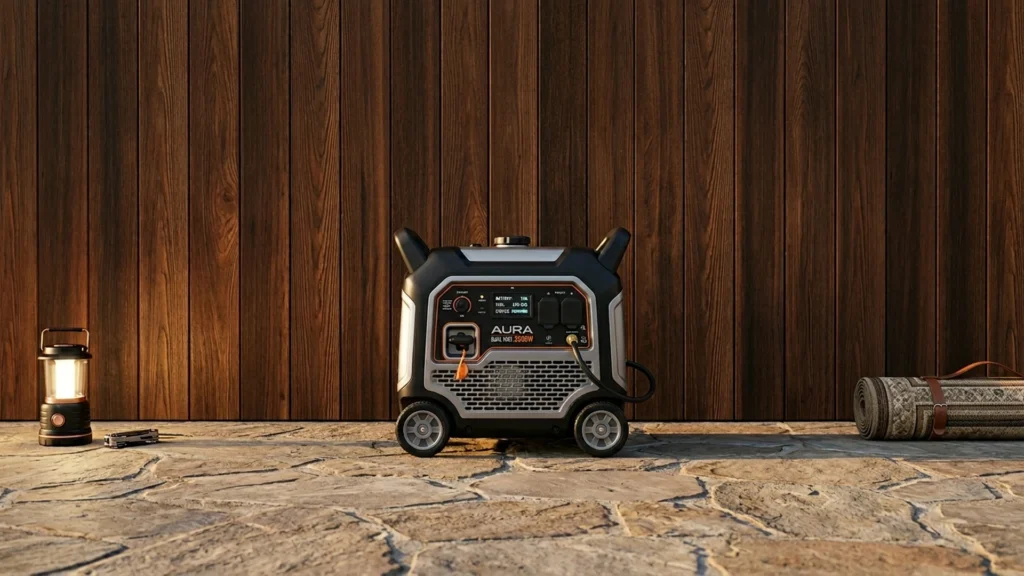
Outdoor generators with dual fuel run on two common energy sources: gasoline and propane. For buyers, the key need is flexible backup power for things like jobsite tools, RV hookups, and home essentials during outages. This category also helps when you expect longer stretches without easy access to one fuel.
Choosing the right unit is hard because dual fuel often adds trade-offs. You need enough running and surge watts for motor starts, plus stable voltage for sensitive electronics. You also have to compare noise, portability, and real runtime at typical loads, not just the max watt number.
Use the criteria below to narrow the list to models that match your appliances and your setup. Looking for all types? See our Best Outdoor Generators.
Quick Overview
Our Top Picks
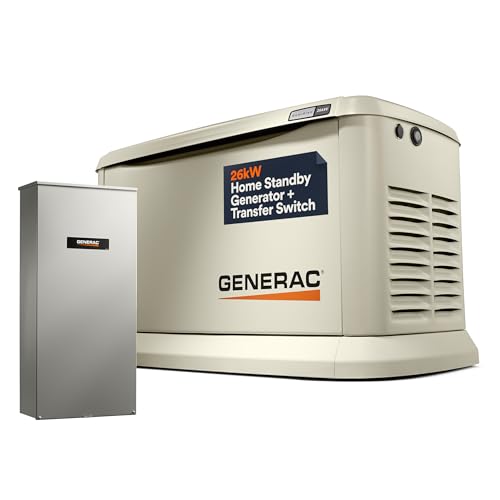
#1. Generac 7291 26kW Home Standby Generator
Specifications
| Brand | Generac |
|---|---|
| Generator Type | Standby |
| Fuel Type | Dual Fuel |
| Weight | 518 lb |
Pros
- Strong surge, steady output
- Flexible fuel options
- Wi-Fi alerting
Cons
- Heavy and bulky
- Less portable design
This Generac 7291 is a standout pick for outdoor home backup because it combines high standby power with dual-fuel flexibility. In real outages, that matters. You can switch between propane and gasoline when one fuel gets harder to find. Owners also tend to like the strong surge and steady running output, which helps when your refrigerator, sump pump, or other essentials kick on at the same time. A bonus for preparedness-minded buyers is the Wi-Fi alerting, which helps you notice faults or loss of power without waiting for a trip outside.
The main trade-off is size and weight. At 518 lb, this is not a generator you move often or treat like a portable unit. It fits best for a fixed outdoor installation at a home, not for frequent transport to jobsites or weekend trips. If you want dual-fuel convenience for standby coverage and dependable appliance starts, it is a strong match.
#2. DuroMax XP13000EH 13000W Dual Fuel Portable Generator

Specifications
| Brand | DuroMax |
|---|---|
| Generator Type | Dual Fuel |
| Fuel Type | Dual Fuel |
| Running Wattage | 13000 W |
| Starting Wattage | 13000 W |
| Noise Level | 74 dB |
| Weight | 234 lb |
Pros
- Strong surge, steady output
- Inverter efficiency
- Flexible fuel options
Cons
- Weak starting surge
- Loud in operation
- Heavy and bulky
This generator stands out in the dual fuel crowd because it delivers strong surge and steady inverter-style output for a 13,000 W class unit. It is designed for real start-up loads like RV accessories, jobsite tools, and home essentials during outages, and users tend to like how stable it stays once the motor loads settle. The dual fuel approach also matters here since you can switch between gasoline and propane when one fuel runs out or when temps change.
The trade-off is that it can be less friendly for daily use outdoors. Starting surge is not always as quick as you want, and it is loud in operation at about 74 dB. It is also heavy at 234 lb, so this is better for people who plan transport less often, like RV owners and backup-power households, rather than campers who want something easy to move every trip.
#3. WEN DF480iX 4800W Inverter Generator

Specifications
| Brand | WEN |
|---|---|
| Generator Type | Inverter |
| Fuel Type | Dual Fuel |
| Running Wattage | 4000 W |
| Starting Wattage | 4800 W |
| Runtime 50 Load | 7 h |
| Fuel Tank Capacity | 1.9 gal |
| Weight | 78.5 lb |
Pros
- High continuous output
- Inverter efficiency
- Reliable performance for price
Cons
- Small fuel capacity
- Propane power drop
The WEN DF480iX is a dual-fuel inverter generator that stands out for usable power and good real-world stability. It runs at 4000 W and can surge to 4800 W, which helps when starting saws, fridges, or RV A/C. Inverter power also keeps voltage steadier than many standard open-frame models, so sensitive electronics are less likely to feel the swings during load changes.
The main trade-off is practical fuel time. With a 1.9 gal tank, it runs about 7 h at 50% load, so longer outages or all-day job sites may mean frequent refueling. Also, propane can mean a power drop compared to gas, so this is best for users who plan loads around the lower propane output and want the flexibility of switching fuels when one source is inconvenient.
#4. DuroMax XP12000EH 12000W Dual Fuel Portable Generator

Specifications
| Brand | DuroMax |
|---|---|
| Generator Type | Dual Fuel |
| Fuel Type | Dual Fuel |
| Running Wattage | 9500 W |
| Weight | 224 lb |
Pros
- Strong surge, steady output
- Inverter efficiency
- Flexible fuel options
Cons
- Fiddly refueling and access
- Noticeable engine growl
- Heavy and bulky
The DuroMax XP12000EH stands out in dual-fuel outdoor generator shopping because it pairs big power with inverter-style efficiency. In real use, that means strong surge when appliances start and steadier running for things like RV loads, jobsite tools, or key home circuits during outages. Owners also tend to like the flexibility of switching between gasoline and propane when you are planning for different trip lengths or storage needs.
The main downside is day-to-day convenience. Refueling can feel fiddly, and it is heavy at 224 lb, so it is not ideal for frequent moving between campsites. Expect noticeable engine growl during operation, so it is better for driveway or RV use where sound is less of an issue than for quiet camping. If you want dual-fuel flexibility and high usable watts more than effortless handling, this model fits well.
#5. Pulsar PGDA70BiSCO 7250W Inverter Generator

Specifications
| Brand | Pulsar |
|---|---|
| Generator Type | Inverter |
| Fuel Type | Dual Fuel |
| Running Wattage | 6000 W |
| Starting Wattage | 7250 W |
| Fuel Tank Capacity | 3.6 gal |
| Noise Level | 62 dB |
| Weight | 118 lb |
Pros
- High continuous output
- Inverter efficiency
- Controls feel intuitive
Cons
- Some flimsy fit and finish
- Heavy and bulky
The Pulsar PGDA70BiSCO is a notable pick in the Outdoor Generators with Dual Fuel category because it targets higher real-world power needs with a 6000 W running output and 7250 W starting surge. That makes it easier to run more than the basics when you are off-grid or covering home essentials. The inverter design also helps keep power steadier for sensitive electronics, and the controls are straightforward enough for repeat use during storms or camping. At 62 dB, it is not silent, but it should feel reasonable for most outdoor setups.
The trade-off is practical, not theoretical. At 118 lb and with some flimsy fit and finish, it is harder to move and less forgiving if you expect a tank-like build. This generator fits best for people who wheel it into place once, then run it for the long haul on either gasoline or propane. If you need something light for frequent carry, look elsewhere.
#6. WEN DF360iX 3600W Inverter Generator

Specifications
| Brand | WEN |
|---|---|
| Generator Type | Dual Fuel |
| Fuel Type | Dual Fuel |
| Running Wattage | 2900 W |
| Starting Wattage | 3600 W |
| Noise Level | 65 dB |
| Weight | 49 lb |
Pros
- CO shutoff safety
- Inverter efficiency
- Flexible fuel options
Cons
- Limited home-backup headroom
- Adequate but fuel-hungry
- Missing runtime transparency
The WEN DF360iX stands out in the dual fuel generator crowd because it mixes inverter-style power with the flexibility to run on either gasoline or propane. The inverter approach helps keep output steady for sensitive electronics, and the CO shutoff adds a safety layer for outdoor use. It is also not too hard to live with day to day, since the layout and controls are simple enough for occasional emergency use.
The trade-off is power headroom. At 2900 W running and 3600 W starting, it can cover essentials, but it may feel tight for larger home backup loads. It is also described as adequate but fuel hungry, and some buyers want more runtime clarity before they plan a long outage. This is best for camping, job sites, or powering a focused set of appliances where dual fuel flexibility matters more than big whole-home coverage.
#7. Westinghouse WGen10500DFc 13500W Home Backup Generator

Specifications
| Brand | Westinghouse |
|---|---|
| Generator Type | Dual Fuel |
| Fuel Type | Dual Fuel |
| Running Wattage | 10500 W |
| Starting Wattage | 13500 W |
| Fuel Tank Capacity | 9.5 gal |
| Weight | 230 lb |
Pros
- CO shutdown safety
- High continuous output
- Inverter efficiency
Cons
- Noticeable engine growl
- Heavy and bulky
The Westinghouse WGen10500DFc stands out in the outdoor dual-fuel generator group because it pairs inverter-style power with a big home-backup output. With 10500W running and 13500W starting, it is built for real load spikes, like well pumps, fridges, and other tools around the property. The unit also has CO shutdown safety, which matters when you are running it outdoors for hours during outages. In daily use, owners tend to like the stable output for an appliance-heavy backup setup.
The trade-off is how it feels to live with. Expect a noticeable engine growl, so it is not ideal for quiet camp or close-to-neighbor use. It is also heavy at about 230 lb, so rolling it into place takes effort. This model fits best for homeowners who want dual-fuel flexibility and strong start-up power more than they care about low noise or easy moving.
#8. Generac 8944 3800W Inverter Generator

Specifications
| Brand | Generac |
|---|---|
| Generator Type | Inverter |
| Fuel Type | Dual Fuel |
| Running Wattage | 3000 W |
| Starting Wattage | 3800 W |
| Runtime 50 Load | 13 h |
| Weight | 107 lb |
Pros
- Inverter efficiency
- Flexible fuel options
- Long runtime
Cons
- Heavy and bulky
This Generac inverter generator stands out in outdoor dual fuel setups because it mixes inverter-style clean power with flexible fuel choice. With 3000 W running and 3800 W starting output, it is a practical match for typical camping and storm-day loads, from RV outlets to a fridge, lights, and charging gear. The 13 h runtime at 50% load helps it stretch fuel during longer outages, which matters more when you are relying on propane or gasoline in the field.
The main trade-off is mobility. At 107 lb, it is not the kind of dual fuel generator you casually move between campsites or around the driveway. This is better for fixed outdoor use where you can wheel it into place once, then run it while you manage loads with care.
What to Look For
Running and starting watts for real loads: Check running wattage for what you run at once, and starting wattage for items with motors, like refrigerators, well pumps, and power tools. Dual fuel does not change the physics of startup loads, so oversizing for surge matters.
Fuel choice that fits your outage or trip: Gasoline tends to be easier to find and quick to refuel. Propane can store longer and may run cleaner, but you need a compatible connection and a propane source plan. Pick based on how you will actually use the generator.
Runtime at 50 percent load: Compare runtime at a moderate load. Most owners do not run at full output. If a generator burns through fuel fast at 50 percent, it will feel unreliable during extended use.
Noise level for where you will run it: Outdoor does not always mean far from people. Look for lower dB readings and reviews that describe smooth operation with less harsh sound. If you plan RV use or neighborhood backup, noise becomes a deciding factor.
Weight and transport reality: Dual fuel portable models can get heavy once you factor in wheels, handles, and fuel. Confirm the weight you will move safely. For home backup units, confirm the practicality of installation and access for service.
How We Picked
Products were identified through broad research across review sites and buyer forums, then filtered to only those that qualify as Outdoor Generators with Dual Fuel.
Scoring used the same objective pillar framework as the main Outdoor Generators post, allowing direct comparison of products within this sub-category.
Frequently Asked Questions
What can a dual fuel generator actually power at the same time?
It depends on both running watts and starting watts. Dual fuel models usually handle basics like lights, a fridge, and a few outlets well. If you run a microwave, well pump, or air conditioner, check starting watts first. Spread high start loads across outlets or run them one at a time.
Is dual fuel better for outdoor use than using only gasoline?
Often, yes. Propane can be easier to store for longer periods than gasoline. It also tends to help with fewer storage issues during seasonal use. You still should follow the manual for switching fuels and proper warm up.
How do I switch between gasoline and propane safely?
Turn off or unplug loads before switching. Let the generator run briefly on the current fuel, then switch according to the labeled fuel valve or selector. Never add fuel while the generator runs unless the manual explicitly allows it. Keep the area outdoors and well ventilated.
Do dual fuel generators need different maintenance than single fuel models?
The steps are similar, but fuel handling changes. For gasoline, you must use fresh fuel or a stabilizer and avoid long storage. For propane, check connections and keep hoses protected from weather. In both cases, follow the oil change schedule and inspect air filters.
When should I choose a different type of outdoor generator instead of dual fuel?
Choose a standby generator if you want automatic whole-home backup. Choose a single fuel portable generator if you mainly use it for short trips and want the simplest setup. Dual fuel shines when you want flexible fuel options and longer storage without relying on gasoline. If noise is your top concern, look closely at inverter models and their reported dB level.
How do dual fuel generators compare to inverter generators for quiet power?
Many dual fuel units are inverter generators, which usually run quieter and produce cleaner power. Non-inverter models can be louder and may struggle more with sensitive electronics. If you plan to run laptops, TVs, or chargers, prioritize inverter output and stable voltage. Always check for a low noise rating and reviews about smooth operation under load.


