




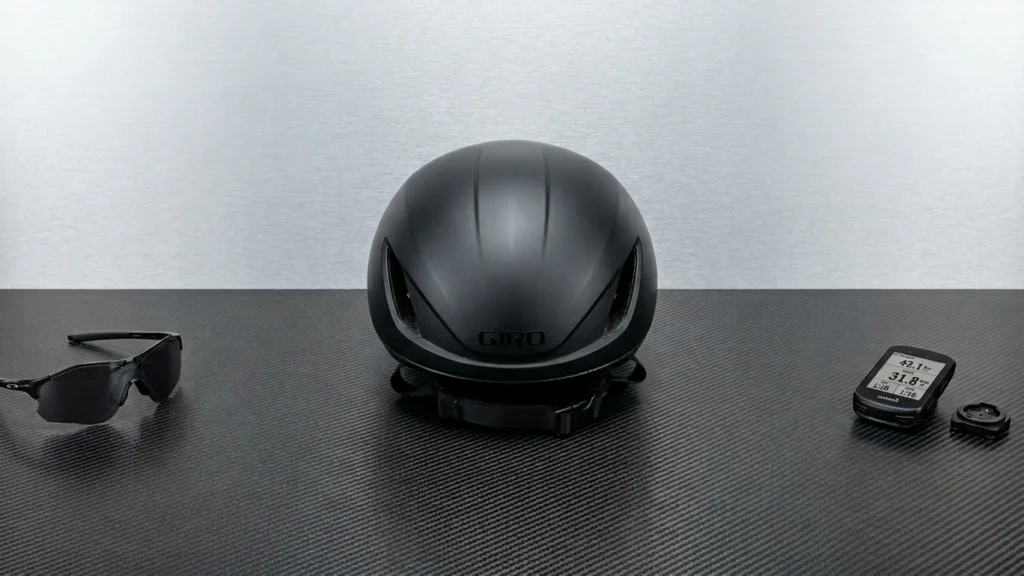
Spherical bike helmets use a head-encompassing, ball-like impact design to spread crash forces over more of the helmet area. For buyers, the key job is simple: find a model that stays secure, feels comfortable, and meets the safety standards that matter to cyclists.
Choosing one is harder than it looks. Spherical helmets often trade more coverage for weight and head space. Some also feel hotter, depending on vent design and how the padding sits against your forehead and temples.
If you want guidance across more helmet types beyond spherical designs, Looking for all types? See our Best Bike Helmets.
Quick Overview
Our Top Picks
#1. Giro Aries Spherical Bike Helmet

Specifications
| Brand | Giro |
|---|---|
| Impact Protection System | MIPS |
| Construction | In-Mold |
| Fit System | Roc Loc 5+ Air |
| Size | M |
| Vents | 24 vents |
| Weight | 0.6 oz |
Pros
- Advanced rotation protection
- Secure with smooth tuning
- High-vent design
Cons
- No recognized certification
- Heavy helmet
Giro Aries stands out in the spherical bike helmet conversation because it pairs a strong rotational protection setup, MIPS, with a dialed-in Roc Loc 5+ Air fit system. It is an in-mold helmet with 24 vents, so it keeps the “safety first” focus without turning into a bulky heat trap. The result is a helmet that feels stable during movement, which matters on spherical and performance-focused riding where head position can change fast.
The main trade-off is that it comes without a recognized safety certification listed, and it also feels heavier than you might expect for a ventilation-led design. This makes it a better pick for riders who prioritize rotation protection and long-ride comfort, and who do not mind a bit of extra weight for that security.
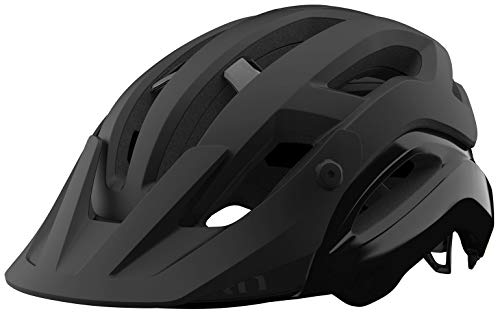
#2. Giro Manifest Spherical Bike Helmet

Specifications
| Brand | Giro |
|---|---|
| Type | Mountain |
| Impact Protection System | MIPS |
| Fit System | Roc Loc |
| Size | M |
| Weight | 8 oz |
Pros
- Trusted crash safety
- Well-vented and breezy
- Secure with smooth tuning
Cons
- No recognized certification
This Giro Manifest helmet stands out in the spherical bike helmet category thanks to MIPS, a rotational-impact layer that adds extra protection for real crash angles. In a segment where riders want reliable coverage and secure retention, it also pairs that added protection with a smooth Roc Loc fit system that you can dial in without fighting the straps. Comfort and airflow both hold up for longer rides, and the helmet feels stable once set.
The main trade-off is simple: there is no recognized certification listed here. If you ride often in mixed conditions or want to double-check standards before buying, that missing detail may matter. This is a strong pick for riders who prioritize MIPS plus everyday comfort and ventilation, and who are confident in the brand overall.
#3. Giro Eclipse Spherical Bike Helmet

Specifications
| Brand | Giro |
|---|---|
| Type | Road |
| Safety Certification | CPSC, EN 1078 |
| Impact Protection System | MIPS |
| Construction | In-Mold |
| Vents | 14 vents |
| Weight | 9.5 oz |
Pros
- Trusted crash safety
- Well-vented and breezy
- Secure with smooth tuning
Cons
- Value questioned
The Giro Eclipse Spherical stands out in the spherical bike helmet space for its safety-focused mix of CPSC and EN 1078 certification plus MIPS rotational impact protection. In practice, that combination matters for riders who want strong baseline protection without giving up a road-minded feel. The helmet uses 14 vents and an in-mold build, so it stays breezy when you are pushing pace or riding in warmer weather.
Comfort and fit are also steady for most riders, with smooth tuning and a low-drama adjustment process. The main trade-off is not how it wears, but how it stacks up against others in the same group. If you are very price-sensitive in this tier, you may feel there are better deals elsewhere, even though the Eclipse delivers a solid all-around ride.
What to Look For
Safety certifications: Start with clear standards you can verify, like CPSC, EN 1078, ASTM F1447, or AS/NZS 2063. If the listing does not clearly name a standard, move on.
Rotational-impact system: Look for a named system such as MIPS, WaveCel, SPIN, or KinetiCore. Spherical helmets can add coverage, but rotational protection helps with the twist component of many crashes.
Fit system that holds under motion: Use the helmet’s adjuster as your main decision point. Dial fit systems should let you fine tune without constant rework, and the helmet should not wobble when you turn your head.
Ventilation you feel on the ride: Check the vent count and the way airflow is routed. In this sub-category, real-world comfort depends on whether vents cool the areas that press against your scalp, not just on the number alone.
Comfort and helmet weight: Spherical designs can feel bulkier. Favor models with comfortable padding, a soft strap feel, and a weight that does not build fatigue on longer rides.
How We Picked
Products were identified through broad research across review sites and buyer forums, then filtered to only those that qualify as Spherical Bike Helmets.
Scoring used the same objective pillar framework as the main Bike Helmets post, allowing direct comparison of products within this sub-category.
Frequently Asked Questions
What makes a spherical bike helmet different from a regular helmet shape?
Spherical bike helmets use a rounded, sphere-like shell design. This can help spread impact forces more evenly. It also often pairs with a strong rotational-impact system. That combo can improve protection in angled crashes.
How do I choose between the top spherical helmet options in this range?
Start with safety first. Pick models with the highest safety and comfort scores. Then compare ventilation and fit, since those affect daily rides. If you ride hot or sweat a lot, prioritize the better ventilation score.
How should a spherical bike helmet fit during setup?
Use the fit dial to pull the helmet snug and level. The helmet should sit low on your forehead without blocking your vision. Tighten the straps so the Y straps sit flat under your ears. The helmet should not move much when you shake your head.
How do I care for a spherical bike helmet so it stays in good shape?
Clean the shell with mild soap and water. Use a soft cloth and let it air dry. Do not use harsh chemicals or solvents on the liner. Replace the helmet after a crash, even if it looks fine.
When should I choose a different type of Bike Helmet instead of a spherical one?
Choose another helmet type if you need more coverage for your riding style. For example, commuting in mixed traffic may call for more visibility features. Also pick a different helmet if your ride time is very short and budget is the main limit. Safety certifications should stay your top priority.
How do spherical bike helmets compare to other bike helmets for ventilation?
Many spherical options focus on airflow through the shell vents. If you ride in warm weather or climb often, ventilation matters more than looks. Check the ventilation score and how many vents the model has. Better airflow usually means less heat buildup on long rides.


