




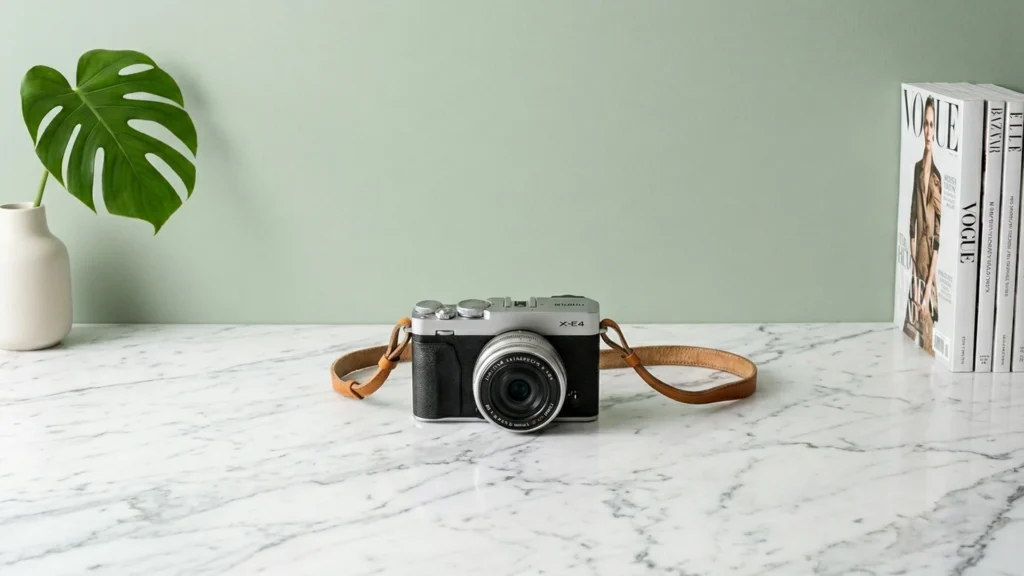
Digital cameras with Micro Four Thirds use a smaller sensor than APS-C and full-frame cameras, but they reward you with smaller lenses, easier travel setups, and strong stabilization options. In this category, buyers usually care about getting consistent image quality across different light. You also need focus that holds during everyday scenes, plus video that does not fall apart when you start recording.
The hard part is trade-offs. A smaller sensor can mean more visible noise at high ISO, especially in dim indoor light. Autofocus performance depends on camera generation and lens pairing, so your results vary if you mix bodies and older lenses. Video choices matter too, including stabilization behavior, rolling shutter, and whether the camera keeps focus while you pan.
To compare across sensor sizes and styles, use our cross-category list: Looking for all types? See our Best Digital Cameras.
Quick Overview
Our Top Picks
#1. OM System OM-1 Mark II Digital Camera

Specifications
| Brand | OM SYSTEM |
|---|---|
| Camera Type | Mirrorless |
| Sensor Size | Micro Four Thirds |
| Effective Megapixels | 20 MP |
| Lens Mount | Micro Four Thirds |
| Max Video Resolution | 4K |
| Continuous Shooting Speed | 120 fps |
Pros
- Strong dynamic range
- Controls are intuitive
- 4K video support
- Fast burst capture
Cons
- Video capability unclear
- AF reliability mixed
The OM System OM-1 Mark II stands out in the Micro Four Thirds world with strong photo flexibility, thanks to its class-leading dynamic range and 20 MP sensor. It also feels fast to use, with controls that let you stay in the flow while shooting. For action and wildlife use, the camera’s burst performance up to 120 fps makes it easier to catch the moment, especially when paired with Micro Four Thirds lenses that stay compact.
The trade-off is that autofocus reliability can be hit or miss depending on the scene, so it helps to test your usual subjects. Video support tops out at 4K, but the full practical picture is less clear than the stills side. This makes the OM-1 Mark II a strong pick for photographers who want responsive handling and rugged still performance in Micro Four Thirds, and who can accept some uncertainty for hard-to-track autofocus or video-focused work.
#2. Panasonic LUMIX GH7 Digital Camera

Specifications
| Brand | Panasonic |
|---|---|
| Camera Type | Mirrorless |
| Sensor Size | Micro Four Thirds |
| Effective Megapixels | 25.2 MP |
| Lens Mount | Micro Four Thirds |
| Max Video Resolution | 5.7K |
| Continuous Shooting Speed | 75 fps |
Pros
- Strong dynamic range
- Stable, detailed 4K footage
- Interchangeable lens support
- High-resolution sensor
Cons
- Menus slow you down
- Battery endurance unverified
- Handling impressions missing
Panasonic LUMIX GH7 stands out in Micro Four Thirds because it mixes a high-resolution 25.2 MP sensor with serious video strength. Files have strong dynamic range, so highlights keep detail, and shadows stay usable. For creators, the 5.7K video output stays stable and detailed, which is a big deal in a category where video performance often varies by model.
The main trade-off is day to day use. Menus can feel slow, and the experience depends on how comfortable you are navigating Panasonic’s setup. Battery life is also not clearly confirmed here, so plan on testing with your exact mix of stills and video. This is a good pick for photographers who also shoot demanding video, and who want Micro Four Thirds lenses without giving up imaging flexibility.
#3. OM System OM-5 Mark II Digital Camera

Specifications
| Brand | OM SYSTEM |
|---|---|
| Camera Type | Mirrorless |
| Sensor Size | Micro Four Thirds |
| Effective Megapixels | 20 MP |
| Lens Mount | Micro Four Thirds |
| Max Video Resolution | 4K |
Pros
- 4K video support
- Interchangeable lens support
- Great features for the price
Cons
- Some jitter during recording
- Limited evidence video quality
- Incremental generation upgrades
The OM System OM-5 Mark II stands out in Micro Four Thirds for being a more video-oriented body than many alternatives in this sensor class. It supports 4K capture and pairs that with interchangeable Micro Four Thirds lenses, so you can build a kit for both travel stills and casual filming. The 20 MP sensor also keeps output flexible for cropping, while the system approach means you can choose stabilised lenses when you want smoother handheld results.
The trade-off is recording stability. Some jitter shows up during video, and the camera is not the first pick if you care about consistently clean, detailed footage in tough lighting. It also feels like an incremental update rather than a major leap, so it makes the most sense for buyers moving into the Micro Four Thirds ecosystem, or those who want a single body to handle both stills and basic 4K video without switching systems.
What to Look For
Image Quality for real lighting: Focus on files that stay clean in low light and keep detail in bright scenes. Check how the camera handles highlight recovery and shadow noise, not just how it looks at base ISO.
Autofocus that does not lose subjects: For Micro Four Thirds, autofocus strength depends on both the body and the lens. Prioritize cameras that lock fast and track reliably during moving subjects and face or eye detection.
Video stability and dependable focus: Look for practical maximum resolution and frame-rate options, plus stable footage while walking or panning. Confirm that autofocus works during recording and that rolling shutter does not warp fast motion.
Handling for long shooting days: Micro Four Thirds systems often stay compact, so button layout matters. Choose a body with an easy grip, clear menus, responsive controls, and a screen or viewfinder that works in sunlight.
Value with a Micro Four Thirds lens system: Treat price as a system cost, not just the body. A good value body helps you avoid frequent upgrades if you already have Micro Four Thirds lenses or plan a short, versatile kit.
How We Picked
Products were identified through broad research across review sites and buyer forums, then filtered to only those that qualify as Digital Cameras with Micro 4 Thirds. Each camera was judged as a Micro Four Thirds system, not as a standalone spec sheet, with attention to how it performs across common photo and video use cases.
Scoring used the same objective pillar framework as the main Digital Cameras post, allowing direct comparison of products within this sub-category. Image quality carried the most weight, followed by autofocus, video, handling, battery, and overall value for what buyers pay today.
Frequently Asked Questions
What is Micro Four Thirds best for when I buy a digital camera?
Micro Four Thirds is great for travel and everyday shooting. The lens lineup is wide, and many lenses are small and light. You also get good image quality and strong in-body stabilization on many models.
Do Micro Four Thirds cameras have good autofocus for people and moving subjects?
Most newer Micro Four Thirds models track faces and eyes well. Still, performance can vary in low light and fast action. If you shoot kids, sports, or pets, check the camera’s autofocus tests for your typical lighting.
How should I choose between OM-5 Mark II style models and higher-end Micro Four Thirds bodies?
Higher-end bodies usually give you better video tools and more advanced performance. Midrange models often feel easier to carry and still deliver strong photos. Think about your main use first, then compare autofocus speed and video features.
When should I switch to a different digital camera type instead of Micro Four Thirds?
Choose a different type if you need the best low-light performance or the widest shallow depth of field look. Also consider a different system if you want longer reach without using extra teleconverters. If size and stabilization matter most, Micro Four Thirds is often a strong fit.
How do Micro Four Thirds cameras compare to APS-C and full-frame for image quality?
Full-frame usually wins for low light and very smooth background blur. APS-C often sits in between and can be a bit better for noise at higher ISO. Micro Four Thirds can still produce very sharp images, especially with good lenses and modern autofocus.


