





How to Select Durable Outdoor Furniture
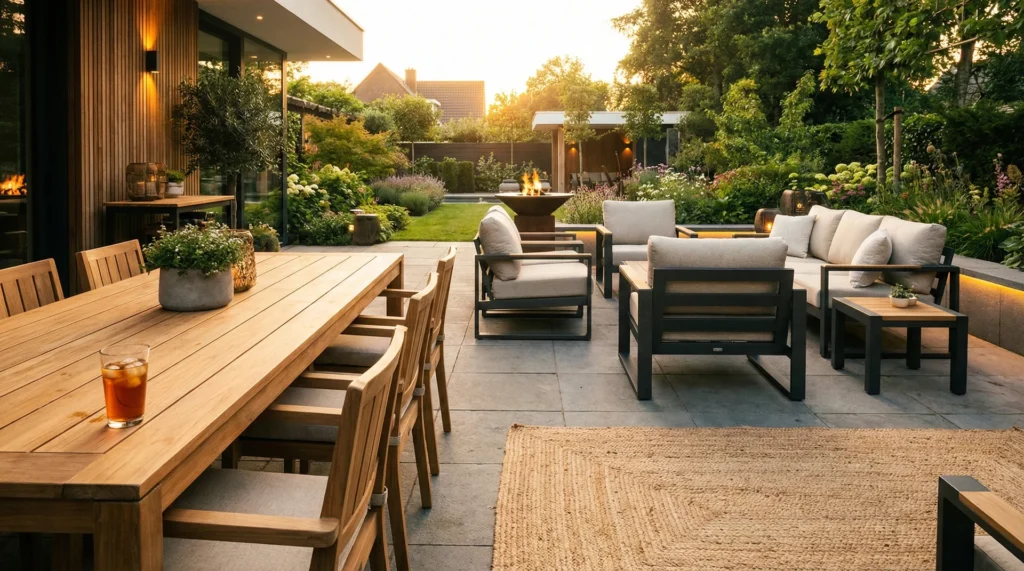
There is something magical about the perfect outdoor space. Whether it is a sun-drenched deck for morning coffee or a cozy fire pit area for late-night storytelling, your patio is an extension of your home. However, unlike your indoor sofa, your outdoor furniture is essentially a warrior. It has to withstand scorching UV rays, torrential downpours, high winds, and perhaps even the occasional frost. Choosing pieces that look great in a showroom is easy; choosing pieces that still look great five years later requires a bit more strategy.
When we talk about durability, we aren't just talking about a chair not falling apart. We are talking about color retention, resistance to mold, structural integrity, and how much work you actually want to put into maintaining it. If you have ever bought a cheap set of chairs only to watch them rust or peel after a single season, you know the frustration. In this guide, we are going to dive deep into the world of materials, construction methods, and environmental factors to help you make an investment that lasts for decades.
Understanding Your Local Environmental Factors
Before you even look at a price tag, you need to look at your backyard. The environment is the single biggest factor in how your furniture will age. For instance, if you live in a coastal area, salt air is your primary enemy. It can corrode most metals and eat through finishes with terrifying speed. In this scenario, marine-grade stainless steel or high-density polyethylene (HDPE) lumber are your best friends. On the other hand, if you live in a desert climate like Arizona, your main concern is UV degradation. Intense sun can turn vibrant fabrics into faded ghosts and cause lower-quality plastics to become brittle and crack.
Wind is another often-overlooked factor. If you have a rooftop deck or live in a wide-open plains area, lightweight aluminum or plastic furniture might literally fly away during a summer storm. In these windy corridors, heavy wrought iron or solid teak are the logical choices. Humidity also plays a massive role; high moisture levels encourage mold and mildew growth in natural fibers and certain woods. By identifying the specific 'threats' in your region, you can narrow down your material choices before you even step foot in a store.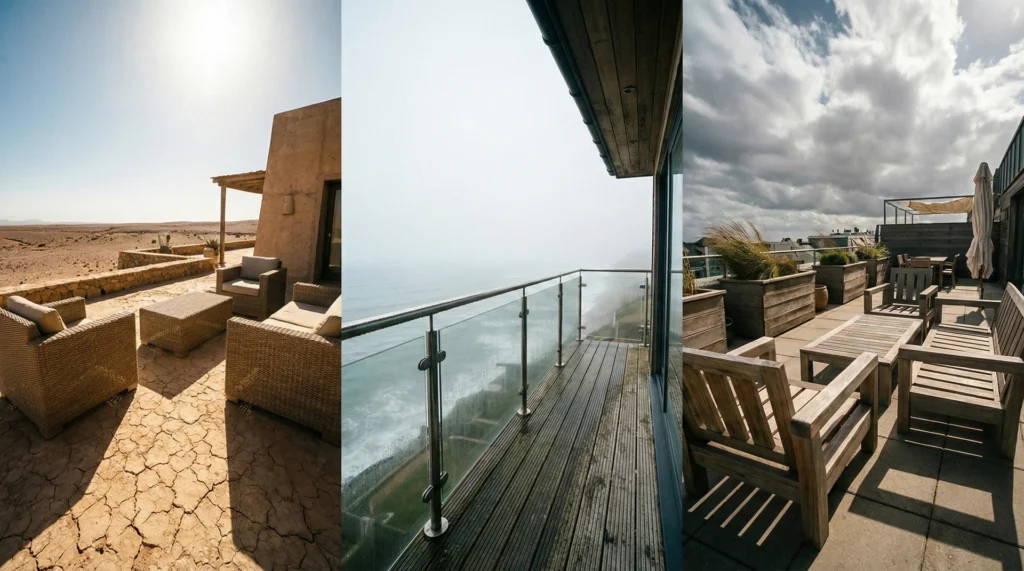
Metal Furniture: Aluminum vs. Wrought Iron
Metal is a classic choice for outdoor settings because of its inherent strength. However, not all metals are created equal. Aluminum is perhaps the most popular choice for modern patio sets, and for good reason. It is naturally rust-resistant because it creates its own protective oxide layer. Most high-quality aluminum furniture is powder-coated, a process where dry powder is applied electrostatically and then cured under heat to create a hard, durable skin. This finish is far more resilient than traditional paint. When shopping for aluminum, look for 'cast aluminum' or 'tubular aluminum.' Cast aluminum is solid and heavy, while tubular is hollow and lighter. Ensure the joints are fully welded rather than just bolted together for maximum longevity.
Wrought iron, conversely, is the heavyweight champion of the patio. It is incredibly sturdy and perfect for windy environments. The classic aesthetic fits beautifully in traditional gardens. However, wrought iron’s biggest weakness is its susceptibility to rust. If the paint chips and the metal is exposed to moisture, it will oxidize. To ensure durability, you must look for wrought iron that has been pre-treated with a zinc coating (galvanized) and finished with a high-quality powder coat. While it requires a bit more maintenance—like the occasional touch-up paint—wrought iron can literally last a lifetime if cared for properly.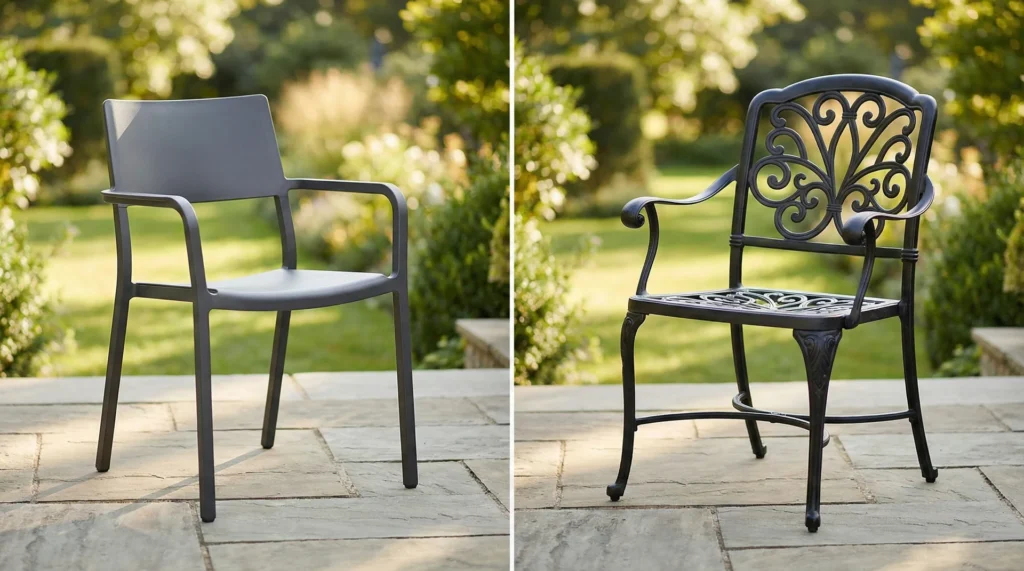
The Timeless Strength of Teak and Hardwoods
Wood brings a warmth and natural beauty to an outdoor space that metal simply can’t replicate. But wood is organic, and organic things rot. This is why the species of wood you choose is paramount. Teak is widely considered the gold standard for outdoor durability. It is a dense hardwood with a very high natural oil content. These oils act as a built-in waterproof barrier, protecting the wood from rot, decay, and pests. Over time, teak will weather from a golden honey color to a beautiful silvery-gray. Some people love this patina, while others choose to apply a teak sealer once a year to maintain the original color. Either way, the structural integrity remains rock solid.
Other hardwoods like Ipe, Eucalyptus, and Acacia are also popular. Ipe is incredibly dense—so dense it actually sinks in water—and is virtually fire-resistant, but it can be quite expensive. Eucalyptus is a more sustainable, faster-growing alternative that offers great rot resistance at a lower price point. Acacia is a solid budget-friendly option, but it requires significantly more maintenance. If you don't oil acacia furniture regularly, it is prone to cracking in dry climates or rotting in wet ones. When checking wood furniture, always look for 'mortise and tenon' joinery. This is a traditional woodworking technique where a protruding piece (the tenon) fits into a hole (the mortise), creating a joint that can handle the natural expansion and contraction of wood throughout the seasons.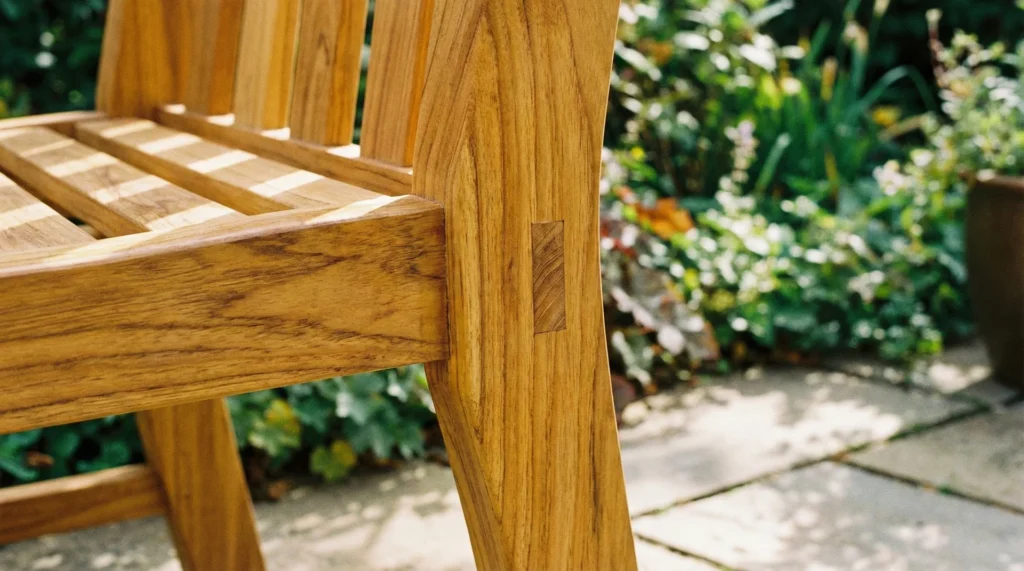
Modern Synthetics and High-Density Polyethylene
If you are looking for the absolute lowest maintenance possible, synthetic materials have come a long way. Specifically, High-Density Polyethylene (HDPE) lumber—often referred to by brand names like Polywood—is a game changer. Made largely from recycled milk jugs and detergent bottles, this material is essentially indestructible. It doesn't rot, it doesn't splinter, and the color is infused throughout the material, meaning it can't chip or peel. It is heavy enough to stay put in the wind and can be cleaned with nothing more than a garden hose and some soapy water.
Synthetic wicker, or 'resin wicker,' is another popular modern choice. Avoid the cheap, brittle plastic wicker often found at big-box retailers. Instead, look for High-Density Polyethylene (HDPE) wicker. High-quality resin wicker is UV-stabilized so it won't bleach out in the sun, and it is usually hand-woven over a sturdy, powder-coated aluminum frame. This gives you the classic, breezy look of natural rattan without the inevitable fraying and rotting that happens when natural fibers are left outdoors. It is a perfect blend of old-world style and new-world chemistry.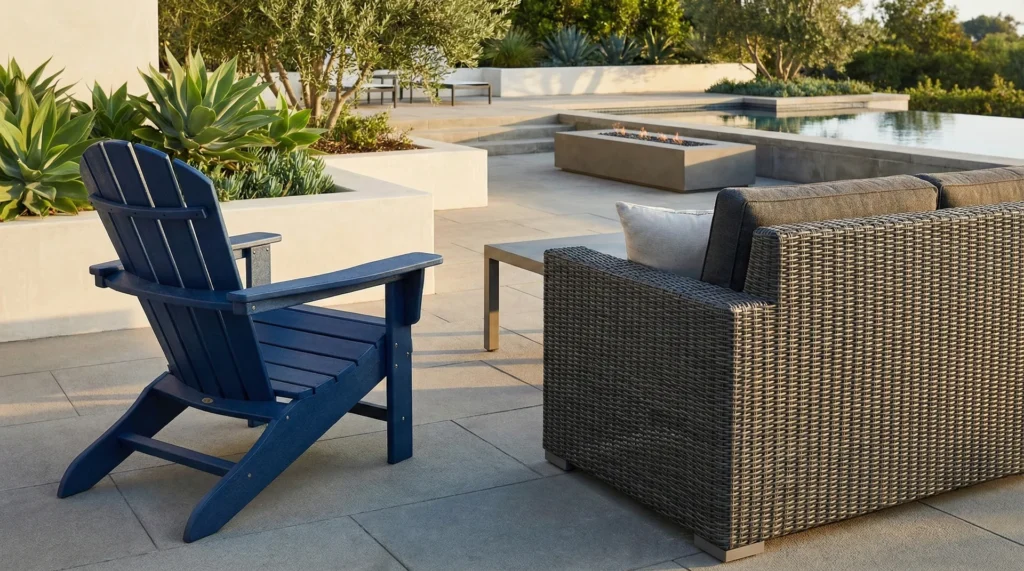
The Importance of Performance Fabrics
The frame of your furniture might last forever, but if the cushions look like a moldy mess after two months, the furniture is useless. This is where 'performance fabrics' come into play. You want to look for solution-dyed acrylics, with Sunbrella being the most famous example. Unlike cheaper polyester fabrics where the color is just printed on the surface, solution-dyed fibers have the pigment added while the plastic is still in a liquid state. The color goes all the way through the thread, much like a carrot versus a radish. This makes them incredibly resistant to UV fading and allows you to clean them with diluted bleach without losing the color.
Beyond the fabric itself, pay attention to the cushion filling. Durable outdoor cushions should use 'open-cell' foam or 'reticulated' foam. These materials are designed to let water flow straight through rather than soaking it up like a sponge. If a cushion holds water for days, it becomes a breeding ground for mildew. Also, check for high-quality zippers and 'welted' edges (the piping around the seams), which provide extra reinforcement against wear and tear.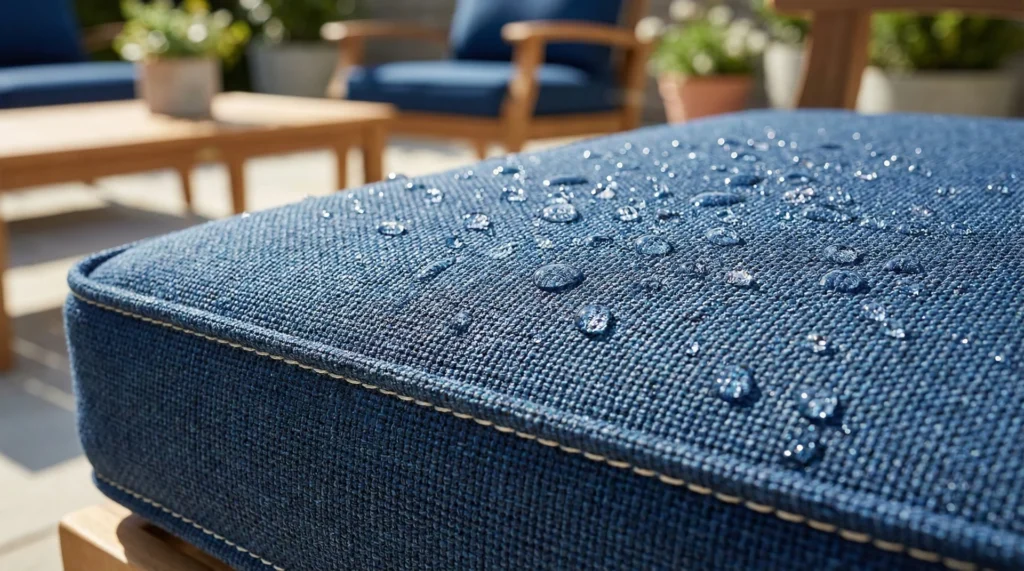
Maintenance Strategies for Long-Term Use
Even the most durable furniture needs a little love to reach its full potential. The single best thing you can do for your investment is to buy high-quality furniture covers. These should be breathable to prevent moisture buildup but waterproof enough to keep the elements at bay. Covering your furniture when it is not in use for extended periods—especially during the winter—will easily double its lifespan. If you live in a climate with harsh winters, storing your cushions indoors is a must.
Routine cleaning is also essential. Dirt, bird droppings, and pollen can actually cause finishes to degrade over time if left to sit. A simple seasonal wash with mild soap and water is usually all it takes. For wood furniture, checking the hardware once a year is a smart move. Because wood expands and contracts, bolts can loosen over time. A quick turn of a wrench can prevent the wobbles that eventually lead to structural failure. By treating your outdoor furniture with the same respect you give your indoor pieces, you ensure that your outdoor oasis remains a source of joy rather than a source of maintenance headaches.
Final Thoughts on Making the Right Choice
Choosing durable outdoor furniture is a balance between your personal style, your local climate, and your budget. While the upfront cost of high-quality materials like teak, cast aluminum, or HDPE lumber might be higher, the 'cost per year' is significantly lower than replacing a cheap set every two seasons. Take the time to feel the weight of the pieces, inspect the welds, and ask questions about the fabric technology. Your future self, relaxing comfortably on a beautiful patio years from now, will definitely thank you for the extra effort today.